Attractions and Places To See around Néac - Top 20
Attractions and places to see around Néac, a commune in Gironde, France, offer a mix of historical landmarks, natural features, and a strong wine-making culture. Situated on a hill overlooking the Barbanne river, the area provides picturesque landscapes. Extensive vineyards characterize the region, which is known for its viticultural heritage. Néac also offers elevated perspectives of the surrounding landscapes.
Best attractions and places to see around Néac
- The most popular attractions is Saint-Émilion Village, a settlement that is a…
Last updated: June 24, 2026
Saint-Émilion Village
Highlight • Settlement
Translated by Google •
Tip by

Cordeliers' Cloister
Highlight • Religious Site
Translated by Google •
Tip by

Sign up now to discover places like this
Get recommendations on the best single tracks, peaks, & plenty of other exciting outdoor places.
Sign up for free
Château Angélus
Highlight • Historical Site
Translated by Google •
Tip by

Notre-Dame Abbey Church, Guîtres
Highlight • Other
The church of Guîtres is an abbey church; it is therefore the church of an abbey of monks (Benedictine). This abbey, of which only a few traces remain, is …
Translated by Google •
Tip by

Saint-Christophe Church
Highlight • Religious Site
Translated by Google •
Tip by

Sign up for free to discover even more attractions around Néac.
Sign up for free
Already have an account?
Start today with a free account
Your next adventure awaits.
Login or Signup


Tips from the Community

The TV series – available only in German – »Schätze der Welt – Erbe der Menschheit« documents in short episodes, each lasting a quarter of an hour, important places that have been honored as World Heritage Sites by UNESCO. The accompanying text states: "Saint- Emilion is one of the most romantic wine towns in the world. The small town lies on a limestone plateau, framed by vineyards where the grapes for the famous 'grands crus' grow. With this important wine-growing region in southwestern France, UNESCO has also declared wine a World Heritage Site. Rightly so, because Saint- Emilion represents the perfection of wine." Follow this link to the film =>> https://www.ardmediathek.de/video/schaetze-der-welt/saint-emilion-frankreich-folge-226/swr/Y3JpZDovL3N3ci5kZS83Nzg1MTUw
0
0
The name of Saint-Christophe, to whom this church in the village, which also bears his name, is dedicated, translates as "Christ-bearer." According to the saint's legend, he was a giant man who carried people across a river. One day, a small child called to him, and he carried it on his shoulders to the other bank. Amazingly, the child became heavier and heavier, and he said he felt as if the weight of the entire world were resting on his shoulders. Then the child revealed himself to him as Jesus Christ, Savior and Redeemer of the world.
1
0

Superb property of great classified growths.
1
1

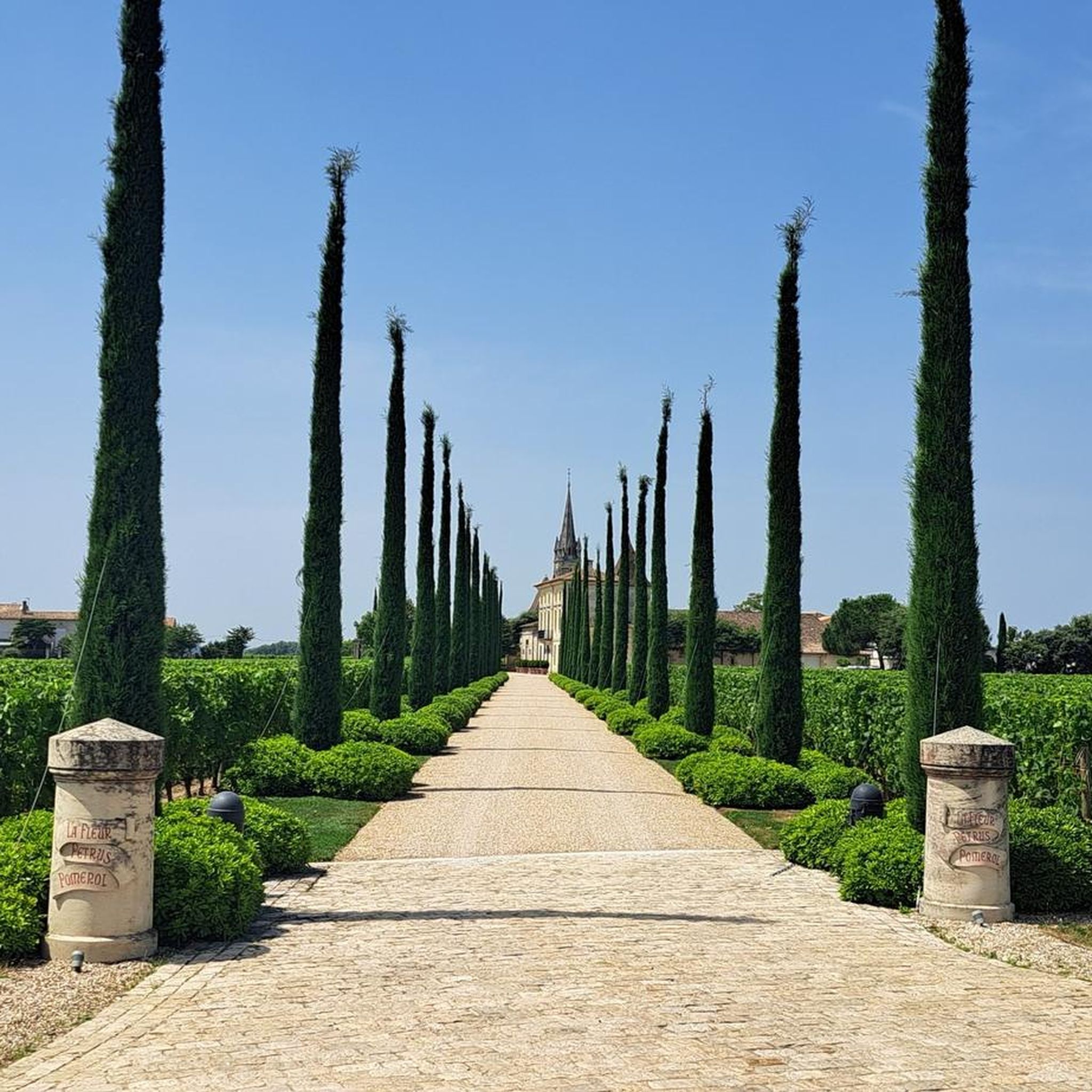
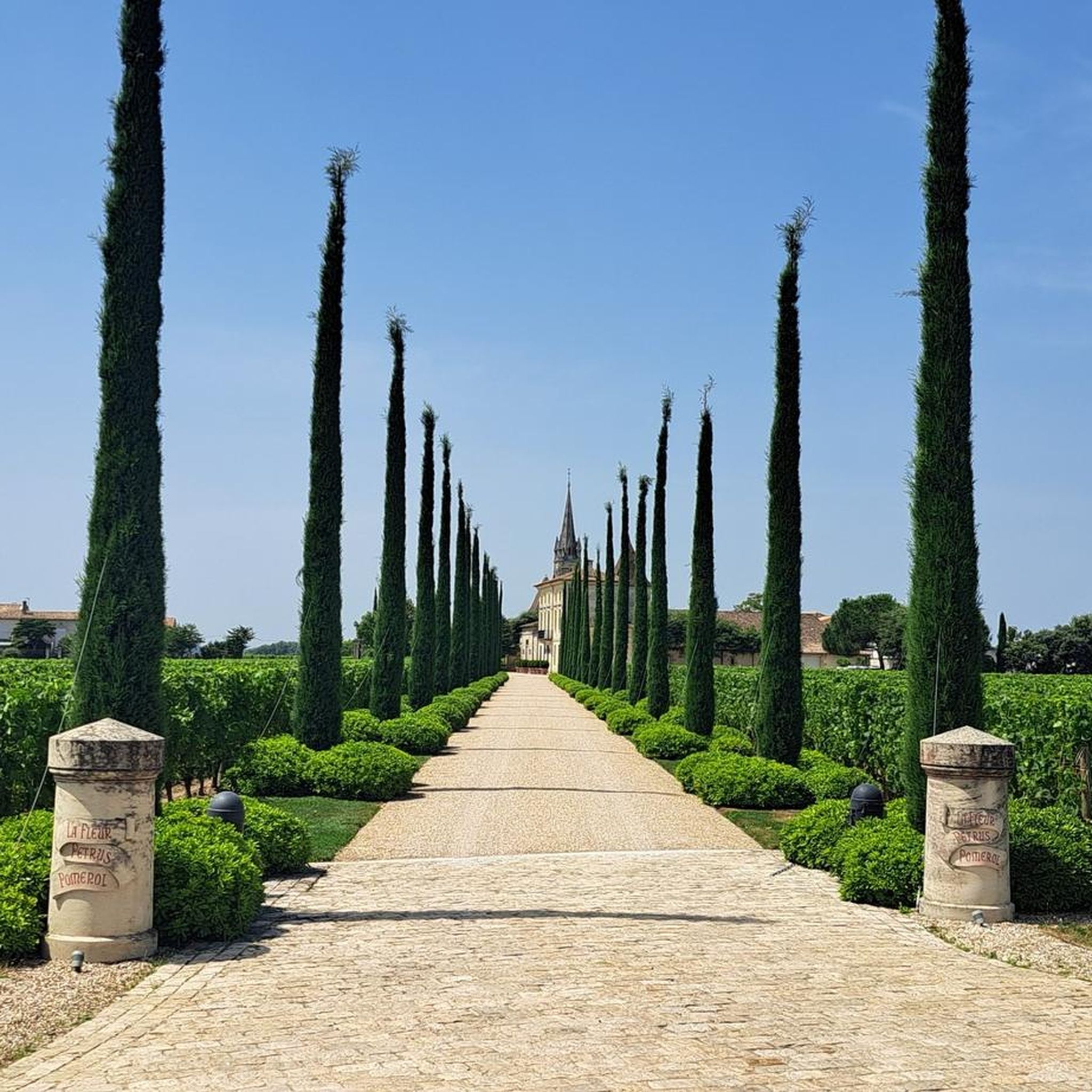
Château Angélus, located in the heart of the prestigious Saint-Émilion vineyard, is a renowned wine estate that combines tradition and modernity. Surrounded by perfectly maintained vines, this iconic château offers a sumptuous setting where you can discover the art of winemaking for its Grands Crus Classés. The view of the vineyard from the château is simply magnificent, with its rows of vines stretching as far as the eye can see. Wine lovers will appreciate the guided tours and tastings.
2
0
Château Angélus, located in the heart of the prestigious Saint-Émilion vineyard, is one of the most famous Grands Crus Classés of Bordeaux. Nestled in the middle of perfectly maintained vines, a visit to the château allows you to discover the wine history of the region, its impressive cellars and its ultra-modern winery. Wine lovers will appreciate tastings of the refined vintages.
1
0

Former monastery. Today a department store for everything related to wine. Nice restaurant in the old cross-gate and monastery garden. Various paid tours can be booked.
0
0

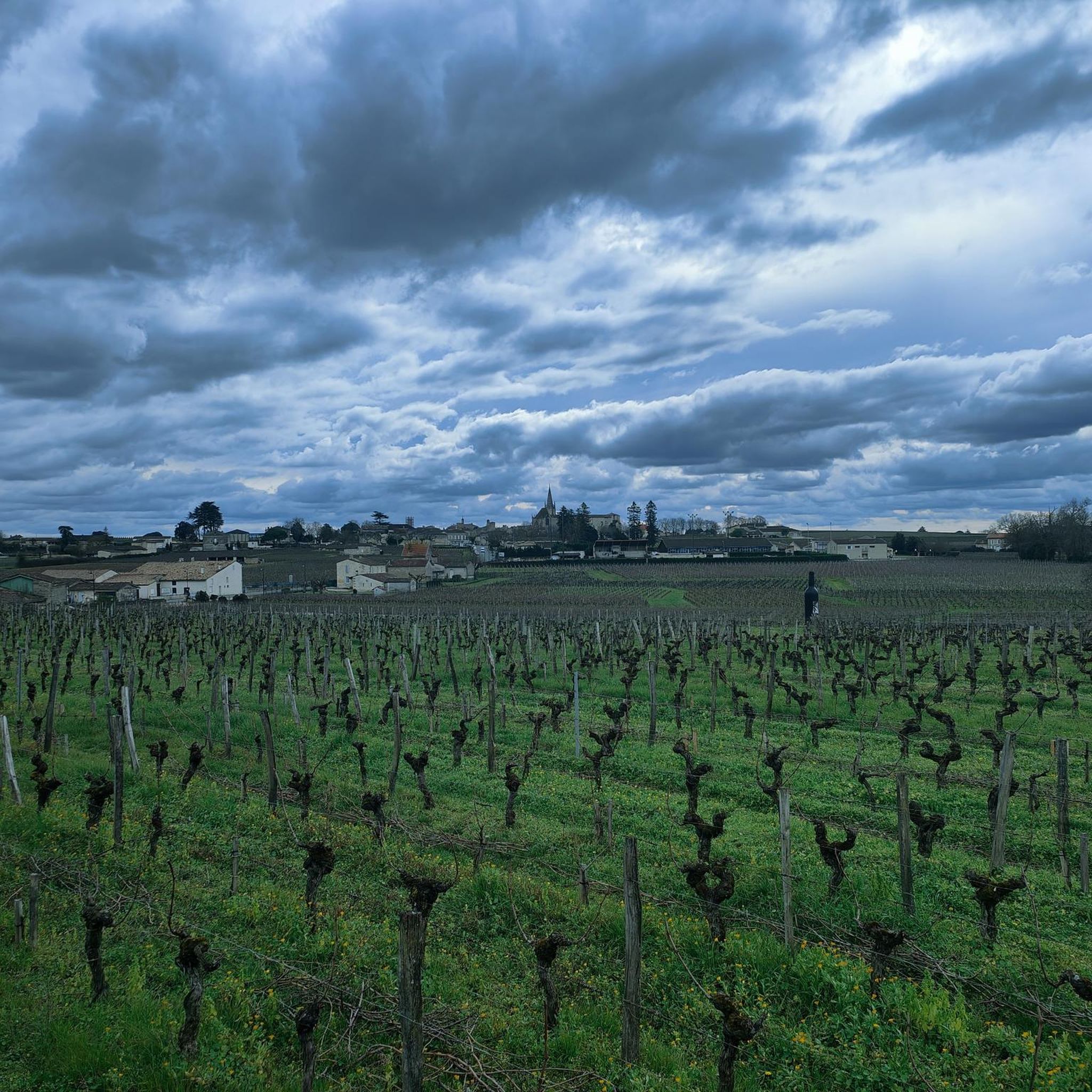
Perched on a rocky promontory and surrounded by the famous vineyard of the same name, Saint-Émilion is a magnificent village. Very popular with tourists and wine lovers, it is crowded in summer and I recommend that you come and discover it out of season. The medieval city is a UNESCO World Heritage Site and many cycling events take place there, in the small, steep, cobbled streets.
2
0
This church in Saint-Emilion has a very unusual architecture: it is not built stone on stone, but the church was - in the truest sense of the word - beaten out of the stone, which is why it is also called the "rock church".
2
0
Frequently Asked Questions
What historical landmarks can I explore in and around Néac?
Néac and its surroundings are rich in history. You can visit the 19th-century Church of Saint-Brice, built on the site of an 11th-century edifice, or see the late 19th-century Mission Cross. Nearby, the medieval city of Saint-Émilion Village, a UNESCO World Heritage Site, offers a wealth of historical sites. Don't miss Château de Monbadon, a castle evoking medieval dreams, or the historic Notre-Dame Abbey Church, Guîtres, with its Romanesque architecture dating back to the 11th century.
Are there any natural features or scenic viewpoints to enjoy in Néac?
Yes, Néac is situated on a hill culminating at 54 meters, offering elevated perspectives of the surrounding landscapes, including its famous vineyards. The Barbanne River traverses the commune for approximately 2.5 kilometers, adding to the scenic charm. The extensive vineyards themselves are a significant natural feature, central to the region's identity.
What kind of outdoor activities can I do near Néac?
The region around Néac is excellent for outdoor activities, especially cycling and running. You can find various routes for gravel biking, road cycling, and running. The local Tourist Office also provides marked walking trails, such as a 4-kilometer route, and a 13-kilometer cycling route for exploring Néac and Lalande de Pomerol.
Are there specific hiking or walking trails around Néac?
Yes, the local Tourist Office offers marked walking routes. For example, there's a 4-kilometer walking trail that takes about an hour. You can also explore the extensive vineyards on foot. For more structured routes, consider the running trails around Néac, which include paths like the 'Path by the Barbane' loop, suitable for walking.
What is the best time to visit Néac for outdoor activities?
The region is beautiful year-round, but for walking and cycling, spring and autumn offer pleasant temperatures and stunning vineyard scenery. Summer can be warm, especially in July and August, but is popular for wine tourism. Visiting outside of peak summer season (July-August) might allow for a more relaxed experience, especially in popular spots like Saint-Émilion Village.
Are there family-friendly attractions or activities in Néac?
While Néac is primarily known for its wine heritage and historical sites, families can enjoy gentle walks through the vineyards or along the Barbanne River. The nearby medieval village of Saint-Émilion, with its unique underground monolithic church and charming streets, can be an engaging visit for older children. Cycling routes are also a great option for active families.
What is Néac's connection to wine?
Néac has a strong viticultural history. Its wines were historically labeled as Pomerol and Néac-Pomerol, and are now often recognized under the Lalande-de-Pomerol appellation. The commune is characterized by extensive vineyards, which are central to its economy and identity. Many châteaux, like Château Siaurac, are prominent wine estates in the area, showcasing the region's winemaking tradition.
What do visitors enjoy most about the attractions around Néac?
Visitors particularly appreciate the historical charm and picturesque landscapes. The medieval city of Saint-Émilion Village is highly praised for its unique architecture and UNESCO status. The hidden gem of Château de Monbadon is loved for its medieval feel, while the Saint-Christophe Church is noted for its serene atmosphere, especially at sunset. The overall experience of exploring vineyards and historical sites is highly valued.
Are there options for cycling around Néac, including routes for different skill levels?
Yes, there are various cycling options. The local Tourist Office provides a 13-kilometer cycling route. Komoot also offers several road cycling routes and gravel biking routes around Néac, ranging from easy to difficult, allowing cyclists of all levels to explore the region's vineyards and scenic roads.
Where can I find information about local cafes or restaurants near Néac's attractions?
While specific cafe listings aren't provided in the guide, the region around Néac, especially near popular attractions like Saint-Émilion Village, offers various dining options. There is also a café mentioned at the foot of Château de Monbadon. For more detailed information on local establishments, it's recommended to check the Saint-Émilion Tourist Office website or local guides upon arrival.
Is public transport available to reach attractions near Néac?
Néac is a small commune, and while specific public transport details for reaching individual attractions aren't provided, the region is generally best explored by car, bicycle, or on foot. Major towns like Libourne, which may have more public transport connections, are nearby. For detailed public transport information to Néac or Saint-Émilion, it's best to consult regional transport services.
Are there any hidden gems or lesser-known spots worth visiting in the Néac area?
Beyond the well-known Saint-Émilion Village, the Château de Monbadon is described as a hidden gem, revealing itself at the last moment and evoking medieval dreams. Exploring the smaller vineyard roads and the tranquil banks of the Barbanne River can also lead to charming, less-trafficked discoveries.

Get inspired with the komoot mobile app


Explore more
Still not found the Highlight you’re looking for? See guides of the top attractions in other regions:
