Attractions and Places To See around Château-Voué - Top 16
Attractions and places to see around Château-Voué include a mix of historical sites, natural landscapes, and cultural experiences in the Moselle department of France. The area is situated within the Parc naturel régional de Lorraine, offering opportunities to explore wider natural landscapes. The region features historical landmarks, such as castle ruins and ancient churches, alongside significant natural features like the Seille river and various ponds.
Best attractions and places to see around Château-Voué
- The most popular attractions is Lindre Pond…
Last updated: July 2, 2026
Church of St Privat de Salonnes
Highlight • Other
Translated by Google •
Tip by

Marsal
Highlight • Other
Translated by Google •
Tip by

Sign up now to discover places like this
Get recommendations on the best single tracks, peaks, & plenty of other exciting outdoor places.
Sign up for free
Lindre Pond
Highlight • Lake
Translated by Google •
Tip by
Domaine Départemental de Lindre
Highlight • Lake
Translated by Google •
Tip by

Vic-sur-Seille
Highlight • Other
Translated by Google •
Tip by
Sign up for free to discover even more attractions around Château-Voué.
Sign up for free
Already have an account?
Start today with a free account
Your next adventure awaits.
Login or Signup

Tips from the Community

The church of Salonnes has a rich history dating back to the 8th century, when it was built to house the relics of Saint-Privat and Saint-Hilaire. After being destroyed during conflicts over the salt mines and later the Thirty Years' War, it was rebuilt in 1540 and again in 1750. The most striking element is the Gothic portal, which is the only original part from the 16th century to have been preserved. Made of Jaumont stone, it features an accolade arcade flanked by pinnacles. Three Gothic niches above the double doors recall the ornate style of the late Gothic period.
8
0

Vic-sur-Seille, which benefits from the label "Small cities of character", is an essential place of passage for itinerants who cross the region. If its old stones undeniably recall the history of the village, its leisure center invites you to rest and relax. The village has all the amenities, from accommodation to restaurants. Take the time to visit the museum which takes its name from Georges de La Tour, born in 1593 in Vic-sur-Seille. The exhibitions offer many indications on the region and its evolution.
3
0
Marsal is a small hamlet with a very salty history: from the Bronze Age until the middle of the 17th century, the village knew how to use its salt water sources to prosper in the salt trade. Today, nothing remains of the saltworks and Marsal today looks like a peaceful village. If you wish, you can organize a guided tour with the Pays du Saulnois Tourist Office on 03 87 01 16 26.
1
0
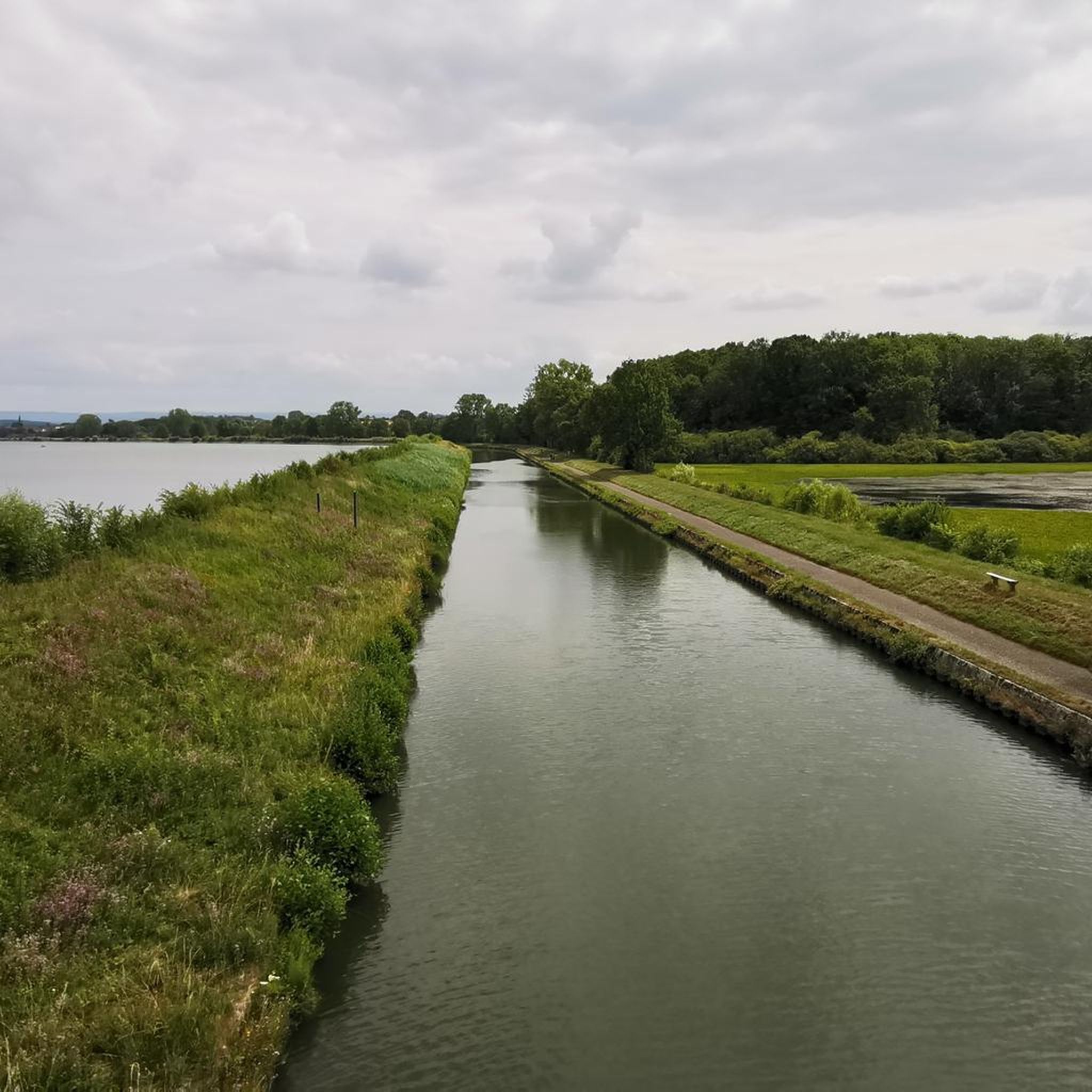
South of Dieuze, the Etang de Lindre belongs to the 134 ponds that make up what is called the country of ponds. Large over six square kilometres, the body of water becomes an Eden for walkers and fishermen during the summer.
1
0

This church, originally built in the 8th century for the remains of St Privat, bishop of Mende, was greatly altered in the 16th century and has a flamboyant Gothic portal. The canopies of the empty niches are...More Source: petit-patrimoine.com
0
0

Here you can make great rest, there are food and drinks, a toilet is also available! There is also a lot of information about the Domaine de Lindre and a souvenir shop for the small gifts from the holiday! Here you can see clearly, Lindre is Stocheland!
1
0
Frequently Asked Questions
What historical sites can I explore around Château-Voué?
The region offers several historical sites. You can visit the ruins of the 10th-century Château-Voué castle, which still features a partial stone tower overlooking the valley. Another significant site is the Church of St Privat de Salonnes, known for its rich history dating back to the 8th century and its striking 16th-century Gothic portal. The village of Marsal also has a deep history tied to the salt trade.
Are there any notable natural attractions near Château-Voué?
Yes, the area is rich in natural beauty. The Lindre Pond is a prominent natural feature, spanning over six square kilometers and popular with walkers and fishermen. The Domaine Départemental de Lindre is also celebrated for its beautiful natural scenery. The Seille river is another significant natural feature in the Moselle region, and Château-Voué is part of the larger Parc naturel régional de Lorraine.
What cultural experiences are available in the region?
For cultural insights, you can visit the Musée Départemental du Sel (Salt Museum) to learn about the region's historical salt trade. The village of Vic-sur-Seille, the birthplace of painter Georges de La Tour, hosts a museum dedicated to his work. Guided tours can also be arranged in Marsal to explore its unique history.
Can I find family-friendly activities around Château-Voué?
The natural areas like Lindre Pond and the Domaine Départemental de Lindre offer opportunities for walks and enjoying nature, which can be suitable for families. The Étang de la Mutche, with its bird observatory, is also a great spot for observing local wildlife, which can be engaging for children. Additionally, the Vélo Rail de la vallée du Spin provides a unique and active experience for families.
What kind of outdoor activities can I do, such as hiking or cycling?
The area around Château-Voué is popular for various outdoor activities. You can find numerous routes for hiking and walking to explore the landscape. For cycling, there are options for touring bicycles, road cycling, and mountain biking. For example, you can find cycling routes like the 'Étang de Lindre — loop from Dieuze' or mountain bike trails such as the 'Marsal – Vic-sur-Seille loop from Vic-sur-Seille'. You can explore more routes in the Cycling around Château-Voué, Road Cycling Routes around Château-Voué, and MTB Trails around Château-Voué guides.
Where can I experience the region's unique salt history?
The village of Marsal is central to the region's salt history, having prospered from the salt trade from the Bronze Age until the mid-17th century. While the saltworks are no longer present, you can learn more about this important industry at the Musée Départemental du Sel.
What is there to see in the village of Vic-sur-Seille?
Vic-sur-Seille is a charming village known for its historical architecture and as the birthplace of the renowned painter Georges de La Tour. It features a museum dedicated to the artist and offers amenities including accommodation and restaurants, making it a pleasant stop for visitors.
Is there a good place for nature walks and birdwatching?
Yes, the Étang de la Mutche, located near Harprich, is an excellent spot for nature walks and birdwatching. It features a bird observatory, providing opportunities to observe local wildlife in a scenic setting. The vast Lindre Pond also offers extensive areas for walking and enjoying the natural environment.
What is the best time of year to visit Château-Voué?
The area around Château-Voué, being part of the Parc naturel régional de Lorraine, is generally pleasant for outdoor activities from spring through autumn. Summer offers warm weather ideal for exploring natural features like Lindre Pond and engaging in cycling or walking. Spring and autumn provide milder temperatures and beautiful scenery for historical site visits and nature walks.
Are there any unique active experiences like Vélo Rail nearby?
Yes, for a unique and active experience, visitors can enjoy the Vélo Rail de la vallée du Spin. This activity allows you to pedal along disused railway lines, offering a fun way to see the Spin Valley's landscape.
What is the significance of the Château-Voué castle ruins?
The Château-Voué castle ruins are a significant historical landmark, with its origins tracing back to the 10th century. Originally mentioned in the founding charter of the Vergaville Abbey in 930, the castle played a role in protecting local abbeys and saw many owners throughout its history. Today, its partial stone tower offers a glimpse into the region's rich past.
Where can I find accommodation and dining options near the attractions?
The village of Vic-sur-Seille is a good option, as it offers various amenities including accommodation and restaurants. While Château-Voué itself is a smaller commune, nearby towns and villages within the Moselle department will provide additional choices for dining and lodging.
What are some easy walks or trails suitable for all abilities?
Many of the paths around natural areas like Lindre Pond are suitable for easy walks. The Parc naturel régional de Lorraine generally offers a variety of trails, some of which are less challenging and perfect for a leisurely stroll to enjoy the scenery. For specific easy cycling routes, you can check the 'Bike loop from Dieuze' in the Cycling around Château-Voué guide.
How can I explore the wider natural landscapes of the region?
Château-Voué is situated within the Parc naturel régional de Lorraine, which provides extensive opportunities to explore wider natural landscapes. This regional park is ideal for longer hikes, cycling tours, and discovering diverse ecosystems. The Domaine Départemental de Lindre is also a great starting point for exploring the natural beauty of the area.
What do visitors particularly enjoy about the attractions around Château-Voué?
Visitors appreciate the blend of historical significance and natural beauty. The Lindre Pond is particularly enjoyed by walkers and fishermen. The historical depth of sites like the Church of St Privat de Salonnes and the unique history of Marsal also draw interest. The overall peaceful atmosphere and opportunities for outdoor activities within the Parc naturel régional de Lorraine are highly valued.

Get inspired with the komoot mobile app


Explore more
Still not found the Highlight you’re looking for? See guides of the top attractions in other regions:
