Attractions and Places To See around Fontjoncouse - Top 17
Best attractions and places to see around Fontjoncouse are found in the Corbières region of the Aude department, France. This area is characterized by its rugged natural beauty, vineyards, and historical sites. The village itself offers local points of interest and serves as a base for exploring numerous regional attractions. Visitors can discover a blend of cultural heritage and scenic landscapes.
Best attractions and places to see around Fontjoncouse
- The most popular attractions is Sainte-Marie de Fontfroide Abbey, a religious building that is a large complex from the 11th century. The path to follow the mountain with the cross offers beautiful landscapes and vegetation.
- Another must-see spot is Souil Pass, a mountain pass located at an altitude of 267 meters in the Corbières massif. From Sigean, the climb is 11 km with 257 meters of elevation gain.
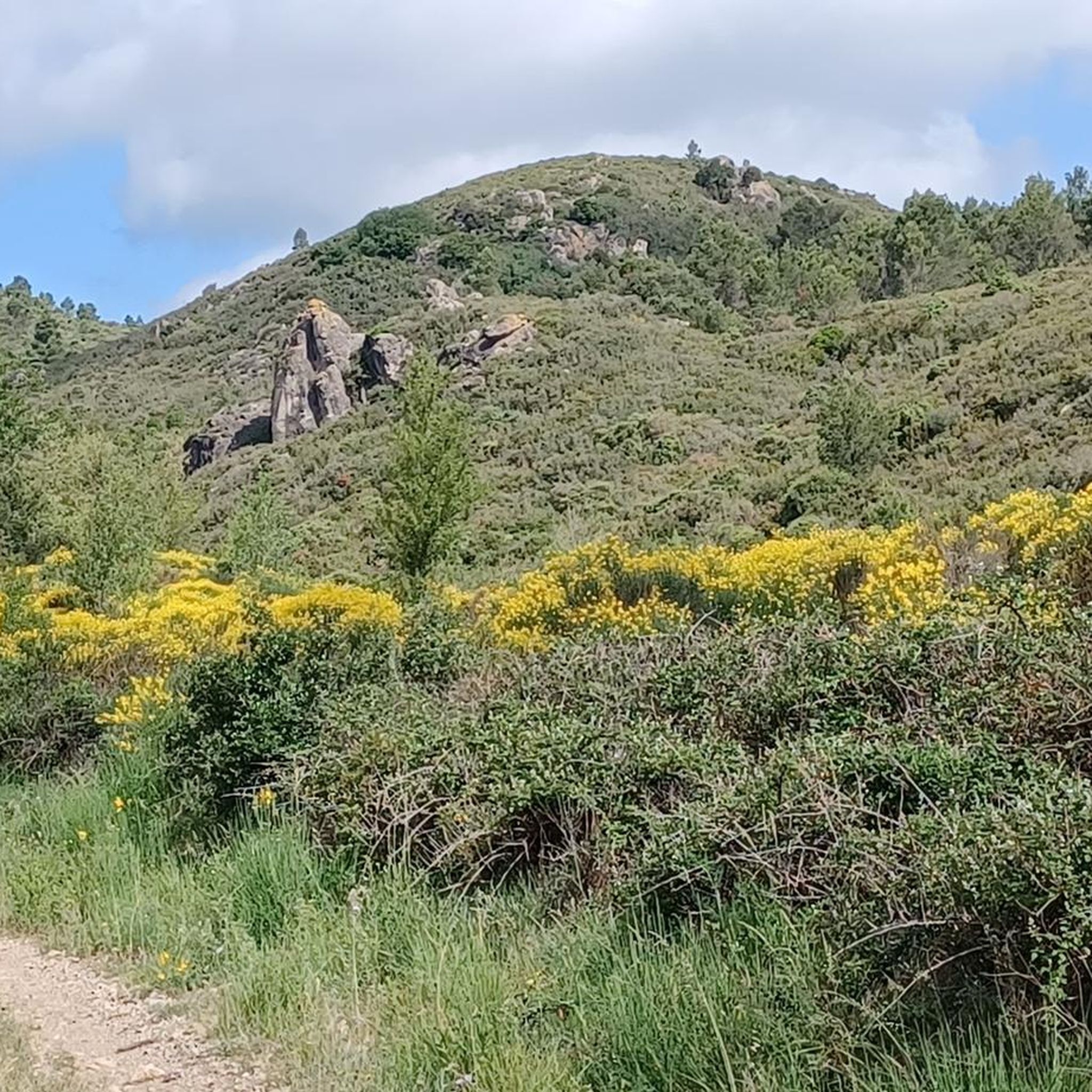
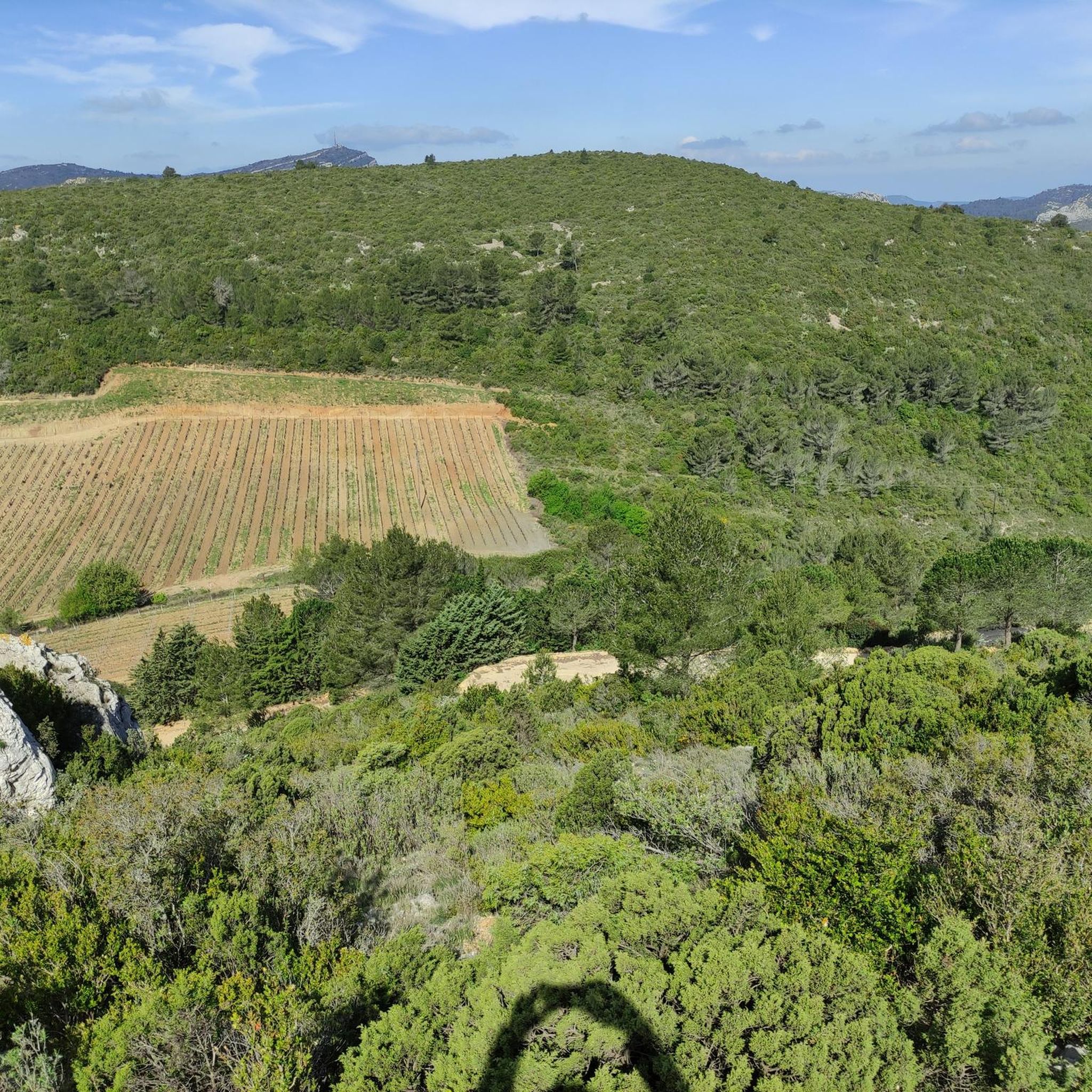
- Visitors also love Col de Pereille, a mountain pass in the Corbières massif. From Fraissé-des-Corbières, the climb is 1.3 km with an average gradient of 6.5% and 85 meters of elevation gain, offering superb views of the landscape.
- Fontjoncouse is known for its historical sites, natural features, and culinary experiences. The region offers a variety of attractions to see and explore, from ancient abbeys to scenic mountain passes.
- The attractions around Fontjoncouse are appreciated by the komoot community, with 99 upvotes and 219 photos shared by visitors.
Last updated: October 4, 2026
Sainte-Marie de Fontfroide Abbey
Highlight • Religious Site
Translated by Google •
Tip by

Château de Montséret Ruins
Highlight • Castle
Translated by Google •
Tip by

Sign up now to discover places like this
Get recommendations on the best single tracks, peaks, & plenty of other exciting outdoor places.
Durban Castle
Highlight • Castle
Showing Translation
Tip by

Vierge de la Récaoufa
Highlight • Other
Showing Translation
Tip by
Col de Pereille
Highlight • Mountain Pass
Translated by Google •
Tip by

Sign up for free to discover even more attractions around Fontjoncouse.
Already have an account?
Start today with a free account
Your next adventure awaits.
Tips from the Community

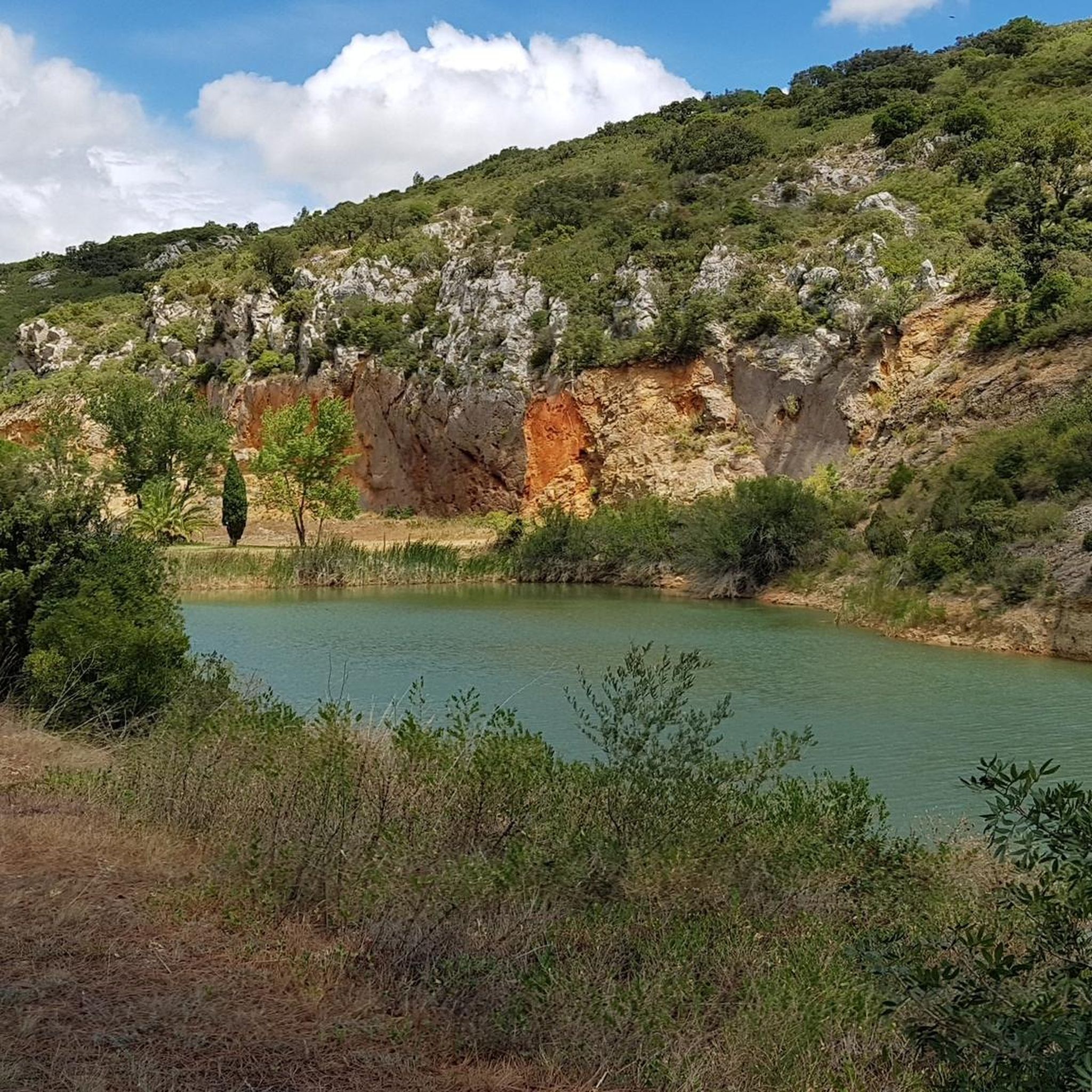
An eh. Cistercian abbey that today is completely emptied, reduced only to the Gothic architecture. Although a little peculiar, it still has a strong aura and acoustics! We experienced a large orchid exhibition.
0
0

The castle of Durban stands in ruins on a rocky outcrop overlooking the village of Durban-Corbières, in the Aude. Built in the 11th century on Roman remains for the lords of Durban, vassals of the viscounts of Narbonne, it is mentioned as early as 1018 and long reigned over the surrounding valleys. Sold in 1873 to recover its stones, then dismantled, it was only saved in 1989 when the commune acquired what remained of it.
0
0
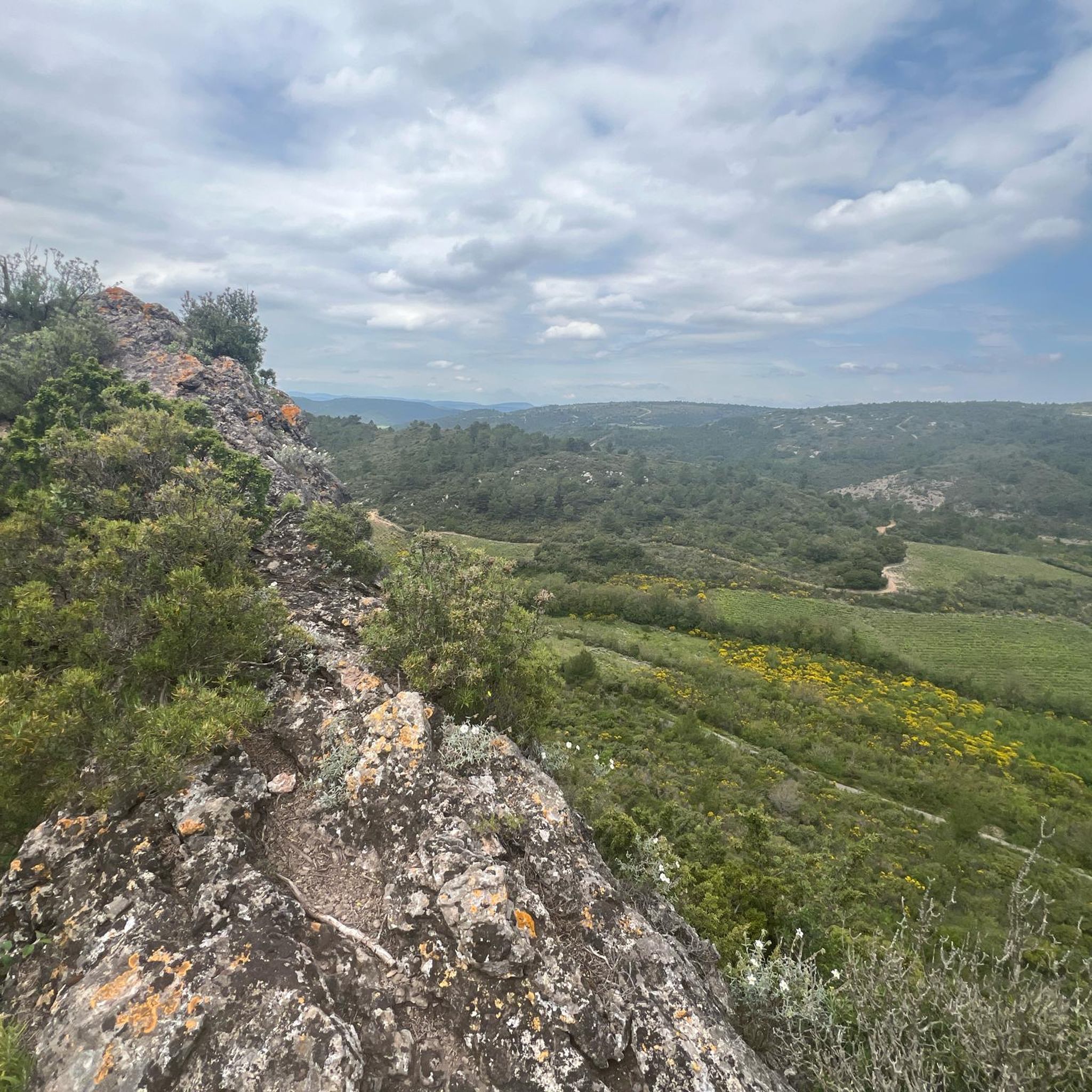
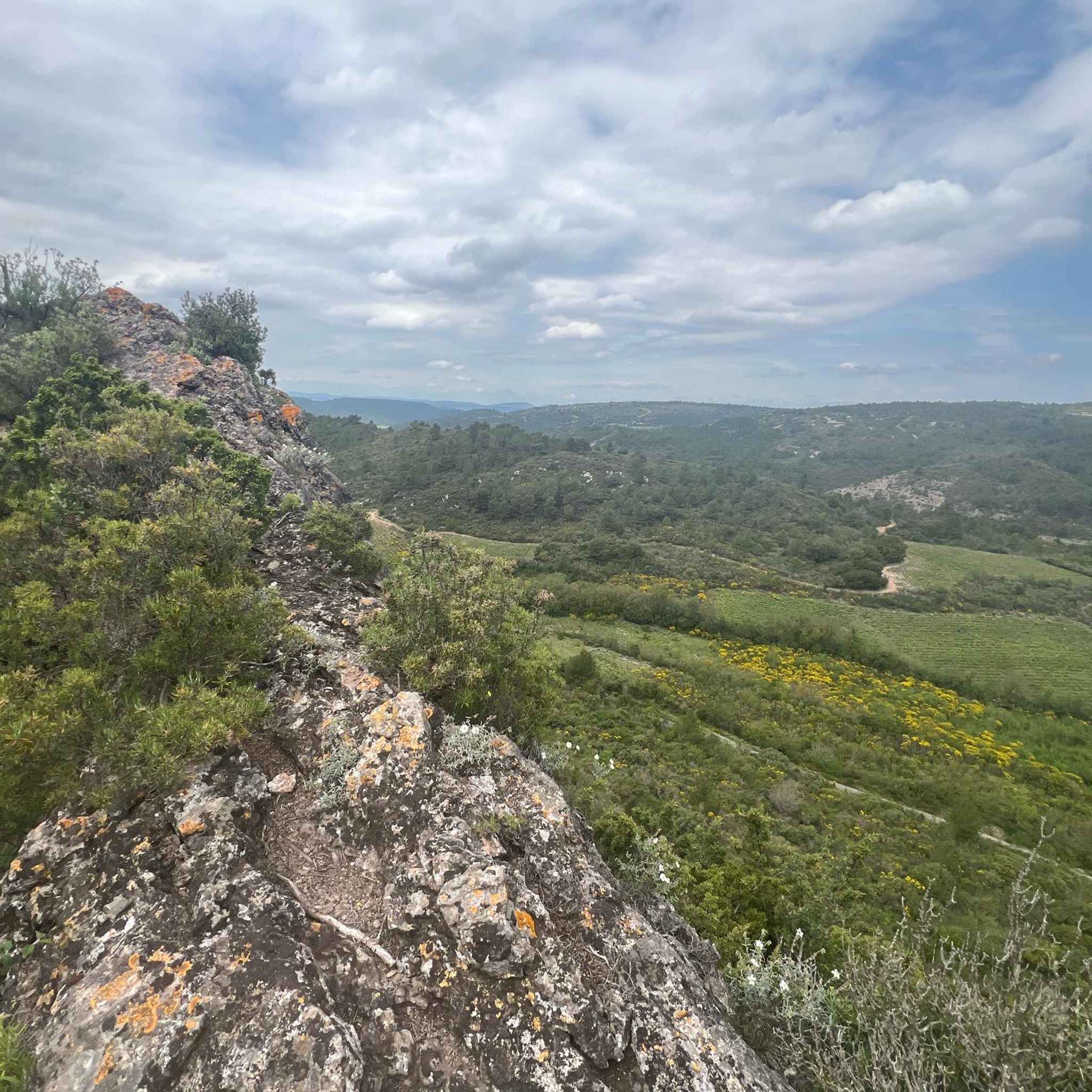
Perched on a hill overlooking Villeneuve-les-Corbières, near Tuchan, the Vierge de la Récaoufa has watched over the Corbières from its tower built around 1869, undoubtedly on an ancient pilgrimage site. Destroyed by a violent storm, the building was rebuilt in 1975 thanks to the mobilization of neighboring municipalities. The path that climbs up to it, short but steep and rocky, can be completed in about two hours for 3 kilometers and 250 meters of elevation gain. The effort is rewarded at the summit by a 360-degree panorama encompassing Mont Tauch, Mont Alaric, and the villages of Durban, Cascastel, and Villeneuve.
0
0

The Château de Montséret (also known as Château de la Bouisse or Moun Séré) is located on a rocky ridge above the village of Montséret in the Corbières. The castle was probably built in the 10th century and was an important medieval fortress with a keep and a double ring wall. It overlooked an important trade route between the Corbières and Narbonne. In the 12th and 13th centuries, it was the seat of the lords of Montséret and played a role in regional power struggles. Around 1550, the fortified village on the mountain was abandoned for unknown reasons – possibly due to a plague epidemic. The inhabitants founded the current village in the plain, and the castle fell into ruin. In the 19th century, many stones from the ruins were reused for the construction of a railway line and dry stone walls. Today, the ruins are a worthwhile destination for hikers and offer a beautiful view over the vineyards of the Corbières. The entire castle remains were classified as a historical monument in 2024 under S
0
0


Parking for motorhomes allowed until 8 p.m., overnight stays forbidden. As of April 2026 - Adult entrance fee €14 / Dogs not allowed, but there are kennels you can use. We walked a small loop around the abbey.
0
0

"In danger, in doubt, in difficulties, think of Mary, invoke Mary. Do not let her name leave your lips, never let it leave your heart. (...) Under her protection, you have nothing to fear; if she goes before you, you will not tire; if she grants you his favor, you will reach your goal." St. Bernard of Clairvaux
2
0

Frequently Asked Questions
What historical and cultural sites can I visit near Fontjoncouse?
The region around Fontjoncouse is rich in history. You can explore the impressive 12th-century Sainte-Marie de Fontfroide Abbey, known for its architecture and gardens. Medieval Lagrasse, one of France's 'Most Beautiful Villages,' is also nearby. Additionally, the area is famous for its Cathar castles, such as Château d'Aguilar, Château de Termes, and Château de Quéribus.
Where can I find scenic viewpoints or mountain passes in the Corbières massif?
For breathtaking views, visit Col de Pereille, a mountain pass offering superb landscapes. Another notable pass is Souil Pass, located at 267 meters altitude in the Corbières massif. Both are popular for cycling and provide excellent vistas of the rugged terrain.
Are there any unique scenic drives or roads to explore near Fontjoncouse?
Yes, there's an Amazing road surrounded by cliffs that offers picturesque landscapes and a sense of solitude. It's a small road where you can enjoy the natural beauty with very few cars, often accompanied only by the chirping of cicadas.
What family-friendly attractions are available around Fontjoncouse?
Families can enjoy the Sainte-Marie de Fontfroide Abbey, which is categorized as family-friendly. A popular option for all ages is the Sigean African Reserve (Réserve Africaine de Sigean), a wildlife park home to thousands of animals, located about 16 km to the east.
Are there hiking opportunities near Fontjoncouse's attractions?
Absolutely. The Corbières region offers diverse hiking trails. You can find routes like the 'Beautiful view – Narbonnaise Wind Farm loop' or the 'Cirque of Viviès loop'. For more details and specific routes, check out the Hiking around Fontjoncouse guide.
What cycling routes are available in the Fontjoncouse area?
Cyclists have several options, including road cycling and touring. Routes like the 'Feuilla Pass (250 m) – View of Étang de Laveresso loop' or the 'Col de Pereille and col du Souil from Durban-Corbières in a loop' are popular. You can find more routes in the Road Cycling Routes around Fontjoncouse and Cycling around Fontjoncouse guides.
Where can I experience local gastronomy or find local products in Fontjoncouse?
Fontjoncouse is renowned for its culinary scene, notably home to the three-Michelin-starred Auberge du Vieux Puits, led by Chef Gilles Goujon. For local products, you can visit the Miellerie de Fontjoncouse, a local honey farm offering tours and different honey varieties. For more information on the Auberge, you can visit audetourisme.com.
What is the significance of the local church and ramparts in Fontjoncouse?
Fontjoncouse features a parish church with remnants of its original ramparts, dating back to the 12th, 13th, and 14th centuries. These historical elements were inscribed as historical monuments in 1948, highlighting the village's long and rich past.
Are there any lesser-known natural spots or 'hidden gems' worth discovering?
Beyond the well-known sites, the Corbières region itself is a natural gem with rugged beauty and vineyards. Consider exploring the Forêt de Fontfroide, the dramatic Gorges de l'Orbieu, or the Gorges de Galamus for stunning natural landscapes and a sense of discovery.
What larger towns or cities are easily accessible for a day trip from Fontjoncouse?
Narbonne, approximately 23 km away, offers various attractions along its canal and around its cathedral. For a major historical experience, the medieval fortified city of Carcassonne, a UNESCO World Heritage site, is about 39 km away and makes for an excellent day trip.
When is the best time of year to visit Fontjoncouse and its surrounding attractions?
The Corbières region generally enjoys a Mediterranean climate. Spring and autumn offer pleasant temperatures for exploring historical sites and engaging in outdoor activities like hiking and cycling. Summers can be hot, which is ideal for enjoying the coast or water-based activities, but can be warm for strenuous hikes.
What do visitors enjoy most about the attractions around Fontjoncouse?
Visitors particularly appreciate the blend of historical depth and natural beauty. The Sainte-Marie de Fontfroide Abbey is praised for its impressive architecture and the beautiful landscapes encountered on the path to the mountain with the cross. The scenic mountain passes like Col de Pereille are loved for their superb views.
Can I find local villages with unique character near Fontjoncouse?
Yes, Cascastel-des-Corbières is a beautiful typical village known for its wine production and offers local restaurants. Lagrasse, mentioned earlier, is also celebrated for its romantic atmosphere and artisan community, making it a charming village to visit.

Get inspired with the komoot mobile app


Explore more
Still not found the Highlight you’re looking for? See guides of the top attractions in other regions:
