Attractions and Places To See around Ibarrolle - Top 20
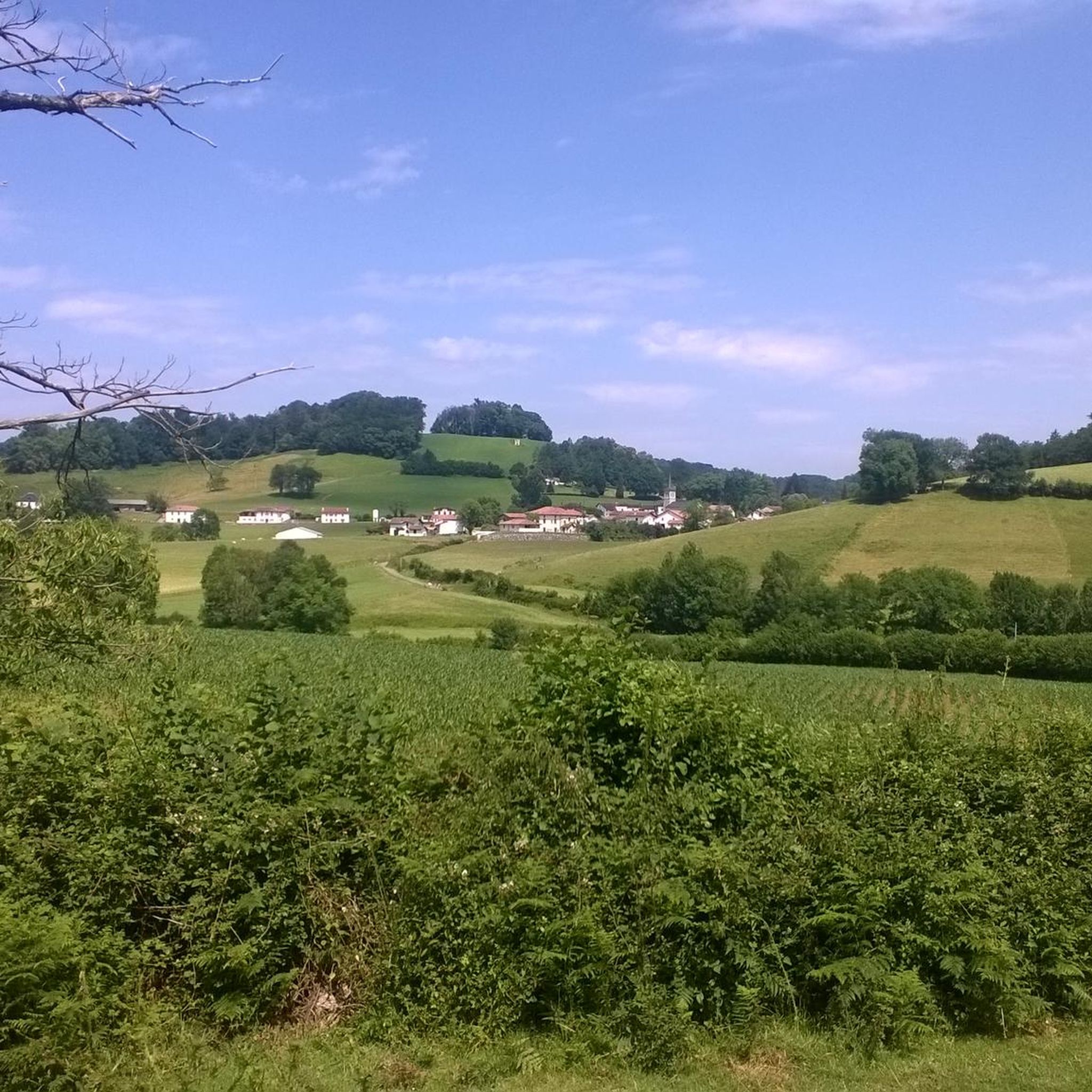
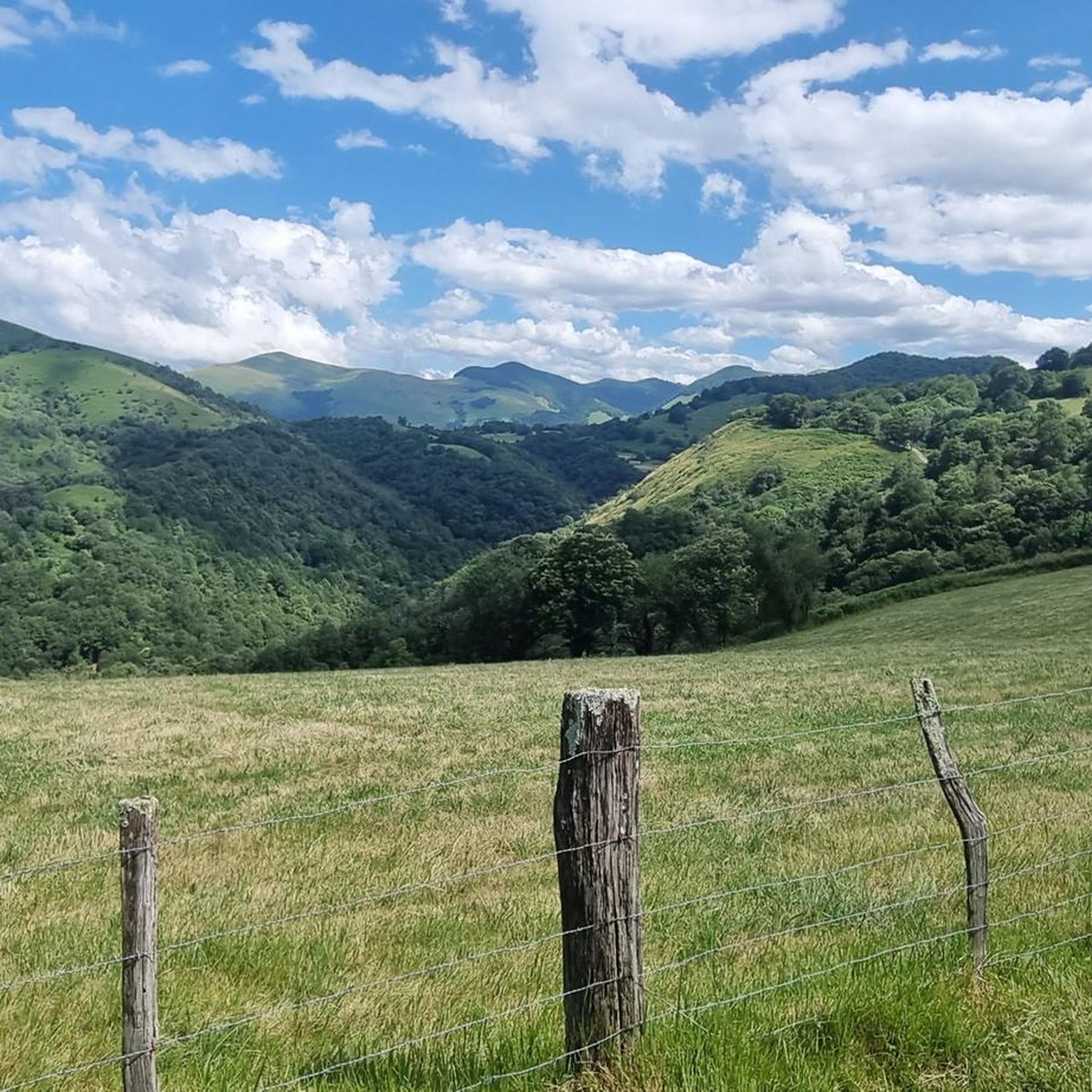
Best attractions and places to see around Ibarrolle include its traditional Basque atmosphere and historical elements. This commune is located in the Pyrénées-Atlantiques department, within the Nouvelle-Aquitaine region of southwestern France. Nestled in the heart of the French Basque Country, the village is characterized by green hills and valleys. The area offers a quiet way of life, deeply influenced by its Basque heritage.
Best attractions and places to see around Ibarrolle
- The most popular attractions is Chapelle de Soyarza,…
Last updated: July 7, 2026
Ostabat
Highlight • Settlement
Shortly …
Translated by Google •
Tip by

Galtzetaburu
Highlight • Other
GALZADABURUA
CHUBEROTIK LAPURDI
HEMEN BINDE ERDI
There are several of these wayside crosses from the 18th century. The best known is at Uhart-Mixe.
It is a …
Translated by Google •
Tip by
Sign up now to discover places like this
Get recommendations on the best single tracks, peaks, & plenty of other exciting outdoor places.
Sign up for free
Saint-Jean-le-Vieux
Highlight • Other
Translated by Google •
Tip by

Chapelle de Soyarza
Highlight • Religious Site
Translated by Google •
Tip by
Saint-Pierre d'Usakoa Church
Highlight • Religious Site
You definitely have to see the church …
Translated by Google •
Tip by
Sign up for free to discover even more attractions around Ibarrolle.
Sign up for free
Already have an account?
Start today with a free account
Your next adventure awaits.
Login or Signup
Tips from the Community

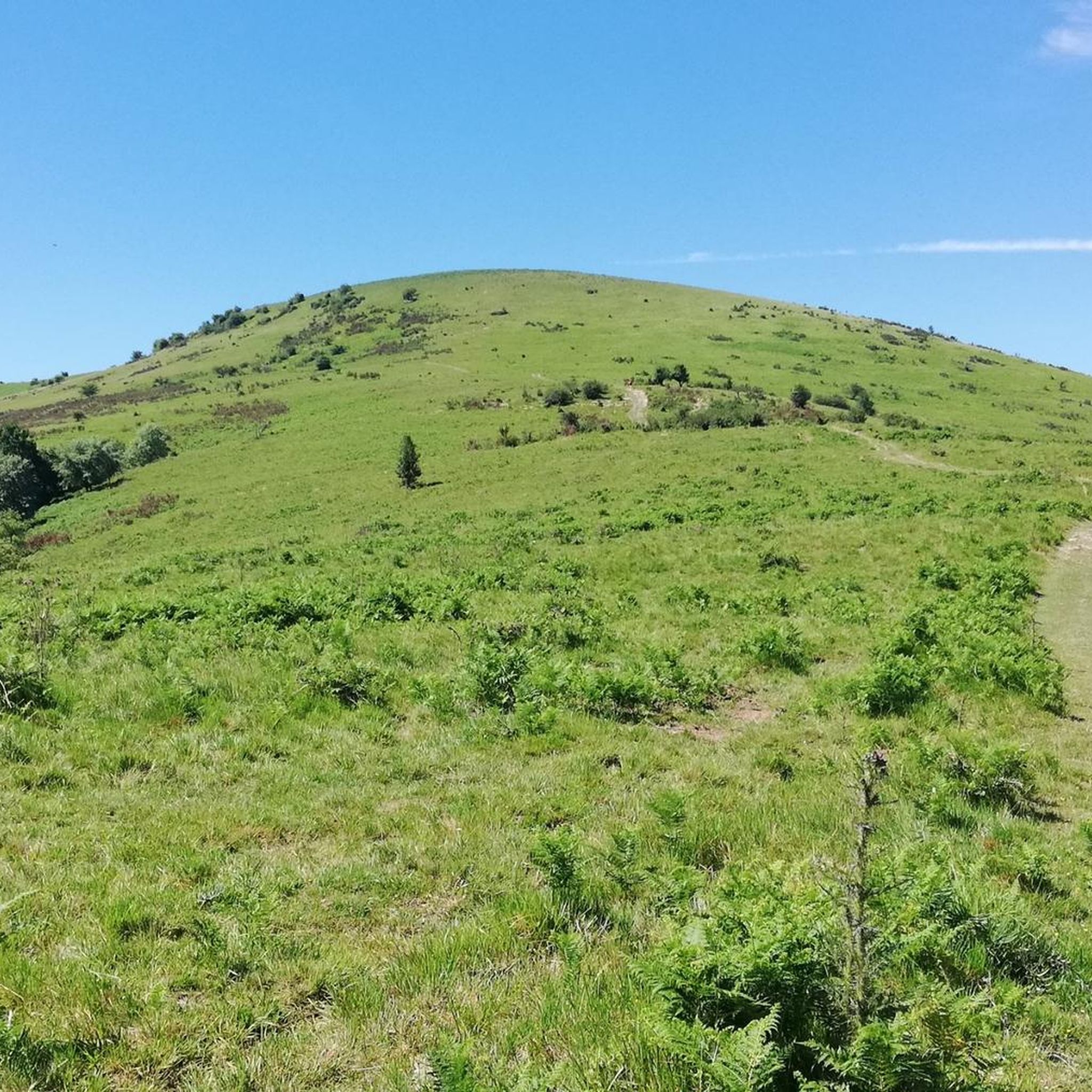
beautiful view, there is water and, if necessary, a rainproof place (for a maximum of 2 people), it is on the Way of St. James and you often meet other hikers or cyclists
0
0


It is a typical small village in Iparralde, right next to the main town Sant-Jean-Pied-Port-de-Port. There is nothing special about it, but if you pass by it, you should enjoy it. There is a nice fountain in the centre of the village.
1
0


The village of Saint-Jean-le-Vieux is nestled at the foot of the Pyrenees in the heart of the Basque Country. The surrounding hills are dotted with protohistoric remains that bear witness to a rich history. The Roman Empire had positioned one of its most important garrisons there, contributing to the development of the village.
1
0

Once again we have reached a milestone on the "Via Podiensis", our pilgrimage route to St. James (Chemin de Saint Jacques) through France; and here in Ostabat, too, our small group of pilgrims is impressed by the beautiful atmosphere of the place. But we still have to move on the next morning... still the short way to Saint-Jean Pied-de-Port, and then - after crossing the Pyrenees - further on the "Camino Frances" through northern Spain to the tomb of the Apostle in Santiago de Compostela, Galicia.
9
1
“Each of these crosses can tell its own story and what motivated people to build “their” cross on this spot. (...) These crosses were erected as visible signs and attract the attention of many people. The cross is a symbol of life. It stands as a sign of our Christian hope and wants to direct our gaze to Jesus Christ, who conquered death (…). The cross is part of our lives, just as it was part of the life of Jesus. So I hope that many people ... visit the crosses, whether as places of silence and taking a breath before God, whether as places of community gathering, prayer and praise of God. (Text source: Dean Rainald M. Ollig in: “Wayside Crosses. Small sacred monuments as signs of popular piety”)
9
1

The inscription is legible: GALZADABURUA CHUBEROTIK LAPURDI HEMEN BINDE ERDI There are several of these wayside crosses from the 18th century. The best known is at Uhart-Mixe. It is a specific form of representation of the crucified Christ (in a non-narrative context)
11
0
Frequently Asked Questions
What historical and cultural sites can I explore near Ibarrolle?
Ibarrolle and its surroundings are rich in history. You can visit the 17th-century Etxepare Farmhouse in Ibarrolle, a protected historical monument. Nearby, Ostabat is a settlement known for its historical role on the Camino de Santiago pilgrimage route. Another significant site is Saint-Jean-le-Vieux, a village with protohistoric remains and a past as an important Roman garrison. Further afield, the fortified town of Saint-Jean-Pied-de-Port offers medieval charm and is a UNESCO World Heritage site.
Where can I find the best panoramic views around Ibarrolle?
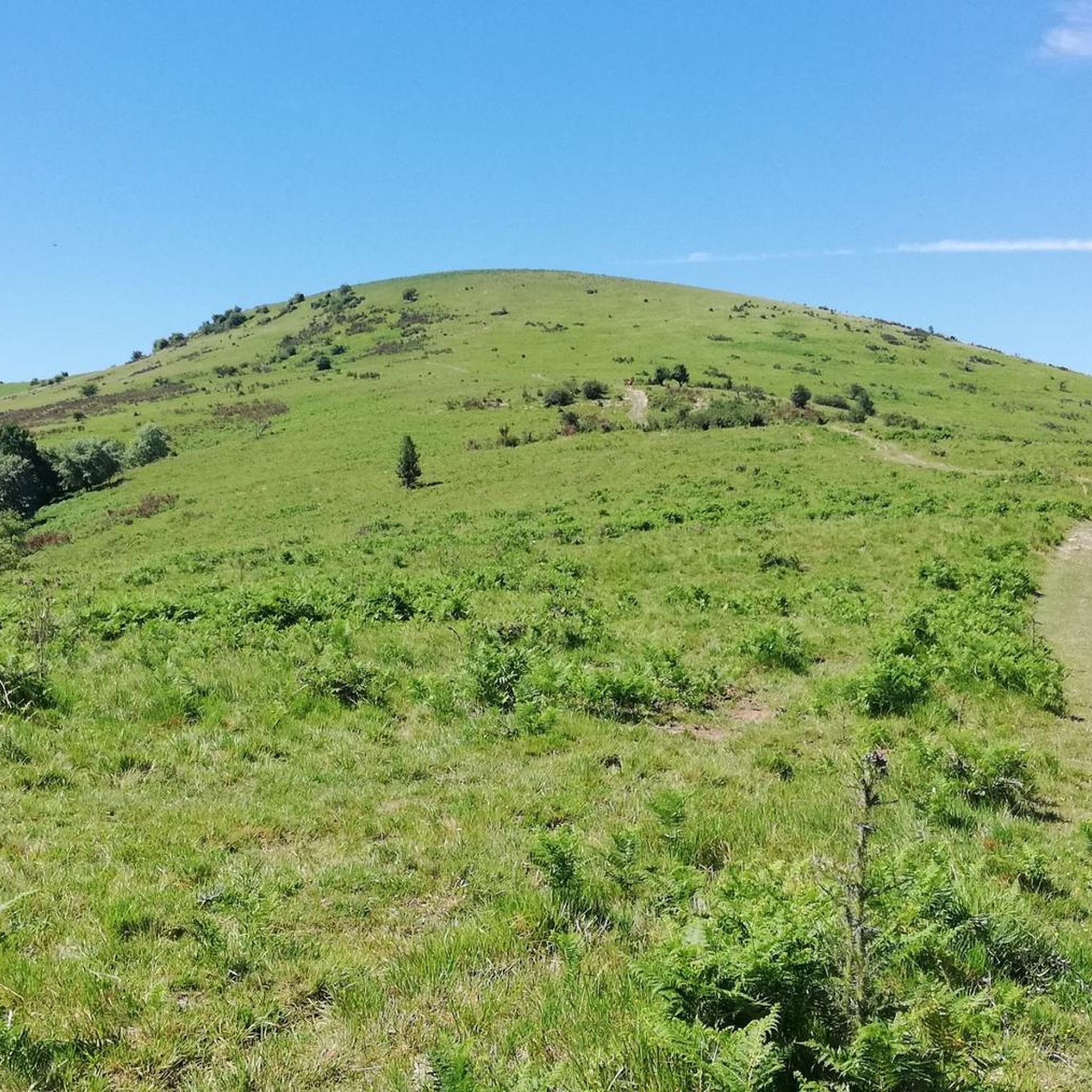
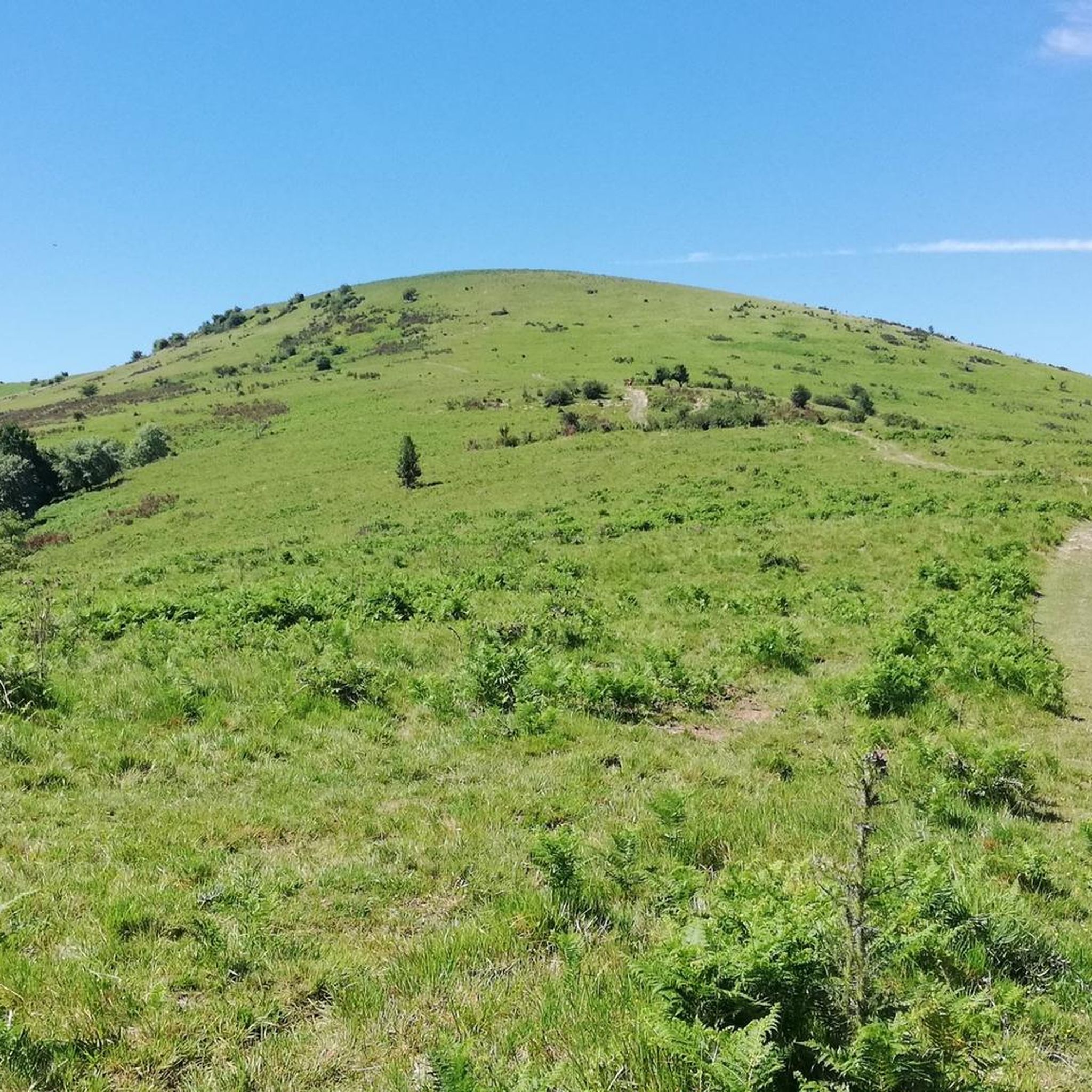
For breathtaking panoramic views, head to Chapelle de Soyarza. Located at an altitude of 290 m, it offers a perfect 360° view of the Pyrenees, rewarding visitors after a steep ascent.
Are there any traditional Basque villages worth visiting close to Ibarrolle?
Yes, several charming Basque villages are within easy reach. Ostabat, with its beautiful old streets, is a must-see. The fortified town of Saint-Jean-Pied-de-Port, about 12 km away, is recognized as one of France's 'Most Beautiful Villages'. Other picturesque options include La Bastide-Clairence, Espelette (famous for its chili peppers), and Ainhoa, all offering a glimpse into traditional Basque life.
What outdoor activities can I do near Ibarrolle?
The region around Ibarrolle is ideal for outdoor enthusiasts. You can explore numerous trails for hiking, running, and road cycling. For detailed routes, check out the guides for Hiking around Ibarrolle, Running Trails around Ibarrolle, and Road Cycling Routes around Ibarrolle. Natural attractions like the Iraty Forest, Gorges d'Holzarté, and Gorges de Kakouetta also offer dramatic landscapes for exploration.
Are there family-friendly attractions or activities in the Ibarrolle area?
While specific 'family-friendly' labels aren't always present, many of the natural and cultural sites can be enjoyed by families. Exploring the traditional Basque villages like Saint-Jean-Pied-de-Port or Espelette, or taking an easy hike on one of the many trails, can be great family activities. The picturesque green hills and valleys surrounding Ibarrolle also offer pleasant environments for walks and picnics.
What natural features can I explore in and around Ibarrolle?
Ibarrolle is nestled amidst green hills and valleys, offering a picturesque natural setting. The Laminosin stream flows through a valley in the village, originating from the 'gouffre des laminak'. Further afield, you can discover the vast Iraty Forest, Europe's largest beech forest, and dramatic natural wonders like the Gorges d'Holzarté and the Gorges de Kakouetta, which are perfect for hiking and experiencing the region's rugged beauty.
Can I find easy hiking trails suitable for beginners near Ibarrolle?
Yes, there are hiking options for various skill levels. For example, the 'Château d'Apat loop from Bussunarits' is an easy 6.4 km hike. You can find more details and other routes in the Hiking around Ibarrolle guide, which lists trails with varying difficulties.
What is the significance of Galtzetaburu near Ibarrolle?
Galtzetaburu is a point of interest featuring unique 18th-century wayside crosses. These crosses are specific representations of the crucified Christ in a non-narrative context and are considered significant cultural and religious monuments in the region, reflecting popular piety.
How can I experience the Camino de Santiago pilgrimage route near Ibarrolle?
Ibarrolle is close to a significant section of the Camino de Santiago. The village of Ostabat was historically an important stage on the pilgrimage to Saint-Jacques-de-Compostelle, capable of accommodating thousands of pilgrims daily in the 14th century. The GR65 trail, part of the Camino, leads directly through this area, including past the Chapelle de Soyarza.
What is the best time of year to visit Ibarrolle for outdoor activities?
The Pyrénées-Atlantiques department, where Ibarrolle is located, generally experiences mild weather. Spring and autumn are often ideal for outdoor activities like hiking and cycling, with pleasant temperatures and beautiful scenery. Summer can also be enjoyable, though it can be warmer. Winter offers a different charm, but some higher-altitude trails might be less accessible.
Are there any unique architectural sites in Ibarrolle itself?
Within Ibarrolle, the Etxepare Farmhouse (Maison Basque dite la salle d'Etchepare) stands out. This 17th-century Basque house is a protected historical monument, notable for its traditional architecture and armorial bearings displayed on its door keystone, offering a glimpse into the region's past.
What do visitors particularly enjoy about the attractions around Ibarrolle?
Visitors appreciate the blend of historical significance and natural beauty. The traditional Basque atmosphere, the stunning 360° views from places like Chapelle de Soyarza, and the rich history embedded in villages like Ostabat are frequently highlighted. The komoot community has shared 18 photos and given 54 upvotes to the attractions, indicating a strong positive reception for the area's charm and scenic appeal.
Are there any specific churches or religious buildings of interest near Ibarrolle?
Yes, several religious buildings are notable. The Chapelle de Soyarza is a significant religious building offering panoramic views. In Saint-Jean-le-Vieux, you can visit the Saint-Pierre d'Usakoa Church, known for its unique double-story galleries and beautifully vaulted ceilings. These sites reflect the deep-rooted religious heritage of the Basque Country.
Most popular attractions around Ibarrolle

Get inspired with the komoot mobile app


Explore more
Still not found the Highlight you’re looking for? See guides of the top attractions in other regions:
