The best road cycling routes around Larceveau-Arros-Cibits
4.3
(48)
1,379
riders
44
rides
Road cycling routes around Larceveau-Arros-Cibits traverse the diverse topography of the French Basque Country, offering varied terrain for cyclists. The region features verdant mountains, scenic valleys, and preserved natural environments. Cyclists encounter mostly paved surfaces, with routes ranging from gentle gradients along rivers to challenging ascents over mountain passes. The landscape is characterized by dense forests, traditional Basque villages, and the presence of the River Bidouze.
Best road cycling routes around Larceveau-Arros-Cibits
- The most popular road cycling route is Saint-Jean-Pied-de-Port…
Last updated: October 21, 2026
22
riders
167km
09:16
3,440m
3,450m
Hard road ride. Very good fitness required. Mostly well-paved surfaces and easy to ride.
14
riders
45.4km
02:38
850m
850m
Moderate road ride. Good fitness required. Mostly well-paved surfaces and easy to ride.

31
riders
52.8km
02:52
920m
920m
Hard road ride. Very good fitness required. Mostly well-paved surfaces and easy to ride.
9
riders
68.3km
04:32
1,560m
1,570m
Hard road ride. Very good fitness required. Some segments of this route may be unpaved and difficult to ride.
16
riders
184km
10:16
3,840m
3,840m
Hard road ride. Very good fitness required. Some segments of this route may be unpaved and difficult to ride.
Get access to more routes and recommendations from other explorers.
Already have an account?
Our route recommendations are based on thousands of hikes, rides, and runs completed by other people on komoot.
Start today with a free account
Your next adventure awaits.
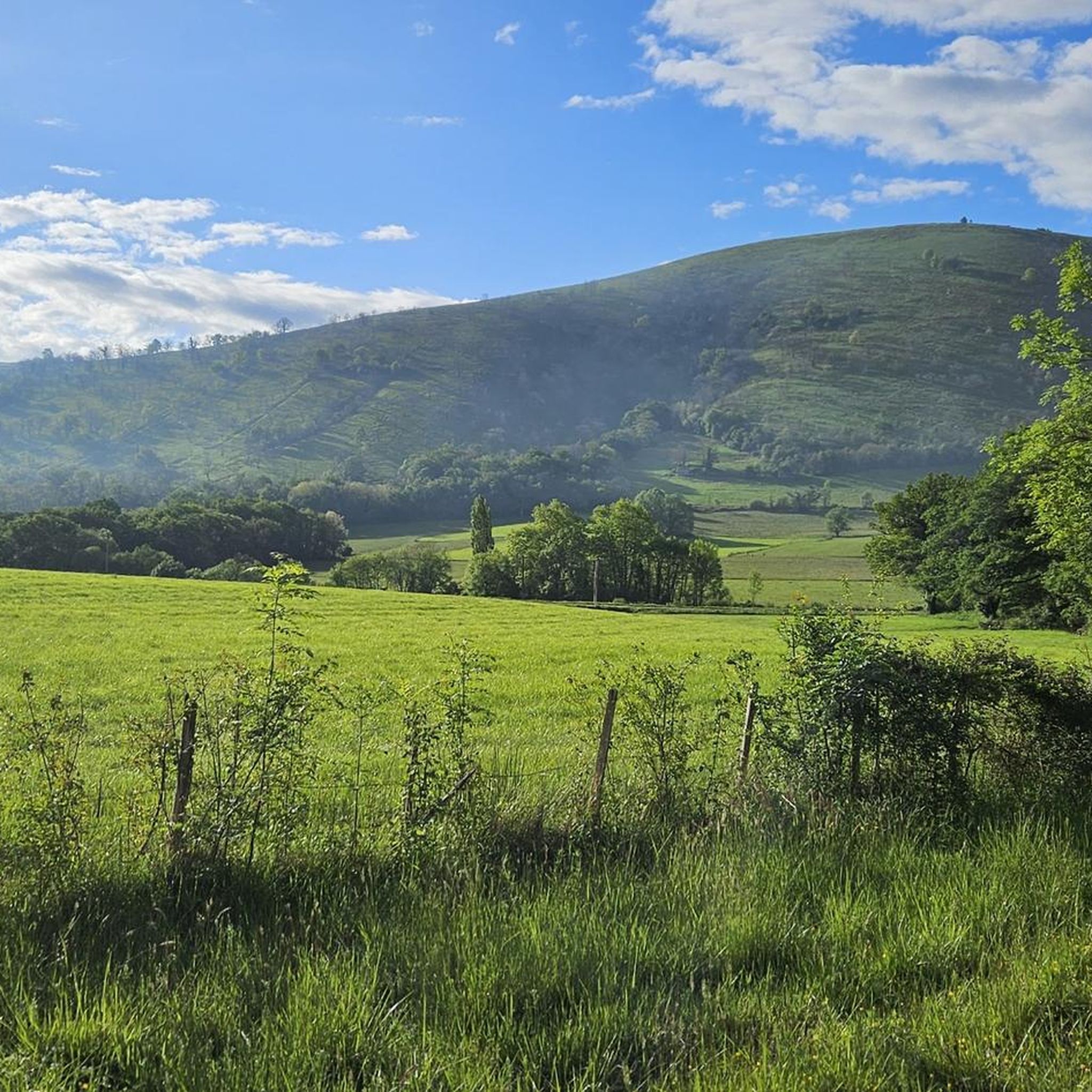
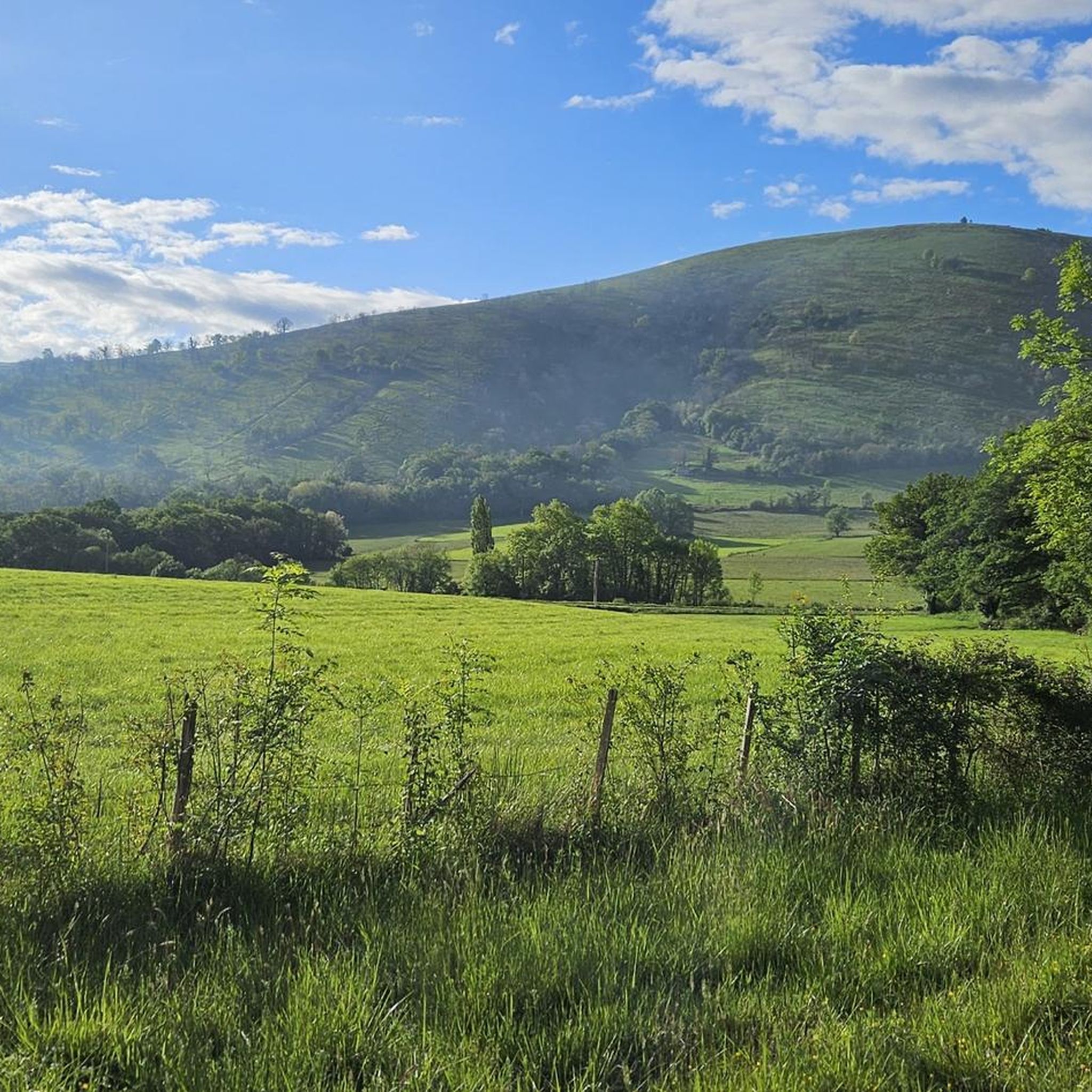
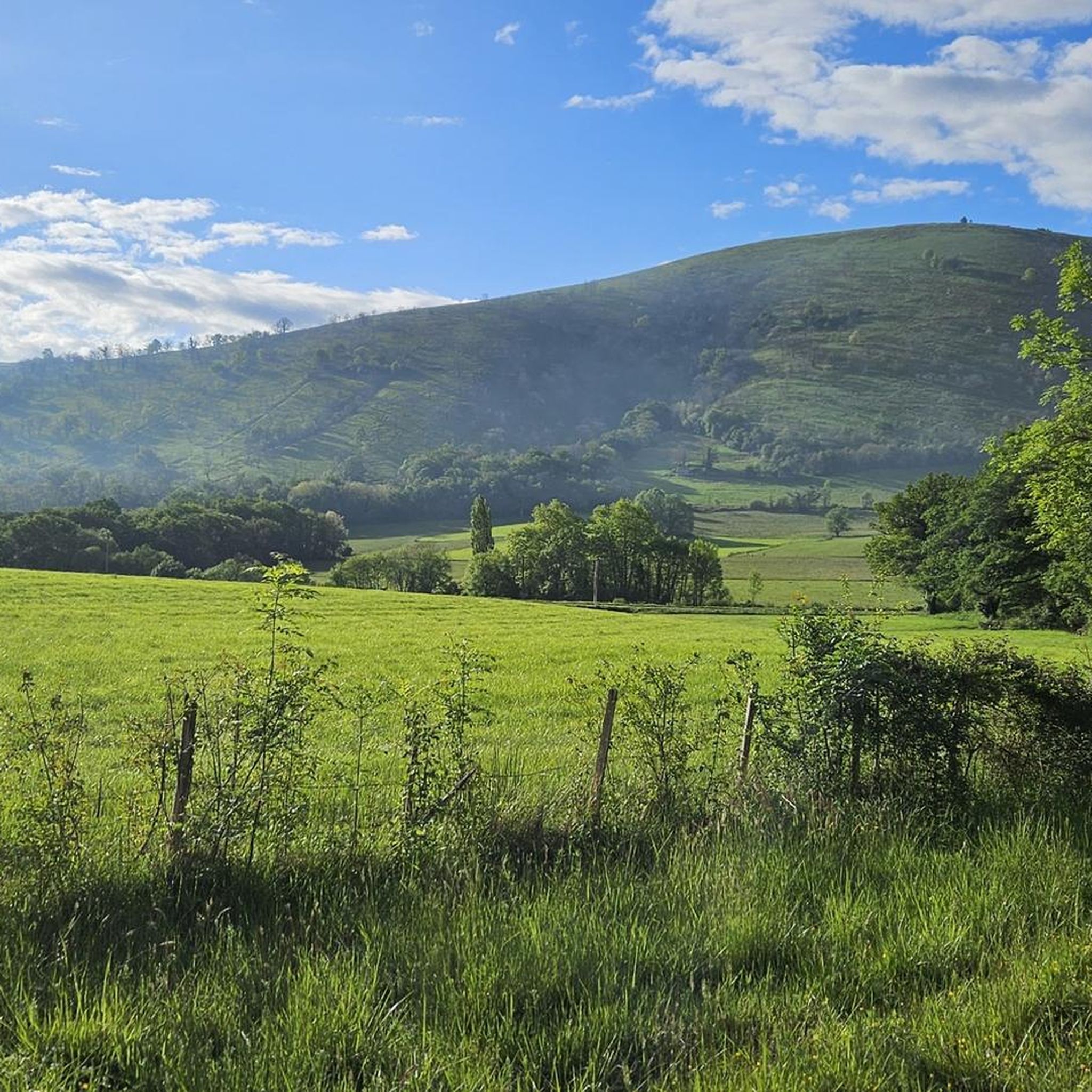

Tips from the Community

Immediately after passing the Sain Jaques city gate, the path leads downhill on this busy medieval street. The section of the Camino de Santiago, always bustling with numerous pilgrims, is lined with pilgrim hostels and massive sandstone houses with colorful doors and shutters.
1
0


Passage over a mountain pass of little interest, but if you have the opportunity to take the path leading to the chapel, then it's worth the detour!
0
0

I recommend the picnic area by the river
0
0
Beautiful town with many bars, restaurants, grocery stores and supermarkets for a pleasant break. It is worth stopping to visit the heart
0
0

Reaching Roncesvalles meant the luxury of sleeping in a real bed at the famous pilgrim hostel (albergue de peregrinos). Marking the end of the legendary first stage of the Camino Francés from Saint-Jean-Pied-de-Port into Spain, this impressive, well-organized facility is wonderfully run by Dutch volunteers. Since there is no grocery store in Roncesvalles itself, a necessary 5 km round-trip walk was required to stock up, loading down my backpack with enough supplies for 5 breakfasts, 7 lunches, and 5 dinners for the demanding days ahead.
2
0
At the foot of the Pyrenees on the Spanish side of the border, Roncesvalles is one of the most iconic and historic stops on the entire Camino de Santiago. Famous for its magnificent 13th-century Royal Colegiata of Saint Mary, this small hamlet has welcomed weary pilgrims and hikers for centuries after their demanding trek over the mountain pass from Saint-Jean-Pied-de-Port. Beyond its rich medieval history and legendary link to the Song of Roland, Roncesvalles offers essential comforts for travelers today, including pilgrim hostels, warm meals, and a deeply atmospheric sanctuary where you can rest, reflect, and prepare for the road ahead.
2
0

Orreaga-Roncesvalles preserves the memory of heroic songs, ancient paths, and exhausted pilgrims on the way to Compostela. Kings who built hospitals, churches, monasteries, and chapels, innkeepers for whom welcoming strangers was and is sacred, and the love for their Holy Virgin, their brotherhood, and their pilgrims and their many crosses. Since the 10th century, Roncesvalles has been a place where pilgrims on the Camino de Santiago to Santiago de Compostela can rest after their arduous ascent. Santa María de Roncesvalles is above all a place for spirituality and pilgrimage. Pilgrim masses, pilgrimages, Brotherhood of Nuestra Señora. At the 1057m high Puerto Roncesvalles pass, Augustinians founded the Colegiata de Roncesvalles abbey in 1130. As early as 778, a battle took place here between the Franks under Charlemagne and the Basques. The warrior Roland was killed, and the Song of Roland was created.
0
0
Frequently Asked Questions
How many road cycling routes are available in Larceveau-Arros-Cibits?
There are nearly 50 road cycling routes in the Larceveau-Arros-Cibits area. These routes cater to various skill levels, with 1 easy, 25 moderate, and 21 difficult options to explore.
What kind of terrain can I expect on road cycling routes in Larceveau-Arros-Cibits?
The region offers a diverse landscape, from valley bottoms and scenic 'balcony' sections to rolling hills and Pyrenean foothills. You'll encounter mostly paved surfaces, with routes ranging from gentle gradients along rivers to challenging ascents over mountain passes like the Col d'Osquich, known for its 8% gradients.
Are there any challenging road cycling routes for experienced riders?
Yes, experienced riders will find several challenging routes. For instance, the Saint-Jean-Pied-de-Port – Ispéguy Pass loop from Ostabat is a difficult 81 km route with significant elevation gain, including the Ispéguy Pass. Another demanding option is the Estérençuby – Larrau Pass loop from Saint-Just, which covers 183 km with over 3,800 meters of elevation gain.
What are some moderate road cycling routes in the area?
For a moderate challenge, consider the Mauléon-Licharre – Col d'Osquich loop from Saint-Just, a 42 km route with 771 meters of elevation. Another popular moderate choice is the Col d'Osquich – Osquich Pass loop from Gamarthe, spanning 52 km and offering panoramic views of the Basque Country.
What landmarks or natural features can I see while cycling in Larceveau-Arros-Cibits?
The routes often provide stunning views of the Basque Mountains and the majestic Pyrenees. You might pass through traditional Basque villages and encounter historical sites. Notable attractions nearby include the village of Ostabat, the ancient Gibraltar Stele, and the charming Saint-Jean-le-Vieux.
What do other cyclists say about road cycling in Larceveau-Arros-Cibits?
The road cycling routes in Larceveau-Arros-Cibits are highly rated by the komoot community, with an average score of 4.3 stars from over 20 reviews. Cyclists often praise the varied terrain, the challenging mountain passes, and the charm of the traditional Basque villages encountered along the way.
Are there any family-friendly road cycling options in the region?
While many routes feature significant elevation, the broader Basque Country offers gentler rides. The Pyrenean Piedmont Plain Véloroute (V81) and the Baïse Valley cycle route (V82) provide peaceful roads through hills and valleys, suitable for cycle tourists and families looking for a less strenuous experience.
What is the best time of year for road cycling in Larceveau-Arros-Cibits?
The region is generally pleasant for cycling from spring through autumn. Spring brings lush greenery and moderate temperatures, while autumn offers cooler weather and beautiful fall foliage. Summer can be warm, especially on climbs, so early morning rides are often preferred during this season.
Is it possible to find circular road cycling routes?
Yes, many of the routes in Larceveau-Arros-Cibits are designed as loops, allowing you to start and finish in the same location. Examples include the Mauléon-Licharre – Col d'Osquich loop from Saint-Just and the Saint-Jean-Pied-de-Port – Ispéguy Pass loop from Ostabat.
Are there places to eat or stay for cyclists in Larceveau-Arros-Cibits?
Larceveau-Arros-Cibits and its surrounding villages offer various options for refreshments and accommodation. You'll find local cafes, restaurants, and guesthouses that cater to visitors, providing opportunities to experience local Basque cuisine and hospitality after your ride.
How accessible is Larceveau-Arros-Cibits by public transport for cyclists?
While public transport options directly to Larceveau-Arros-Cibits might be limited, the region is part of the Pyrénées-Atlantiques department, which has a regional transport network. For detailed information on bus services that may accommodate bicycles or connect to nearby towns, it's advisable to check local transport schedules or consult the official tourism website for the Basque Country.
Are there any specific permits required for road cycling in this area?
Generally, no specific permits are required for road cycling on public roads in the Larceveau-Arros-Cibits area. However, always respect local traffic laws and any signage indicating restricted access or private property.
Most popular routes around Larceveau-Arros-Cibits
Most popular attractions around Larceveau-Arros-Cibits

Get inspired with the komoot mobile app


Explore more
Browse the best Road cycling routes in other regions.
