Attractions and Places To See around Gorze - Top 20
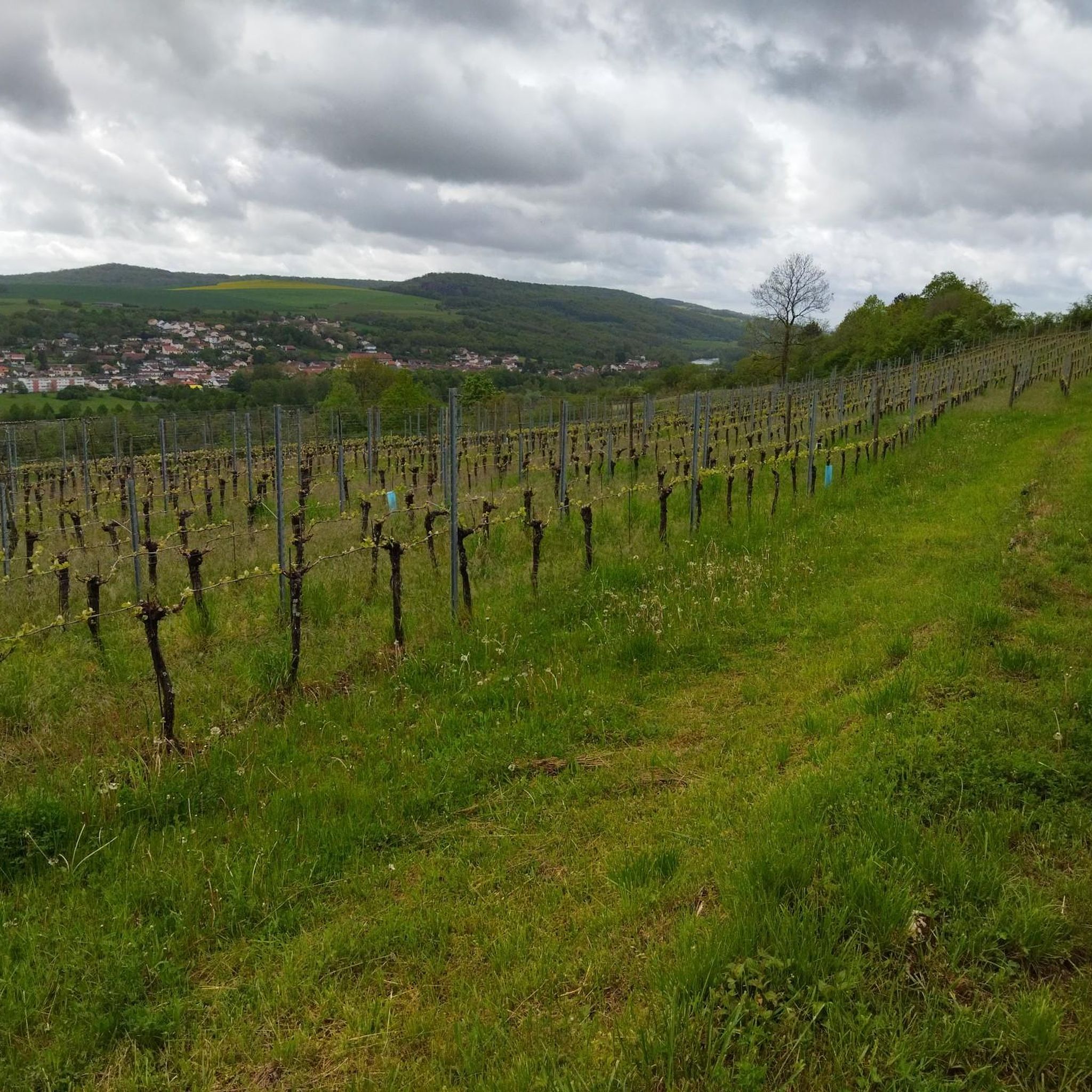
Best attractions and places to see around Gorze include historical landmarks, cultural sites, and natural features within the Moselle department of the Lorraine region in France. The area is situated in the Gorzia Valley, with wooded paths leading to higher elevations that offer views of the Moselle valley. Gorze's history dates back to the Carolingian era, making it a destination for exploring historical and natural points of interest.
Best attractions and places to see around Gorze
- The most popular attractions is La Croix Saint Clément, a monument dedicated to Saint-Clément, the first bishop of Metz. This cross was erected in memory of the bishop at the place where he is believed to have first seen the city.
- Another must-see spot is Gorze–Metz Roman Aqueduct (Jouy-aux-Arches), a man-made monument and historical site. This impressive aqueduct, completed in the 1st century, transported drinking water to Metz and features 16 preserved arches today.
- Visitors also love Along the Moselle, a route for cycling and walking. The track next to the Moselle is suitable for road biking and offers tranquil scenery.
- Gorze is known for its historical sites, man-made monuments, and scenic routes along the Moselle. The region offers a variety of attractions to see and explore, from ancient Roman engineering to historical markers.
- The attractions around Gorze are appreciated by the komoot community, with more than 570 upvotes and over 180 photos shared by visitors.
Last updated: June 18, 2026
Gorze–Metz Roman Aqueduct (Jouy-aux-Arches)
Highlight • Monument
All boards are in French, English and German.
Translated by Google •
Tip by

Along the Moselle
Highlight • Other
Translated by Google •
Tip by

Sign up now to discover places like this
Get recommendations on the best single tracks, peaks, & plenty of other exciting outdoor places.
Sign up for free
La Croix Saint Clément
Highlight • Other
Translated by Google •
Tip by

Fort Saint-Quentin
Highlight (Segment) • Historical Site
The fortified group of forts known as Saint-Quentin belongs to the first fortified belt of Metz designed during Second French Empire by Napoléon III. The first fortified belt consists of Fort Saint-Privat (1870), Fort de Queuleu (1867), Fort des Bordes (1870), Fort de Saint-Julien (1867), Fort Gambetta, Déroulède, Fort Decaen, Fort de Plappeville (1867) and St. Quentin (1867), most of them unfinished or in skeletal form in 1870, when the Franco-Prussian War began. During the annexation, Metz oscillate between a German garrison of 15,000 and 20,000 men at the beginning of the period[1] and will exceed 25,000 men just before the First World War,[2] gradually becoming the premier stronghold of the German Reich.
Tip by

Prény Castle
Highlight • Castle
Translated by Google •
Tip by

Sign up for free to discover even more attractions around Gorze.
Sign up for free
Already have an account?
Start today with a free account
Your next adventure awaits.
Login or Signup

Tips from the Community

The nature is exceptional, it is dotted with ponds with their small chalets
0
0

Each of these crosses that the biker encounters in the villages or in the fields is a sign of remembrance of the crucifixion, but also of the resurrection of Jesus Christ. "Here on earth there is His memory, but in the kingdom of heaven there is His presence: this presence is the joy of those who have already reached salvation. The memory is our consolation, as we are still wanderers, traveling towards our homeland." (Bernard of Clairvaux)
0
0

Amazing islands of nature in the middle of a very anthropized area.
1
0

Beautiful Roman aqueduct on the edge of the cycle path towards Metz.
6
0
The aqueduct connecting Gorze to Metz is a Roman aqueduct built at the beginning of the second century. Divodurum (Metz) is the capital of the Mediomatris, at the crossroads of the south-north and east-west axes, i.e. on the Roman roads from Lyon to Trier and from Reims to Strasbourg. The city, which had about 20,000 inhabitants in the second century, needed a supply of spring water to supply the fountains, the three Roman baths, the public latrines and the craftsmen. The exact distribution points are not known because no trace remains (Wikipedia).
4
0
The aqueduct connecting Gorze to Metz is a Roman aqueduct built at the beginning of the second century (Wikipedia).
5
0

Symbolic fortress of the Dukes of Lorraine, the name of this castle has become the war cry of the princes "Prény! Prény!". Dominating the Moselle valley from its spur, the castle benefits from a large enclosure around the lower courtyard in which the village developed and the eastern small, isolated from the village by a large ditch, and which constitutes the largest part. strongest on the site. This place constitutes one of the northern locks of the Dukes of Lorraine, in a region largely held by the Counts of Bar who particularly enjoy the neighboring castle of Mousson. Undoubtedly built in the 12th century to guard the abbey of Sainte-Marie-aux-Bois, the Dukes of Lorraine remain attorneys of this religious establishment. The warmand keep or tower constitutes the most impressive element of this castle with its pentagonal shape, its thick walls and its great height.
1
0

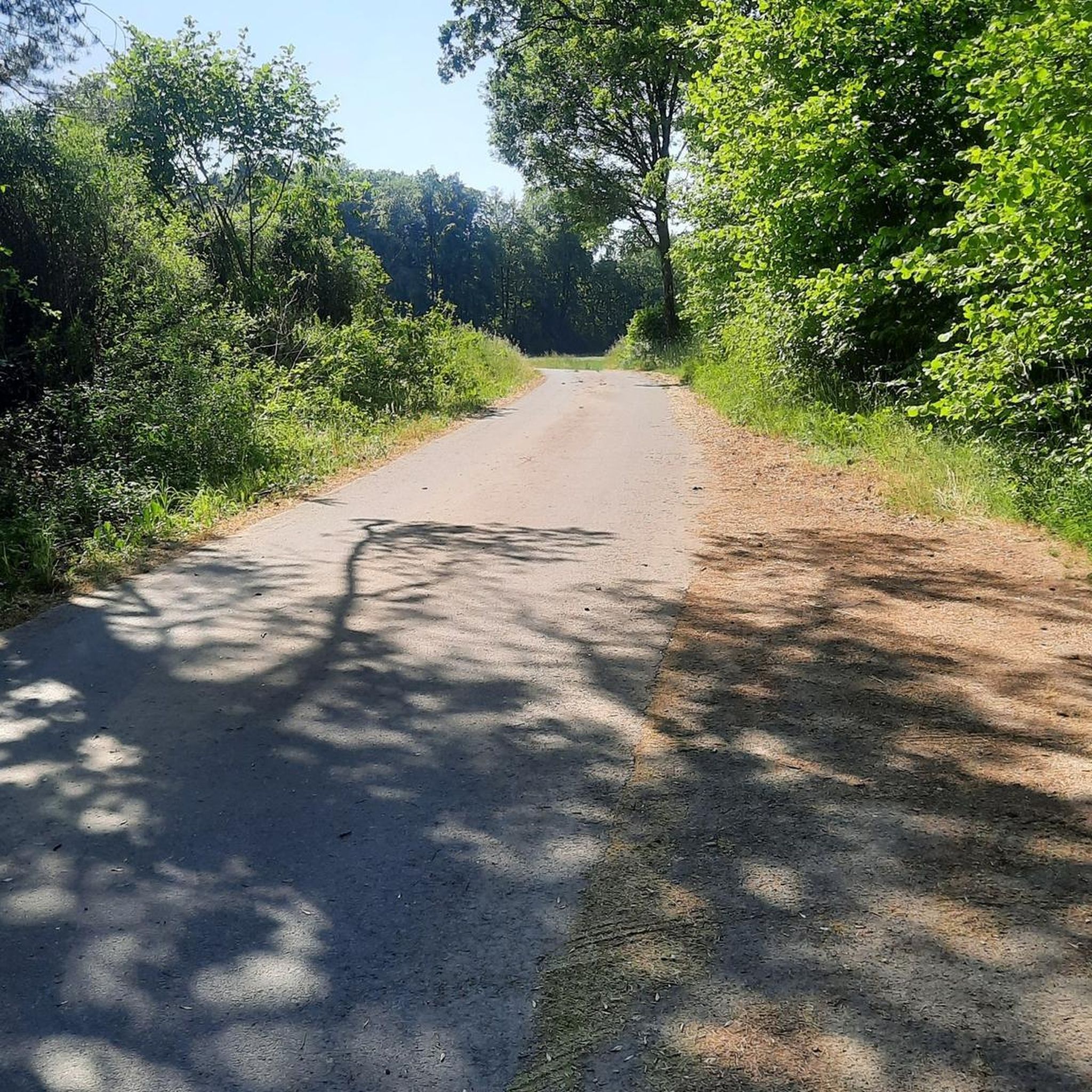
The path is particularly easy to drive and puts you in a good mood
1
0
Frequently Asked Questions
What historical sites can I explore in Gorze?
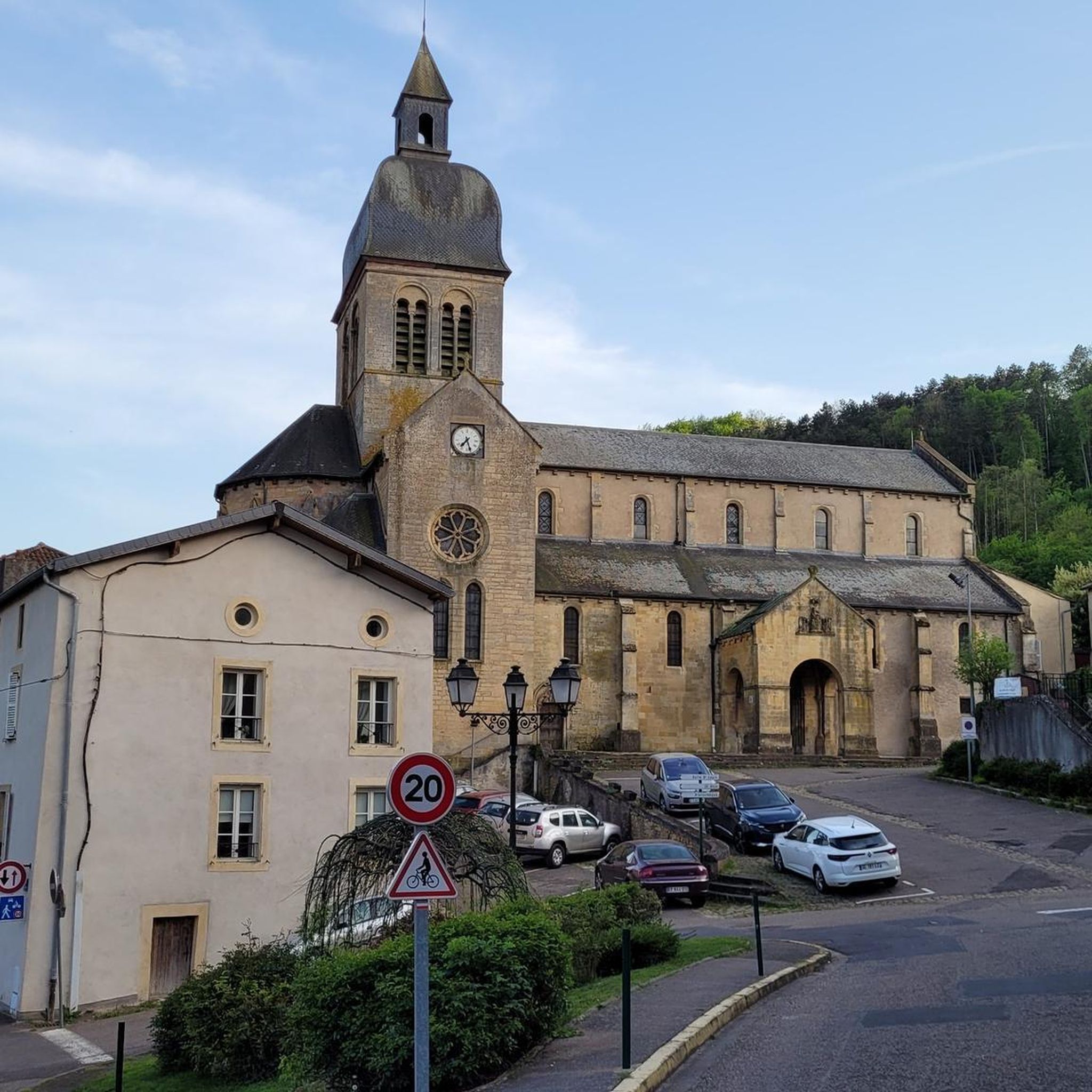
Gorze is rich in history. You can visit the significant Gorze–Metz Roman Aqueduct (Jouy-aux-Arches), an impressive 1st-century structure that supplied water to Metz. Other notable historical sites include the ruins of Gorze Abbey, founded in 749, and the 11th-century Saint-Étienne Collegial, considered the oldest Gothic edifice in Lorraine. Don't miss Fort Saint-Quentin, part of Metz's first fortified belt, and Prény Castle, a symbolic fortress of the Dukes of Lorraine.
Are there any natural attractions or viewpoints in the Gorze area?
Yes, the Gorzia Valley itself offers natural beauty with numerous wooded paths that ascend to higher elevations. These paths provide breathtaking panoramic views of the Moselle valley and the surrounding hills. While not a highlight in the guide, the region research mentions an underground passage, a natural cavity formed by rock breakage, between the old abbey and the Bois-le-Prêtre.
What outdoor activities are popular near Gorze?
The area around Gorze is excellent for outdoor activities. You can enjoy cycling or walking Along the Moselle, a tranquil route suitable for road biking. For hiking, there are several routes available, ranging from easy to moderate, such as the 'Gorze – Saint-Étienne Church loop' or 'La Croix Saint Clément – La Fraze Rocks loop'. You can find more details and routes in the Hiking around Gorze and Cycling around Gorze guides.
Are there family-friendly attractions in Gorze?
The Gorze–Metz Roman Aqueduct (Jouy-aux-Arches) is listed as family-friendly and offers an engaging historical experience for all ages. The Maison de l'histoire de la Terre de Gorze, a local museum, also provides an educational and interactive way to learn about the region's history, which can be interesting for families.
What is the significance of Gorze Abbey?
Gorze Abbey, founded in 749 by Bishop Chrodegang of Metz, played a crucial role in the spread of liturgical chant, which later evolved into Gregorian chant. Although the original abbey was devastated, its historical importance as a Benedictine abbey and its 17th-century abbatial palace with fountains remain significant points of interest, showcasing centuries of religious and cultural heritage.
Can I find hiking trails near Gorze?
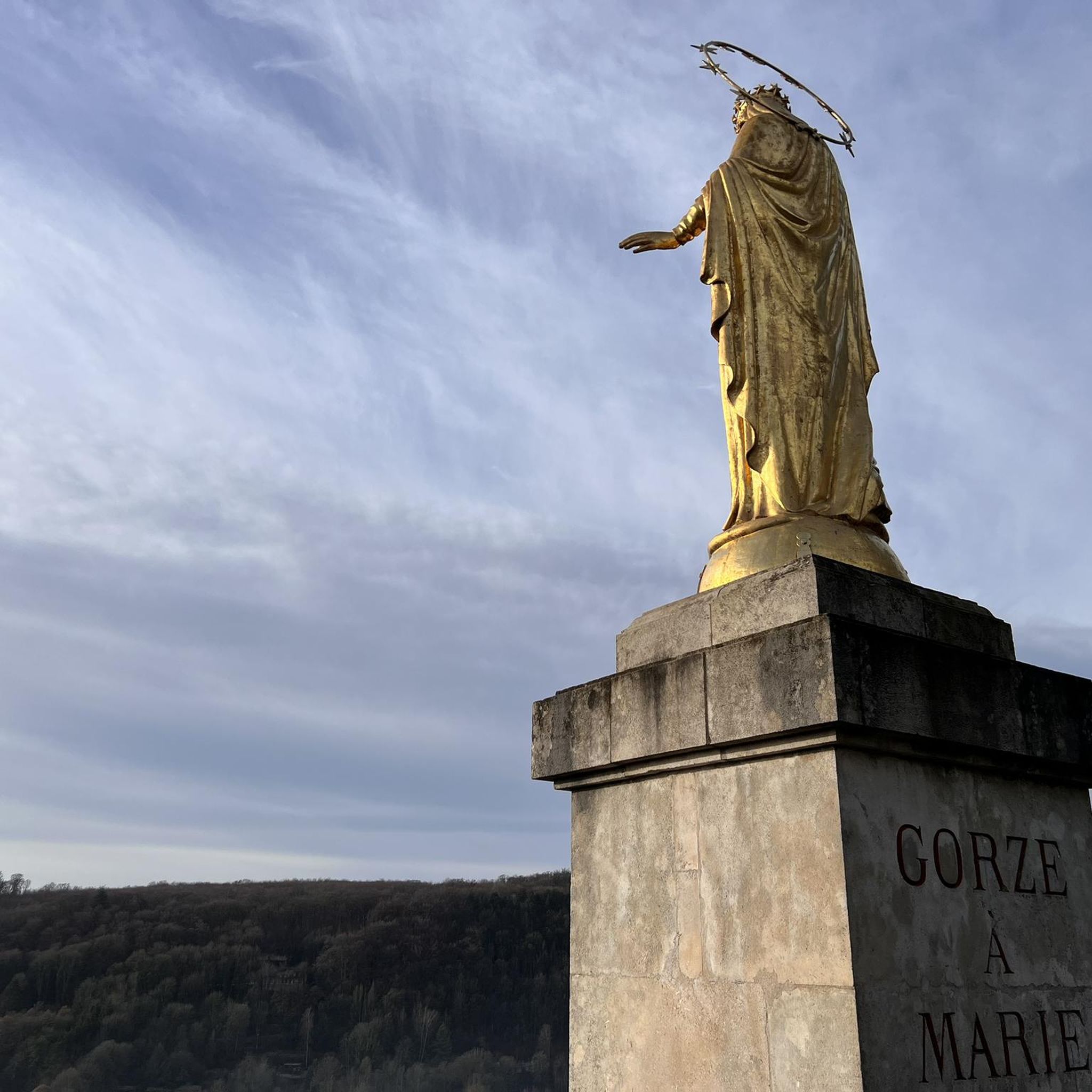
Absolutely. Gorze is surrounded by numerous hiking opportunities. You can explore trails like the 'Gorze loop from Gorze' or the 'Gorze – Statue of Notre-Dame-de-Gorze loop'. These trails vary in difficulty from easy to moderate and offer a great way to experience the local landscape. For a comprehensive list of routes, refer to the Hiking around Gorze guide.
What is the <a href="https://www.komoot.com/highlight/249834" target="_blank" rel="noopener">Gorze–Metz Roman Aqueduct (Jouy-aux-Arches)</a>?
The Gorze–Metz Roman Aqueduct (Jouy-aux-Arches) is a remarkable man-made monument and historical site. Completed in the 1st century, this aqueduct was vital for transporting drinking water to the ancient city of Divodorum (Metz) from Gorze. Today, 16 of its original arches are still preserved in Jouy-aux-Arches, offering a glimpse into Roman engineering.
What is <a href="https://www.komoot.com/highlight/3247140" target="_blank" rel="noopener">La Croix Saint Clément</a>?
La Croix Saint Clément is a monument dedicated to Saint-Clément, who was the first bishop of Metz and a founder of one of Gaul's oldest churches. This cross was erected in his memory at the location where he is believed to have first seen the city of Metz.
What is the Maison de l'histoire de la Terre de Gorze?
The Maison de l'histoire de la Terre de Gorze is a museum that chronicles the history of Gorze from prehistoric times to the present day. It focuses on the abbatial lordship of Gorze and features reproductions of 14th-century manuscripts, local historical artifacts, and dioramas illustrating the Roman aqueduct and monastic life.
Are there any castles or fortifications to visit near Gorze?
Yes, you can visit Fort Saint-Quentin, a significant historical site that was part of the first fortified belt around Metz. Additionally, Prény Castle, an old fortified castle overlooking the town of the same name, is a symbolic fortress of the Dukes of Lorraine and is registered on the list of historical monuments.
What do visitors appreciate most about the attractions around Gorze?
Visitors particularly enjoy the rich historical significance of sites like the Roman aqueduct and the tranquil scenery offered by routes Along the Moselle. The blend of ancient history, such as the 1st-century aqueduct, and the natural beauty of the Gorzia Valley's wooded paths and panoramic views, receives high praise from the komoot community, with over 570 upvotes and more than 180 photos shared.

Get inspired with the komoot mobile app


Explore more
Still not found the Highlight you’re looking for? See guides of the top attractions in other regions:
