Attractions and Places To See around Villebéon - Top 9
Best attractions and places to see around Villebéon offer a glimpse into the rich history and cultural heritage of this charming village in the Seine-et-Marne department of France. Tracing its origins to a Roman settlement, Villebéon features several notable landmarks and points of interest. Visitors can explore historical sites, ancient structures, and natural features that reflect the area's past. The region provides a variety of experiences for those interested in historical exploration and scenic walks.
Best attractions and places to…
Last updated: July 7, 2026
Church and Castle of Paley
Highlight • Other
Translated by Google •
Tip by

Halle d'Egreville
Highlight • Monument
There are only a few …
Translated by Google •
Tip by
Sign up now to discover places like this
Get recommendations on the best single tracks, peaks, & plenty of other exciting outdoor places.
Sign up for free
Mez Le Marechal Castle
Highlight • Castle
Translated by Google •
Tip by

Château de Chevry
Highlight • Castle
Translated by Google •
Tip by
St Anne's Church, Lorrez
Highlight • Other
Translated by Google •
Tip by
Sign up for free to discover even more attractions around Villebéon.
Sign up for free
Already have an account?
Start today with a free account
Your next adventure awaits.
Login or Signup
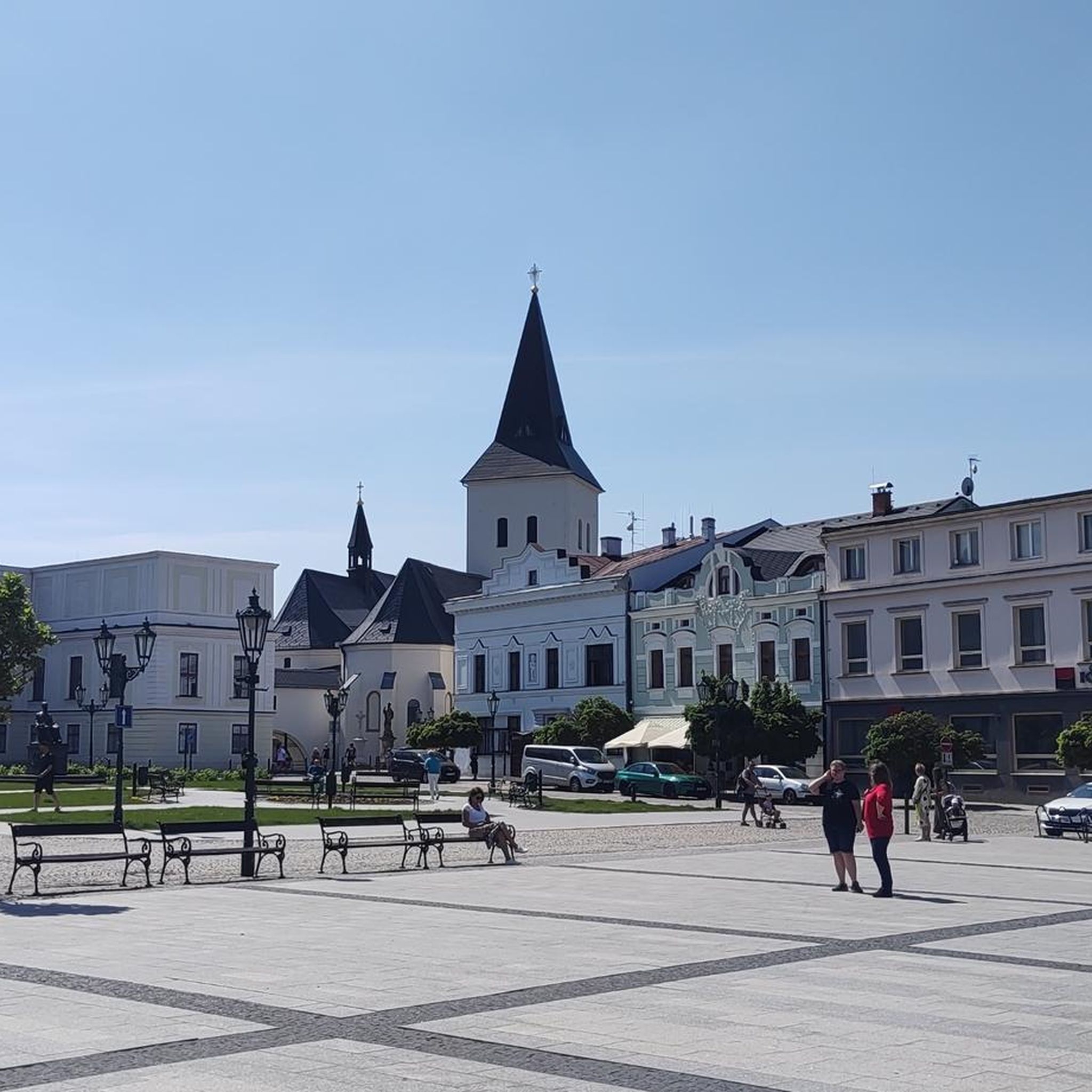

Tips from the Community


There are only a few of this architecture in France, it remains one of the most remarkable with that of Milly-la Forêt. The construction of the hall, which initially had 8 bays and no south gable, dates back to the end of the 15th century. It followed a first work destroyed by the fire of the village in 1282. The frame whose base is in oak initially rested on the ground which, by humidity, damaged the wood. In 1666, it was necessary to remove a span to build the south gable in masonry, to install transverse and longitudinal oblique reinforcements and to rest the 28 feet on stone plinths (again replaced in 1769). During 2003, it underwent a complete restoration which made it possible to reestablish some truths about its construction and put an end to the legend which attributed its construction to Anne de Pisseleu in 1540 with a chestnut frame explaining the absence of cobwebs. It still houses the Monday morning market.
0
0

It is too beautiful. This is what we knew how to build without a crane and without cement. If only we could do as our fathers did.
0
0

Building built from the second half of the 12th century for Henri Clément, one of the first marshals of France, you can only see the ramparts from the road. But behind the heavy gate of the imposing castle facade stands a unique monument that contains several castles in one built over several eras. Nicknamed the "Louvre du Gâtinais", the Château de Mez is one of the first copies of Philippe Auguste's Château du Louvre. But unlike the latter, managed to preserve almost all of its medieval architecture.
0
0

Many arms of the Lunain river, you can walk along it and see its many mills. Paley is a beautiful village, very well maintained.
0
0
Dating from the 13th century, it dominates the village and was an integral part of the fortifications, hence its massive and fortified appearance. You can see it for miles around.
1
0
This very well preserved hall in a style typical of the region sits enthroned on the main square of Egreville next to the massive church. There are only a few of this architecture in France, it remains one of the most remarkable with that of Milly-la Forêt. The construction of the hall, which initially had 8 bays and no south gable, dates back to the end of the 15th century. It followed a first work destroyed by the fire of the village in 1282. The frame whose base is in oak initially rested on the ground which, by humidity, damaged the wood. In 1666, it was necessary to remove a span to build the south gable in masonry, to install transverse and longitudinal oblique reinforcements and to rest the 28 feet on stone bases, again replaced in 1769.
0
0

Very nice church along a very nice road. Very bucolic place with pretty medieval houses.
0
0
Frequently Asked Questions
What historical sites can I visit in and around Villebéon?
Villebéon and its surroundings are rich in history. You can explore the Church and Castle of Paley, which features a 12th-century church with a unique 1794 inscription and a castle with origins from the same period. Don't miss the remarkably preserved 15th-century Halle d'Egreville, considered one of France's most notable examples of its architecture. Other historical highlights include the ruins of the Chapelle Saint Laurent de Passy, classified as a historical monument, and the ancient moats of the former feudal castle within a private property in Villebéon.
Are there any notable churches or religious landmarks in the area?
Yes, several significant churches are worth visiting. The Église Sainte-Avoye in the heart of Villebéon, rebuilt in 1858 in a neo-Gothic style, houses a 1557 prior's tombstone and an original wooden pulpit. The Church and Castle of Paley includes a 12th-century church with a rare inscription from the French Revolution. Further afield, St Anne's Church, Lorrez, dating from the 13th century, dominates the village with its fortified appearance.
What natural features or outdoor areas can I explore near Villebéon?
While Villebéon itself is a charming village, the surrounding area offers natural points of interest. The Brandelle Woods are notable for the historic 'Postman's Cross.' You can also discover an ancient ironworks site hidden within the nearby woods, providing evidence of early industry. For more extensive outdoor exploration, consider the numerous hiking, running, and mountain biking trails available. For example, you can find various hiking routes around Villebéon, including a moderate loop around the Village of Paley.
Are there any castles or châteaux to see around Villebéon?
Absolutely. The region boasts several impressive castles. The Church and Castle of Paley features a castle originating from the 12th century, rebuilt and altered over time. You can also admire the 17th-century Château de Chevry, known for its brick masonry, dry ditches, and a park attributed to Le Nôtre (visible from the road as it is private property). Additionally, the Mez Le Marechal Castle, nicknamed the 'Louvre du Gâtinais,' is a medieval fortification from the 12th century that has preserved much of its original architecture.
What kind of outdoor activities can I do near Villebéon?
The area around Villebéon is excellent for various outdoor activities. You can find numerous hiking trails, such as the moderate 'Village of Paley – Church and Castle of Paley loop.' For cyclists, there are MTB trails like the 'Château de Chevry-en-Sereine loop from Lorrez-le-Bocage-Préaux.' If you prefer running, explore the running routes around Villebéon, including loops from nearby villages like Lorrez-le-Bocage.
Are there any family-friendly attractions or activities in the area?
Families can enjoy exploring the historical sites. The Halle d'Egreville, a well-preserved 15th-century market hall, offers a glimpse into history and still hosts a market, which can be an engaging experience. The communal wells and wash-house in Villebéon also provide interesting insights into past village life. Additionally, the various easy to moderate hiking and cycling routes in the surrounding countryside offer opportunities for family outings in nature.
What are some unique historical artifacts or structures in Villebéon?
Villebéon holds several unique historical elements. The village features communal and private wells, including a distinctive sandstone well on the church square, and a communal wash-house (lavoir) that reflects past daily life. Throughout the area, you can discover ancient milestones and significant crosses, such as the 'Postman's Cross' in the Brandelle woods, linked to an 1829 historical event, and the Sainte Opportune Cross in Les Granges.
What do visitors enjoy most about the attractions around Villebéon?
Visitors appreciate the rich historical context and the well-preserved architecture. For instance, the Church and Castle of Paley is noted for its unique historical inscription and bucolic setting. The Halle d'Egreville is praised for its remarkable preservation and architectural significance. The overall appeal lies in the opportunity to step back in time and explore medieval ruins, 17th-century estates, and charming village life.
When is the best time to visit Villebéon and its attractions?
The region is generally pleasant to visit during spring, summer, and early autumn. These seasons offer favorable weather for exploring historical sites, walking through the villages, and enjoying outdoor activities like hiking and cycling. The annual Festival de la Terre de Seine-et-Marne, typically held in September, provides a vibrant cultural experience celebrating the agricultural heritage of the Île-de-France region.
Are there any local events or festivals in Villebéon?
Yes, Villebéon is known for hosting the Festival de la Terre de Seine-et-Marne. This agricultural event takes place annually, usually in September, and celebrates the rich agricultural heritage of the Île-de-France region. It's a great opportunity to experience local culture and traditions.
Can I find any hidden gems or less-known spots around Villebéon?
Beyond the main attractions, you can discover several hidden gems. The ancient ironworks site, tucked away in the nearby woods, offers a glimpse into the region's early industrial past. The ruins of the Chapelle Saint Laurent de Passy, though less prominent than other sites, are a classified historical monument with a long history. Exploring the various ancient milestones and crosses scattered throughout the area also reveals fascinating local stories.

Get inspired with the komoot mobile app


Explore more
Still not found the Highlight you’re looking for? See guides of the top attractions in other regions:
