Attractions and Places To See around Feule - Top 20
Best attractions and places to see around Feule include a variety of historical sites, natural features, and charming villages. Located in the Doubs department of the Burgundy-Franche-Comté region of France, Feule offers a glimpse into rural life. The surrounding area provides access to notable landmarks, viewpoints, and natural features, including impressive river gorges and historical monuments.
Best attractions and places to see around Feule
- The most popular attractions is Saint-Hippolyte village, a settlement nestled in the Doubs Valley. This…
Last updated: October 11, 2026
Saint-Hippolyte village
Highlight • Settlement
Translated by Google •
Tip by

Notre-Dame-du-Mont Chapel
Highlight • Religious Site
Translated by Google •
Tip by

Sign up now to discover places like this
Get recommendations on the best single tracks, peaks, & plenty of other exciting outdoor places.
Rochedanne rock shelter
Highlight • Mountain Hut
Translated by Google •
Tip by

Lomont Maquis Memorial
Highlight • Monument
Translated by Google •
Tip by

Château Peugeot
Highlight • Historical Site
Madame de Préville, the widow of Georges Peugeot (1866-1922) donated it to the city in …
Translated by Google •
Tip by

Sign up for free to discover even more attractions around Feule.
Already have an account?
Start today with a free account
Your next adventure awaits.


Tips from the Community


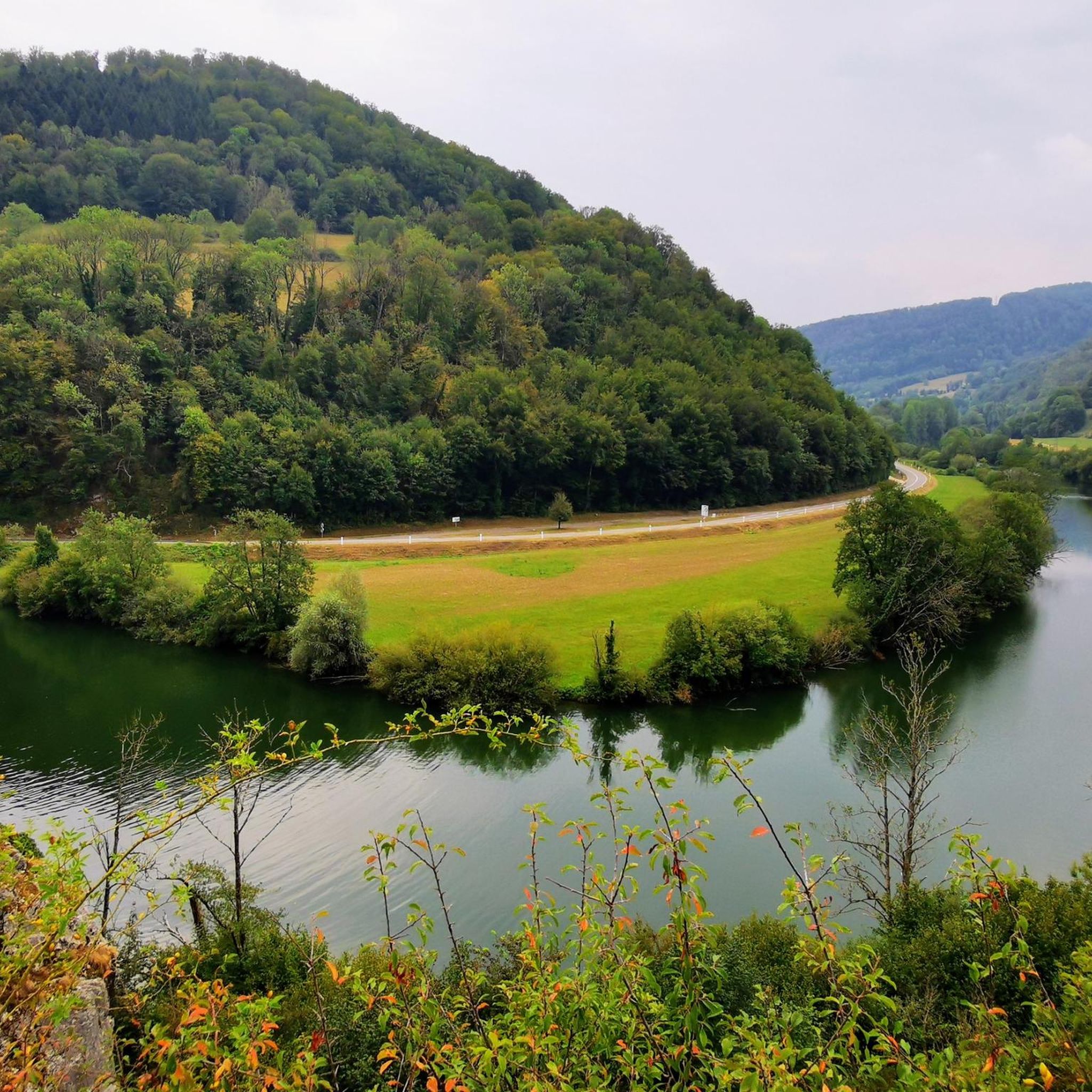
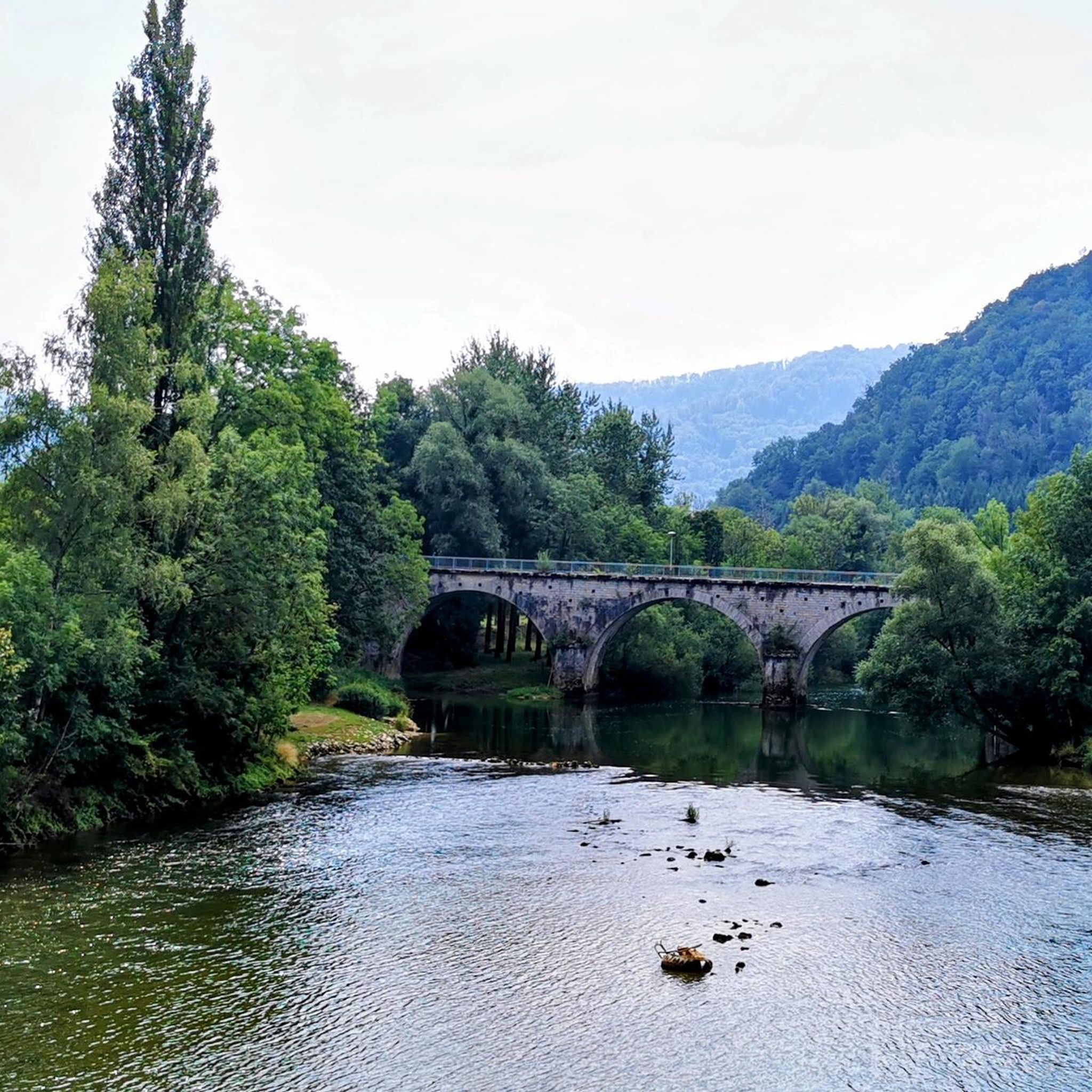
Nestled in the Doubs Valley, Saint-Hippolyte is a charming village in Franche-Comté. With its ancient streets and Romanesque church, it offers a peaceful break by the water, surrounded by the lush green landscapes of the Jura.
1
1

Saint-Hippolyte is a French commune with 962 inhabitants in the Haut-Rhin department in the European territorial community of Alsace and the Grand Est region. The municipality is a member of the Communauté de communes du Pays de Ribeauvillé.
3
1

Many churches in France, including this chapel, are dedicated to the Virgin Mary under the widely used title "Notre-Dame" (in German: "Our Dear Lady"). A brief thought on the Mother of God from Albino Luciani (Pope John Paul I): "Mary is indeed our sister, as Saint Ambrose says. She led a life very similar to ours. It is of course beautiful to venerate Mary as the Virgin and Mother of God, as the one conceived immaculately by original sin and taken up into heaven; but she is also the Madonna of plates, brooms and cooking pots..." Every visitor to this small Marian shrine can decide for themselves which "Notre-Dame" they would like to venerate here.
2
0

Very authentic place. It's really busy during the day. But early in the morning you can still enjoy the quiet atmosphere.
0
0

Pretty village which deserves more than the time I devoted to it.
2
1

fun, flat, easy to roll and walk
0
0
Frequently Asked Questions
What historical sites can I visit near Feule?
The area around Feule offers several historical sites. You can explore the Lomont Maquis Memorial, a 13-meter monument dedicated to the 3,200 fighters of the Lomont maquis. Another significant site is the Notre-Dame-du-Mont Chapel, which dates back to 1542. Additionally, the Rochedanne rock shelter is world-famous for its prehistoric findings, including engraved and painted pebbles from 11,000 to 9,000 years ago. The Château Peugeot, built in 1853 for Frédéric Peugeot, also offers a glimpse into the region's industrial history.
Are there any natural attractions or viewpoints around Feule?
Yes, the Doubs department, where Feule is located, is rich in natural beauty. You can visit the impressive Saut du Doubs and Gorges du Doubs, located approximately 29 km away. Other notable natural features include the Gorges de Remonot (about 35 km away), the Gouffre de Poudrey chasm (around 41 km), and the Défilé d'Entre-Roches (roughly 44 km). For a scenic village setting, the Saint-Hippolyte village is nestled in the Doubs Valley, offering lush green landscapes.
What are some family-friendly activities or attractions in the Feule area?
Many attractions around Feule are suitable for families. The Saint-Hippolyte village provides a peaceful setting by the water. The Notre-Dame-du-Mont Chapel and the Lomont Maquis Memorial are also considered family-friendly historical sites. Exploring the traditional village architecture of Feule itself, with houses dating back to the 17th and 18th centuries, can also be an engaging activity for all ages.
Can I find hiking trails near Feule?
Absolutely! There are numerous hiking opportunities around Feule. You can find routes like the 'Doubs Viewpoint – Natural Arch loop from Liebvillers' (moderate, 15 km) or the 'Saint-Hippolyte – Notre-Dame-du-Mont Chapel loop from Montécheroux' (difficult, 28.5 km). For more options and detailed information, explore the Hiking around Feule guide.
Are there options for running or gravel biking around Feule?
Yes, the region offers great routes for both running and gravel biking. Runners can enjoy trails such as the 'View of the Doubs River – Rochedanne rock shelter loop from Pont-de-Roide' (moderate, 9.5 km). For gravel biking, consider longer routes like the 'Rhine-Rhone Canal – Bike path along the Doubs loop from Valonne' (difficult, 104 km). You can find more routes in the Running Trails around Feule guide and the Gravel biking around Feule guide.
What charming villages are worth visiting near Feule?
Beyond Feule, several charming villages are worth exploring. Saint-Hippolyte village, just 7 km away, is noted for its beautiful position at the confluence of the Doubs and Dessoubre rivers. Mandeure, about 13 km from Feule, is recognized as a 'four-flower' village in bloom. Further afield, Lods (49 km) is recognized as a 'Most Beautiful Village of France,' and Ornans (52 km) is known for its picturesque section along the Loue river.
What is there to see within Feule village itself?
Feule itself offers a glimpse into traditional rural life. You can observe its unique village architecture, including houses with dated lintels from as far back as 1697, 1735, 1838, and 1849. The Feule Fountain is often a central point, and the village landscape is notably dominated by the contemporary Lomont wind turbines.
What do visitors particularly enjoy about the attractions near Feule?
Visitors appreciate the blend of natural beauty and historical significance. The peaceful atmosphere of villages like Saint-Hippolyte, nestled by the water, is often highlighted. The historical depth of sites like the Notre-Dame-du-Mont Chapel, with its pilgrimage history and scenic location, also receives positive feedback. The opportunity to experience prehistoric history at the Rochedanne rock shelter is also a unique draw.
Are there any significant memorials or monuments in the area?
Yes, a prominent memorial in the vicinity is the Lomont Maquis Memorial. This 13-meter monument, inaugurated in 1947, stands as a tribute to the 3,200 fighters of the Lomont maquis, a significant resistance group during World War II. It's located near Fort du Lomont and marks a site of historical importance.
Where can I find religious historical sites near Feule?
The most notable religious historical site is the Notre-Dame-du-Mont Chapel. Originally an oratory built in 1542 to house a miraculous statue of the Virgin, it became a place of pilgrimage and was later enlarged. Despite being partially destroyed and rebuilt during World War II, its choir was saved, preserving its historical essence. It's also conveniently located directly on the GR5 hiking trail.
What kind of architecture can I expect to see in the region?
The region showcases a range of architectural styles, from traditional rural dwellings to more grand structures. In Feule itself, you can observe traditional village architecture with dated lintels from the 17th to 19th centuries. The Château Peugeot, built in 1853, exemplifies 19th-century noble architecture, now serving as the town hall of Pont-de-Roide. Villages like Saint-Hippolyte also feature ancient streets and Romanesque church architecture.
Is there a larger town nearby for amenities or markets?
Yes, Montbéliard is a larger town located approximately 19 km from Feule. It offers additional amenities and is known for its markets held on Tuesdays and Saturdays, providing an opportunity to experience local commerce and culture.
Most popular attractions around Feule

Get inspired with the komoot mobile app


Explore more
Still not found the Highlight you’re looking for? See guides of the top attractions in other regions:
