The best mountain hikes in the Cordillera Occidental Peru Bolivia Chile
4.5
(3)
91
hikers
7
hikes
Mountaineering in the Cordillera Occidental Peru Bolivia Chile offers diverse high-altitude terrain across the Andes. This mountain range features towering snow-capped peaks, active and dormant volcanoes, and high-altitude deserts. The region's varied ecosystems range from dry forests to puna grasslands and glacial landscapes near summits, providing a range of challenges for mountaineers. Important rivers originate here, fed by melting snow and ice.
Best mountaineering routes in the Cordillera Occidental Peru Bolivia Chile
- The most popular mountaineering route is Nevado Chachani…
Last updated: July 10, 2026
36
hikers
6.18km
03:30
630m
630m
Hard mountaineering route. Good fitness required. Sure-footedness, sturdy shoes and alpine experience required.
4.0
(2)
20
hikers
7.72km
03:28
560m
560m
Moderate mountaineering route. Good fitness required. Mostly accessible paths. Sure-footedness required.

Sign up for free
5.0
(1)
17
hikers
6.41km
04:50
880m
880m
Hard mountaineering route. Good fitness required. Sure-footedness, sturdy shoes and alpine experience required.
14
hikers
11.2km
06:49
1,040m
1,040m
Hard mountaineering route. Very good fitness required. Sure-footedness, sturdy shoes and alpine experience required.
8
hikers
13.7km
04:16
540m
540m
Moderate mountaineering route. Good fitness required. Easily-accessible paths. Suitable for all skill levels.
6
hikers
12.0km
04:42
760m
760m
Moderate mountaineering route. Good fitness required. Mostly accessible paths. Sure-footedness required.
Our route recommendations are based on thousands of hikes, rides, and runs completed by other people on komoot.
Start today with a free account
Your next adventure awaits.
Login or Signup
Popular around Cordillera Occidental Peru Bolivia Chile
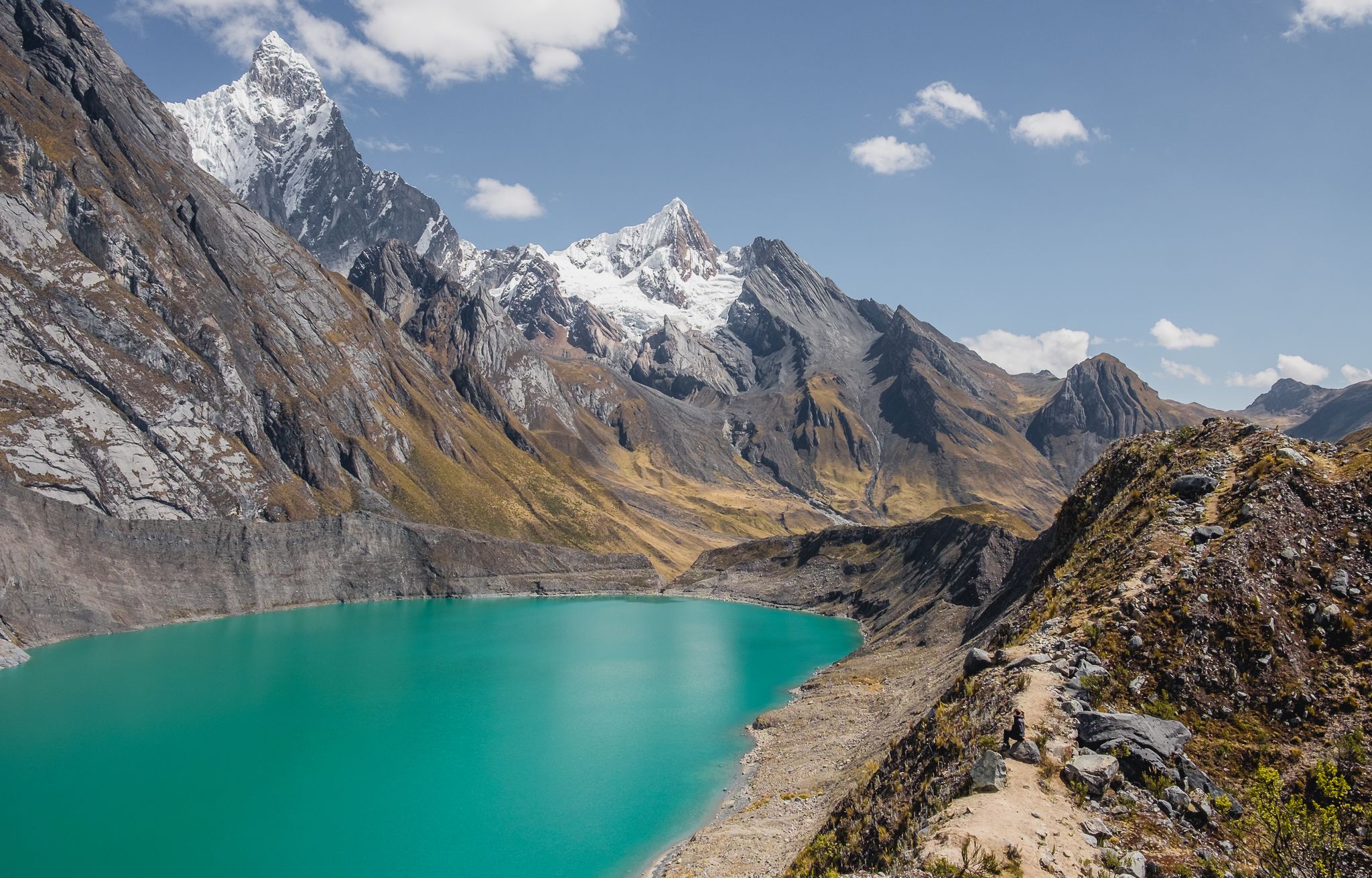
Breathtaking views on the Huayhuash Trek in Peru
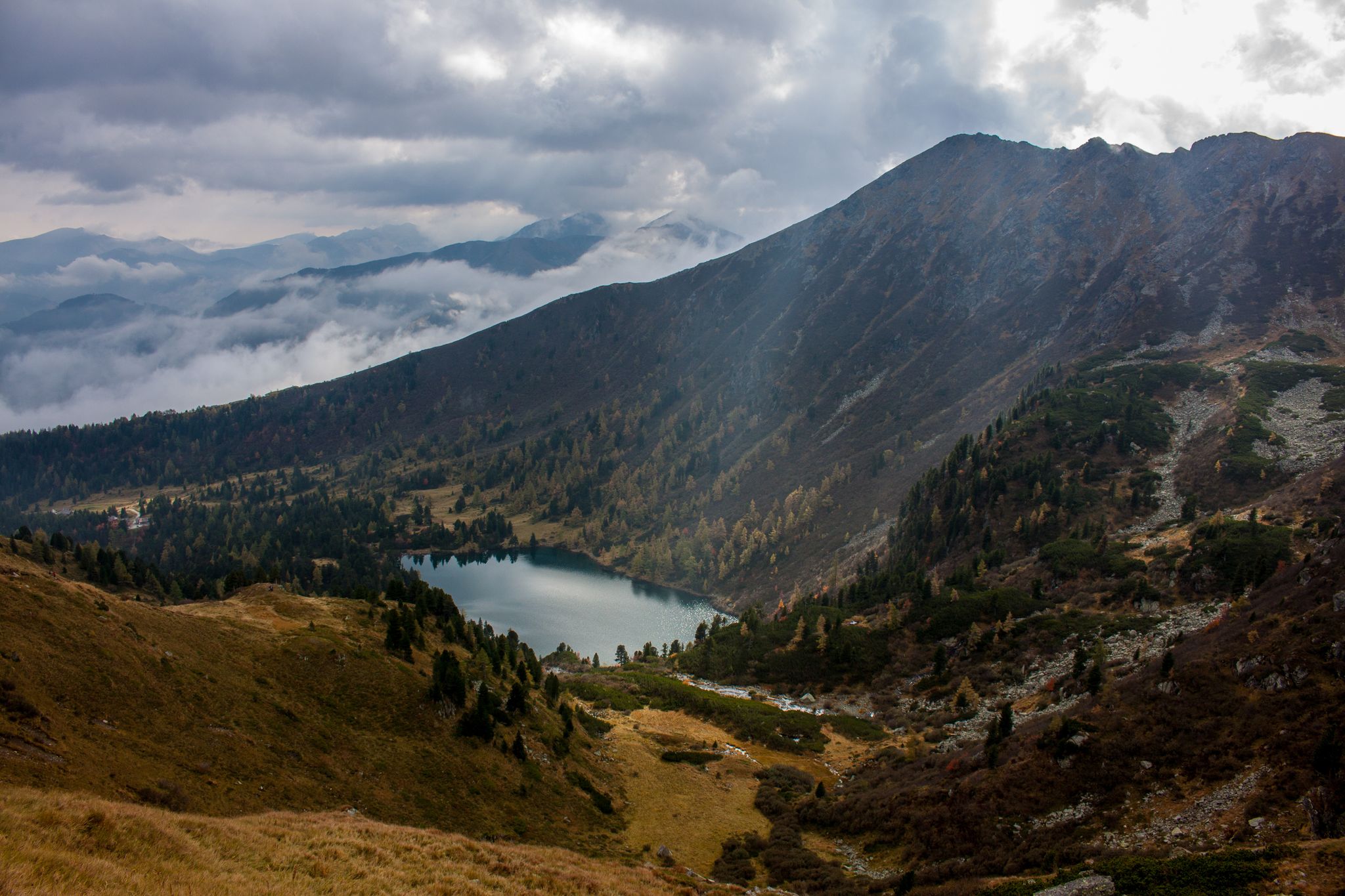
Berge mit unglaublichen Namen
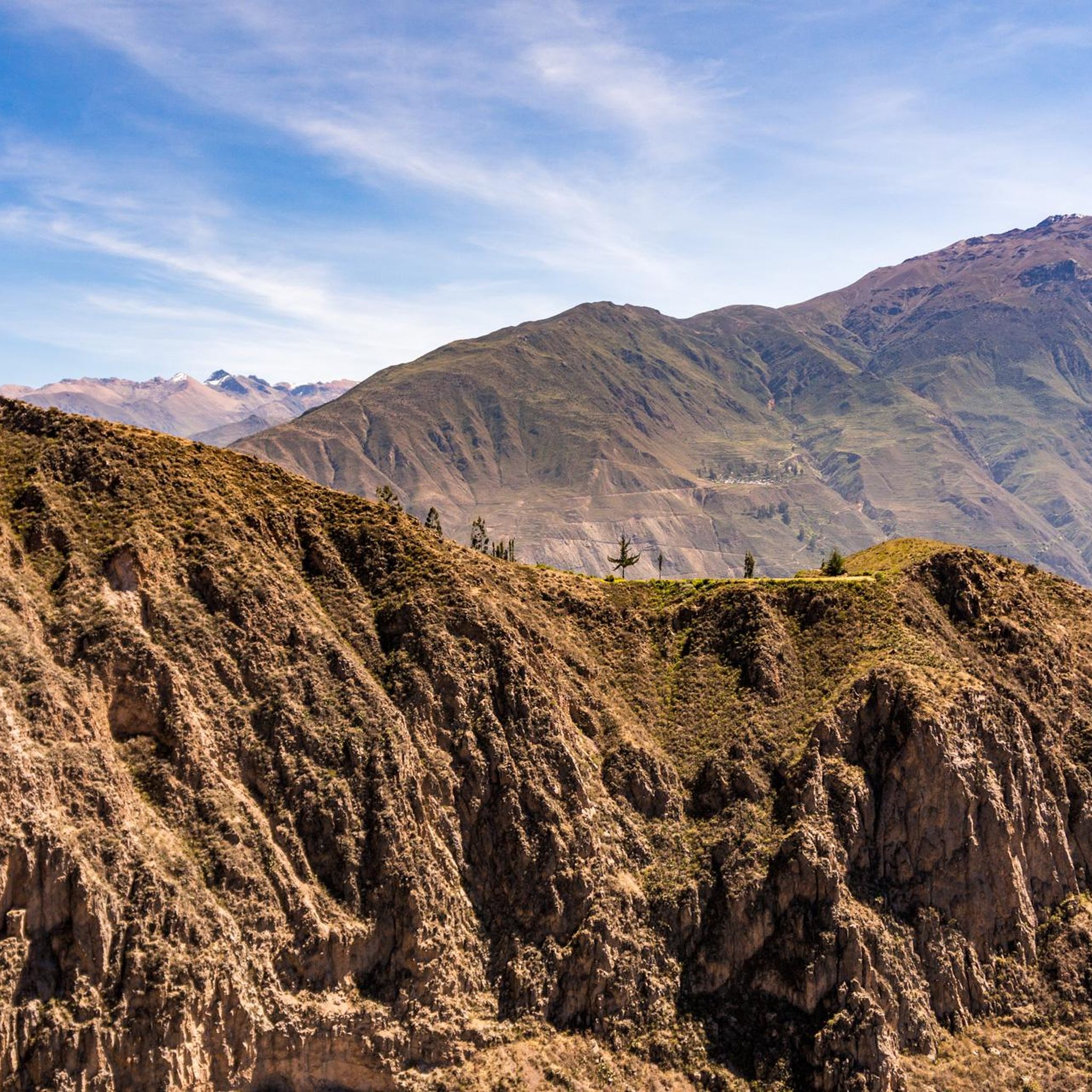
Hiking in the Cordillera Occidental Peru Bolivia Chile
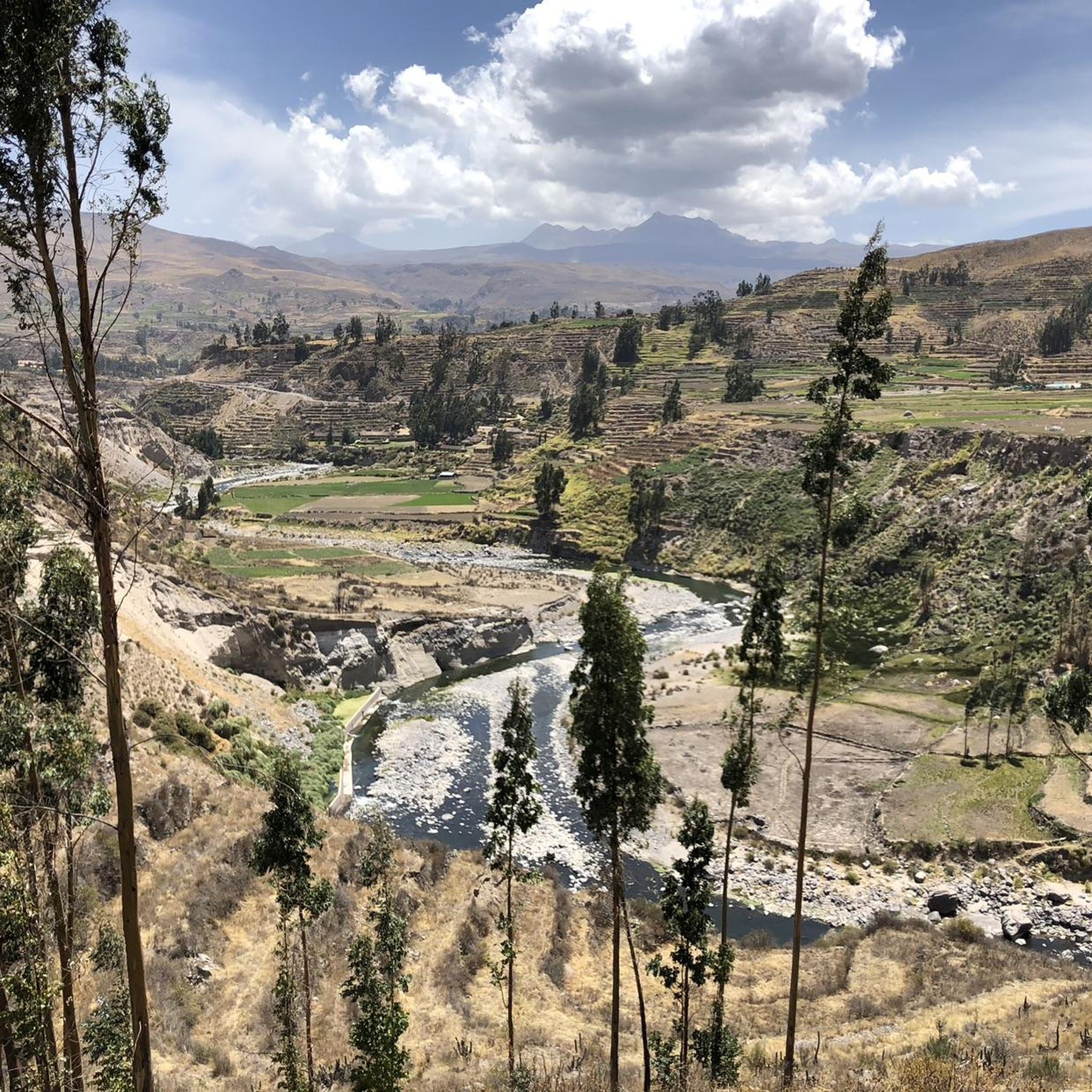
Running Trails in the Cordillera Occidental Peru Bolivia Chile
MTB Trails in the Cordillera Occidental Peru Bolivia Chile
Road Cycling Routes in the Cordillera Occidental Peru Bolivia Chile
Cycling in the Cordillera Occidental Peru Bolivia Chile
Other adventures in the Cordillera Occidental Peru Bolivia Chile


Tips from the Community

The climb is demanding due to the altitude and the steepness. Prior acclimatization is essential. Personally, the last section between 5850 meters and the summit was difficult (I was out of breath), and the feeling of not making any progress required me to dig deep. Once at the summit, the view is superb, and the satisfaction is immense. For the descent... you can simply relax in the layer of ash on the volcano's cone. To avoid carrying our gear, base camp was set up just before the end of the 4x4 track. From this point, it took us about 7 hours to reach the summit and about 3.5 hours to return to camp. A fantastic adventure!
0
0

Great lagoon in deep blue with 6,000m peaks with snow peaks in the background 😍
0
0

The hike is technically easy, except for a small section with a via ferrata. Getting there from Huaraz is easy with the public buses (colectivos), which leave from an unofficial bus stop on the corner of Avenida Agustín Gamarra and Av. Las Américas. It is advisable to start as early as possible in order to catch the last bus back in the evening. The journey takes about an hour. The climb up to 4400m was quite exhausting, luckily we were acclimatized.
1
0
A wonderful place at the Laguna Churup at an altitude of 4450m. In the background is the Nevado Churup with its majestic glaciers. From midday onwards there are often numerous tourists, so it is worth coming early.
0
0

The hike is great for acclimatizing to the environment and testing out a more challenging hike. We found the hike to be very good for preparing for Laguna 69 and the altitude. Fully recommended for testing out the altitude.
1
0

When ascending or descending to Laguna Churup you pass this impressive threshold with a powerful waterfall
1
0
Ideal starting point for the climb to Lake Laguna Churup. You can drive all-wheel drive up to here... The climb is unproblematic and really worthwhile👍🏻
1
0

Frequently Asked Questions
How many mountaineering routes are available in the Cordillera Occidental Peru Bolivia Chile?
The Cordillera Occidental offers a variety of mountaineering routes. Our guide features 7 distinct routes, ranging from moderate to difficult, allowing you to explore the diverse high-altitude terrain of this majestic range.
What are some notable natural features or landmarks to see along these routes?
The region is rich in natural beauty. You can discover stunning glacial lakes like Lake Churup and Laguna Wilcacocha. For those seeking panoramic views, the Punta Unión Pass offers breathtaking vistas. The Cordillera Occidental is also home to impressive peaks such as the Summit of Nevado Chachani (6,057 m) and the iconic Huascarán, the highest point in Peru.
Are there any routes suitable for beginners or those looking for a moderate challenge?
Yes, while many routes are challenging, there are options for varying skill levels. For example, the Mountaineering loop from San Nicolas and the Mirador de Rataquena loop from Huaraz are both rated as moderate. These routes provide a great introduction to the high-Andean landscapes without the extreme technical demands of higher peaks.
What is the best time of year for mountaineering in the Cordillera Occidental?
The dry season, typically from May to September, is generally considered the best time for mountaineering in the Cordillera Occidental. During these months, you can expect more stable weather conditions, clearer skies, and less precipitation, which are crucial for high-altitude ascents and treks.
Are permits required for climbing in certain areas of the Cordillera Occidental?
Yes, permits are often required, especially for climbing within protected areas. For instance, mountaineering in Peru's Huascarán National Park, which encompasses much of the Cordillera Blanca, requires permits and often a registered guide. It's essential to check the specific requirements for the peak or region you plan to visit in Peru, Bolivia, or Chile, as regulations can vary.
What kind of wildlife might I encounter while mountaineering in this region?
The diverse ecosystems of the Cordillera Occidental support unique high-altitude wildlife. Depending on the specific area and altitude, you might spot vicuñas, llamas, alpacas, and various bird species, including Andean condors soaring overhead. The vibrant lagoons in Bolivia and Chile are also known for supporting abundant birdlife, such as flamingos.
Are there any family-friendly options for exploring the Cordillera Occidental?
While many mountaineering routes are demanding, some areas offer more accessible treks suitable for families. For example, the Laguna Churup – Churup Waterfall loop from Pitec, though rated difficult, is a shorter route that leads to a beautiful glacial lagoon and waterfall, which can be a rewarding experience for active families. Always assess the difficulty and elevation carefully.
What are the unique geological features I can expect to see?
The Cordillera Occidental is characterized by its dramatic geological diversity. You'll encounter towering snow-capped peaks, active and dormant volcanoes like Nevado Sajama and Ojos del Salado, and high-altitude deserts. Unique features include vast salt flats such as Salar de Uyuni, uniquely colored lagoons like Laguna Colorada, and striking rock formations found in areas like Salar de Tara and Valle de la Luna.
What gear is recommended for mountaineering in the Cordillera Occidental?
Given the high altitudes and varied terrain, essential gear includes appropriate layers for extreme temperature changes, sturdy mountaineering boots, crampons and ice axe for glaciated sections, a helmet, and a reliable backpack. Sun protection (hat, sunglasses, high SPF sunscreen) is crucial due to the intense UV radiation at elevation. Always carry sufficient water, food, and navigation tools.
Are there any multi-day mountaineering traverses in the Cordillera Occidental?
Yes, the Cordillera Occidental, particularly in Peru's Cordillera Huayhuash, is renowned for its stunning multi-day trekking and mountaineering traverses. These routes offer extended journeys through breathtaking high-Andean landscapes, often involving multiple passes and camps. Planning for such traverses requires careful preparation, including acclimatization and logistical support.
What do other mountaineers say about their experience in the Cordillera Occidental?
The mountaineering routes in the Cordillera Occidental are highly rated by the komoot community, with an average score of 4.5 stars from over 3 reviews. Mountaineers often praise the region's diverse terrain, from volcanic peaks to glacial lakes, and the challenging yet rewarding ascents that offer unparalleled views of the Andes.
Are there any routes that feature waterfalls?
Yes, one notable route that features a waterfall is the Laguna Churup – Churup Waterfall loop from Pitec. This trail leads through high-Andean landscapes to a beautiful glacial lagoon and its accompanying waterfall, offering a picturesque reward for your efforts.
How can I access the trailheads for these routes?
Access to trailheads in the Cordillera Occidental often involves travel from nearby towns. For routes in Peru, towns like Huaraz serve as common bases. In Bolivia, Sajama town provides access to peaks like Nevado Sajama, while in Chile, San Pedro de Atacama is a gateway to many high-altitude desert and volcanic areas. Public transport options like buses or shared taxis are available to reach some starting points, but for more remote trailheads, private transport or organized tours may be necessary.
What are some of the more challenging climbs for experienced mountaineers?
For experienced mountaineers, the Cordillera Occidental offers some of the world's most demanding ascents. In Peru, peaks like Huascarán, Yerupaja, and Siula Grande present significant technical challenges. Bolivia's Nevado Sajama is a classic high-altitude climb, and in Chile, Ojos del Salado stands as the world's highest active volcano, offering a formidable mountaineering challenge.
Most popular routes in the Cordillera Occidental Peru Bolivia Chile
Most popular attractions in the Cordillera Occidental Peru Bolivia Chile

Get inspired with the komoot mobile app


Explore more
Browse the best Mountain Hikes & Routes in other regions.
