The best MTB trails around Englebelmer
4.2
(72)
373
riders
83
rides
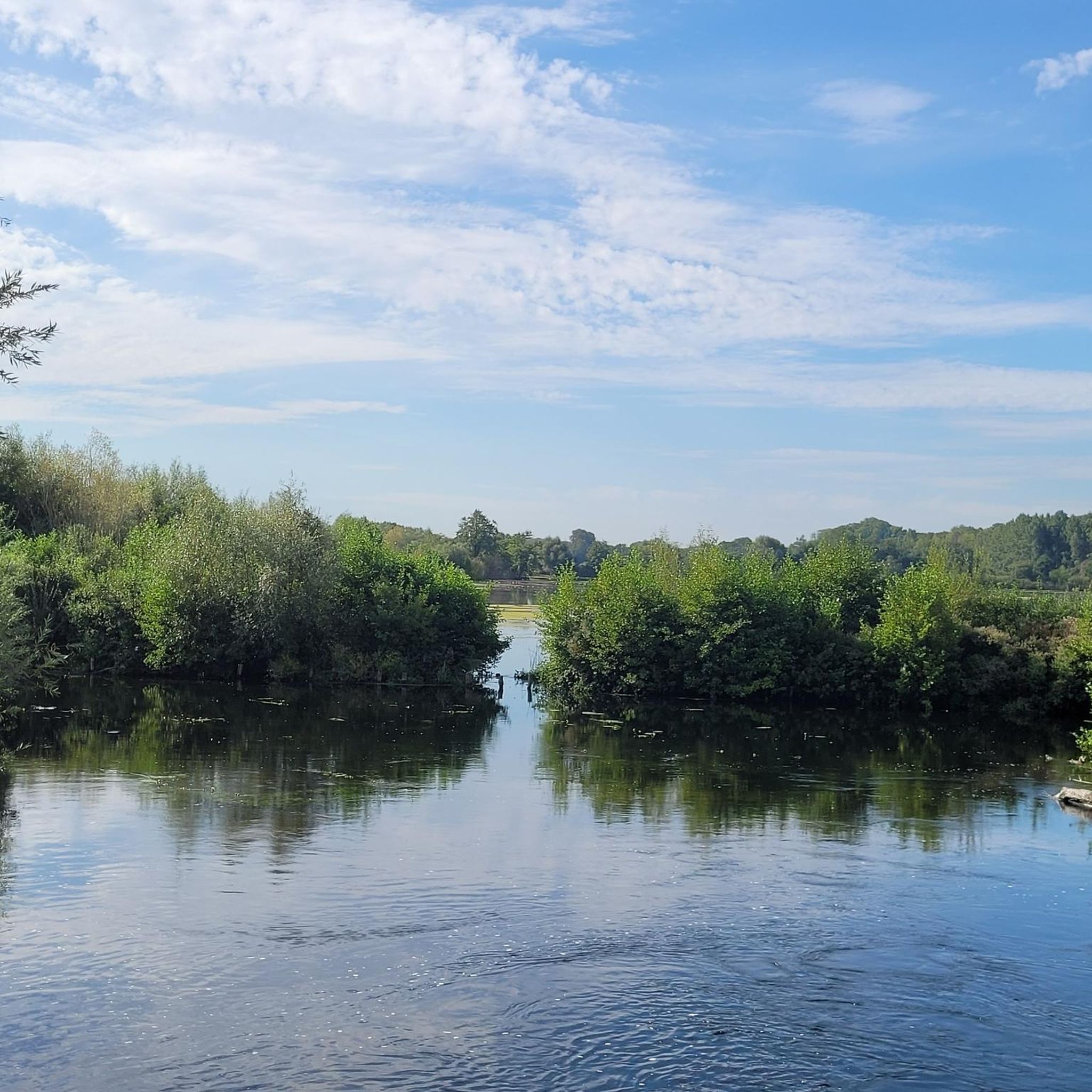
Mountain biking around Englebelmer offers diverse landscapes, including wooded areas and marsh-adjacent paths. The region features historical routes that trace the front lines of the Battle of the Somme, providing a unique historical context to the physical activity. Englebelmer serves as a starting point for a broader network of trails within the Somme region, known for its varied terrain. This area provides a mix of riding environments suitable for different skill levels.
Best mountain bike trails around Englebelmer
- The most…
Last updated: October 18, 2026
3.6
(9)
37
riders
71.4km
05:18
680m
680m
Hard mountain bike ride. Very good fitness required. Suitable for all skill levels.
4.3
(3)
19
riders
56.3km
04:02
510m
510m
Moderate mountain bike ride. Good fitness required. Suitable for all skill levels.

10
riders
Hard mountain bike ride. Very good fitness required. Advanced riding skills necessary.
4.0
(3)
7
riders
22.0km
01:45
200m
200m
Easy mountain bike ride. Great for any fitness level. Suitable for all skill levels.
5.0
(1)
4
riders
25.1km
01:56
220m
220m
Easy mountain bike ride. Great for any fitness level. Suitable for all skill levels.
Get access to more routes and recommendations from other explorers.
Already have an account?
Our route recommendations are based on thousands of hikes, rides, and runs completed by other people on komoot.
Start today with a free account
Your next adventure awaits.




Tips from the Community

Officially part of the Historial de la Grande Guerre, the Thiepval Museum is located near the impressive Thiepval Memorial and offers an in-depth look at the Battle of the Somme of 1916. Opened in 2016 to mark the centenary of this bloody battle, the museum comprises seven thematic areas, each highlighting a different aspect of the war. One of the highlights is the 60-metre-long panoramic comic strip by artist Joe Sacco, which vividly depicts the events of 1 July 1916. Visitors will gain insight not only into the military strategies, but also into the human suffering and the culture of remembrance surrounding the missing of the Somme.
5
0
The Tour d'Ulster, also known as the Helen Tower or Tour de Belfast, is a British war memorial. It was built in 1921 to commemorate the soldiers of the 36th Ulster Division who died during the Battle of the Somme in World War I. The tower is a replica of a neo-Gothic tower in Clandeboye Park, near Belfast, where the 36th Division trained. An interesting anecdote is that the 36th Ulster Division was the first to attack during the Battle of the Somme on 1 July 1916, but suffered heavy losses from both German and British artillery fire. The division lost over 5,500 men in just a few hours. The Tour d'Ulster has a cafeteria where you can enjoy a cup of tea, scones or Tayto chips, a specialty from Northern Ireland. It is a nice place to relax.
6
0
The Nymphe d'Aveluy is a historical monument in Aveluy, France, commemorating the artwork created by French soldiers during World War I. During periods of rest between battles, soldiers created sculptures and engravings, including the famous "Nymphe d'Aveluy". These works were often photographed and sent to their families on postcards.
1
0
An interesting anecdote is that the monument was inaugurated in 1932 by the Prince of Wales and the French President Albert Lebrun. The monument consists of a series of arches supported by sixteen massive square pillars, on which the names of the missing soldiers are engraved. At the foot of the monument is a Franco-British military cemetery with 600 graves: 300 French and 300 British soldiers.
6
0
The Parc Mémorial de Thiepval is an impressive war memorial that commemorates the 72,337 missing British and South African soldiers who died during the Battle of the Somme in World War I. Designed by Sir Edwin Lutyens, the memorial is considered one of the greatest British monumental works of the twentieth century. The park also includes a visitor centre, opened in 2004, and the Jardins de la Paix, where visitors can reflect and enjoy the serene surroundings. Every year on 1 July, remembrance ceremonies are held to honour the victims of the Battle of the Somme.
8
0
Tour d'Ulster has a cafeteria where you can enjoy a cup of tea, scones or Tayto chips, a specialty from Northern Ireland. It is a nice place to relax for a while.
1
0
The Tour d'Ulster, also known as the Helen Tower or Tour de Belfast, is a British war memorial. It was built in 1921 to commemorate the soldiers of the 36th Ulster Division who died during the Battle of the Somme in World War I. The tower is a replica of a neo-Gothic tower in Clandeboye Park, near Belfast, where the 36th Division trained. An interesting anecdote is that the 36th Ulster Division was the first to attack during the Battle of the Somme on 1 July 1916, but suffered heavy casualties from both German and British artillery fire. The division lost over 5,500 men in just a few hours.
1
0

Monument commemorating the capture of the villages of Beaumont and Hamel on November 13, 1916, by the Scottish Highlanders of the 51st Division. The monument overlooks Ravine Y and depicts a kilted soldier looking toward the former German lines. On its base, an inscription in English and Gaelic reads: "It is good to have friends on the day of battle."
0
0
Frequently Asked Questions
How many mountain bike trails are available around Englebelmer?
There are 75 mountain bike trails available around Englebelmer, offering a wide range of options for different skill levels and preferences.
What types of terrain can I expect on mountain bike trails in Englebelmer?
Mountain bikers in Englebelmer can expect diverse landscapes, including wooded areas and marsh-adjacent paths. Many routes also trace historically significant areas from the Battle of the Somme, blending natural beauty with historical context.
Are there mountain bike trails suitable for beginners in Englebelmer?
Yes, Englebelmer offers 29 easy mountain bike trails. An example is the Aveluy nymph loop from Albert, which is 21.9 km long and takes approximately 1 hour 45 minutes to complete.
What historical landmarks can I see along the mountain bike trails?
The region is rich in historical significance. Along the trails, you can encounter landmarks such as the Newfoundland Memorial, the Ulster Tower, and the Thiepval Memorial. Some routes, like the Newfoundland Memorial – Old Mill of Louvencourt loop from Beaumont-Hamel, specifically explore these historical sites.
Are there any natural features or viewpoints to look out for?
Beyond the varied terrain of woods and marshes, you can visit significant natural and historical craters such as the Lochnagar Crater, the Hawthorn Ridge Crater, and the La Boisselle Mine Crater, which offer unique perspectives on the landscape and its history.
What do other mountain bikers say about the trails in Englebelmer?
The mountain bike trails around Englebelmer are highly rated by the komoot community, with an average score of 4.2 stars from over 60 reviews. Many riders appreciate the blend of varied terrain, from wooded sections to marsh-adjacent paths, and the unique historical context provided by routes tracing the Great War front lines.
Are there any challenging mountain bike routes for experienced riders?
Yes, there are 4 difficult mountain bike trails in the area. For example, the Beaumont-Hamel trails – Ulster Tower loop from Albert is a challenging 71.4 km route with significant elevation changes, typically taking over 5 hours to complete.
Can I find circular mountain bike routes in Englebelmer?
Many of the mountain bike routes around Englebelmer are designed as loops, allowing you to start and finish in the same location. An example is the Allée des Coquelicots – Englebelmer War Memorial loop from Auchonvillers, a moderate 38.0 km trail.
What is the best time of year for mountain biking in Englebelmer?
The diverse landscapes, including wooded areas and marsh-adjacent paths, make Englebelmer appealing across different seasons. However, spring and autumn often offer pleasant temperatures and vibrant scenery. It's always advisable to check local weather conditions before heading out, especially for marshy sections.
Is Englebelmer a good starting point for exploring the wider Somme region by mountain bike?
Yes, Englebelmer serves as an excellent starting point for a broader network of paths and trails in the Somme region. The area is known for its exceptional landscapes between sea, forest, and rivers, providing extensive mountain biking opportunities beyond the immediate vicinity.
Are there any specific routes that combine historical exploration with mountain biking?
Absolutely. Many routes in the area trace the front lines of the Battle of the Somme. The Varennes Military Cemetery – Old Mill of Louvencourt loop from Beaumont-Hamel is a 69.1 km trail that leads through historical landscapes and wooded sections, offering a unique blend of activity and immersion in history.
Most popular routes around Englebelmer
Most popular attractions around Englebelmer

Get inspired with the komoot mobile app


Explore more
Browse the best MTB trails in other regions.
