Attractions and Places To See around Castelmoron-D'Albret - Top 7
Best attractions and places to see around Castelmoron-D'Albret include its medieval village architecture and surrounding natural landscapes. This area is known as France's smallest commune by land area, situated on a rocky outcrop within the Entre-Deux-Mers wine region. Visitors can explore preserved historical sites, vineyards, and hiking trails. The village offers a tranquil setting with a rich past.
Best attractions and places to see around Castelmoron-D'Albret
- The most popular attractions is Piste Roger Lapébie, a cycle_way built on an…
Last updated: October 10, 2026
Le Moulin de Loubens
Highlight • Monument
Translated by Google •
Tip by

Sauveterre-de-Guyenne - bastide
Highlight • Other
Translated by Google •
Tip by

Sign up now to discover places like this
Get recommendations on the best single tracks, peaks, & plenty of other exciting outdoor places.
Roger Lapébie track - Sauveterre to Cessac
Highlight (Segment) • Other
Translated by Google •
Tip by

Saint-Ferme Abbey
Highlight • Other
Translated by Google •
Tip by

Piste Roger Lapébie
Highlight (Segment) • Cycleway
Translated by Google •
Tip by

Sign up for free to discover even more attractions around Castelmoron-D'Albret.
Already have an account?
Start today with a free account
Your next adventure awaits.


Tips from the Community

Lively small market town, with an arcaded market square
0
0

Majestic in its size and appearance, the Loubens mill is one of the most remarkable in the Entre-deux-Mers region. Its installation seems to date back to the 11th century. A square, medieval tower, built on an island, bears similarities to the Bagas mill located 2 km downstream. It includes three sets of millstones still in place. However, it is not a fortified building; it is a weir mill. To the north construction, a bridge with a double row of arches was added in the 18th century, containing two more pairs of millstones and a fulling mill (a machine used not for grinding grain, but for fulling textiles. These mills were often called "beating mills"). This southern part of the mill earned it the name "little Chenonceau". The mill has been classified as a Historic Monument since 2000.
0
0

Beautiful view of the ivy-covered mill.
1
0

Sauveterre-de-Guyenne is a bastide. A bastide is a type of French medieval town, founded in the 13th and 14th centuries, primarily in southwestern France. A bastide is characterized by a rectangular street pattern that divides the town into eight blocks around a central market square. The Treaty of Paris (1229) prohibited the building of walls around new towns. Many bastides were provided with some form of fortification, such as gates, after their founding to provide some protection during turbulent times. Most bastides had only local significance and did not develop into large towns. As a result, many bastides, such as that of Sauveterre-de-Guyenne, have been preserved in their original state.
1
0

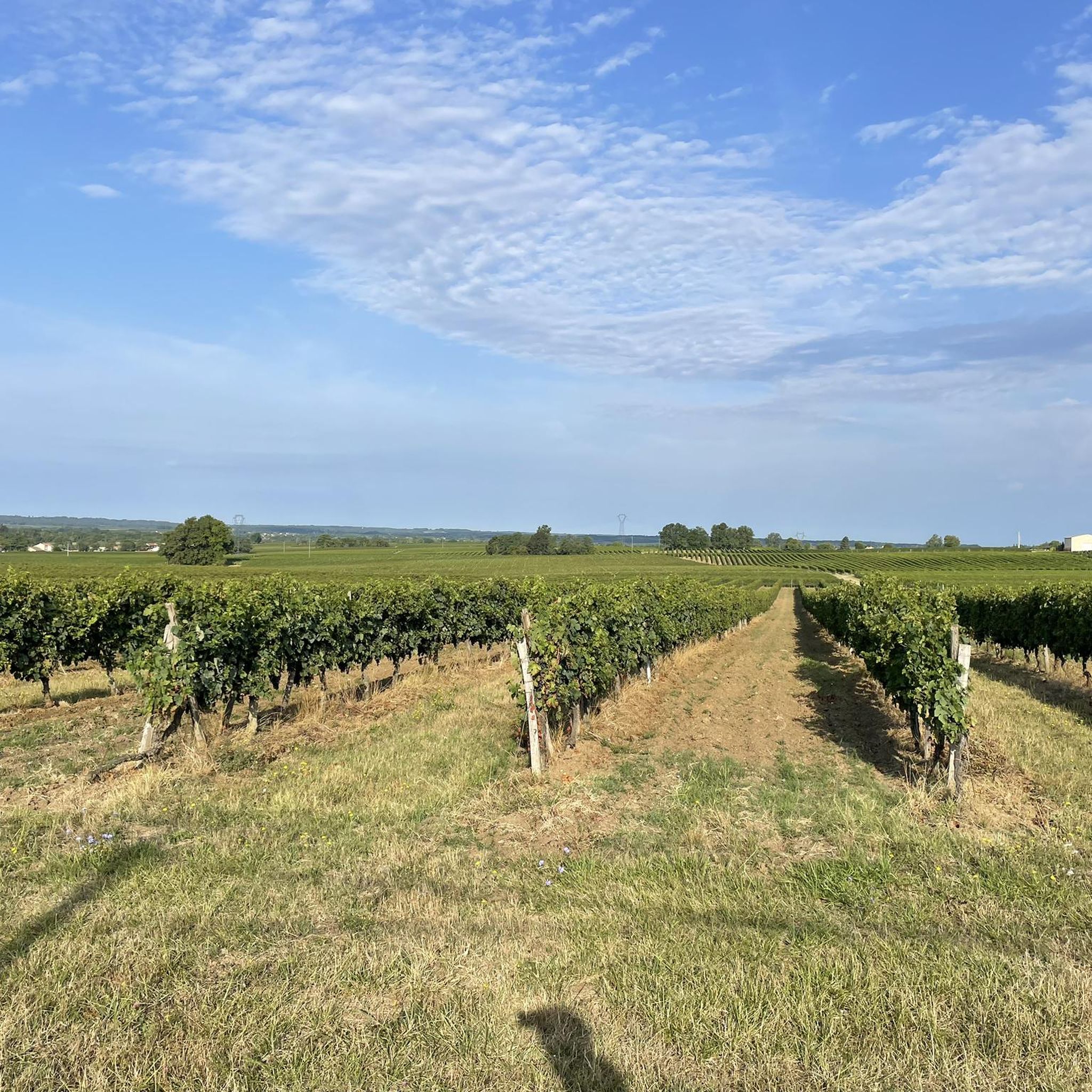
beautiful shaded greenway, enjoyable in summer!
1
0


Using the power of moving water to drive a mill wheel is an ancient invention that dates back to pre-Christian times. Thanks to such a construction, human or animal muscle power could be easily replaced by a watercourse - natural or artificially created - in order to grind grain into corn, for example. There are essentially two different ways of driving watermills: Either the water simply hits the blades of the water wheel from below to set it in motion; or the water is guided above the wheel and falls onto the blades; this type of construction is more efficient due to natural gravity.
2
1

Pretty village in the center of Entre-Deux-Mers - Medieval bastide with ramparts all around, some pretty gates and a central square which is worth a stop...
2
0
Frequently Asked Questions
What historical sites can I explore in Castelmoron-D'Albret?
Castelmoron-D'Albret is rich in history. You can wander through its medieval village architecture with narrow, cobbled streets and ancient stone houses. Key historical sites include the Notre-Dame Church, the Ancient Grain Market (Halles), and the Old Lavoirs at the foot of the village. Remnants of ramparts and a castle tower also speak to its fortified past. For a deeper dive into the region's history, consider visiting Le Moulin de Loubens, an 11th-century mill that has been remodeled multiple times.
Are there any cycling routes near Castelmoron-D'Albret?
Yes, the area is excellent for cycling. The most popular cycling attraction is the Piste Roger Lapébie, a well-shaded cycle path built on an abandoned railway line. Another section, the Roger Lapébie track - Sauveterre to Cessac, offers a pleasant ride through the forest. For more options, you can find various road cycling routes in the area, including those suitable for different skill levels, by visiting the Road Cycling Routes around Castelmoron-D'Albret guide.
What natural features and landscapes can I enjoy around Castelmoron-D'Albret?
The village is built on a rocky outcrop, offering magnificent panoramic views of the surrounding landscape. You'll be immersed in the vineyards of the Entre-Deux-Mers wine region, often called the 'Tuscany of France' for its scenic hills. The area also features several hiking trails that lead through fields, past vineyard cabins, and old windmills, allowing you to fully appreciate the natural beauty.
Are there family-friendly activities in Castelmoron-D'Albret?
While Castelmoron-D'Albret itself is a small, tranquil village, its charm lies in exploring its medieval streets and enjoying the peaceful atmosphere. The cycling paths like the Piste Roger Lapébie are generally family-friendly due to their flat, well-maintained surfaces. Exploring the village's unique architecture and the surrounding natural trails can also be an enjoyable experience for families.
What cultural experiences does Castelmoron-D'Albret offer?
Beyond its historical architecture, Castelmoron-D'Albret boasts charming, flowery streets, with residents actively decorating their homes. You can discover local artisans, including a pottery workshop where you might find unique creations or even participate in workshops. The former Protestant temple now serves as an exhibition hall for local artists, and the village hosts annual events like a potters' market and a significant exhibition of nativity scenes during Christmas.
What hiking opportunities are available near Castelmoron-D'Albret?
There are several hiking trails accessible from the village, including a short 5km 'Boucle locale du moulin' and a longer 10km 'Boucle locale de l'etang.' These trails take you through picturesque fields and past vineyards. For more detailed routes and options, you can consult the Hiking around Castelmoron-D'Albret guide, which includes easy loops like the 'Castelmoron village loop' and the 'Lac de l'Hermitage – Moulin loop'.
What is unique about Castelmoron-D'Albret's architecture?
Castelmoron-D'Albret is renowned for its remarkably preserved medieval architecture. As the smallest commune in France, its compact size enhances the feeling of stepping back in time. You'll find narrow, cobbled streets, ancient stone houses dating back to the 16th-18th centuries, and steep staircases. Each window, shutter, and door often displays unique features, contributing to the village's distinct character.
Are there any notable religious sites in the vicinity?
Within the village, the Notre-Dame Church, restored in the 19th century, adds to the medieval ambiance. A short distance away, you can visit Saint-Ferme Abbey, a significant monastery church with origins dating back to the 6th century, offering a glimpse into the region's religious heritage.
What kind of local crafts or artisan products can I find?
Castelmoron-D'Albret is home to a few local artisans. You can visit a pottery workshop to find unique handcrafted creations and sometimes even participate in workshops. There's also mention of a silversmith and a bar-brocante, which is a bar that also sells antiques and second-hand goods, offering a chance to discover local treasures.
What are some nearby towns or attractions worth visiting from Castelmoron-D'Albret?
While Castelmoron-D'Albret offers a unique experience, the surrounding area has more to explore. The medieval bastide town of Sauveterre-de-Guyenne is a notable nearby attraction, characterized by its ramparts and central market square. The Abbey of La Sauve-Majeure is also often visited by tourists staying in the region.
Can I go running near Castelmoron-D'Albret?
Yes, there are several running trails in the area. You can find various loops of moderate difficulty, such as the 'Bastide of Monségur loop' or the 'Running loop from Le Puy.' For a comprehensive list of routes and their details, check out the Running Trails around Castelmoron-D'Albret guide.
What makes Castelmoron-D'Albret a 'hidden gem'?
Castelmoron-D'Albret is considered a hidden gem due to its unique status as the smallest commune in France by land area, combined with its exceptionally well-preserved medieval character. It offers a tranquil escape from busier tourist spots, allowing visitors to immerse themselves in history, enjoy panoramic vineyard views, and discover local artisan crafts in a serene setting.
Most popular routes around Castelmoron-D'Albret

Get inspired with the komoot mobile app


Explore more
Still not found the Highlight you’re looking for? See guides of the top attractions in other regions:
