Attractions and Places To See around Igé - Top 20
Attractions and places to see around Igé, a commune in Burgundy, France, encompass a variety of historical landmarks, natural protected sites, and cultural points of interest. The area features 17th-century châteaux, medieval mottes, and significant rock formations. Igé is also part of the Natura 2000 network, highlighting its biodiversity and natural landscapes. This region offers a blend of historical exploration and natural beauty for visitors.
Best attractions and places to see around Igé
- The most popular attractions is Vergisson Rock…
Last updated: October 10, 2026
Cluny
Highlight • Settlement
Translated by Google •
Tip by

Voie Bleue along the Saône River
Highlight • Cycleway
Translated by Google •
Tip by

Sign up now to discover places like this
Get recommendations on the best single tracks, peaks, & plenty of other exciting outdoor places.
Tunnel du bois clair
Highlight • Other
Translated by Google •
Tip by

Between Tournus and Mâcon
Highlight • River
Translated by Google •
Tip by
Fleurville Lake
Highlight • Lake
Translated by Google •
Tip by
Sign up for free to discover even more attractions around Igé.
Already have an account?
Start today with a free account
Your next adventure awaits.
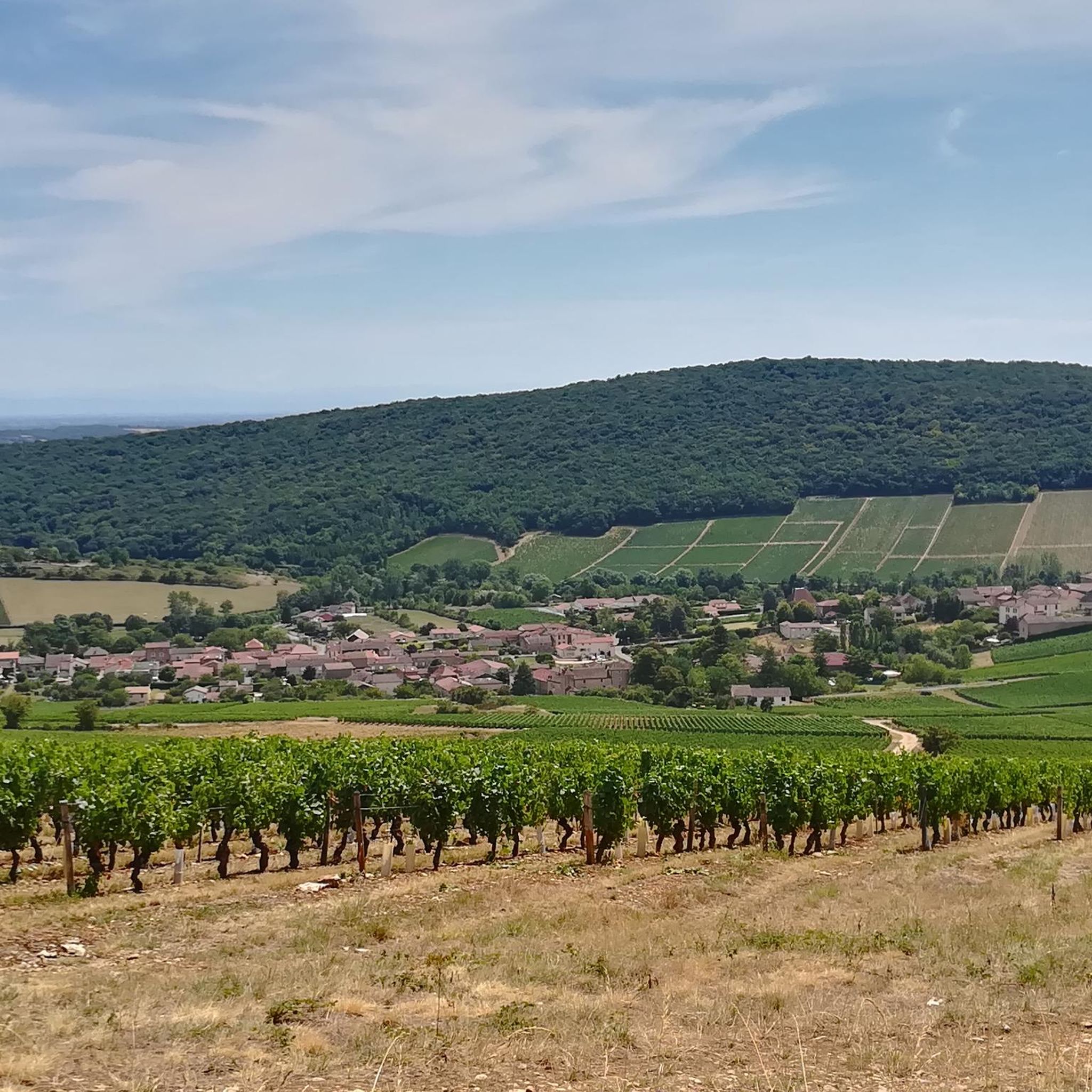
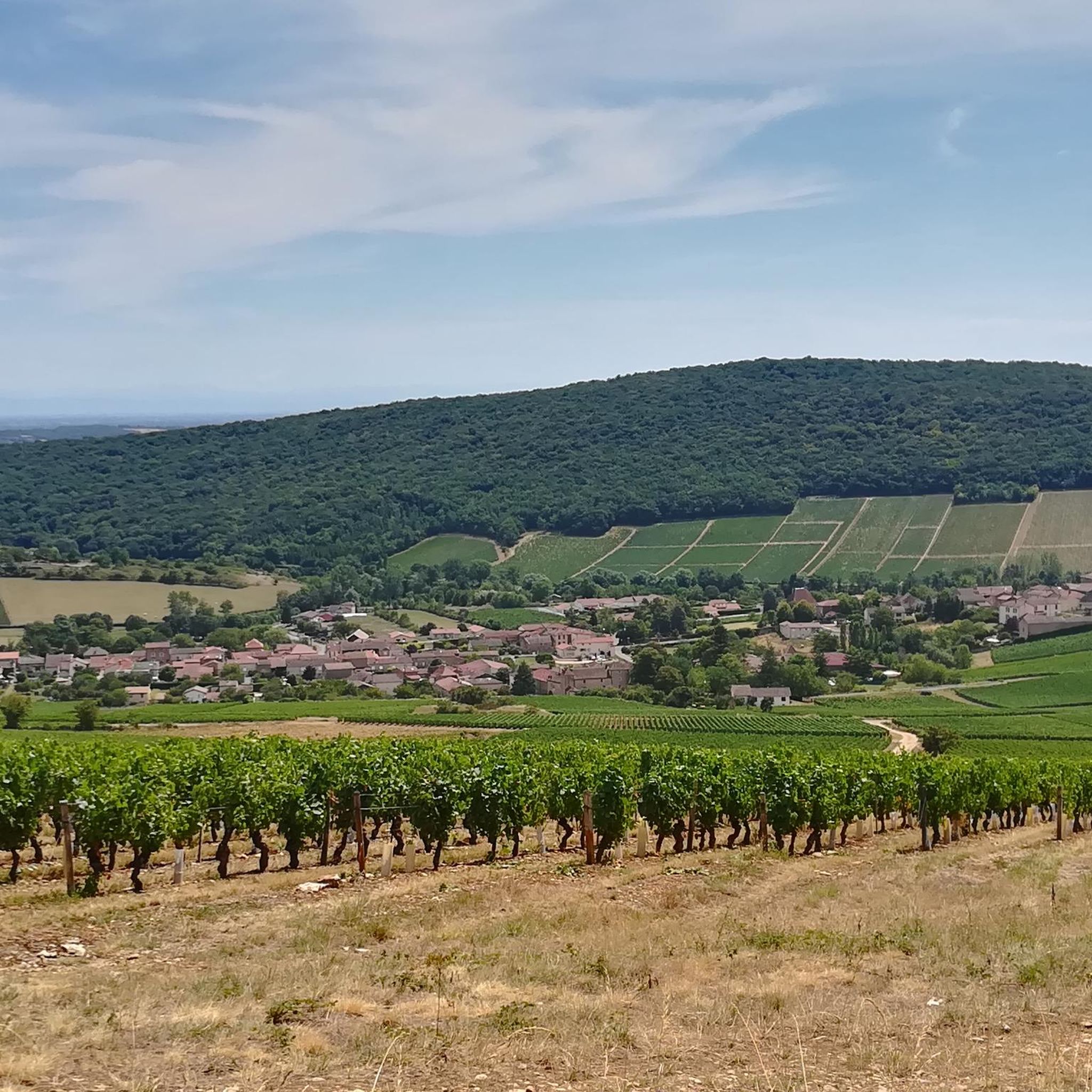
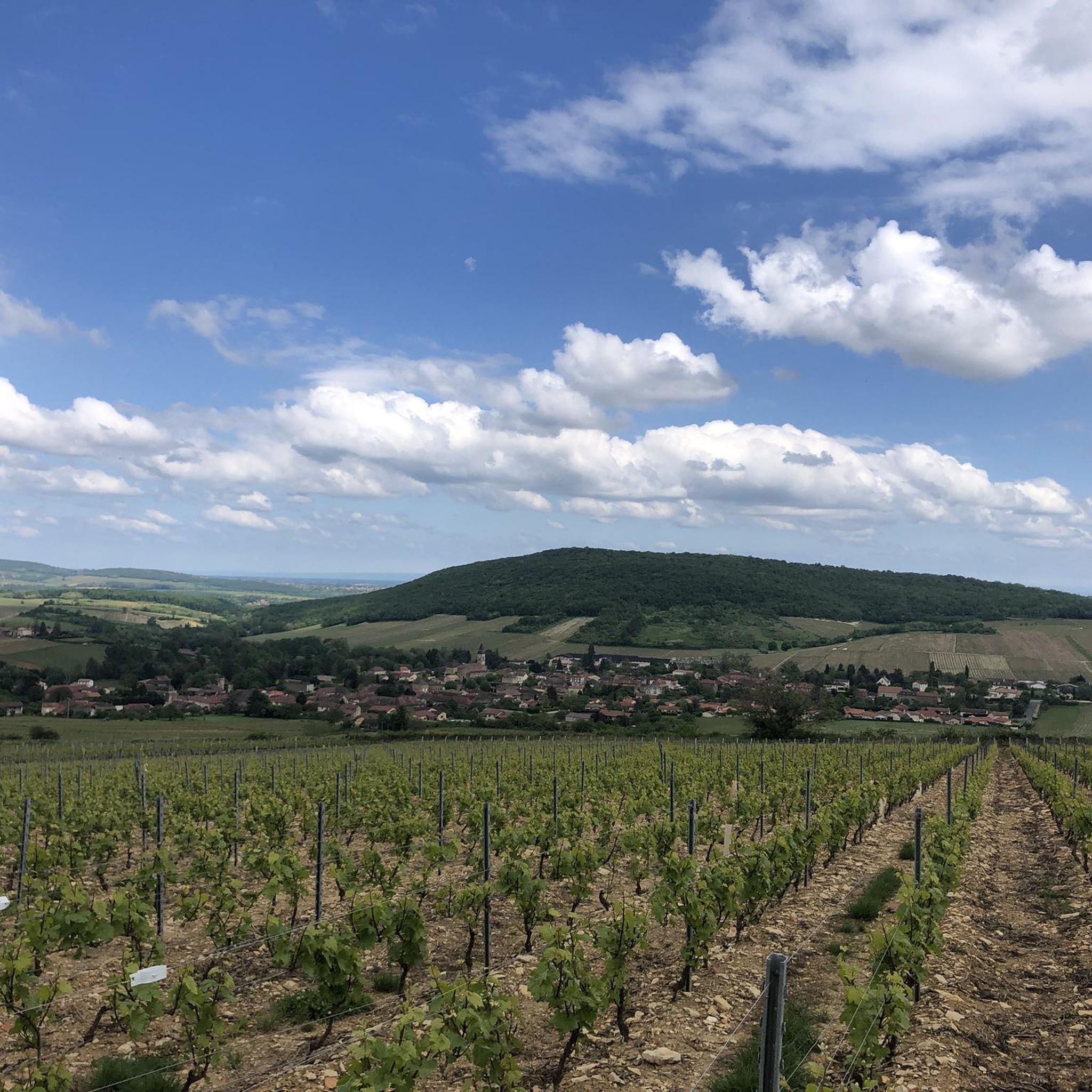
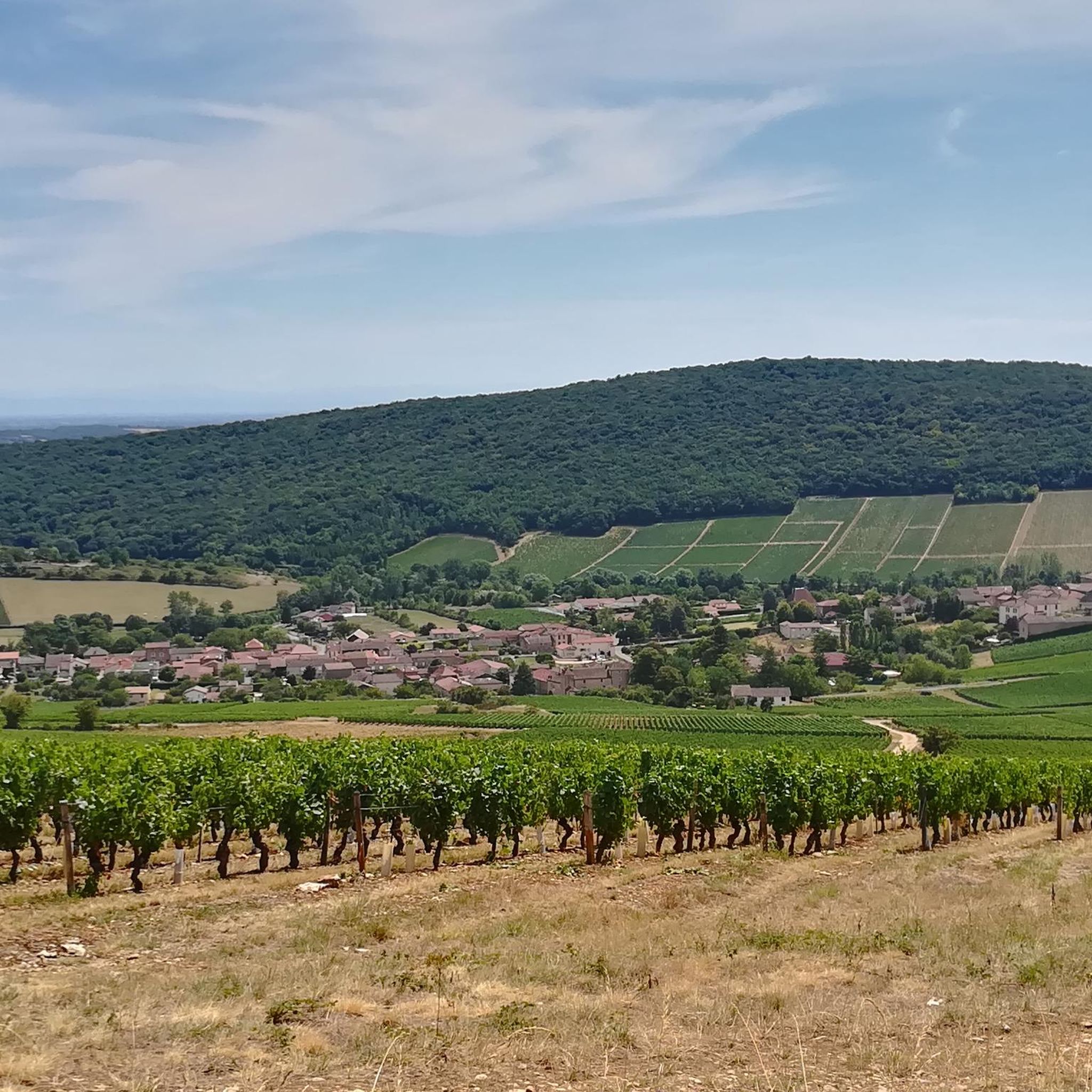

Tips from the Community

The temperature is very pleasant in the tunnel, summer and winter.
0
0

An idyllic, paved cycle path directly on the riverbank. It is a section of the well-known French long-distance cycle route „La Voie Bleue - Moselle-Saône Radweg" (Route V50) along the Saône. The entire long-distance cycle route covers around 700 kilometers from the Luxembourg border town of Apach (near the tripoint) to Lyon. The Saône section follows the natural meanders of the Saône, passing meadows, historic villages, and well-known wine-growing regions such as Mâcon. The route is mostly flat on former towpaths.
0
0
An idyllic, asphalted cycle path right on the riverbank. This is a section of the well-known French long-distance cycle route "La Voie Bleue - Moselle-Saône Radweg" (Route V50) along the Saône. The entire long-distance cycle route runs for around 700 kilometers from the French border town of Apach (near the tripoint) to Lyon. The Saône section follows the natural meanders of the Saône, passing meadows, historic villages, and well-known wine-growing regions such as Mâcon. The route runs mostly flat on former towpaths.
0
0
The Plan d'Eau de Fleurville (also known as Gravière de Fleurville) is a beautiful recreational and natural lake in the Saône-et-Loire department. The body of water is located directly on the border of the municipalities of Saint-Albain and Fleurville on the Saône. It is a former gravel pit that has been renatured and is today an important refuge for biodiversity as well as a popular excursion destination. The lake is equipped with picnic tables, fishing piers, and observation points. It is an excellent place for hiking, cycling (near the Voie Bleue cycle path), and birdwatching (e.g. for storks and migratory birds).
0
0

Along the Saône runs the unfortunately often unpaved, patchy Voie Bleu ("Blue Way"). Incidentally, there is only one Voie Bleu, unlike the Voies Vertes. From Wikivoyage.
1
0
In the Middle Ages, the abbey was one of the most influential spiritual and cultural centers in Europe. Cluny was the mother house of the Cluniac Reform and headed a federation of over 1,200 monasteries. The third abbey church (Cluny was the largest church in the Christian world until the construction of St. Peter's Basilica in Rome). Of the once-mighty complex, only parts of the southern transept remain today, as the abbey was largely used as a quarry and demolished after the French Revolution.
1
0

The town of Cluny was based on the Benedictine monastery (Cluniac Abbey), founded in 910. The abbey was the starting point and center of the Cluniac reform at the beginning of the 10th century. Cluny reached its peak membership at the beginning of the 12th century with approximately 400 monks. The last abbey church (Cluniac 3) was the world's largest Romanesque basilica and, until the construction of today's St. Peter's Basilica in Rome, the largest church in Christendom. The church had seven towers. Although large parts of the building were destroyed, the remaining relics are absolutely remarkable and make a visit to Cluny an unforgettable experience!
2
0
Frequently Asked Questions
What historical landmarks can I explore around Igé?
Igé and its surroundings are rich in history. You can visit the 17th-century Lamartine House, where the famous poet Alphonse de Lamartine spent his childhood. Other notable historical sites include the 17th-century Château de Lonné and Manoir de Bray, the medieval Garenne-de-la-Motte, and the 18th-century Pyramide d'Igé. The Cluny Abbey, a significant center of the Cluniac reform, is also nearby.
Are there any natural attractions or viewpoints near Igé?
Yes, the region boasts impressive natural beauty. The Vergisson Rock offers an unmissable viewpoint at 485 meters above sea level, providing unique views of the Beaujolais valley. Similarly, Mount Saint-Romain, culminating at 579 meters, provides panoramic views of the Clunisois and Haut-Mâconnais. The Coteau de la Butte-des-Rocs is a protected Natura 2000 site known for its biodiversity.
What outdoor activities are available around Igé?
The area around Igé is excellent for outdoor activities. You can explore various routes for hiking, road cycling, and touring cycling. For example, there are moderate to difficult hiking routes like the Col de la Croix de Montmain loop. Cyclists can enjoy road cycling routes such as the Croix de Montmain Pass loop or touring bicycle routes like the Greenway of Southern Burgundy.
Are there any family-friendly attractions in the Igé area?
Families can enjoy several attractions. The Lamartine House offers guided visits that can be engaging for older children interested in history and literature. The nearby Azé Caves and Grottes de Blanot provide an exciting underground exploration experience. Additionally, the natural rock formations like Vergisson Rock can be a fun destination for a family outing with scenic views.
What unique cycling experiences can I find near Igé?
A unique cycling experience near Igé is traversing the Tunnel du bois clair. This is Europe's longest bicycle tunnel, stretching 1600 meters, and is open seasonally from April 14th to June 30th. It's a memorable part of many cycling routes in the region.
What is the significance of Igé's churches?
Igé's churches hold historical and cultural importance. The Église Saint-Martin d'Igé is notable for its sheltered Romanesque porch and column capitals featuring scallop shells, indicating its historical role as a stop for pilgrims on the route to Compostela. The 12th-century Église Notre-Dame de Marcilly, located southeast of Igé, is also listed as a historical monument.
Are there any caves to visit around Igé?
Yes, there are fascinating cave systems nearby. The Azé Caves are approximately 4.8 km from Igé and offer an interesting point of interest for visitors. The Grottes de Blanot are also situated within a reasonable distance, about 9.8 km from Igé, providing more opportunities for underground exploration.
What is the best time to visit Igé for outdoor activities?
While specific data for Igé is not provided, generally, spring (April-June) and early autumn (September-October) offer pleasant weather for outdoor activities like hiking and cycling in Burgundy. The Tunnel du bois clair, for example, is open from mid-April to the end of June, making late spring an ideal time for cyclists.
What do visitors enjoy most about the attractions around Igé?
Visitors particularly appreciate the stunning panoramic views from natural monuments like Vergisson Rock and Mount Saint-Romain. The historical depth of sites like Cluny and the unique experience of cycling through the Tunnel du bois clair are also highly rated. The blend of historical exploration and natural beauty is a common highlight.
Can I find protected natural areas near Igé?
Yes, Igé is part of the Natura 2000 network, highlighting its commitment to natural conservation. The Coteau de la Butte-des-Rocs, a 6.62-hectare protected site, is known for its rich biodiversity, including rare species like the southern damselfly and the King trumpet mushroom. The Bois et coteaux calcaires sous Belleme is another Natura 2000 site in the vicinity.
Are there any castles or manor houses to visit near Igé?
Beyond the historical sites within Igé, several castles and manor houses are located nearby. These include Berzé Castle, approximately 4.3 km away, and Castle Pierreclos, about 8.6 km from Igé. The Manoir de Bray, a 17th-century manor house with a chapel, is also partially listed as a historical monument.
What are some longer hiking options around Igé?
For those seeking longer hikes, there are several moderate routes available. You can explore the Col de la Croix de Montmain loop from Igé, which covers approximately 15.4 km. Other options include the Col des Quatre Vents loop from Vaux-sur-Aine (around 7.3 km) or the Croix de Roche Coche loop from Verzé (around 10.8 km).
Most popular attractions around Igé

Get inspired with the komoot mobile app


Explore more
Still not found the Highlight you’re looking for? See guides of the top attractions in other regions:
