The best mountain hikes in the Rocky Mountains
5.0
(4)
57
hikers
6
hikes
Mountaineering in the Rocky Mountains offers an exceptional experience across a vast expanse of rugged peaks and diverse ecosystems. The region is characterized by majestic, towering peaks, many exceeding 12,000 feet, and dramatic landscapes sculpted by ancient glaciers. High alpine mountains, pristine lakes, and varied terrain provide a challenging and rewarding environment for mountaineers. The Continental Divide also runs through the range, marking significant climatic divisions.
Best mountaineering routes in the Rocky Mountains
- The most popular mountaineering route is Lake…
Last updated: May 7, 2026
5.0
(1)
18
hikers
13.8km
04:25
580m
580m
Moderate mountaineering route. Good fitness required. Easily-accessible paths. Suitable for all skill levels.
5.0
(1)
15
hikers
Moderate mountaineering route. Good fitness required. Easily-accessible paths. Suitable for all skill levels.

Sign up for free
5.0
(1)
9
hikers
7.51km
02:51
520m
520m
Moderate mountaineering route. Good fitness required. Easily-accessible paths. Suitable for all skill levels.
5
hikers
21.1km
06:41
790m
790m
Hard mountaineering route. Very good fitness required. Easily-accessible paths. Suitable for all skill levels.
3
hikers
6.32km
01:40
50m
50m
Easy mountaineering route. Great for any fitness level. Easily-accessible paths. Suitable for all skill levels.
Our route recommendations are based on thousands of hikes, rides, and runs completed by other people on komoot.
Start today with a free account
Your next adventure awaits.
Login or Signup
Popular around Rocky Mountains
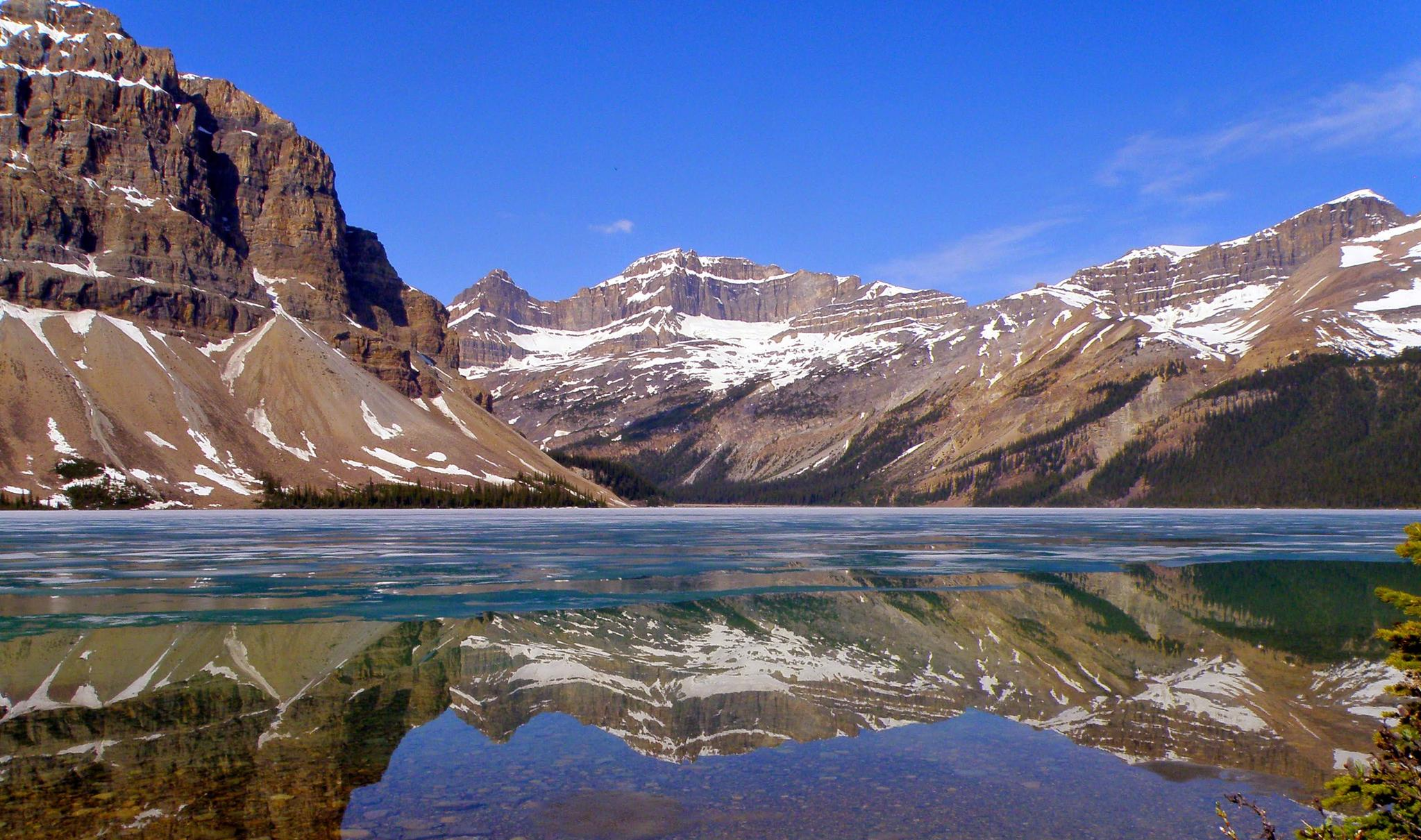
Great Divide Mountain Bike Route — Cycling the spine of a continent
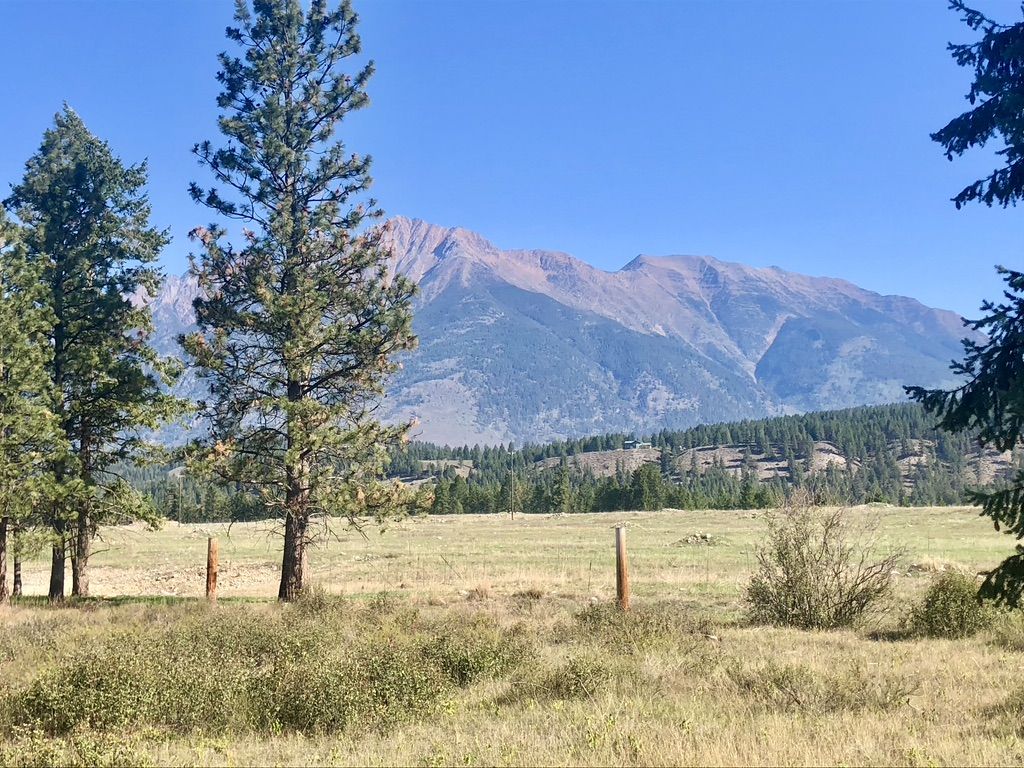
Cross Canada Ride — heading east for 6,800km
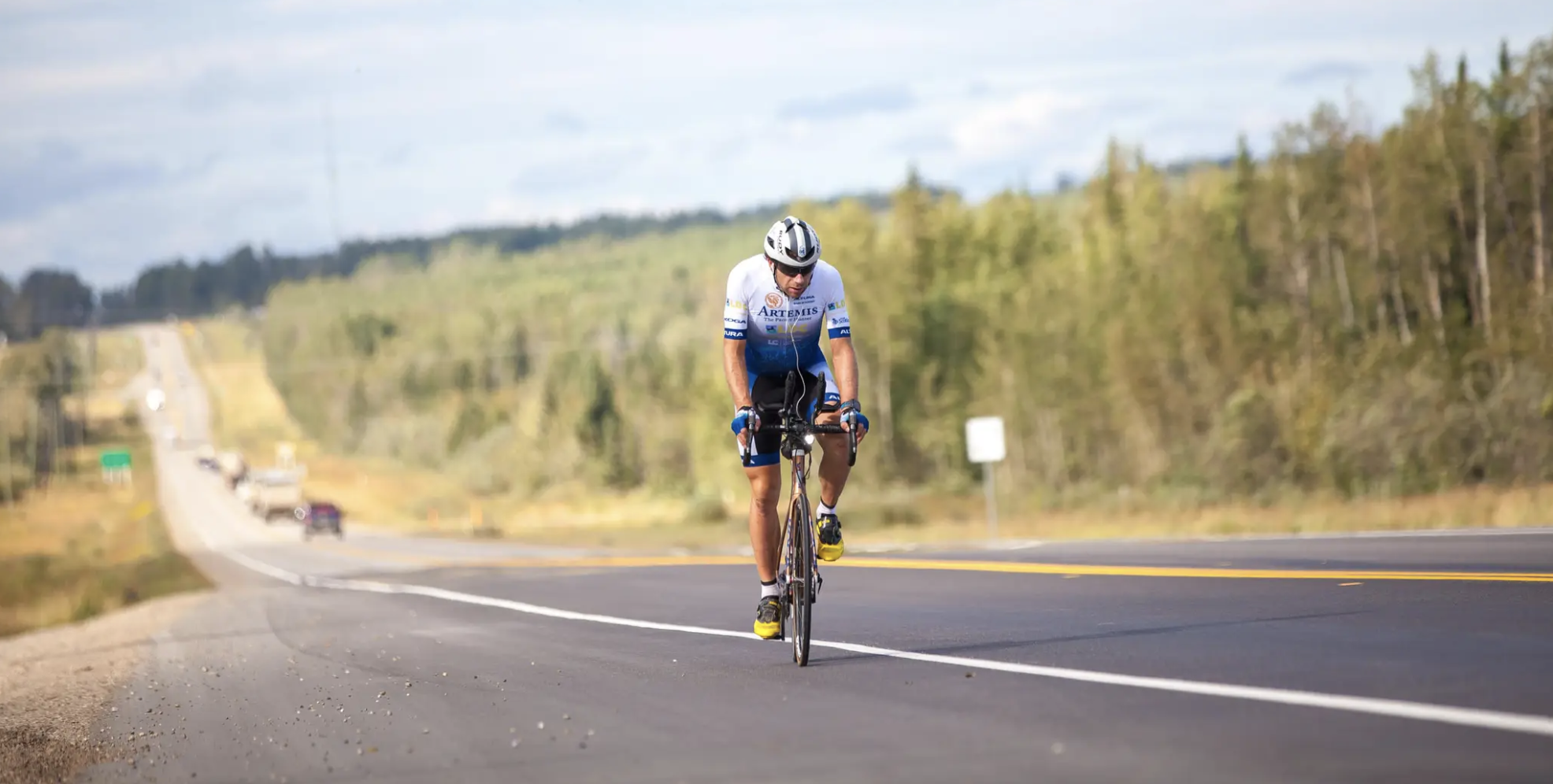
Around the World in 80 Days
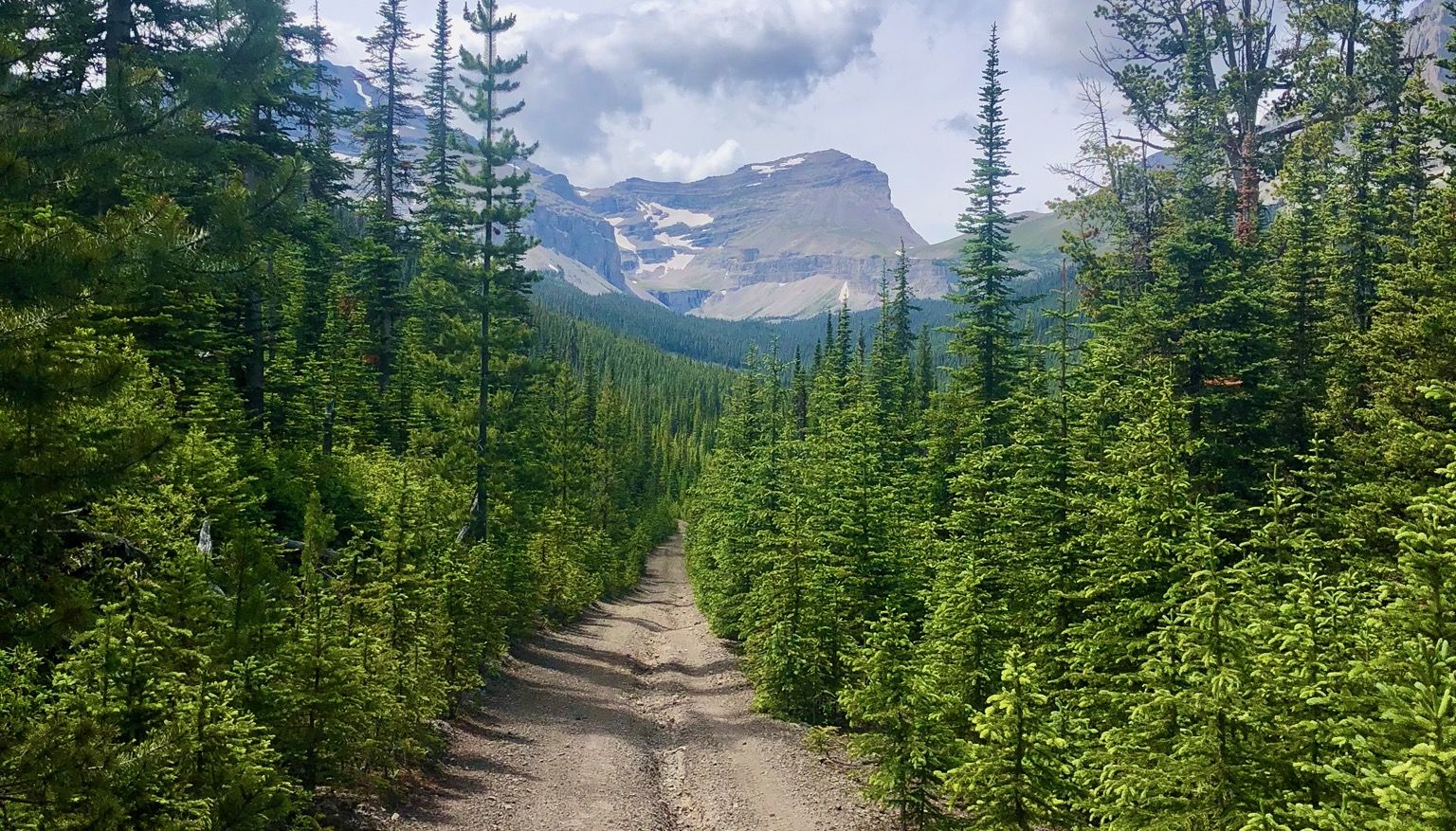
Run the Rockies – mountain range fastpack #5
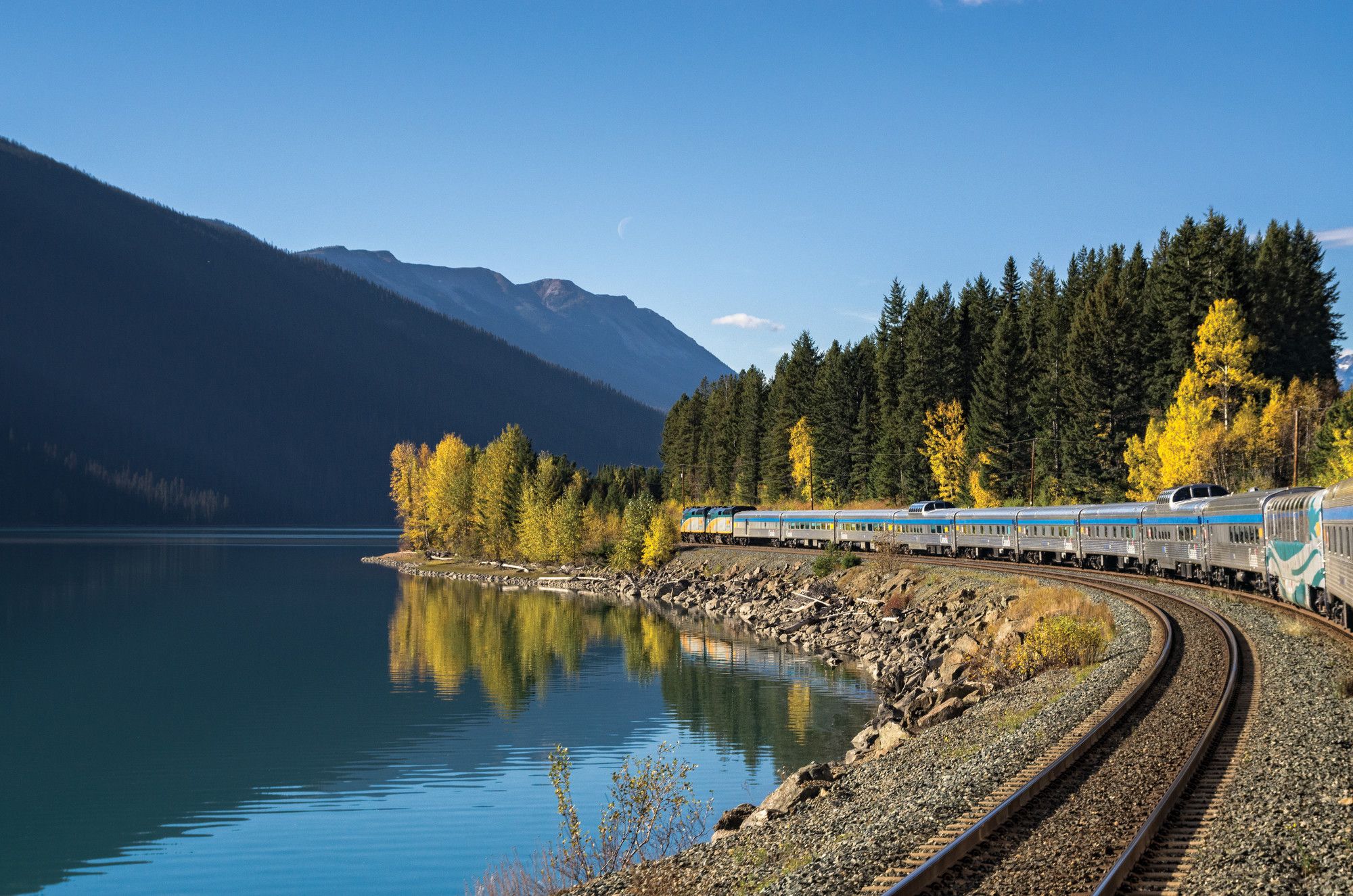
Canada by train – scenic hikes from Western stations
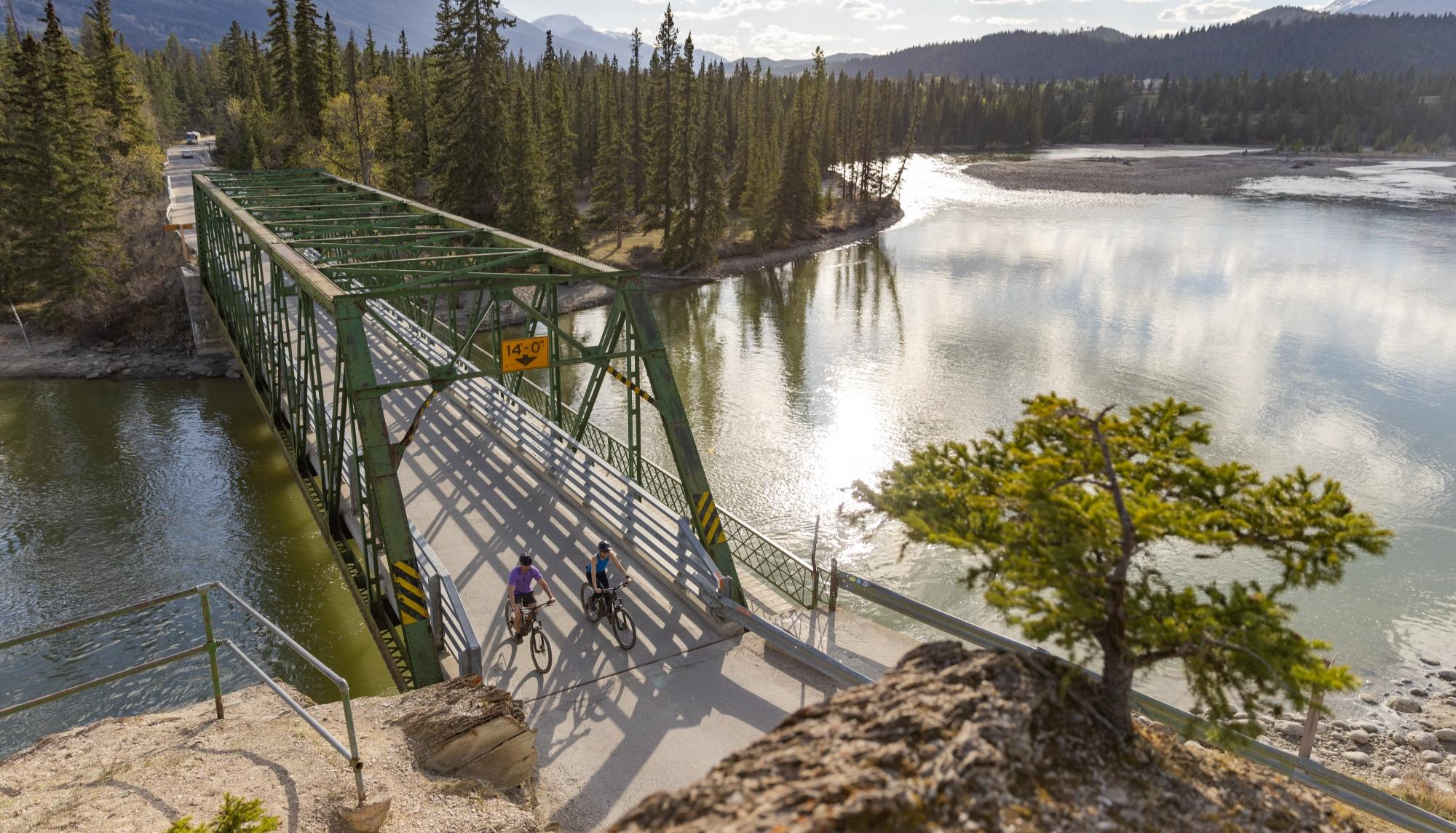
City, forest, river - explore diverse Alberta by bike
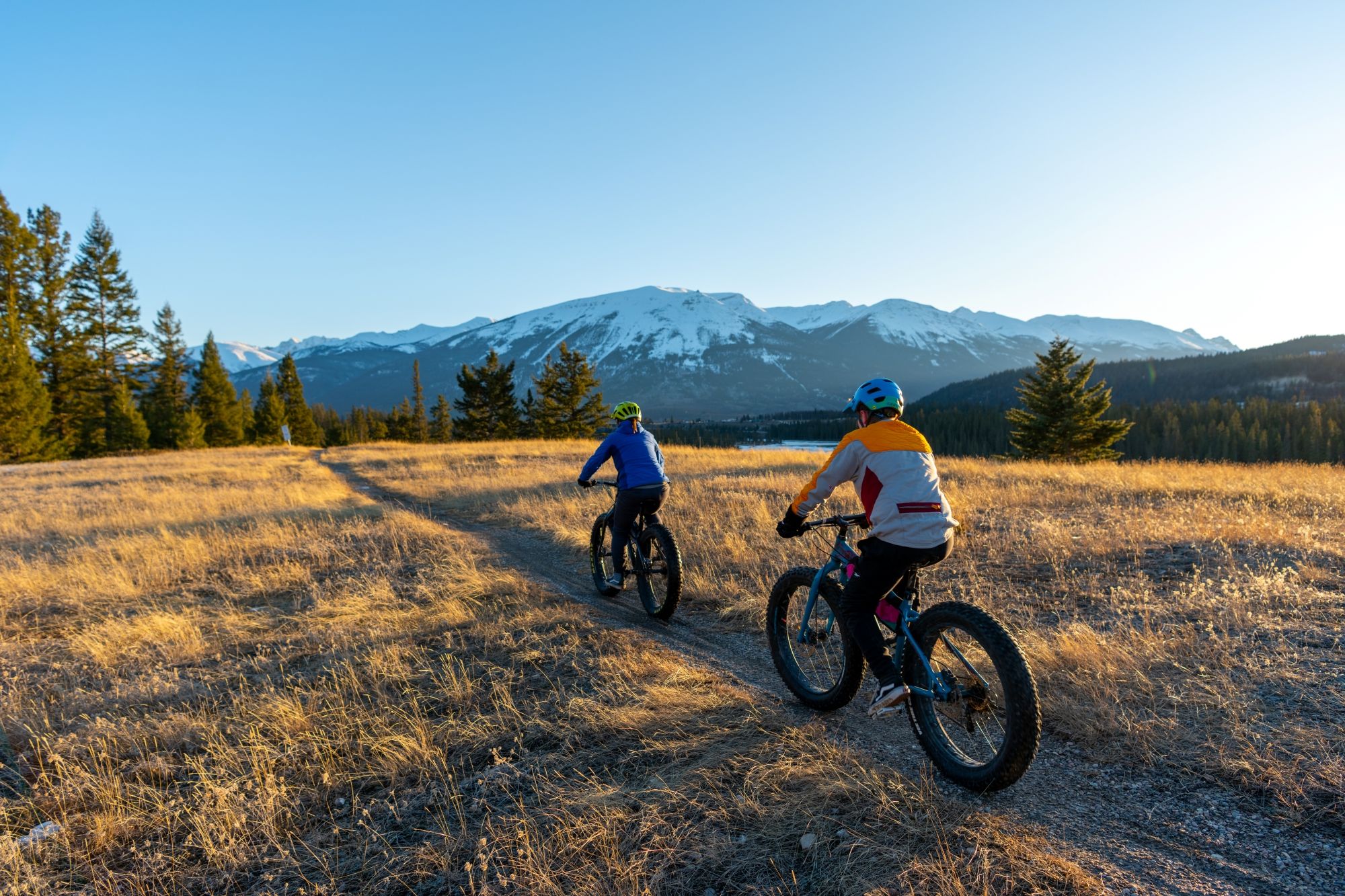
Hop on the trails – mountain biking & fat biking in Alberta
The longest footpath in the world – Trans Canada Trail
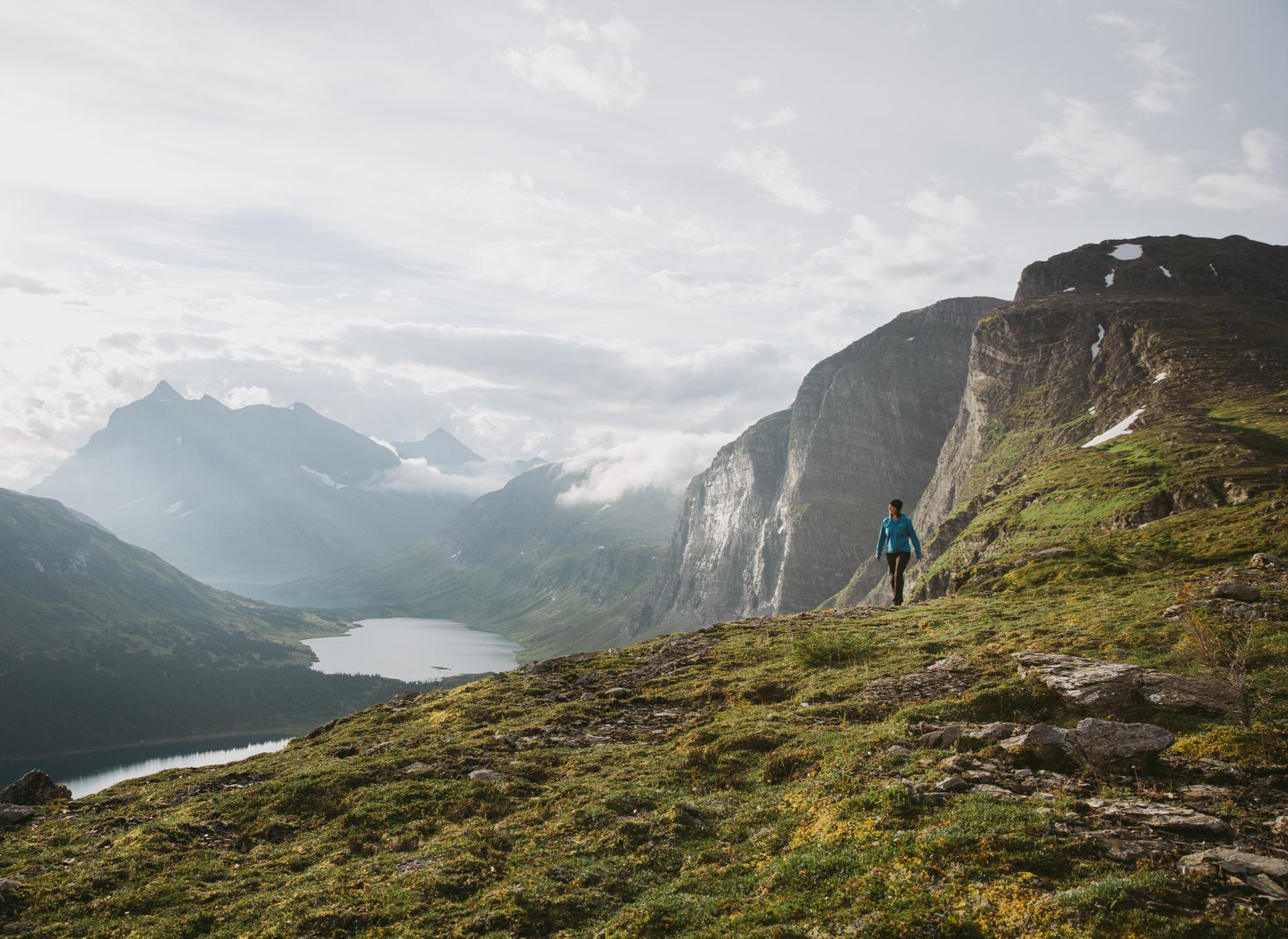
The Great Wilderness – hiking in the vastness of British Columbia
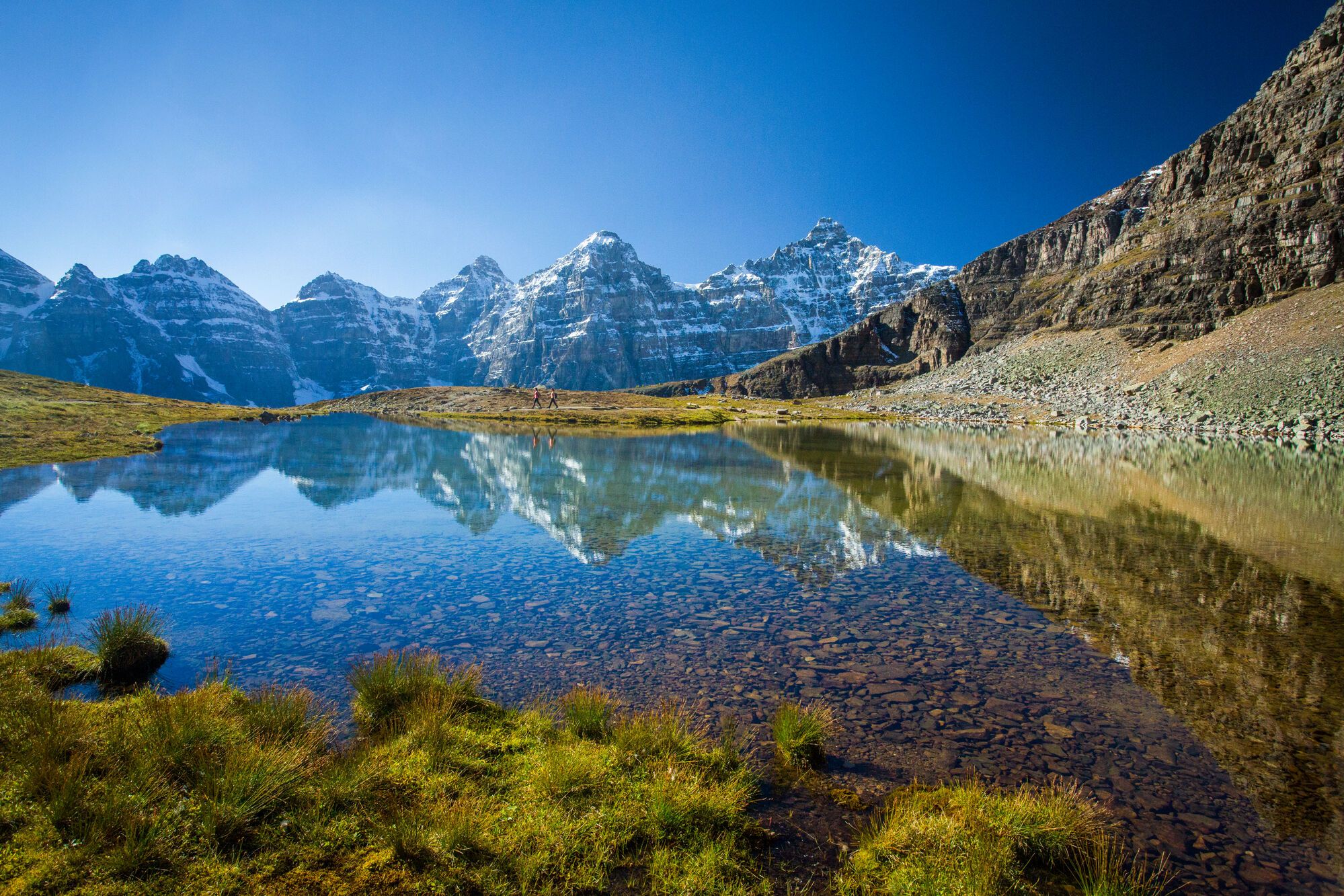
Spectacular road trip hikes – discover Calgary and Southern Alberta
Other adventures in the Rocky Mountains


Tips from the Community

Laughing Falls is a thundering waterfall with a mountain-energy vibe along the Little Yoho River. There are simple wooden bridges for river crossings, picnic benches, and backcountry camping, with bear bag hangs. A Parks Canada pass is required for entry, and a backcountry permit is required for camping.
0
0
Lake Duchesnay is a small alpine lake, part of the Duchesnay Basin, below Mount Duchesnay and Mount Niles. At 2,100 meters above sea level, this glacial-fed lake is shallow and dries up in the summer, but when it has water, it trickles down from snowmelt and small glaciers from the Waputik Range.
1
0
Point Lace Falls flows from a small tributary of Twin Falls Creek; the best views are from late June through September. When it's flowing, it has a delicate "lace-like" water pattern.
1
0

Breathtakingly beautiful. Highly recommended.
0
0

Area: Approximately 0.5 km². Maximum Depth: Around 30 meters. Perimeter length: Approximately 5.2 km.
2
0
It was discovered in 1882 by Tom Wilson, a guide for the Canadian Pacific Railway. He was working on the construction of the railway when a group of Stoney Nakoda guided him towards the lake. He was so impressed by the color of the water that he named it Emerald Lake, in honor of its vibrant emerald green hue.
2
0

The entire hike around the lake is highly recommended and offers great views. I would recommend walking around the lake anti-clockwise so you don't have to walk with the crowds.
0
0

When we were there (unfortunately) there was water only in one of the Twin Falls. In any case spectacular.
0
0
Frequently Asked Questions
How many mountaineering routes are available in the Rocky Mountains?
The Rocky Mountains offer a wide array of mountaineering routes. On komoot, you'll find over 8 routes specifically curated for mountaineering, ranging from easy to difficult, with many more opportunities for exploration across the region's vast network of peaks.
What kind of terrain can I expect on mountaineering routes in the Rocky Mountains?
Mountaineering in the Rocky Mountains features incredibly diverse terrain, shaped by ancient glaciers. You'll encounter rugged peaks, pristine alpine lakes, and varied ecosystems ranging from montane and subalpine forests to expansive alpine tundra. The Continental Divide also runs through the range, marking significant climatic divisions and offering dramatic landscapes.
Are there any easy mountaineering routes suitable for beginners or families?
Yes, there are routes suitable for those looking for a less strenuous experience. For an easy option, consider the Emerald Lake – Emerald Lake loop from Emerald Lake. This route is 6.3 km long with minimal elevation gain, making it a great choice for a more relaxed outing.
What are some notable natural features or landmarks I might encounter on these routes?
The Rocky Mountains are rich in natural beauty and landmarks. Along your routes, you might come across stunning glacial lakes like Lake O'Hara, dramatic mountain passes such as Sentinel Pass or Cory Pass, and breathtaking viewpoints like the View of Mount Rundle. Many routes also feature tea houses, like the Lake Agnes Tea House, offering a unique stop.
What is the best time of year for mountaineering in the Rocky Mountains?
The best season for mountaineering in the Rocky Mountains generally spans from late spring to early autumn, typically June through September. During these months, trails are usually free of snow at lower elevations, and weather conditions are more stable. However, higher peaks can retain snow and ice well into summer, and conditions can change rapidly at any time of year. Always check local weather forecasts and trail conditions before heading out.
Are there any circular routes available for mountaineering?
Yes, many of the mountaineering routes in the Rocky Mountains are designed as loops, offering varied scenery without retracing your steps. Examples include the challenging Lake Agnes Teahouse – Lake Agnes loop from Lake Louise, or the moderate Bald Hills – Sommet Balds hills loop from Maligne Lake Chalet and Guest House.
What are the permit requirements for climbing in the Rocky Mountains, especially in National Parks?
Permit requirements vary depending on your specific activity and location within the Rocky Mountains. For areas within Rocky Mountain National Park, certain climbing activities, especially technical climbs or overnight backcountry trips, may require permits or registration. It's crucial to check the official National Park Service website for the most up-to-date information on permits and regulations before your trip. You can find more details on climbing regulations at nps.gov.
Are there any routes that feature waterfalls?
While specific waterfall-focused mountaineering routes aren't explicitly listed, the glaciated topography of the Rocky Mountains means waterfalls are a common and beautiful feature. The Laughing Falls – Point Lace Falls loop from Takakkaw Falls is a difficult route that will bring you close to impressive water features, as Takakkaw Falls itself is one of the most spectacular waterfalls in the Canadian Rockies.
What do other mountaineers enjoy most about the Rocky Mountains?
The Rocky Mountains are highly rated by the komoot community, with an average score of 5.0 stars from over 9 reviews. Mountaineers frequently praise the region's rugged peaks, pristine alpine lakes, and the diverse ecosystems that offer both challenging ascents and breathtaking scenery. The variety of routes, from moderate to difficult, also makes it a favorite for different skill levels.
Can I find places to eat or stay near the trailheads?
Yes, towns near the Rocky Mountains National Parks, such as Estes Park and Grand Lake, offer various accommodations, cafes, and pubs. These areas serve as excellent bases for exploring the surrounding trails. For example, Estes Park is a popular hub for visitors to Rocky Mountain National Park. You can find more information about visiting Estes Park at visitestespark.com.
What are some of the more challenging mountaineering routes in the region?
For those seeking a significant challenge, the Rocky Mountains offer several difficult mountaineering routes. The Lake Agnes – Devil's Thumb Peak loop from Lake Louise is a demanding 18.6 km route with over 900 meters of elevation gain, providing a true test of skill and endurance. Another difficult option is the Laughing Falls – Point Lace Falls loop from Takakkaw Falls.
Most popular routes in the Rocky Mountains
Most popular attractions in the Rocky Mountains

Get inspired with the komoot mobile app


Explore more
Browse the best Mountain Hikes & Routes in other regions.
