The best road cycling routes around Saint-Christophe
4.6
(51)
383
riders
154
rides
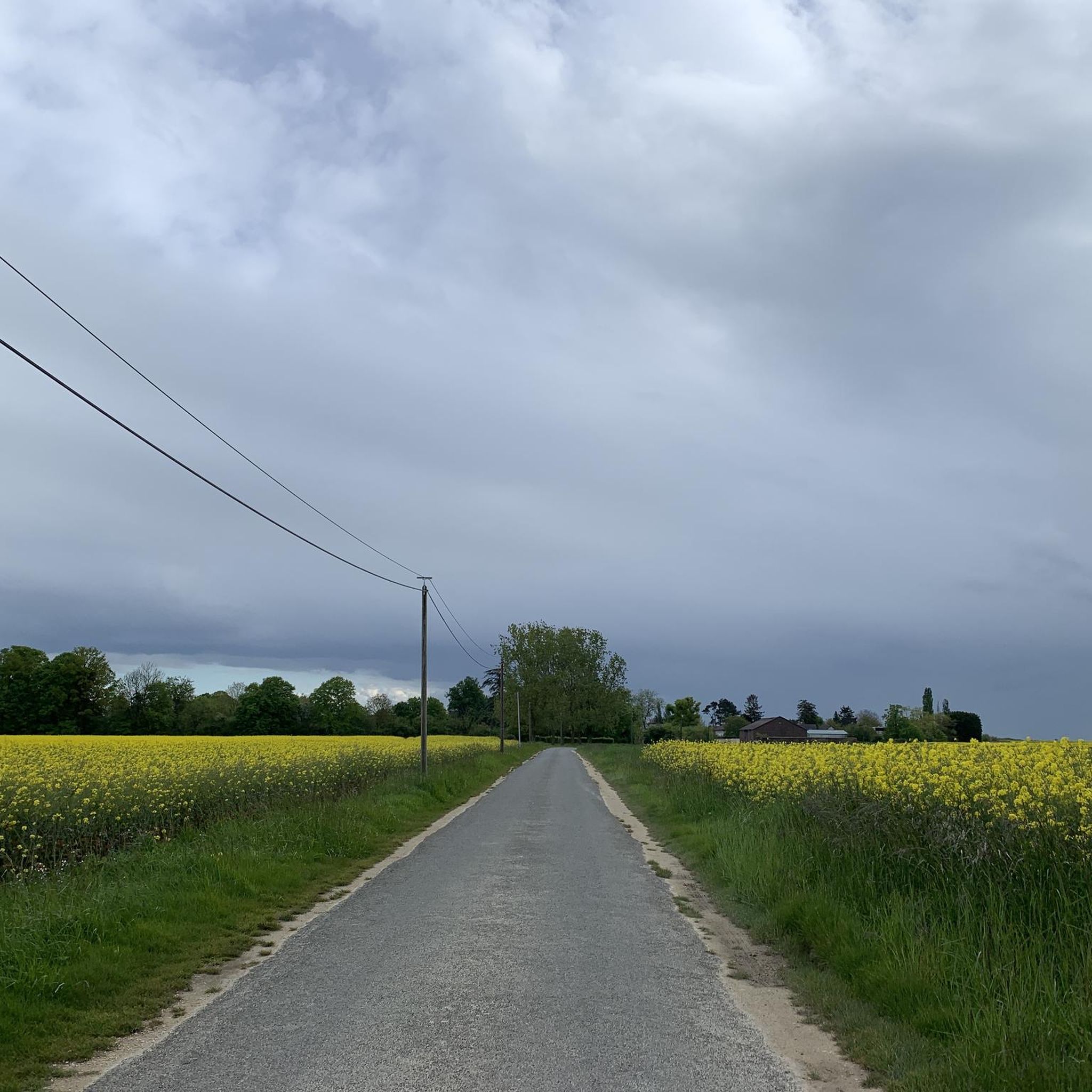
Road cycling routes around Saint-Christophe are characterized by gently rolling terrain, offering a mix of open agricultural landscapes and charming village roads. The region features a network of well-maintained paths suitable for various fitness levels, with minimal significant elevation changes. Cyclists can expect to traverse through rural areas, occasionally passing by historical landmarks and river valleys.
Best road cycling routes around Saint-Christophe
- The most popular road cycling route is Discovery of the North of Châteaudun, a 80.6 miles (129.8…
Last updated: October 7, 2026
130km
05:04
360m
370m
Hard road ride. Very good fitness required. Mostly well-paved surfaces and easy to ride.
14
riders
106km
04:17
560m
560m
Moderate road ride. Good fitness required. Mostly well-paved surfaces and easy to ride.

11
riders
27.5km
01:08
180m
180m
Easy road ride. Great for any fitness level. Mostly well-paved surfaces and easy to ride.
4.9
(12)
14
riders
42.3km
01:52
280m
280m
Moderate road ride. Great for any fitness level. Some segments of this route may be unpaved and difficult to ride.
8
riders
57.3km
02:21
300m
300m
Moderate road ride. Good fitness required. Mostly well-paved surfaces and easy to ride.
Get access to more routes and recommendations from other explorers.
Already have an account?
Our route recommendations are based on thousands of hikes, rides, and runs completed by other people on komoot.
Start today with a free account
Your next adventure awaits.

Tips from the Community

Saint Mames was martyred in Cappadocia around 1274: local legend has it that a saint offers a helping hand to cross the Loir. On April 17, 1707, thunder struck the bell tower.
0
0

This church in Meslay-Le-Vidame, whose architecture reflects the formal language of antiquity, was dedicated to the patron saint of Saint Etienne. He was one of the first seven deacons of the original Jerusalem church and, according to the biblical accounts in the New Testament, the first martyr (martyr) of early Christianity. The church commemorates his death on Boxing Day, December 26th. As the Acts of the Apostles recounts: When Stephen recounted his vision of the open heavens, "And he, full of the Holy Spirit, looked up into heaven and saw the glory of God, and Jesus standing at the right hand of God" (Chapter 7, Verse 55), the people were so outraged that they drove him out of the city and stoned him.
0
0
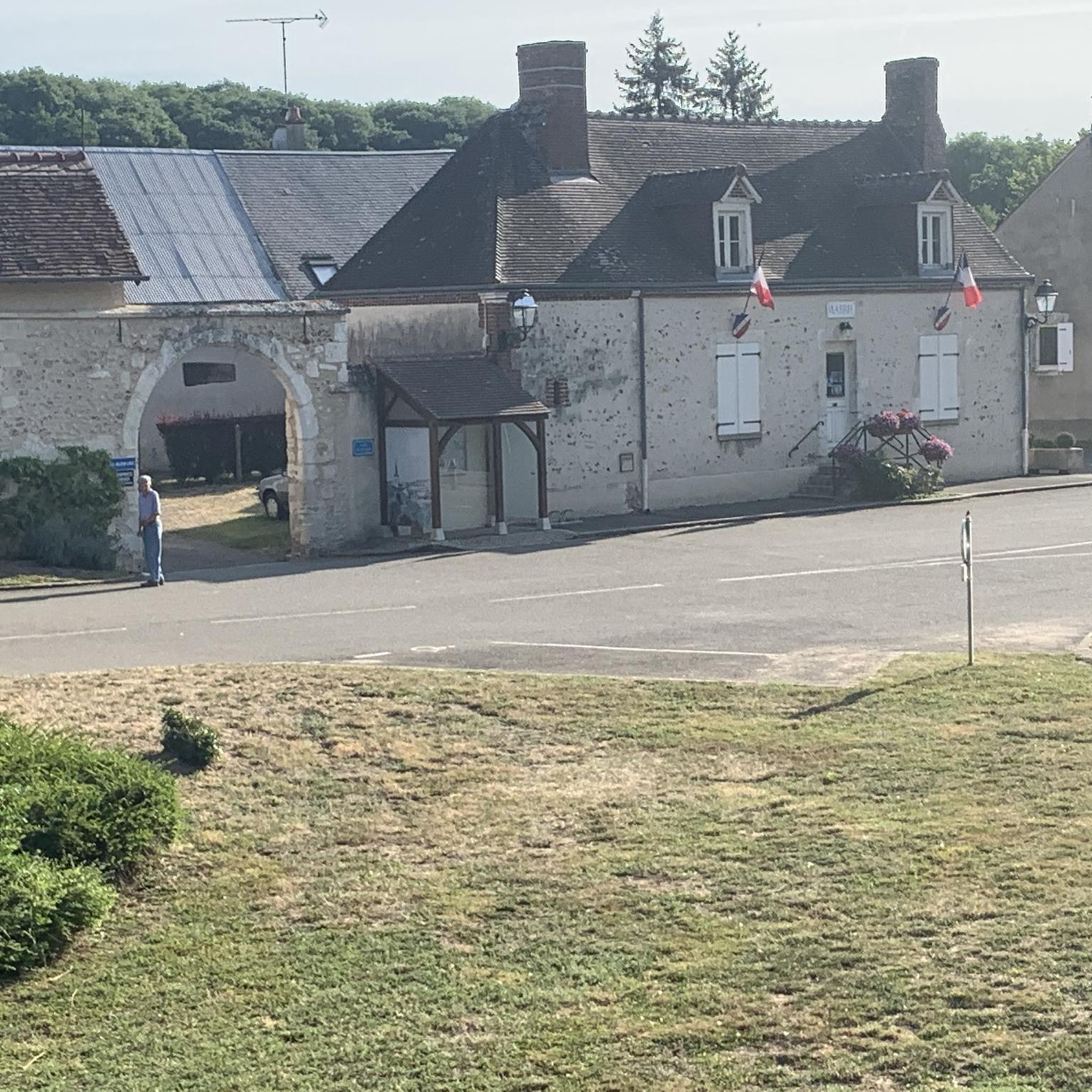
This small village (Wikipedia lists only 148 inhabitants at the beginning of 2022) has a truly grand name: Saint Christopher. The choice of this patron saint is very fitting for a place located on the banks of a river. According to tradition, Christopher was a giant who carried people across a river. One day, a child (who was Jesus, though he didn't know it) called to him, and he took the child on his shoulders and waded through the water. Hence his name, which means "Christ-bearer."
0
0
The Henri Ey Hospital Center is a departmental public health establishment, specialized in psychiatry, which provides a mission of prevention and reception, care, aftercare and reintegration in mental health in Eure-et-Loir. It provides care in adult, child and adolescent psychiatry, as well as a medico-social activity in the field of geriatrics and psychological and mental disabilities.
0
0

Porte de Boisville Its ogival portal opens into a thick quadrangular massif where there was a room for operating the portcullis. We can still see the groove in the thickness of the walls. On the left and right two small funnel-shaped spaces allowed the defenders to observe and repel the enemies who appeared on the bridge. The gate was topped by a building serving as a guardhouse which was demolished in 1761. The guarding of these doors and their keys was in the troubled times of the Hundred Years' War the subject of concern for the inhabitants and also a source of quarrels and trials between the city and the abbey. This gate is preceded by a bridge of 5 stone arches, the one adjoining the gate was built in 1774 and replaced a drawbridge which defended the entrance.
0
0

Bonneval, nicknamed the little Venice of Beauce
0
0
This large neo-Renaissance style fountain was inaugurated in 1860 to symbolize the arrival a few years earlier of a modern drinking water supply system in the upper town. It is topped by a dome with lantern and a phoenix, this mythical bird which is reborn from its ashes and which perfectly symbolizes the rebirth of the city after fires, the most important of which was the dramatic fire of 1723.
0
0
The construction of the old Madeleine abbey dates back to the middle of the 12th century. This large Romanesque building has undergone successive alterations as well as a long restoration following a fire in 1940 but it remains the largest and most majestic religious building in the city. The now stripped interior appearance of the building only reinforces the majesty of the place. The beautiful south portal remained hidden behind the medieval city wall for a long time before being rediscovered at the end of the 19th century. Unlike the north facade, it has retained magnificent sculpted arches from the 12th century. The choir was rebuilt in the 16th century without the large ambulatory which previously existed but you can still admire a Renaissance tomb from the beginning of the 16th century in the apse.
0
0
Frequently Asked Questions
What kind of terrain can I expect on road cycling routes around Saint-Christophe?
Road cycling routes in Saint-Christophe are characterized by gently rolling terrain, offering a pleasant mix of open agricultural landscapes and charming village roads. You'll find a network of well-maintained paths with minimal significant elevation changes, making it suitable for various fitness levels.
How many road cycling routes are available in Saint-Christophe?
There are over 140 road cycling routes available around Saint-Christophe, ranging from easy loops to more challenging long-distance rides. This extensive network ensures options for all ability levels.
Are there any easy road cycling routes suitable for beginners or leisurely rides?
Yes, Saint-Christophe offers many easy routes. For example, the Bonneval – Saint Mamert Church loop from Flacey is an easy 17.1-mile (27.5 km) trail that takes about 1 hour 8 minutes to complete, leading through quiet village roads. There are 57 easy routes in total.
What are some of the longer, more challenging road cycling routes?
For those seeking a longer challenge, the Discovery of the North of Châteaudun is a difficult 80.6-mile (129.8 km) trail that takes approximately 5 hours 3 minutes to complete, offering a long-distance ride through varied rural scenery.
What historical landmarks or points of interest can I see along the routes?
Many routes pass by historical sites and charming villages. You can explore places like Château de Châteaudun, Bonneval, and Porte de Boisville. The Château de Châteaudun – Saint Hilaire Church loop from Jallans is a moderate route that specifically highlights historical sites.
Are there any circular road cycling routes in Saint-Christophe?
Yes, many routes are designed as loops, perfect for circular rides. The Château de Châteaudun – Saint Hilaire Church loop from Jallans and the Bonneval – Saint Mamert Church loop from Flacey are excellent examples of circular routes that allow you to start and end in the same location.
What do other cyclists say about road cycling in Saint-Christophe?
The road cycling routes in Saint-Christophe are highly rated by the komoot community, with an average score of 4.6 stars from over 30 reviews. Cyclists often praise the open fields, river plains, and small village roads, appreciating the variety of options for both leisurely rides and more demanding distances.
Is Saint-Christophe suitable for family-friendly road cycling?
Given the gently rolling terrain and minimal elevation changes, many of the easier routes are well-suited for families. The network includes numerous paths through quiet rural areas and charming villages, providing a pleasant and safe environment for family rides.
What is the best time of year for road cycling in Saint-Christophe?
While specific seasonal details are not provided, regions with gently rolling agricultural landscapes typically offer pleasant cycling conditions from spring through early autumn. Mild temperatures and less precipitation generally make these months ideal for exploring the open fields and village roads.
Are there any routes that feature castles or other grand estates?
Yes, several routes offer views of impressive estates. Beyond the Château de Châteaudun, you might encounter other castles like Château de Moléans or Alluyes Castle, adding a historical dimension to your ride.
What kind of natural features will I encounter on the road cycling routes?
The routes primarily traverse open agricultural landscapes, river plains, and rural areas. You'll experience scenic views of fields and occasional river valleys, offering a tranquil and picturesque setting for your ride.
Most popular attractions around Saint-Christophe

Get inspired with the komoot mobile app


Explore more
Browse the best Road cycling routes in other regions.
