Attractions and Places To See around Neuville-Sous-Montreuil - Top 20
Attractions and places to see around Neuville-Sous-Montreuil offer a blend of historical landmarks, cultural sites, and natural beauty. This charming commune is nestled at the foot of the Canche river valley, providing picturesque views and opportunities for outdoor activities. The area is known for its significant historical points of interest, including a prominent Carthusian monastery. Visitors can explore both the local sites and those in the nearby town of Montreuil-sur-Mer.
Best attractions and places to see around Neuville-Sous-Montreuil
- The most…
Last updated: July 7, 2026
Étaples: Sculptures and street art
Highlight • Settlement
Translated by Google •
Tip by

Montreuil and its citadel
Highlight • Other
Translated by Google •
Tip by

Sign up now to discover places like this
Get recommendations on the best single tracks, peaks, & plenty of other exciting outdoor places.
Sign up for free
View of Étaples harbor
Highlight • Viewpoint
Showing Translation
Tip by

Saint Saulve Abbey Church
Highlight • Other
Translated by Google •
Tip by
Chapelle Sainte Austreberthe
Highlight • Religious Site
Translated by Google •
Tip by

Sign up for free to discover even more attractions around Neuville-Sous-Montreuil.
Sign up for free
Already have an account?
Start today with a free account
Your next adventure awaits.
Login or Signup


Tips from the Community


Montreuil on the sea
1
0
Montreuil on the sea
1
0

The origins of Montreuil, whose name derives from the Latin 'monasteriolum' (small monastery), are closely linked to its religious history. The abbey church of Saint-Saulve in Montreuil-sur-Mer was built in the 12th century and is located on the site of an older monastery dedicated to Saint Walloy, founded in the 10th century. In 926, the monks of Landévennec (Finistère) fled the Norman invasions and found refuge in Montreuil, where they founded the abbey of Saint-Walloy (local deformation of the name Saint Guénolé). In 1111, this abbey changed its name when the remains of Saint-Saulve were brought there. In its original design, the building had a layout typical of pilgrimage churches with an ambulatory and radiating chapels. In the Middle Ages, the numerous relics attracted pilgrims to Montreuil and gave the town a character of holiness. It was then nicknamed 'The Necropolis of Ponthieu'. The reconstruction after the earthquake of 1467 caused the collapse of at least six religious buildings, including the Hôtel-Dieu and the Saint-Saulve church, which was completely rebuilt at the beginning of the 16th century.
7
0
The Abbey of Sainte-Austreberthe is one of two large monasteries in Montreuil-sur-Mer, originally founded in the 10th century. The protection offered by the ramparts in the context of Viking raids gave the Norman nuns of Pavilly the certainty of preserving the relics of their patron saint: Austreberthe. She is a Merovingian aristocrat from Marconnes near Hesdin. The current buildings were built in 1736 and 1750. They still include the cloister and the chapel. During the French Revolution, the nuns temporarily left France for England, taking with them the treasure trove of sacred art and the relics it contained. With the dissolution of the community at the beginning of the 19th century, works of art and precious reliquaries, including the crosier of Saint Austreberthe, were deposited in the abbey church of Sainte-Saulve, where they are still located.
8
0

Here, there is a series of artworks and sculptures, including “BLACK MAN” by Bruno Catalano. Take a stroll and let yourself be transported by these artistic manifestations.
3
0

Montreuil is a royal citadel built in the 16th century on the foundations of an ancient castle. You can explore the citadel and its fortifications, admire the architecture and views of the Canche valley, and discover the history of the site. You can also visit the museum located inside the citadel, which features exhibits on the military and natural heritage of the region.
5
1
Frequently Asked Questions
What historical sites can I visit in and around Neuville-Sous-Montreuil?
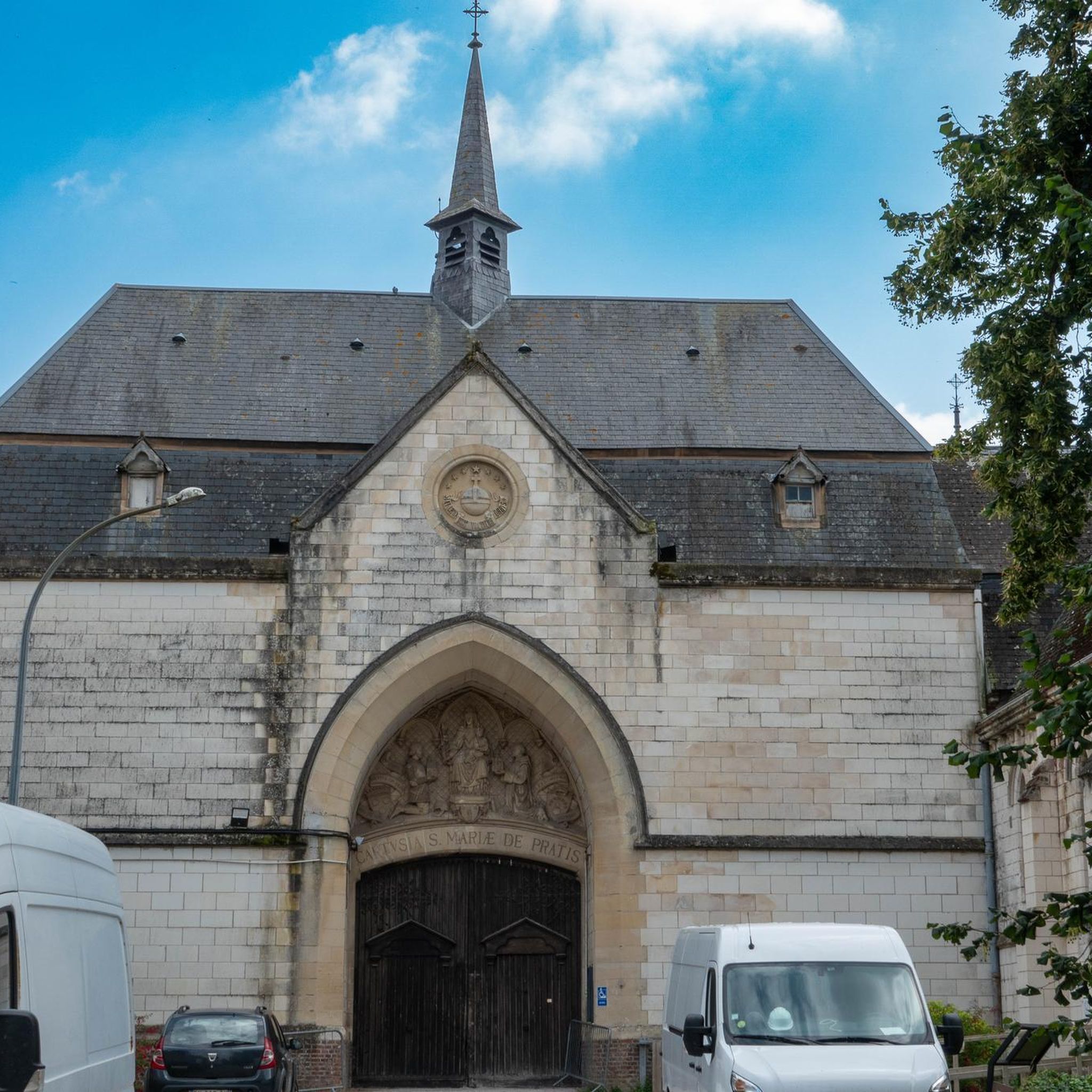
Neuville-Sous-Montreuil is home to the significant Chartreuse de Neuville (Notre-Dame-des-Prés), a historic Carthusian monastery founded in 1323. It's recognized as the largest preserved Carthusian monastery in France and now serves as a cultural center with gardens. Nearby, in Montreuil-sur-Mer, you can explore Montreuil and its citadel, a 16th-century royal citadel with fortifications, a museum, and views of the Canche valley. Also in Montreuil, visit the 11th-century Saint Saulve Abbey Church and the Chapelle Sainte Austreberthe, part of a former large monastery.
Are there any natural attractions or scenic viewpoints in the area?
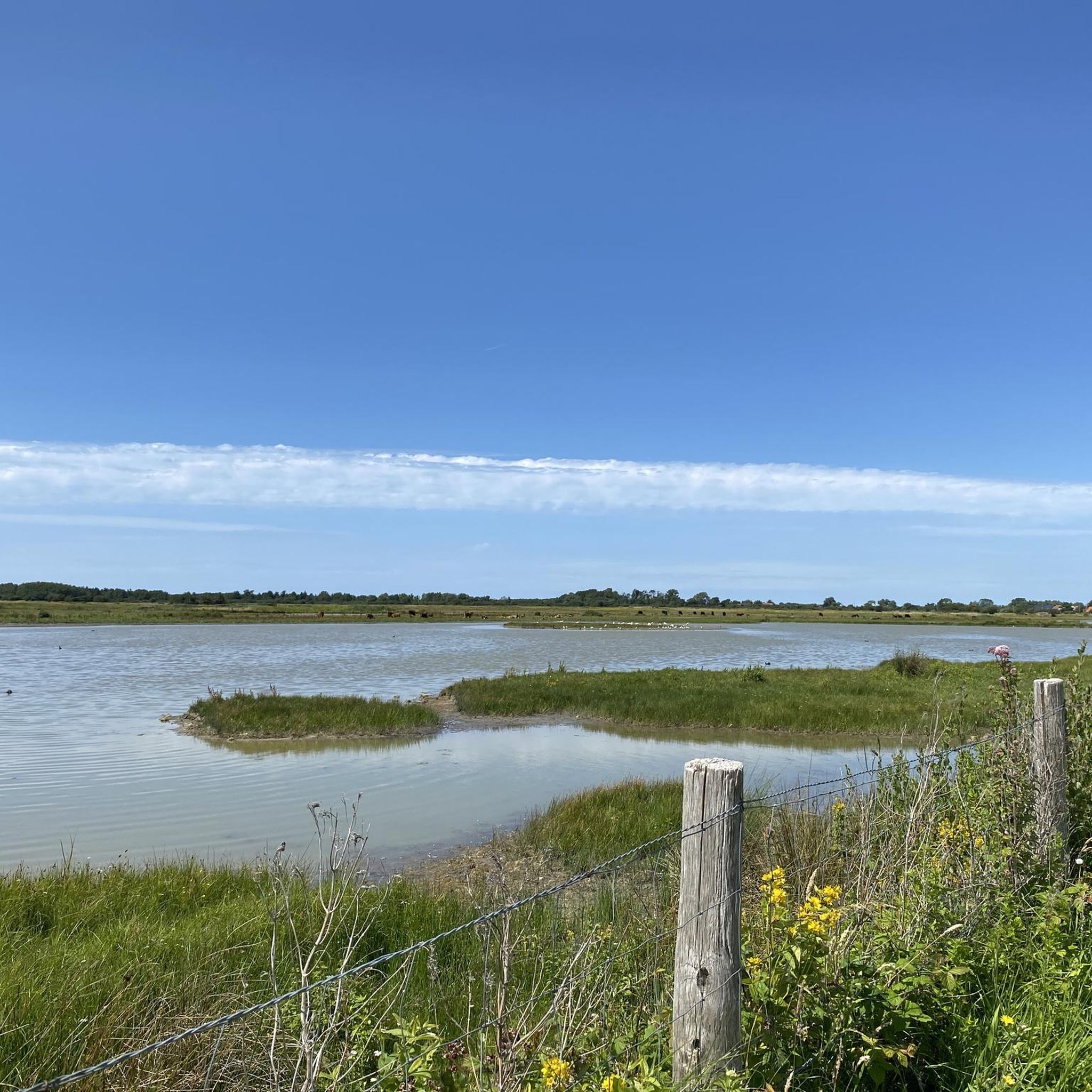
Yes, Neuville-Sous-Montreuil is nestled at the foot of the Canche river valley, offering picturesque views. A notable scenic spot is the View of Étaples harbor, a viewpoint where the Canche river widens into an estuary. This location provides insights into the local tides and the river's connection to the sea.
What kind of outdoor activities can I do near Neuville-Sous-Montreuil?
The area around Neuville-Sous-Montreuil is ideal for various outdoor activities. You can find numerous hiking and cycling trails that allow you to explore the surrounding nature and historical sights. For specific routes, consider exploring the available options for hiking around Neuville-Sous-Montreuil, cycling, or even gravel biking.
Are there family-friendly attractions or activities available?
While specific family-friendly activities are not detailed for every site, the Chartreuse de Neuville with its gardens can be an engaging visit for families. Exploring the fortifications of Montreuil and its citadel offers an interactive historical experience. Additionally, the View of Étaples harbor is categorized as family-friendly, providing an accessible spot to observe the river and learn about tides.
Where can I find unique art or cultural displays in the vicinity?
For unique art and cultural displays, head to Étaples, where you can discover Étaples: Sculptures and street art. This town has a rich artistic heritage and features a series of artworks and sculptures, including pieces by Bruno Catalano and Sacha Fasquel, reflecting its tradition of sculpture and connection to local history.
What are some popular hiking trails near Neuville-Sous-Montreuil?
There are several popular hiking trails in the vicinity. For example, you can find routes like 'The citadel – Wide view of the country side loop from Montreuil-sur-Mer' (12.2 km, moderate) or 'Entrance to the casemates – The citadel loop from La Madelaine-sous-Montreuil' (5.6 km, easy). More options are available on the hiking guide for Neuville-Sous-Montreuil.
Can I find cycling routes that explore the local landscape?
Absolutely. The area offers various cycling routes, including options like 'Banks of the Canche – Le Touquet-Paris-Plage loop from Montreuil-sur-Mer' (36.2 km, moderate) or 'Montreuil and its citadel – The Pebble Bridge loop from Montreuil-sur-Mer' (56.5 km, moderate). You can explore more routes on the cycling guide for Neuville-Sous-Montreuil.
What is the significance of the Canche river in this region?
The Canche river is central to the region's geography and history. Neuville-Sous-Montreuil is situated at its confluence with the Course, offering scenic views. Historically, Montreuil-sur-Mer, though inland, was a significant seaport due to the Canche, which allowed boats to reach its port. The river's estuary near Étaples is also a key natural feature, with its water level indicating tidal movements.
Are there any gardens or green spaces to visit?
Yes, the Chartreuse de Neuville features unique gardens inspired by monastic tradition. These include a vegetable garden, medicinal plant garden, a cloister garden, and walking paths, offering a peaceful green space to explore. You can find more information about the gardens on the Tourisme en Hauts-de-France website.
What do visitors enjoy most about the attractions around Neuville-Sous-Montreuil?
Visitors particularly appreciate the blend of rich history and natural beauty. The historical depth of sites like the Chartreuse de Neuville and Montreuil and its citadel, combined with the picturesque views of the Canche valley from spots like the View of Étaples harbor, are frequently highlighted. The artistic heritage found in places like Étaples: Sculptures and street art also adds a unique cultural dimension to the visitor experience.
Can I learn about the military history of the region?
Yes, the region has a notable military history. The Montreuil citadel, built in the 16th century and later modified by Vauban, offers insights into its defensive past. A museum inside the citadel features exhibits on the region's military heritage. The Chartreuse de Neuville also served as a military hospital during both World Wars, adding another layer to the area's historical significance.
Most popular routes around Neuville-Sous-Montreuil

Get inspired with the komoot mobile app


Explore more
Still not found the Highlight you’re looking for? See guides of the top attractions in other regions:
