Top 11 Mountain Passes around Niort-De-Sault
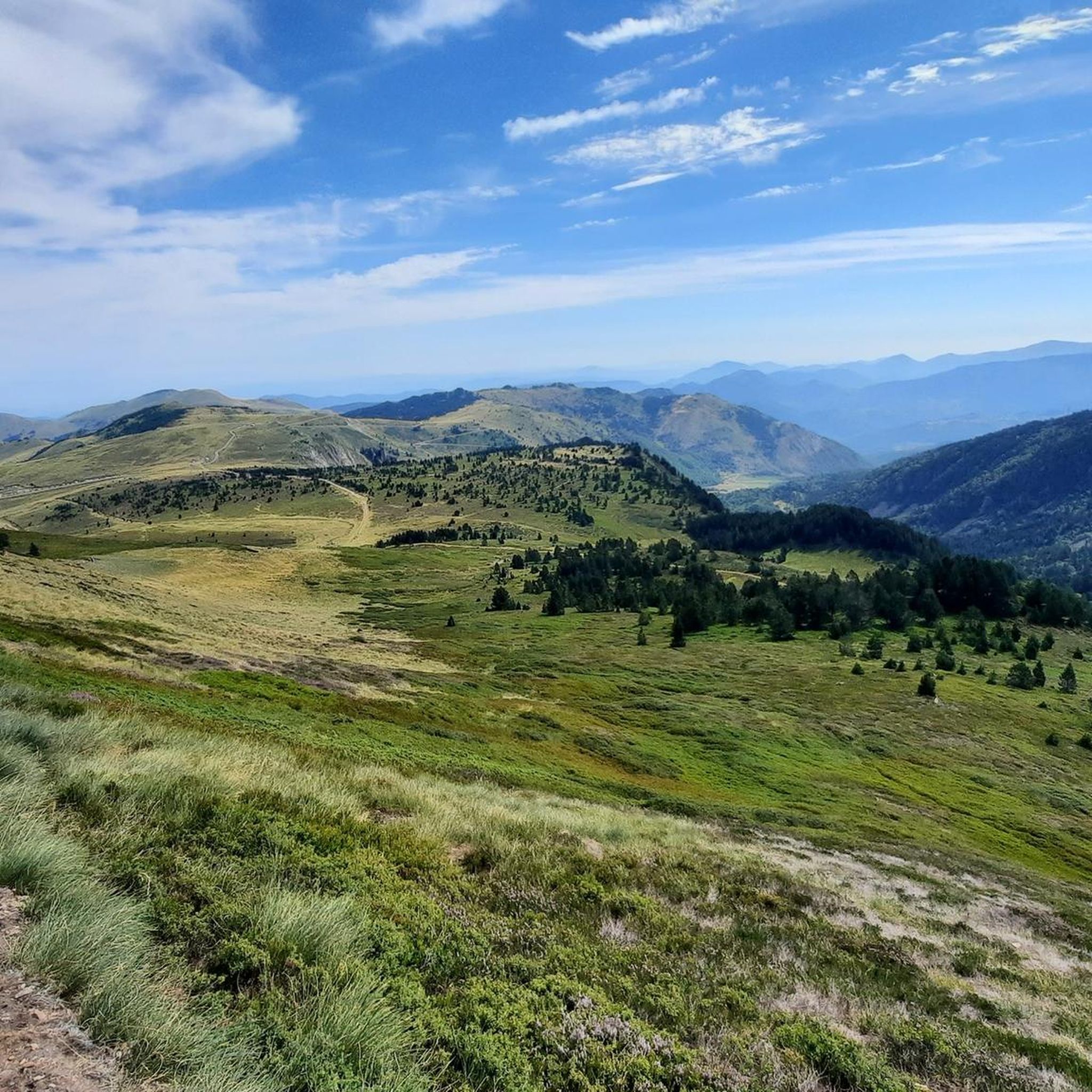
Best mountain passes around Niort-De-Sault are found within the mountainous Pays de Sault, a region in the Aude department of the Occitanie region in France. This area features altitudes ranging from 771 to 1974 meters, providing access to several notable mountain passes. The landscape offers varied terrain and natural surroundings, including two Natura 2000 sites. The region is characterized by its Pyrenean peaks and challenging routes.
Best mountain passes around Niort-De-Sault
- The most popular mountain passes is Pailhères Pass,…
Last updated: June 26, 2026
Pailhères Pass
Highlight • Mountain Pass
Translated by Google •
Tip by

Pradel Pass
Highlight • Mountain Pass
Translated by Google •
Tip by
Sign up now to discover places like this
Get recommendations on the best single tracks, peaks, & plenty of other exciting outdoor places.
Sign up for free
Col des Sept Frères
Highlight • Mountain Pass
Translated by Google •
Tip by

Col de Marmare (1361 m)
Highlight • Mountain Pass
Translated by Google •
Tip by
Col de Pailhères (Elevation 2,000 m)
Highlight • Mountain Pass
Translated by Google •
Tip by

Sign up for free to discover even more mountain passes around Niort-De-Sault.
Sign up for free
Already have an account?
Start today with a free account
Your next adventure awaits.
Login or Signup
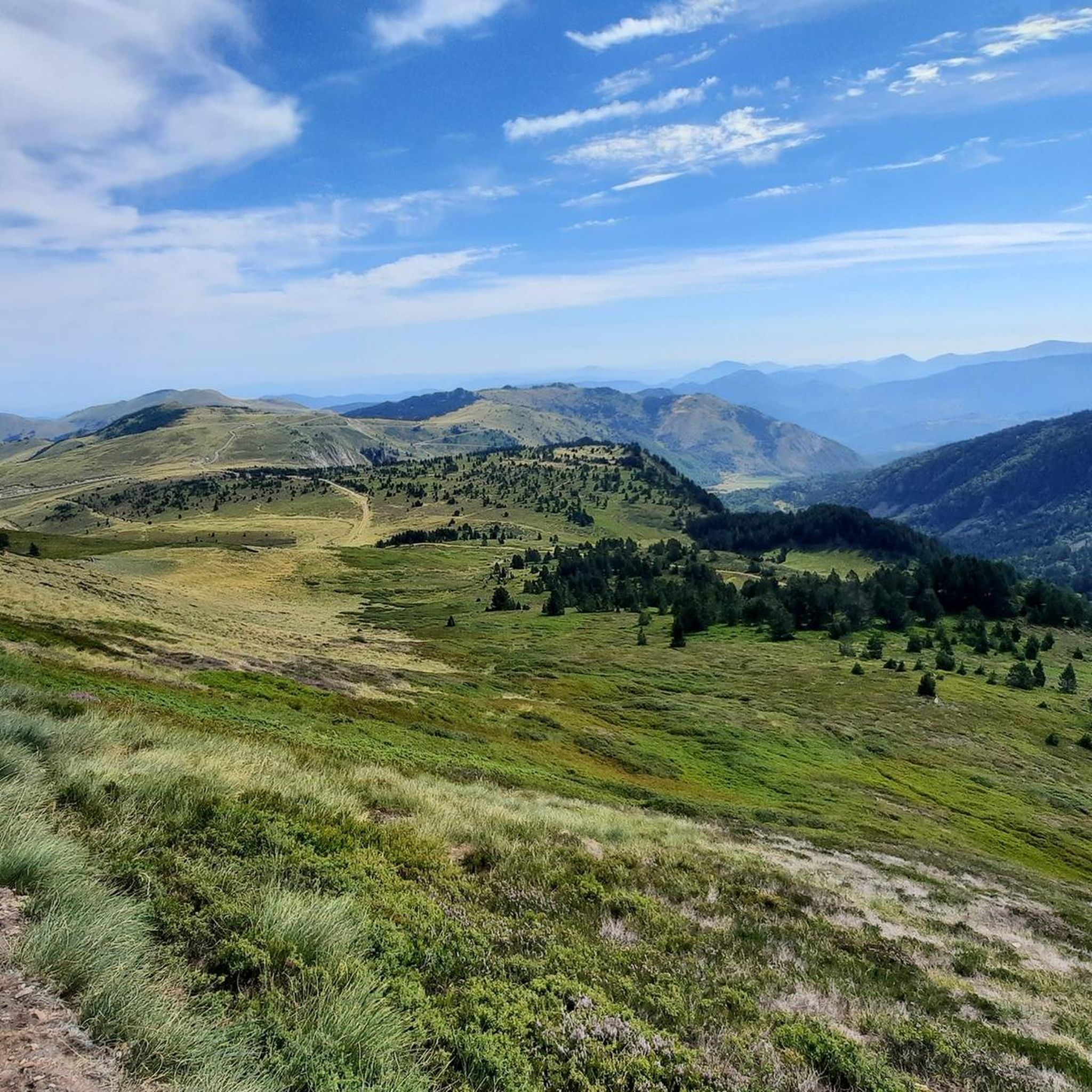
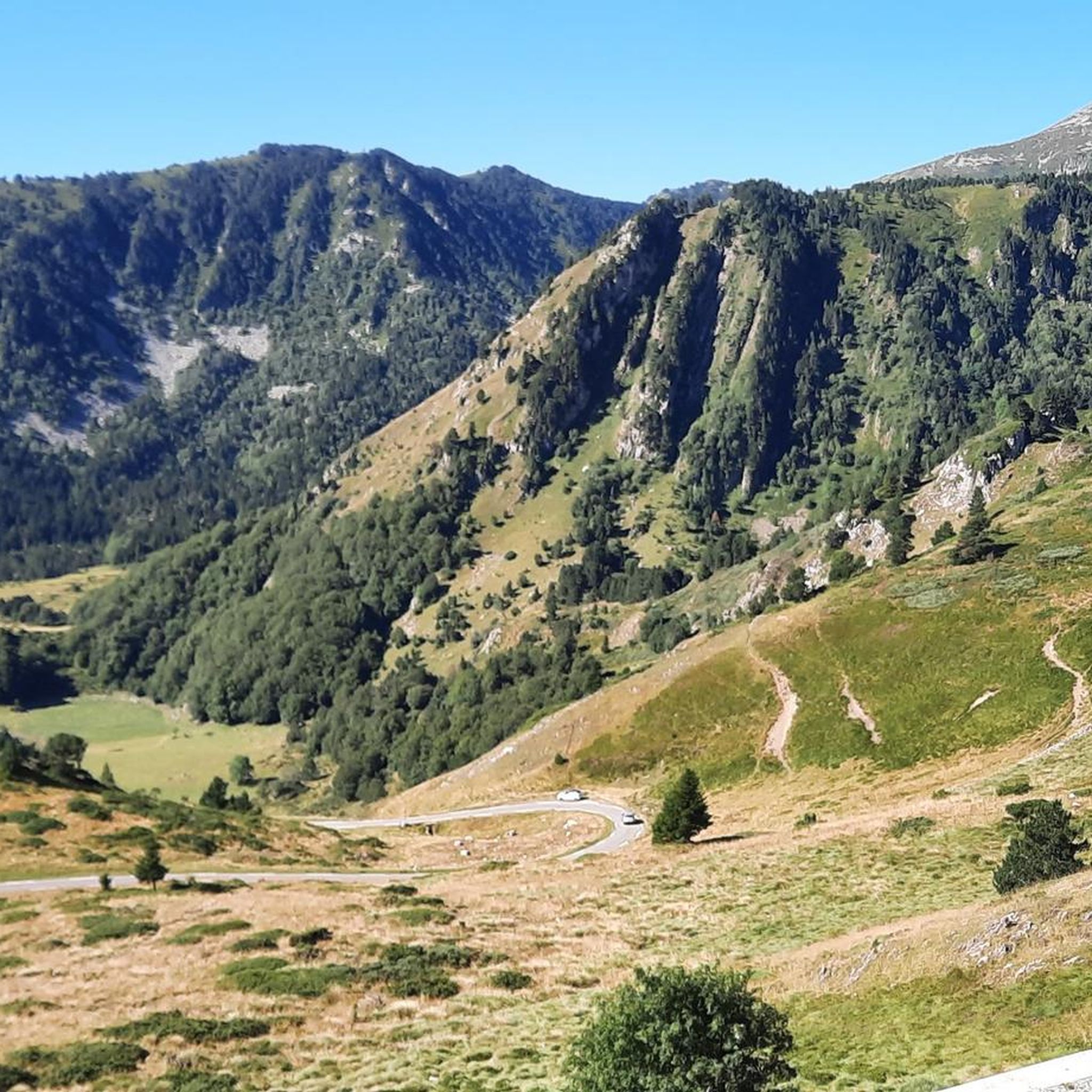
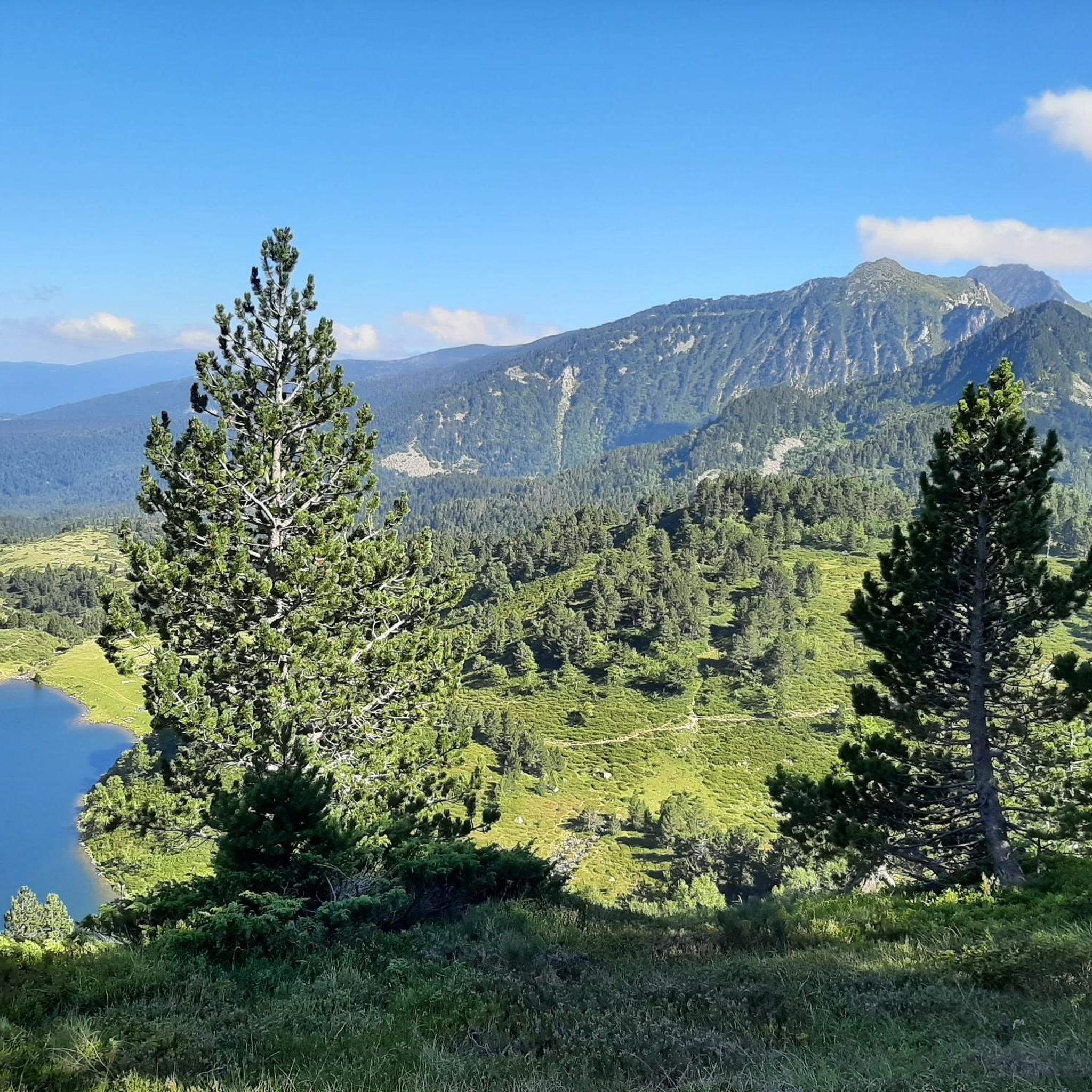
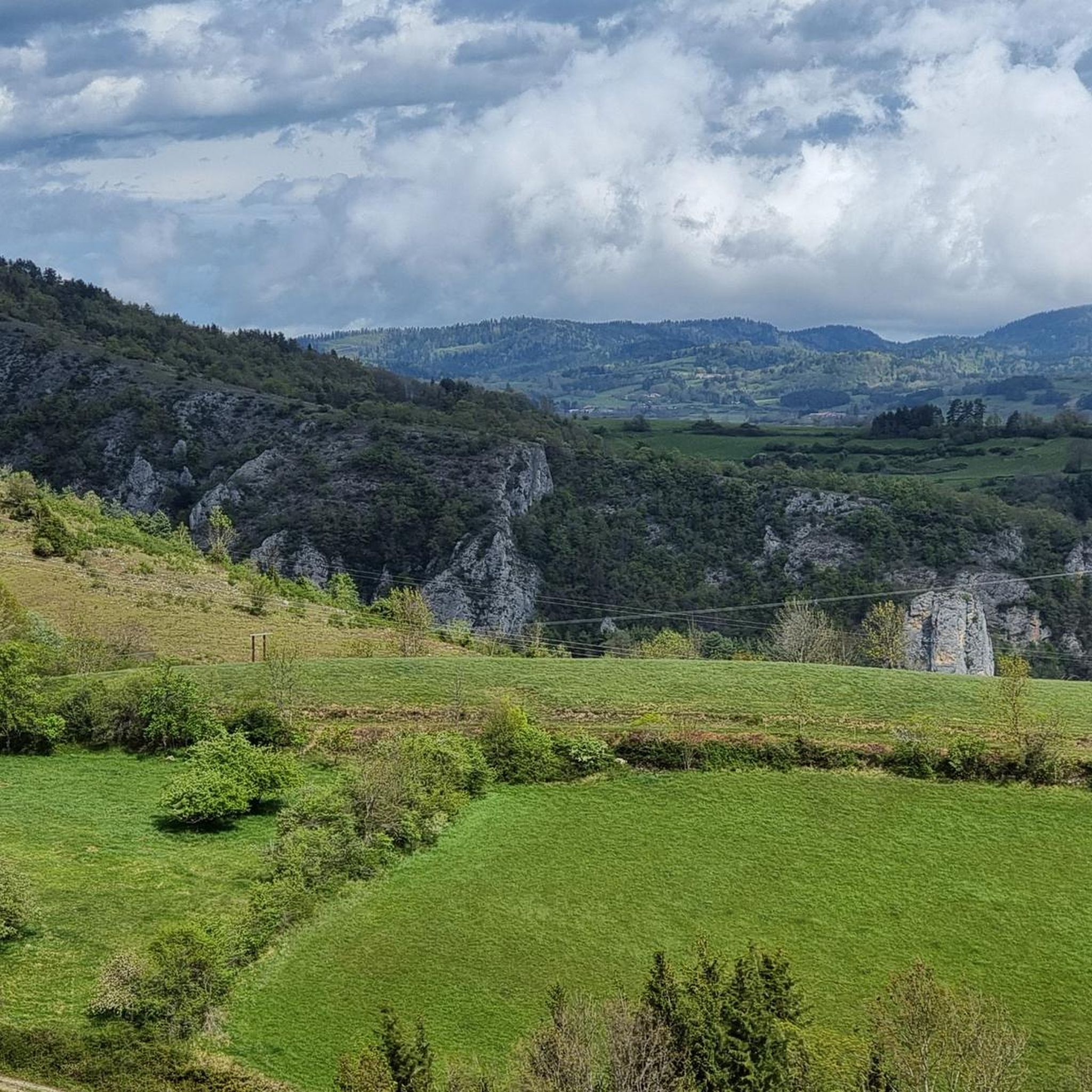

Tips from the Community

The Col de Marmare-Chioula is an 18.6-kilometer long Category 1 pass. It is located in Luzenac.
16
0
The Col de Marmare from Luzenac is a climb in the Ariège region. It is 16.8 kilometers long and climbs 828 meters.
0
0
The Croix des 7 Frères is a small, inconspicuous summit and the start of a nice ride in the area.
17
0
1253 meters high, you can reach it via asphalt or gravel road
6
0


Fairly easy pass with average gradients of 5% on both sides.
5
0

Cross the forest of Bélesta, pass of the cross of the dead, Belcaire, pass of the 7 brothers, descent to Niort de Sault, climb of Espezel, then return via the maquis of Picaussel, the Babourade....an excellent route, very pleasant with a lot of shade.
0
0

One of the best experiences on my entire tour. I have this picture with the view of the mountains as my screen background. The roads are still closed, the snow is piled up meters high on the sides and at the same time there is not a single car on the road. Simply fantastic
1
0
Frequently Asked Questions
Which mountain passes are most popular around Niort-De-Sault?
Among the most popular passes are Pailhères Pass, known for its challenging climbs and frequent inclusion in the Tour de France, and Pradel Pass, offering a scenic route with significant inclines. Visitors also appreciate Col de Marmare (1361 m), which serves as a gateway to the Sault plateau.
What makes Col de Pailhères a notable mountain pass?
Col de Pailhères is one of the emblematic passes in the Pyrenees, reaching 2,001 meters above sea level. It's famous for its challenging ascents, often featured in the Tour de France, and offers breathtaking panoramic views of the surrounding Pyrenean peaks. The climb from Mijanès is 10.6 kilometers with an average gradient of 8.2%.
Are there any mountain passes with historical significance in the region?
Yes, Col des Sept Frères, located at 1,253 meters, has a historical background. Its name, meaning 'Cross of the Seven Brothers,' originates from a local legend about seven brothers who froze to death in a snowstorm. It offers a pleasant and panoramic route.
What kind of views can I expect from the mountain passes near Niort-De-Sault?
Many passes offer stunning vistas. For instance, Pailhères Pass provides breathtaking panoramic views of the Pyrenean peaks. The Pierre Blanche Pass (1,551 m) is highly recommended for its gorgeous views and the enjoyable descent towards nearby lakes. Even Pradel Pass, while often forested on the north side, opens up to wonderful views at higher elevations.
What outdoor activities can I do near these mountain passes?
The region around Niort-De-Sault is excellent for various outdoor activities. You can find numerous running trails, such as the challenging 'Le Pic de Tarbesou - trail loop starting from the Col de Pailhères car park'. For road cycling, routes like the 'Tour of Pays de Sault' or the 'Col du Chioula – Col de Marmare (1361 m) loop' are popular. Explore more options on the Running Trails, Road Cycling Routes, and Cycling around Niort-De-Sault guide pages.
Are there challenging cycling routes over the mountain passes?
Absolutely. Many passes in the area are known for their challenging climbs. Pailhères Pass, for example, features sections steeper than 10%. The ascent to Pradel Pass from Ax-les-Thermes also includes inclines exceeding 11%. These routes are often featured in professional cycling events like the Tour de France.
What is the best time to visit the mountain passes around Niort-De-Sault?
The best time to visit is generally during the warmer months, from late spring to early autumn, when the passes are clear of snow and weather conditions are most favorable for cycling, hiking, and enjoying the panoramic views. Some passes, especially higher ones like Col de Pailhères, may have opening dates that vary depending on snowmelt.
What natural heritage can be found in the Pays de Sault region?
The Pays de Sault, where Niort-De-Sault is located, boasts a remarkable natural heritage. It includes two Natura 2000 sites and eleven natural areas of ecological, faunistic, and floristic interest. This indicates a rich biodiversity and well-preserved natural environments around the mountain passes.
What are some less-known but scenic passes in the wider region?
Beyond the most prominent ones, passes like Col de Marmare (1,361 m) and Croix des 7 Frères offer picturesque routes and opportunities for hiking. These passes contribute to the overall appeal of the Pays de Sault for outdoor enthusiasts, with varied terrain and beautiful natural surroundings.
What do visitors appreciate most about the mountain passes in this area?
Visitors frequently highlight the challenging yet rewarding climbs, especially for cyclists, and the stunning panoramic views from the summits. The diverse routes for both cycling and hiking, ranging from intermediate to challenging, are also highly appreciated. The natural beauty and the sense of achievement after conquering a pass are common themes in visitor feedback.
Are there any passes that are good for a scenic drive rather than just cycling or hiking?
Yes, passes like the Pierre Blanche Pass (1,551 m) are highly recommended for their gorgeous views and the enjoyable descent towards nearby lakes, making them suitable for scenic drives. The road leading to Col des Sept Frères is also described as very pleasant and panoramic for driving.
Most popular routes around Niort-De-Sault
Most popular attractions around Niort-De-Sault

Get inspired with the komoot mobile app


Explore more
See even more epic mountain passes by checking out these guides around Niort-De-Sault:
