The best walks and hikes around Boust
4.3
(1568)
9,318
hikers
404
hikes
Hiking around Boust offers varied terrain within the Moselle department of northeastern France, with elevations ranging from approximately 166 to 259 meters. The landscape features extensive forested areas, open countryside, and notable natural features like Lake Migenbach and the Carrière de Boust. Trails often lead through diverse environments, including sections around lakes and historical sites. The region provides a mix of easy strolls and more challenging routes.
Best hiking trails around Boust
- The most popular hiking route is Ford Crossing…
Last updated: October 13, 2026
4.0
(5)
56
hikers
Moderate hike. Good fitness required. Easily-accessible paths. Suitable for all skill levels.
4.8
(5)
22
hikers
16.4km
04:21
150m
150m
Moderate hike. Good fitness required. Easily-accessible paths. Suitable for all skill levels.

4.3
(3)
28
hikers
23.7km
06:18
250m
250m
Hard hike. Very good fitness required. Easily-accessible paths. Suitable for all skill levels.
5.0
(2)
15
hikers
6.52km
01:44
70m
70m
Easy hike. Great for any fitness level. Easily-accessible paths. Suitable for all skill levels.
9
hikers
5.74km
01:32
70m
60m
Easy hike. Great for any fitness level. Easily-accessible paths. Suitable for all skill levels.
Get access to more routes and recommendations from other explorers.
Already have an account?
Our route recommendations are based on thousands of hikes, rides, and runs completed by other people on komoot.
Start today with a free account
Your next adventure awaits.
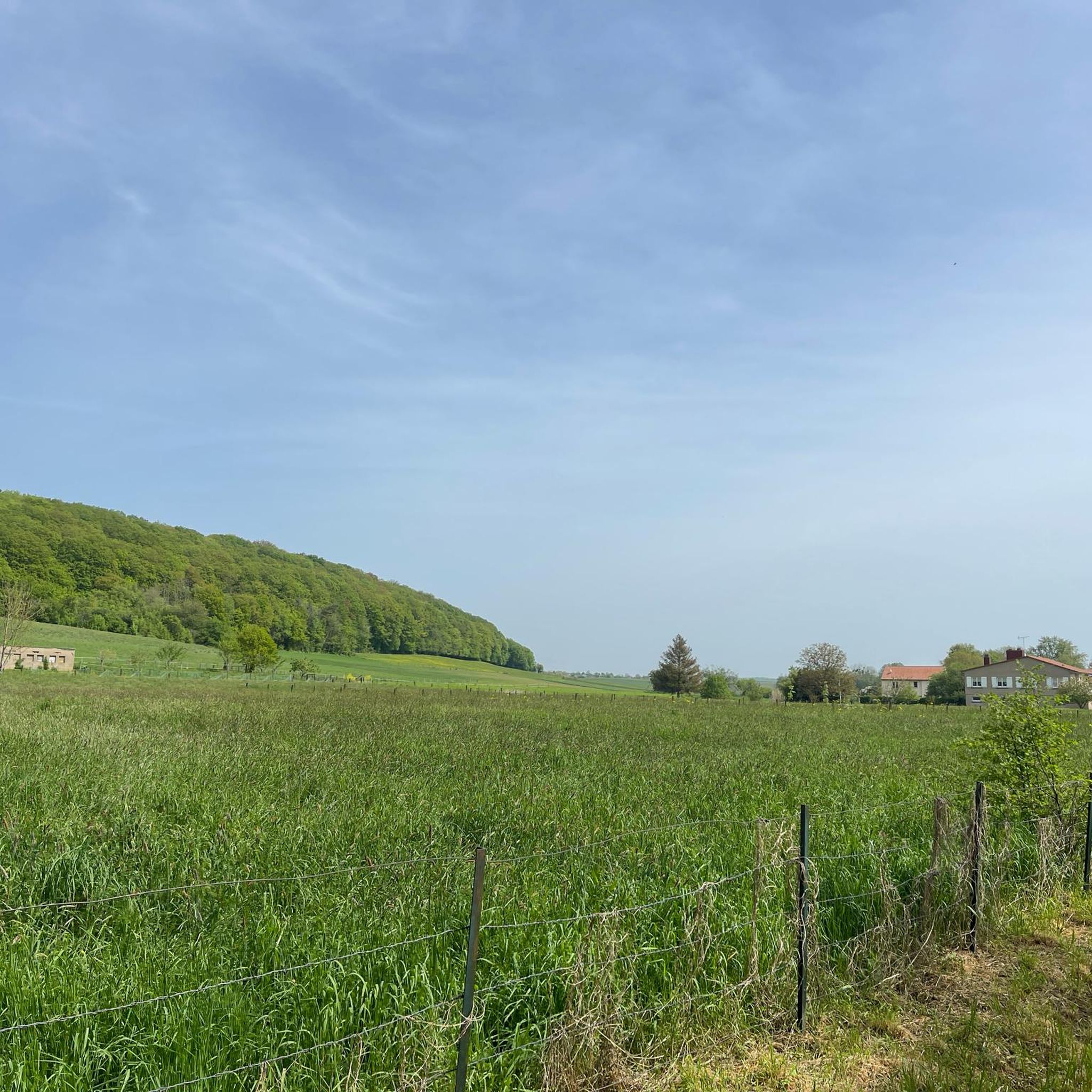
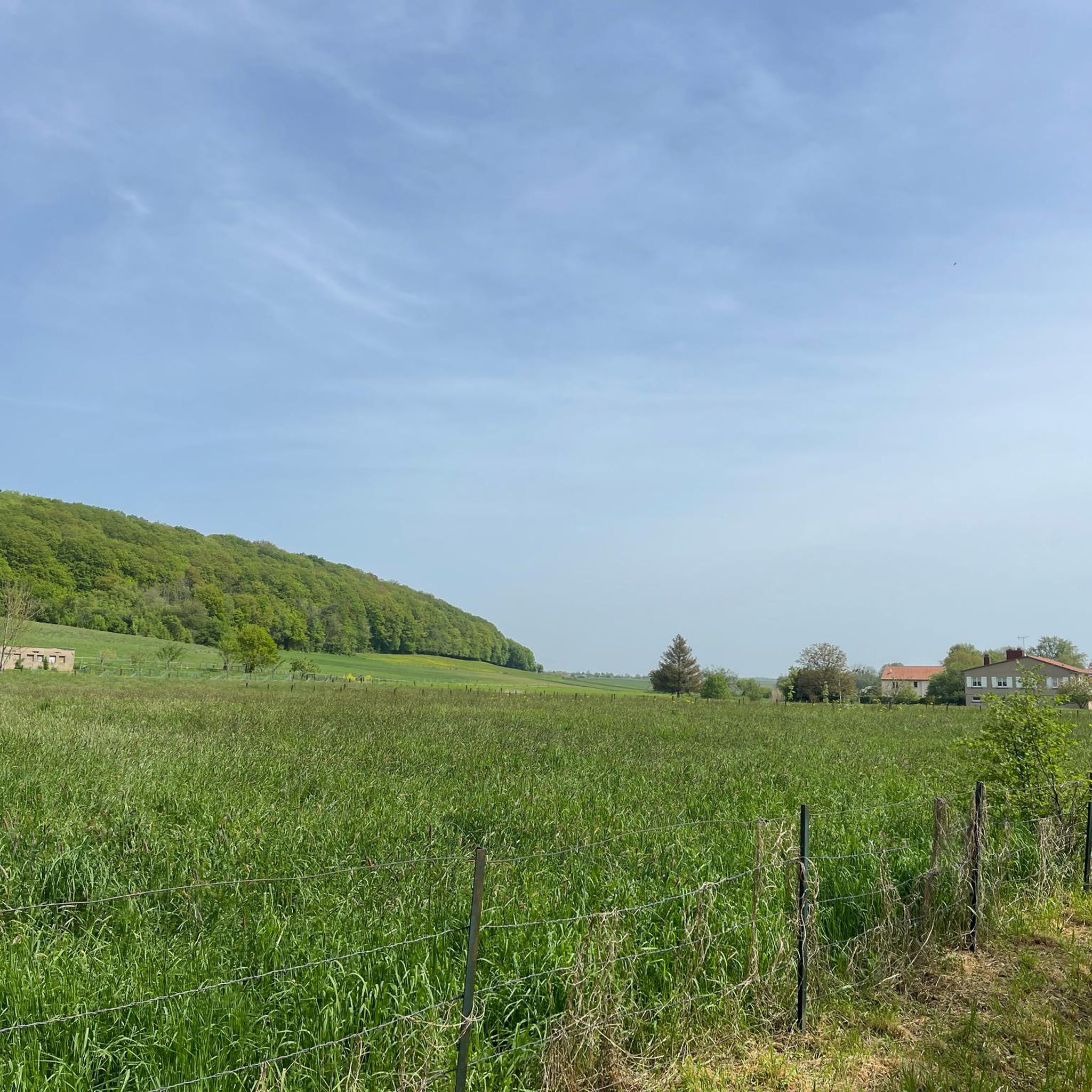
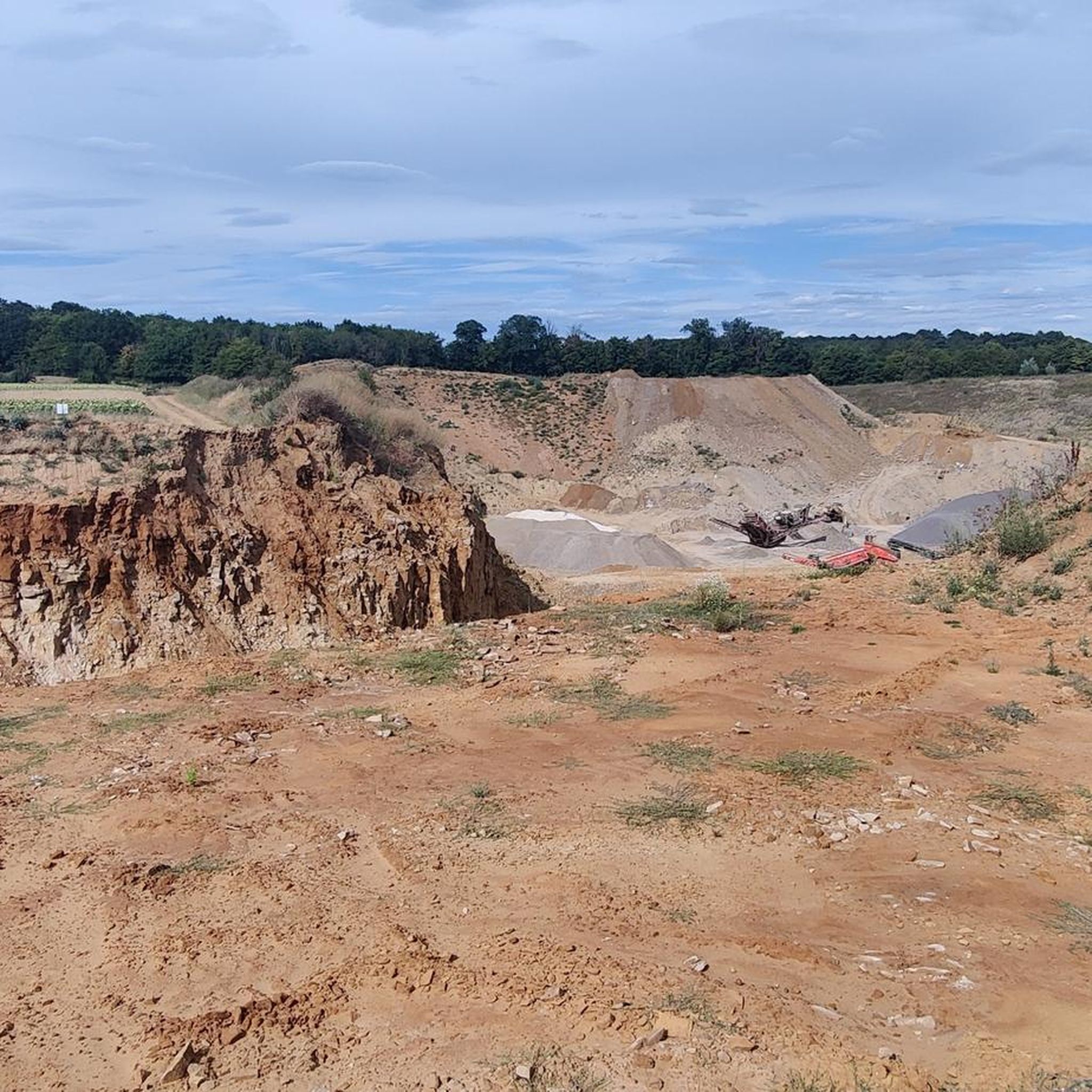
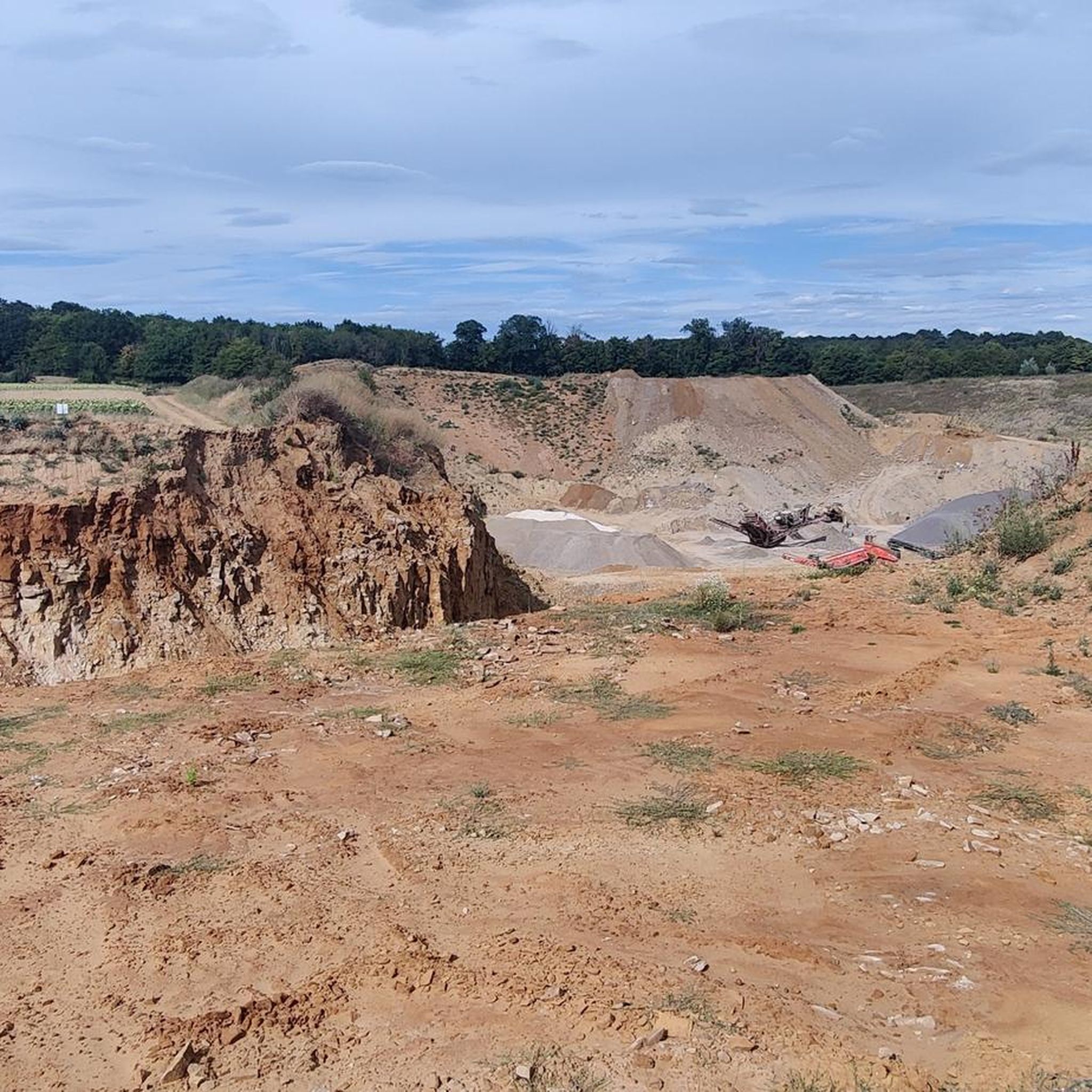
Tips from the Community

🏰 **Maison Forte – Fortified House on the Border of Past and Defense** The **Maison Forte** near **Kemplich** is a rare example of a **fortified farmhouse** that served both as a home and as a **military outpost**. Originally built in the **17th or 18th century** and later adapted as part of the **Maginot Line**, it combines rustic architecture with defensive features such as loopholes and massive walls. 🔰 The building is empty today, but its exterior is well preserved. Its dual role – home and fortress – makes it a special historical monument on the border between everyday life and war strategy. **Tip:** Anyone interested in military history or Lorraine architecture should plan a short detour to the Maison Forte – ideal in conjunction with the nearby Abri des Chênes Brûlés.
0
0
🛡️ **Ouvrage du Bois-Karré – Small Infantry Fortification with Tactical Significance** The **Ouvrage du Bois-Karré** is a small fortification of the Maginot Line west of Hettange-Grande, near the three-district border of France, Luxembourg, and Germany. It was built between 1931 and 1935 and served to secure a strategic valley access to the Moselle. 🔰 A so-called "petit ouvrage," Bois-Karré consisted of two combat blocks (infantry, machine gun), connected by a short underground passage. Despite its small size, it was heavily armed and cleverly camouflaged in the 1930s to blend into the landscape. 🕳️ Today, the fort is **not open to the public**, but individual elements such as concrete emplacements, trenches, and ventilation towers can still be seen in the forest – especially in winter or spring. **Tip:** Those interested in the smaller fortifications of the Maginot Line will find a quiet, almost forgotten relic here. It's an ideal detour on a hike around Hettange-Grande.
1
0
🛡️ **Ouvrage de Kobenbusch – Mighty Fortification of the Maginot Line** The **Ouvrage de Kobenbusch**, located south of Cattenom near the Luxembourg border, is one of the large underground fortifications of the **Maginot Line**. It was built between 1930 and 1935 and consisted of several combat blocks, underground connecting tunnels, a barracks, ammunition depots, and machine rooms – on several levels, anchored deep in the limestone. ⚙️ Particularly noteworthy: The technical systems were designed to be self-sufficient for months – including power generation, ventilation, a kitchen, and a hospital. The fort was occupied without a fight during World War II, continued to be used in part after the war, and is now privately owned. 🚷 It's **not open to the public**, but some ventilation towers and blockhouses are still visible in the forest near the D64 road (between Cattenom and Berg-sur-Moselle). **Tip:** For Maginot fans, a walk through the forest is worthwhile – with a little research, you'll find several bunker remains. Respect barriers, as some entrances are unstable or secured.
1
0
🛡️ **Ouvrage du Galgenberg – A Deep Look into the Maginot Line** The **Ouvrage de Galgenberg** is a large underground fortification of the **Maginot Line**, located south of Cattenom. It was built between 1930 and 1935 and served to defend the French border against Germany. The complex consists of several **combat bunkers**, **barracks**, **tunnels**, and **supply facilities** located deep underground. During the Cold War, the fort was modernized and remained in active use until the 1980s. 🔦 Today, it is accessible for guided tours (registration only), including a view of the original equipment: rails, power supply, ventilation systems, and gun emplacements. **Tip:** Ideal for military and history buffs – bring warm clothing, as it's chilly inside! Guided tours with former soldiers or experts are particularly impressive.
1
0
🚧 **Barrage du Lac du Mirgenbach – The Technical Heart of the Lake** At the southern end of **Lac du Mirgenbach** is the **dam (barrage)**, which serves to regulate the water and cool the nearby **Cattenom Nuclear Power Plant**. The facility is not open to the public, but is easily visible from the paths around the lake. 🌊 The dam marks the transition between technology and nature: Here, the water flows in controlled channels, creating an exciting interplay of industrial function and scenic tranquility. **Tip:** Those who walk the circular path around the lake have a good view of the dam from the eastern shore – particularly interesting for technology enthusiasts and landscape photographers.
3
0
🌅 **Lac du Mirgenbach – Quiet Lake near Cattenom** The **Lac du Mirgenbach** is an artificially created cooling water lake near the Cattenom nuclear power plant, south of Thionville. Despite its technical function, it is now a popular local recreation area – with hiking trails, fishing spots, and quiet shorelines. 🐦 The lake is surrounded by forest and reed beds and is considered a refuge for many bird species. It is also popular with photographers and nature lovers – especially at sunrise or sunset. **Tip:** Ideal for a quiet walk or bike ride. Note: Swimming is not permitted here – but the atmosphere by the water is still worth it!
2
0

Currently for sale 😉
0
0
The place formerly belonged to the diocese of Metz and was incorporated into France in 1769. Rüttgen Castle east of the village, of which only a ruin remains, belonged to the Lords of Rüttgen. Mathilde von Rüttgen, who was prioress of the Marienthal monastery near Mersch in Luxembourg in 1411, came from their family. Through the Peace of Frankfurt on May 10, 1871, the region became part of the German imperial state of Alsace-Lorraine. The village belonged to the Diedenhofen-Ost district in the Lorraine district.[2] After the First World War, the region had to be ceded to France in 1919 due to the terms of the Versailles Treaty and became part of the Moselle department. During the Second World War the region was occupied by the German Wehrmacht. For those interested, the castle is currently for sale 🏰
0
0
Frequently Asked Questions
What kind of terrain can I expect on hiking trails around Boust?
Hiking around Boust offers a diverse landscape, with elevations ranging from approximately 166 to 259 meters. You'll find extensive forested areas, open countryside, and trails that lead around scenic lakes like Lake Migenbach. The varied terrain includes both easy, flat sections and more challenging routes with moderate inclines, suitable for different skill levels.
Are there many hiking options available in Boust?
Yes, Boust provides a wide array of hiking opportunities. There are over 400 routes available, catering to various preferences. This includes more than 200 easy trails for leisurely walks, 191 moderate routes for a good workout, and 13 more difficult excursions for experienced hikers.
What historical sites can I discover while hiking in Boust?
Boust's hiking trails are rich in history. You can explore the 11th-century hexagonal Usselskirch Tower, classified as a historical monument. Parts of the ancient Roman road connecting Metz to Trèves can also be followed. Additionally, you'll find structures from the Maginot Line, such as the Ouvrage du Kobenbusch, offering a glimpse into 20th-century history.
Are there any natural attractions or viewpoints along the trails?
Absolutely. The region features notable natural attractions like Lake Migenbach, which offers a scenic and accessible hiking environment. The Carrière de Boust (Boust Quarry) is another remarkable geological feature. You can also find the Weiherchen Lakes, which serve as starting points for circuits that blend natural beauty with historical sites.
Are there any family-friendly hiking routes in Boust?
Yes, Boust offers several easy trails suitable for families. Many routes are designed to be accessible, with some sections around Lake Migenbach noted for being easy to walk with no significant inclines. These trails allow families to enjoy nature and discover local heritage at a comfortable pace.
Can I bring my dog on the hiking trails in Boust?
While specific regulations for dogs on trails can vary, the natural landscapes of Boust, with its extensive forests and open countryside, generally welcome dogs. It's always recommended to keep your dog on a leash, especially in nature reserves or near livestock, and to follow local signage.
Are there circular hiking routes available in Boust?
Yes, many of the trails around Boust are designed as circular routes, allowing you to start and end at the same point. For example, the Ford Crossing – Saint-Denis Church loop from Roussy-le-Village is a popular circular option exploring the local countryside.
What do other hikers enjoy most about the trails in Boust?
The trails in Boust are highly regarded by the komoot community, with an average rating of 4.4 stars from over 1300 reviews. Hikers often praise the diverse terrain, the blend of natural beauty with historical sites, and the well-marked paths that cater to various ability levels.
What is the best time of year to go hiking in Boust?
Boust offers hiking opportunities year-round. Some trails, particularly around Lake Migenbach, are weatherproof, making them suitable for exploration even in less ideal conditions. However, spring and autumn generally provide the most pleasant temperatures and vibrant scenery for hiking through the forests and countryside.
Are there any specific landmarks or points of interest near Boust that I should look out for?
Beyond the trails themselves, Boust is surrounded by interesting landmarks. You can visit the Ouvrage du Kobenbusch, a historical site from the Maginot Line, or the Chapel of Our Lady of the Seven Sorrows. For natural beauty, consider the Rock Garden Trail at Haard Nature Reserve or the Mondorf-les-Bains Thermal Park nearby.
Are there any easy hiking routes for beginners or those looking for a relaxed walk?
Yes, Boust has plenty of easy routes perfect for beginners or a relaxed stroll. For instance, the Ouvrage Bois-Karre – Picnic area loop from Boust is an easy option, covering about 6.5 km with minimal elevation gain. The Tour de UsselKirch loop from Breistroff-la-Grande is another accessible choice.
Most popular attractions around Boust

Get inspired with the komoot mobile app


Explore more
Browse the best Hikes in other regions.
