Attractions and Places To See around Le Pla - Top 20
Best attractions and places to see around Le Pla are found in the Ariège department of the Occitanie region, offering a blend of natural beauty and historical sites. This small commune serves as a gateway to the Pyrenees, known for its mountains, valleys, and rivers. The surrounding area features significant historical fortifications, charming villages, and dramatic natural features like gorges and mountain passes. Visitors can explore a diverse landscape rich in cultural heritage and outdoor opportunities.
Best attractions and places…
Last updated: June 22, 2026
Pailhères Pass
Highlight • Mountain Pass
Translated by Google •
Tip by

En Beys Refuge
Highlight • Restaurant
Translated by Google •
Tip by

Sign up now to discover places like this
Get recommendations on the best single tracks, peaks, & plenty of other exciting outdoor places.
Sign up for free
Mijanès Pastoral Refuge
Highlight • Other
Translated by Google •
Tip by

Col du Garavel (1256 m)
Highlight • Mountain Pass
Translated by Google •
Tip by

The Wild Line
Highlight (Segment) • Other
Translated by Google •
Tip by

Sign up for free to discover even more attractions around Le Pla.
Sign up for free
Already have an account?
Start today with a free account
Your next adventure awaits.
Login or Signup


Tips from the Community

This spot is the same as the parking lot and the building of the Mijanès ski resort. I'll tell you about several interesting points about this place: - During the winter months, when the ski resort is open, there is a bar serving food. I'm mentioning this in case anyone is interested in climbing Port de Pailhères during these months. - This is where the road from Mijanès ends, and it is cleared when there is snow. During the winter months, there is a large barrier that prohibits the passage of cars and motorcycles, but it can be easily crossed by bike. If the barrier is down and you decide to climb by bike, keep in mind that you may encounter sections of the road with real mountains of snow. - From this point on, during the summer months, in addition to enjoying the road and the pass, you will constantly see herds of horses and cows. This is especially notable on sunny days in June and July.
0
0


From Axat, it's a long climb, 18km. It's quite beautiful down in the gorges, then a few kilometers of fairly monotonous woods. Arriving on the plateau, it clears up but it's rural. The impressive view is worth it when you reach the pass. Going down there must be a blast, the tarmac is good, it's quite wide and there's little traffic. I went down via Escouloubre: the tarmac is bad, gravel, but the forest is enchanting! Why not go the other way, then, up via Escouloubre and down via Bousquet / Roquefort etc.?
1
0
My experience on this stretch was downhill, once I reached the top of the Col des Aychides. It is a narrow road with uneven asphalt, where you have to be careful, although I have to admit that I found it beautiful and very fun. Although there is a considerable precipice on the left, I was not scared at any time. You go through a couple of small tunnels dug into the mountain, which gives it a lot of charm. It is a beautiful stretch.
1
0

One of the best experiences on my entire tour. I have this picture with the view of the mountains as my screen background. The roads are still closed, the snow is piled up meters high on the sides and at the same time there is not a single car on the road. Simply fantastic
1
0

What more could you want, good road, decent, long climb
0
0

The Col de Pailhères, or Port de Pailhères, is one of the emblematic passes of the Pyrenees and the Tour de France. Culminating at 2,001 meters above sea level, it is one of the few passes in the Pyrenees to exceed the symbolic bar of 2,000 meters. The climb from Mijanès is 10.6 kilometers long with an average of 8.2%, including some passages at more than 10%. It is also possible to climb from Ax-les-Thermes by means of a climb of 18.6 kilometers with an average of 6.9%.
4
0

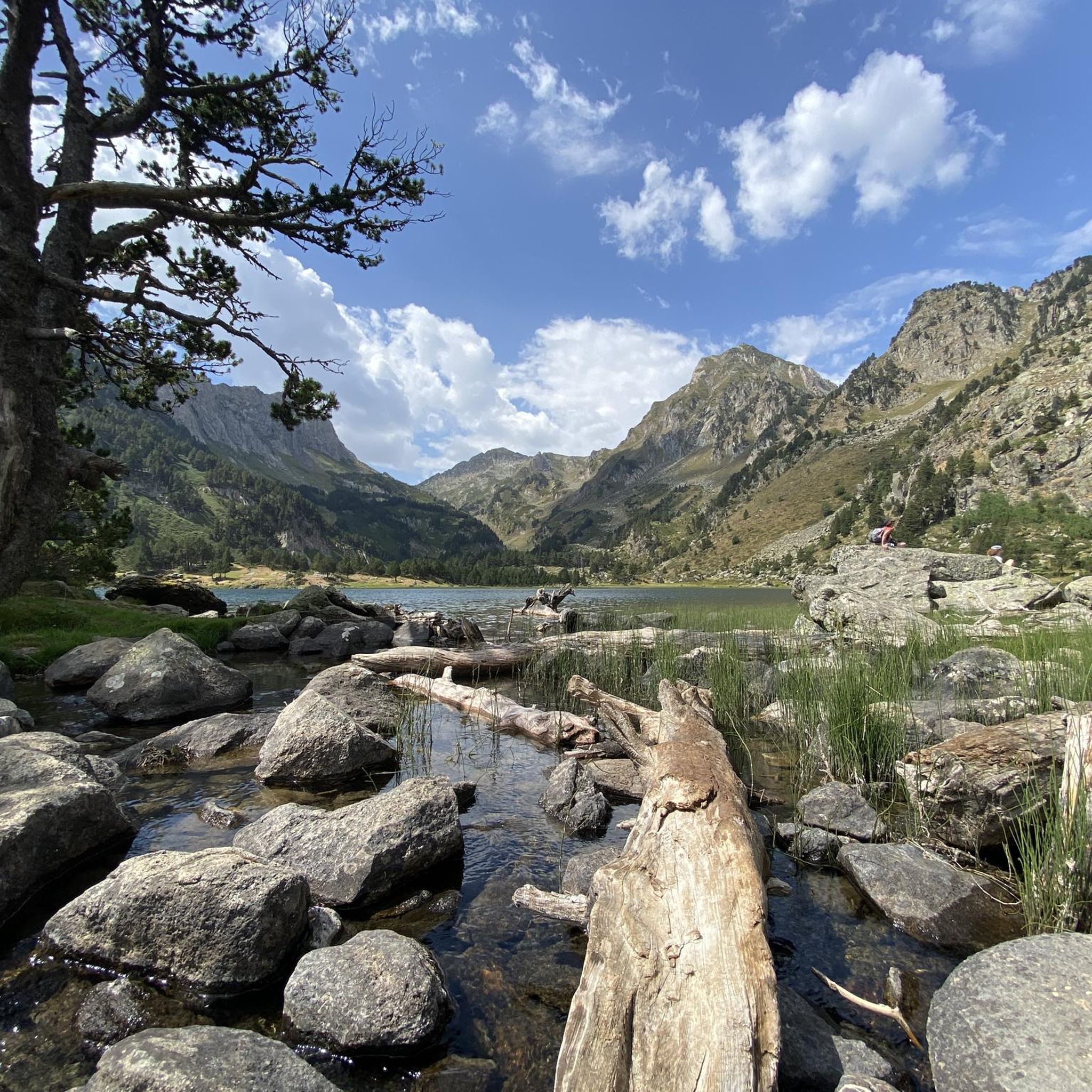
The En Beys refuge which overlooks the eponymous ponds culminates at an altitude of 1,970 meters, in the heart of the Orlu national reserve. Situated on the great GR 7 which connects the Vosges to the Pyrenees, the refuge remains an excellent detour for the GRP® tour of the Ax Mountains or Tour des Pérics. In a warm and family setting, the refuge guardians offer 70 beds in high season as well as a complete catering offer. In winter, 15 places remain freely accessible, accessible through the window at the top of the ladder which fits on one of the walls of the building. The refuge is an ideal place to observe the burning of the granite walls of the Pics Rouges at sunset, or the galloping chamois in the snowfields in the early morning. If you wish to extend your stay for one night, do not hesitate to contact the refuge on 05 61 64 24 24 to find out about opening dates and bed availability.
2
1
Frequently Asked Questions
What natural features and viewpoints can I explore around Le Pla?
The region around Le Pla is rich in natural beauty. You can visit the emblematic Pailhères Pass, which offers challenging climbs and stunning views from its 2,001-meter summit. Another great spot is Col du Garavel (1256 m), providing impressive vistas through gorges and woods. Don't miss the dramatic Gorges de l'Aude, which can be experienced via The Wild Line, a stunning road perched high above the gorge. Within Le Pla itself, the Étang du Laurenti is a beautiful lake accessible via a family-friendly hike, and Puig del Pla de Bernat offers panoramic views as the commune's highest point.
Are there historical or cultural sites to visit near Le Pla?
Yes, the area is steeped in history. You can explore significant Cathar castles like the emblematic Château de Montségur (about 27 km away) and Chateau de Puilaurens (20 km east-north-east). The region also features Vauban fortifications at Mont-Louis citadelle and Villefranche-de-Conflent. For a glimpse into prehistoric times, consider visiting the Grotte de Niaux or the Mas d'Azil cave, known for their ancient drawings and immense size.
What kind of outdoor activities are available near Le Pla?
Le Pla is a paradise for outdoor enthusiasts. You can find numerous trails for mountain biking, running, and mountain hiking. For mountain biking, explore routes like the 'Mijanès – Ch de Quérigut loop from Le Pla' or the 'On the road to Camporells – Cascade du Galbe loop from Fontrabiouse' by checking out the MTB Trails around Le Pla guide. Running enthusiasts can find trails such as the 'Étang de Laurenti – Le Roc Blanc loop' in the Running Trails around Le Pla guide. For mountain hikes, options include the 'Refuge d'En Beys loop' or the 'Pic de Canras – Pic de Baxouillade loop' from the Mountain Hikes around Le Pla guide.
Are there any family-friendly attractions or activities in the area?
Absolutely! The hike to Étang du Laurenti within Le Pla is considered family-friendly, leading to a beautiful lake. The En Beys Refuge is also suitable for families, offering a warm setting and catering services. Many of the natural landscapes, such as the Gorges de l'Aude, can be enjoyed by families, and the nearby 'Most Beautiful Villages of France' like Mosset and Eus offer charming strolls.
Where can I find accommodation or dining options near the attractions?
The En Beys Refuge provides both accommodation and catering services at an altitude of 1,970 meters, offering a warm setting in the heart of the Orlu national reserve. During winter months, the Mijanès Pastoral Refuge (which is also the Mijanès ski resort) has a bar serving food. Additionally, nearby spa towns like Molitg-les-Bains and Rennes-les-Bains offer traditional relaxation and accommodation options.
What are some picturesque villages to visit near Le Pla?
Several charming villages recognized among 'The Most Beautiful Villages of France' are accessible from Le Pla. These include Mosset (23 km east) with its medieval streets, Villefranche-de-Conflent (27 km east-south-east), and Eus (32 km east) known for its lovely steep streets. Camon (35 km north-north-west) is another fortified village worth exploring.
What is the best time to visit Le Pla for outdoor activities?
The region is ideal for outdoor activities during the warmer months, typically from late spring to early autumn, when hiking and cycling trails are clear of snow. During these months, you'll also encounter herds of horses and cows, especially on sunny days in June and July, around areas like the Mijanès Pastoral Refuge. For winter sports, ski resorts like Station de ski d'Ascou (10.5 km) and Mijanès-Donezan are accessible.
Are there any local markets I can visit to experience the culture?
Yes, you can immerse yourself in local life by visiting markets in nearby towns. Quillan hosts markets on Wednesdays and Saturdays (about 20 km away). Ax-les-Thermes has seasonal markets on Thursdays and regular markets on Tuesdays and Saturdays (also about 20 km away). Esperaza offers markets on Thursdays and Sundays (27 km away).
What makes the <a href="https://www.komoot.com/highlight/128888" target="_blank" rel="noopener">Pailhères Pass</a> a significant attraction?
The Pailhères Pass, or Port de Pailhères, is an emblematic Pyrenean pass, often featured in the Tour de France. It culminates at 2,001 meters above sea level, making it one of the few passes in the Pyrenees to exceed 2,000 meters. It's renowned for its challenging climbs, particularly from Mijanès (10.6 km at 8.2% average) or Ax-les-Thermes (18.6 km at 6.9% average), and offers stunning high-mountain scenery with narrow serpentines.
Can I observe wildlife or unique natural phenomena near Le Pla?
The region, particularly within the Orlu national reserve where the En Beys Refuge is located, offers opportunities to observe wildlife. Visitors might see chamois galloping in the snowfields in the early morning. The refuge is also an ideal spot to witness the burning of the granite walls of the Pics Rouges at sunset. The Regional Natural Park of the Ariège Pyrenees further preserves diverse flora and fauna.
What is the significance of the Gorges de l'Aude?
The Gorges de l'Aude is a dramatic natural gorge popular for its scenic beauty and whitewater sports. You can experience a stunning stretch of road perched high above it, known as The Wild Line. This narrow road, with mixed surfaces and tunnels dug into the mountain, offers incredible views and a unique driving or cycling experience.
Are there any specific hiking trails suitable for beginners around Le Pla?
While many trails in the Pyrenees can be challenging, the hike to Étang du Laurenti from Le Pla is generally considered family-friendly, making it a good option for beginners, though it can be stony and rooty. For more specific beginner-friendly routes, it's advisable to consult local tourism resources or detailed hiking guides for the Ariège Pyrenees, as difficulty can vary greatly.
Most popular attractions around Le Pla

Get inspired with the komoot mobile app


Explore more
Still not found the Highlight you’re looking for? See guides of the top attractions in other regions:
