The best road cycling routes around Nanthiat
4.5
(21)
683
riders
150
rides
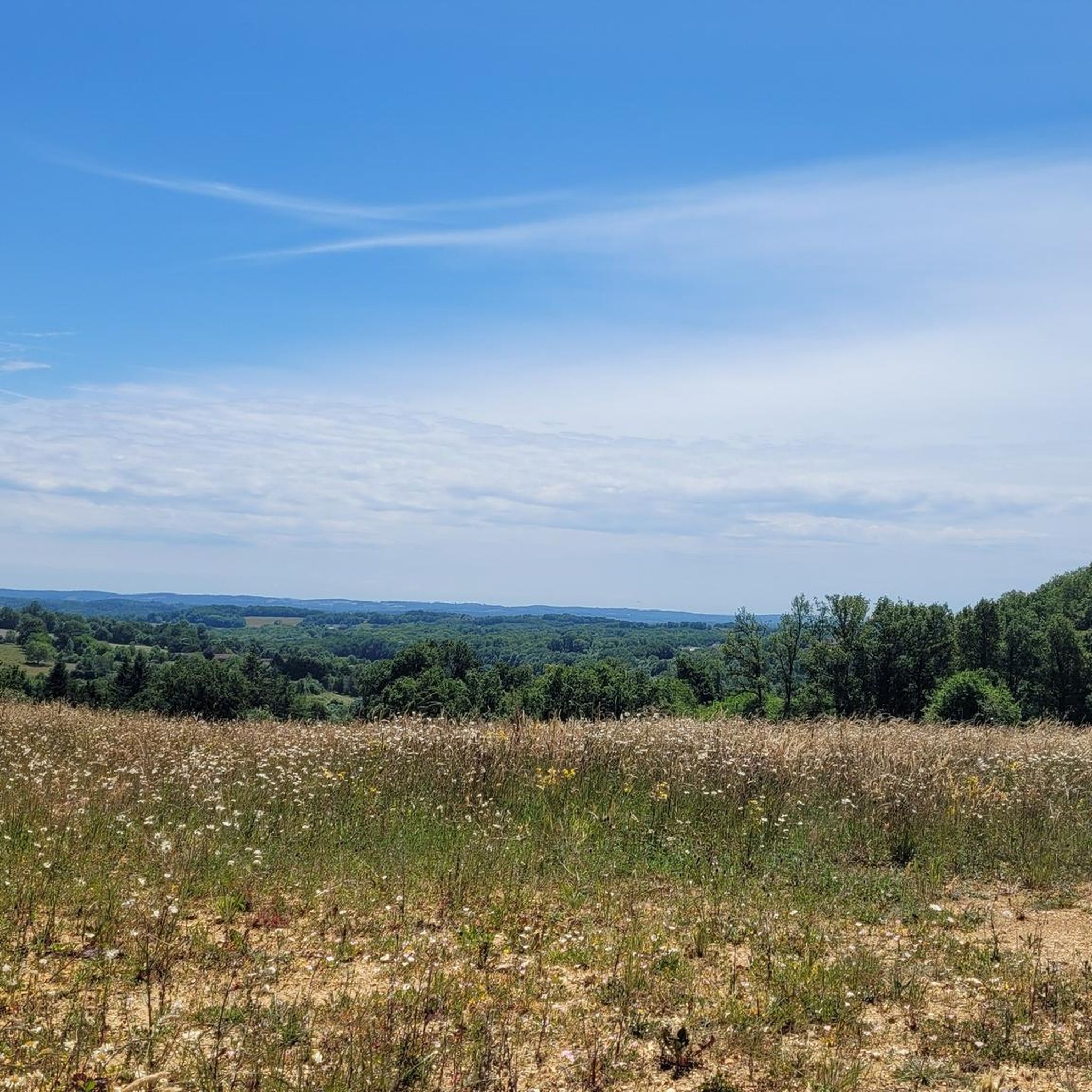
Road cycling routes around Nanthiat traverse the varied terrain of the Périgord-Limousin Natural Regional Park. The region features undulating roads and hills, providing a sporty experience with climbs and descents. Cyclists can expect paths that wind through lush landscapes and tranquil river valleys, including the Isle River Valley. Quiet roads characterize the area, offering a peaceful cycling experience.
Best road cycling routes around Nanthiat
- The most popular road cycling route is Thiviers Old Town – Jumilhac Castle loop from Thiviers…
Last updated: July 6, 2026
4.0
(4)
19
riders
48.3km
02:14
530m
530m
Moderate road ride. Good fitness required. Mostly well-paved surfaces and easy to ride.
8
riders
48.1km
02:23
660m
660m
Moderate road ride. Good fitness required. Mostly well-paved surfaces and easy to ride.

Sign up for free
5.0
(1)
12
riders
47.1km
02:03
430m
430m
Moderate road ride. Good fitness required. Mostly well-paved surfaces and easy to ride.
5.0
(1)
10
riders
50.7km
02:21
620m
620m
Moderate road ride. Good fitness required. Mostly well-paved surfaces and easy to ride.
2
riders
88.4km
04:37
1,480m
1,480m
Hard road ride. Very good fitness required. Mostly well-paved surfaces and easy to ride.
Get access to more routes and recommendations from other explorers.
Sign up for free
Already have an account?
Our route recommendations are based on thousands of hikes, rides, and runs completed by other people on komoot.
Start today with a free account
Your next adventure awaits.
Login or Signup



Tips from the Community

Why Visit Thiviers? For its gastronomy: Thiviers is a paradise for gourmets. With its fat markets, truffles and local products, the city offers an authentic and unique culinary experience. For its historical heritage: Between its Gothic church and its museums, Thiviers allows you to delve into the history of Périgord and discover the Périgord way of life. For the surrounding nature: Located in the Périgord Vert, the city is an excellent starting point for exploring the surrounding countryside, whether through hikes or bike rides. Thiviers is an ideal destination for those looking to discover the gastronomic and natural heritage of Périgord, while enjoying the charm of an authentic and welcoming small town.
1
0
Nature and hiking: Green environment: Surrounded by hills and forests, Thiviers is the ideal starting point for hikes in the Périgord Vert. Nature lovers can take advantage of the marked trails to discover the local flora and fauna. The Thiviers-Saint-Pardoux greenway: This old railway line transformed into a cycle path allows you to explore the surrounding countryside in complete tranquility, whether on foot or by bike. Market and local traditions: Weekly market: The Thiviers market is a meeting place for locals and visitors. You can find local products, fruits, vegetables, cheeses, and of course, Périgord specialties such as foie gras and duck confit. Festivals and festivals: Thiviers regularly organizes cultural and gastronomic events, such as the Foire du Gras, which celebrates local products, or even music and traditional arts festivals. Vaucocour Castle: 18th century building: Located not far from the city, this castle, surrounded by a magnificent park, is a beautiful example of 18th century architecture. It is possible to visit its gardens and learn more about local history.
1
0
Thiviers, located in the Dordogne, is a charming little town in the Périgord Vert, renowned for its rich historical and gastronomic heritage. Nicknamed the "capital of foie gras and truffles", Thiviers is a destination of choice for lovers of good food and history buffs. Surrounded by green landscapes, this town offers a beautiful immersion in the culture and traditions of the Périgord. Points of Interest in Thiviers: Historical Heritage: Notre-Dame-de-l'Assomption Church: This Gothic church, dating from the 13th century, is one of the most important monuments in Thiviers. It impresses with its sober and elegant architecture, with its square bell tower and colorful stained glass windows. Museum of earthenware and tableware: Located in a private mansion, this museum houses a beautiful collection of old earthenware and tableware objects, testifying to the importance of culinary traditions in Périgord. Local gastronomy: Capital of foie gras: Thiviers is world-renowned for its foie gras production. Every year, foie gras markets attract many visitors, and the city regularly organizes gastronomic events showcasing this emblematic product. Périgord truffles: In addition to foie gras, Thiviers is also famous for its truffles, these precious mushrooms that make the region famous. The truffle market in winter is an unmissable event for gourmets.
1
0
The natural setting: Bordered by the Côle: Saint-Jean-de-Côle is surrounded by nature, with the small Côle river running through the village, offering bucolic and green landscapes. Hiking and walks: The surroundings of the village are full of trails for hiking enthusiasts. These paths allow you to explore the countryside of the Périgord Vert, its forests, and its meadows, while enjoying the calm and beauty of nature. Events and Crafts: Medieval festivals: The village regularly organizes events such as medieval festivals that recreate the atmosphere of the Middle Ages with costumes, shows and craft markets. Local crafts: Saint-Jean-de-Côle is also home to several local artisans and artists who offer their works and creations, whether pottery, textiles or gastronomic products. Why Visit Saint-Jean-de-Côle? For its medieval charm: Ranked among the most beautiful villages in France, Saint-Jean-de-Côle offers a unique setting with its historic buildings, cobbled streets and authentic atmosphere. For history: The Romanesque church, the Château de la Marthonie, and the bridge bear witness to several centuries of history, transporting visitors to another era. For the surrounding nature: In addition to its heritage, the village is an ideal starting point for exploring the countryside of the Périgord Vert, between walks and discoveries of the local fauna and flora. Saint-Jean-de-Côle is therefore an essential destination for those who wish to combine historical and natural heritage, while enjoying the calm and beauty of a Périgord village.
1
0
Saint-Jean-de-Côle, located in the Dordogne, is one of the most beautiful villages in France. Nestled in the heart of the Périgord Vert, this small medieval village seduces with its picturesque architecture and peaceful atmosphere. It is a true jewel of the Périgord heritage, offering visitors an enchanting setting to walk and discover local history. Points of Interest in Saint-Jean-de-Côle: Saint-Jean-Baptiste Church: Romanesque Church: The Saint-Jean-Baptiste Church, built between the 11th and 12th centuries, is a magnificent example of Périgord Romanesque architecture. It is distinguished by its dome-shaped bell tower and its imposing porch. Interior decoration: The interior is sober but impressive with its restored frescoes and its dome, offering an atmosphere imbued with spirituality and history. The Château de la Marthonie: Renaissance Castle: This castle stands proudly on the main square of the village. Built from the 12th century and remodeled during the Renaissance, it once served as a residence for the lords of the region. With its towers and elegant facades, it dominates the village and reinforces its medieval charm. Defensive architecture: The castle retains elements of fortification, recalling the time when it served as a defense against invasions. The Roman Bridge: A little historical gem: This stone bridge, which crosses the Côle River, is a vestige of the village's medieval past. It is lined with small picturesque houses that give the impression that time has stood still. Place for a walk: The bridge and its surroundings are perfect for a leisurely stroll, offering magnificent views of the village and the surrounding countryside. Half-timbered houses: Traditional architecture: Strolling through the cobbled streets, visitors discover charming half-timbered houses with tiled roofs, typical of the rural architecture of the Périgord. These well-preserved houses bear witness to the centuries-old history of the village. Timeless atmosphere: Every street corner invites discovery, with flower-filled houses and small shaded squares.
1
0

Don't miss this village, the most beautiful village in France At the foot of the drip wall of the choir of the church of Saint-Jean-de-Côle lie four respite graves. These are anthropomorphic sarcophagi the size of a newborn. In the Middle Ages, when infant mortality was high, stillborn or young children were often unable to be baptized. They could therefore not be buried in the cemetery, consecrated ground. Installed in respite boxes, they received directly from the roof of the church the dripping rainwater considered blessed. Baptism became effective after a few months and the children could finally be buried in the cemetery.
0
0

Here, nature is exuberant, the shaggy moss and century-old boxwood refresh the walker, accompanied by the sound of flowing water. The dull roar of the Saut Ruban waterfall announces one of the most magical places in our forests, of which mouflons are the guardians. The discreet marked hiking trails guide you to the land of fairies and trolls. The Auvézère has its source in the Massif Central and winds westwards to enter the Dordogne where it flows into the Isle. With its unique fauna and flora, these crystalline and winding gorges, sometimes steep, are a hiker's paradise... It is between Savignac-Lédrier and Génis that it enters winding crystalline gorges that are sometimes very steep. They are equipped with particular flora and fauna, adapted to this very pronounced relief, with the mouflons as stars. The river offers majestic waterfalls, which reveal its torrential charm, notably that of Saut-Ruban in Saint-Mesmin. Experienced kayakers come here to train and organize national competitions.
1
0
The Abbey of Tourtoirac is a Romanesque building from the 11th century which experienced an important monastic life linked to the Abbey of Saint-Martial in Limoges, known in the 13th century for its cultural influence.
0
0
Frequently Asked Questions
What kind of terrain can I expect when road cycling around Nanthiat?
The Nanthiat area, part of the Périgord-Limousin Natural Regional Park, offers varied terrain ideal for road cycling. You'll find undulating roads and hills that provide a 'sporty' experience with both climbs and descents. The landscape is characterized by lush, rolling countryside and tranquil river valleys, including the Isle River Valley, ensuring a scenic and peaceful ride on quiet roads.
Are there road cycling routes suitable for beginners in Nanthiat?
Yes, Nanthiat offers several routes suitable for beginners. Out of nearly 130 road cycling routes available, 13 are classified as easy. These routes typically feature less elevation gain and shorter distances, allowing for a more relaxed introduction to the region's beautiful scenery.
What are some challenging road cycling routes near Nanthiat?
For experienced cyclists seeking a challenge, Nanthiat has 21 routes classified as difficult. A notable option is the Thiviers Old Town – Auvézère Gorges loop from Thiviers, which covers 88.5 km and features significant elevation changes, taking you through the dramatic Auvézère Gorges.
Can I find circular road cycling routes around Nanthiat?
Yes, many of the road cycling routes around Nanthiat are designed as loops, allowing you to start and finish in the same location. Examples include the popular Thiviers Old Town – Jumilhac Castle loop from Thiviers and the Thiviers Old Town – Savignac les églises loop from Thiviers, both offering scenic circular journeys.
What historical landmarks or attractions can I see along the road cycling routes?
The Nanthiat region is rich in history and charm. Many routes pass by or lead to significant landmarks. You can cycle past impressive châteaux like Jumilhac Castle or explore picturesque villages such as Saint-Jean-de-Côle, recognized as one of France's most beautiful villages. The Thiviers Old Town is also a frequent starting point and point of interest.
What do other road cyclists say about the routes in Nanthiat?
The road cycling routes in Nanthiat are highly regarded by the komoot community, boasting an average rating of 4.7 out of 5 stars from over 12 reviews. Cyclists often praise the quiet roads, varied terrain, and the opportunity to explore charming villages and historical sites like the Jumilhac Castle.
Are there any long-distance road cycling routes available?
While many routes are moderate in length, you can find longer options. For instance, the Thiviers Old Town – Auvézère Gorges loop from Thiviers extends to 88.5 km, offering a substantial ride. The broader Isle Valley greenway also provides a 100 km linear route, combining dedicated greenways and roads for extended cycling.
What is the best season for road biking in Nanthiat?
The region's mild climate makes it enjoyable for road cycling across several seasons. Spring and autumn offer pleasant temperatures and beautiful scenery with blooming flowers or vibrant fall foliage. Summer is also popular, though it can be warmer, making early morning or late afternoon rides ideal. Winter cycling is possible, but be prepared for cooler, potentially wetter conditions.
Are there places to stop for refreshments or food along the routes?
Yes, many road cycling routes in Nanthiat pass through or near charming villages like Thiviers and Brantôme, which offer cafes, restaurants, and local markets. These provide excellent opportunities to refuel and experience local cuisine. Planning your route to include these villages ensures convenient stops for refreshments.
How many road cycling routes are there in total around Nanthiat?
There are nearly 130 road cycling routes available around Nanthiat, catering to a wide range of abilities and preferences. This extensive network ensures plenty of options for exploring the diverse landscapes of the Périgord-Limousin Natural Regional Park.
Can I combine road cycling with visits to other attractions in the region?
Absolutely. The Nanthiat area is perfect for combining cycling with sightseeing. You can plan routes that include stops at historic châteaux like Château de Hautefort or Château d'Excideuil, or explore picturesque villages such as Brantôme, known for its riverside setting. Natural attractions like the Villars Cave also offer unique diversions.
What is the average difficulty level of road cycling routes in Nanthiat?
The majority of road cycling routes in Nanthiat are classified as moderate, with 95 out of nearly 130 routes falling into this category. This means most rides offer a good balance of challenge and enjoyment, featuring undulating roads and some climbs without being overly strenuous, making them accessible to a broad range of cyclists.
Most popular attractions around Nanthiat

Get inspired with the komoot mobile app


Explore more
Browse the best Road cycling routes in other regions.
