The best cycling routes around Le Tourne
4.5
(447)
2,957
riders
168
rides
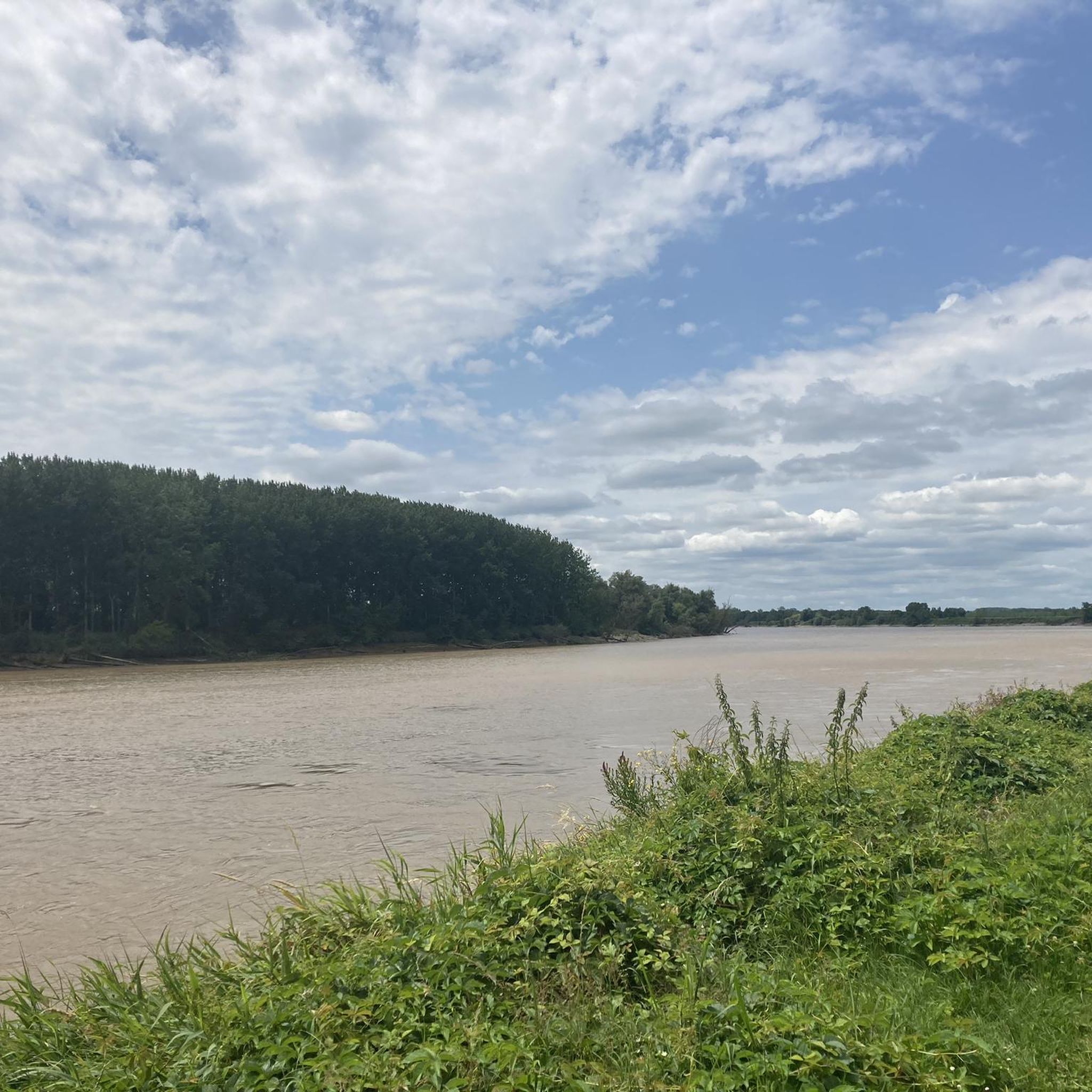
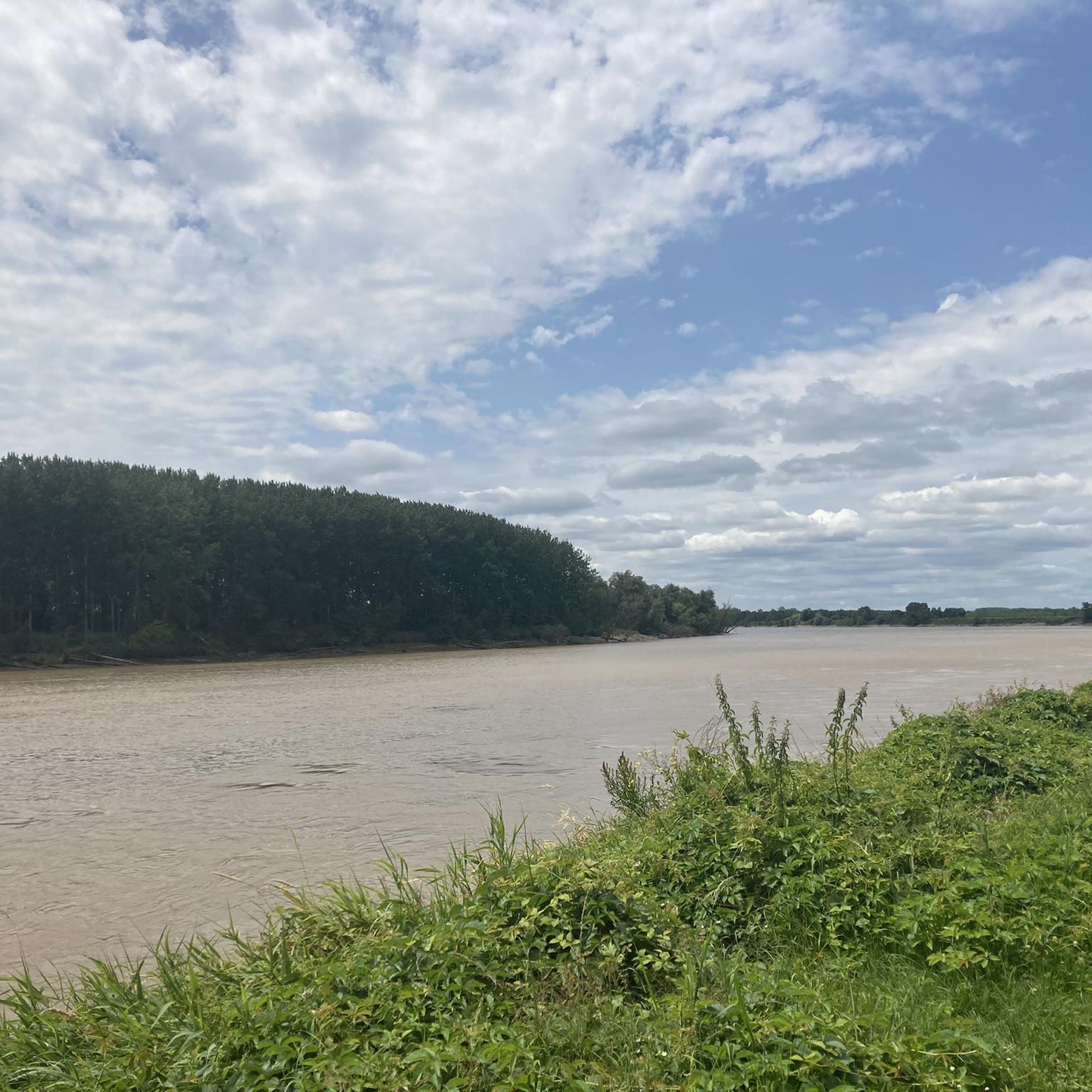
Touring cycling routes around Le Tourne are situated in the Nouvelle-Aquitaine region of France, characterized by its position within the Entre-Deux-Mers wine region. The landscape features extensive vineyards, rural countryside, and the Garonne River, which forms a significant natural boundary. The area is known for its predominantly flat terrain, particularly along dedicated cycle paths built on old railway lines and canal towpaths.
Best touring cycling routes around Le Tourne
- The most popular touring cycling route is The Springs Pond –…
Last updated: October 18, 2026
6
riders
20.3km
01:35
290m
290m
Moderate bike ride. Good fitness required. Mostly paved surfaces. Suitable for all skill levels.
3.5
(2)
4
riders
39.2km
02:30
280m
280m
Moderate bike ride. Good fitness required. Mostly paved surfaces. Suitable for all skill levels.

3.0
(1)
5
riders
Hard bike ride. Very good fitness required. Mostly paved surfaces. Suitable for all skill levels.
4.0
(1)
3
riders
24.8km
01:26
90m
90m
Easy bike ride. Great for any fitness level. Mostly paved surfaces. Suitable for all skill levels.
5
riders
36.8km
02:10
120m
120m
Moderate bike ride. Good fitness required. Mostly paved surfaces. Suitable for all skill levels.
Get access to more routes and recommendations from other explorers.
Already have an account?
Our route recommendations are based on thousands of hikes, rides, and runs completed by other people on komoot.
Start today with a free account
Your next adventure awaits.

Tips from the Community

Another very inviting café right next to the bike path
0
0

"The historic center of Bordeaux, with its so-called Port of the Moon (Port de la Lune), as the city is poetically named after the crescent-shaped bend in the Garonne River, has been declared a cultural monument. Since the 16th century, the city's bourgeoisie has stood for self-confidence, a desire for freedom, pride, and independence. This bourgeoisie, thanks to its far-reaching trade connections and the natural harbor on the banks of the Garonne, used its location to cultivate economic ties with England, Portugal, North Africa, and South America for centuries. The city's architecture reflects this self-confidence, success, and historical continuity. No other city in Central Europe boasts such a homogeneous architectural style as Bordeaux," reads the website accompanying the short (15-minute) German-language film from the series "Treasures of the World – Heritage of Humanity." ``` It is available in the ARD media library at the following link: =>> https://www.ardmediathek.de/video/schaetze-der-welt/bordeaux-historisches-zentrum-von-bordeaux-frankreich-folge-362/3sat/Y3JpZDovL3N3ci5kZS82ODQ1NDk2
1
0

Very pretty building on the quays of Bordeaux
0
0

It's cool to make one last stop here before heading home.
0
0


Bordeaux city centre is a stunning mix of history, culture and modernity. Known for its classical architecture and grand 18th-century buildings. Here you will find a mix of both, with a lively promenade along the Garonne.
4
0

There are great impressive city gates to discover here
2
1

Very beautiful medieval gate tower. Definitely worth a visit
1
0
Frequently Asked Questions
How many touring cycling routes are available around Le Tourne?
There are over 160 touring cycling routes available around Le Tourne, catering to various preferences. The komoot community has explored more than 3,700 of these routes, highlighting the area's popularity for cycling.
What is the typical terrain like for touring cycling around Le Tourne?
The terrain around Le Tourne is characterized by extensive vineyards, rural countryside, and the Garonne River. Many routes, especially those on dedicated cycle paths like the Roger Lapébie, are predominantly flat as they are built on old railway lines or canal towpaths. However, the region also offers routes with some elevation changes, particularly within the Entre-Deux-Mers wine region.
Are there touring cycling routes suitable for beginners or families in Le Tourne?
Yes, Le Tourne is an excellent destination for cyclists of all levels, including beginners and families. The Roger Lapébie cycle path, a 'voie verte' built on an old railway line, provides a smooth, almost flat ride, ideal for a relaxed experience. Many of the 54 easy routes in the area are perfect for those seeking a gentle ride.
What interesting landmarks or attractions can I see along the touring cycling routes near Le Tourne?
Along the routes, you can discover charming medieval towns, historic sites, and natural features. Notable attractions include the unique Espiet tunnel on the Roger Lapébie path, the picturesque vineyards of the Entre-Deux-Mers region, and scenic views of the Garonne River. The area also offers access to bastides like Créon and the UNESCO World Heritage site of La Sauve-Majeure Abbey.
Can I access the Roger Lapébie cycle path from Le Tourne?
Yes, the Roger Lapébie cycle path is easily accessible from around Le Tourne. This greenway stretches for approximately 57 kilometers between Latresne and Sauveterre-de-Guyenne, offering constantly changing vistas through woodlands, meadows, and vineyards. It also connects towards Bordeaux, allowing for city exploration by bike.
Are there any routes that are part of larger cycling networks?
Absolutely. The Roger Lapébie path is a crucial segment of the larger Canal des Deux Mers à Vélo (Canal of the Two Seas by Bike) route. This allows cyclists to continue their journey along the tranquil towpath of the Garonne Canal, leading towards Toulouse and linking the Atlantic to the Mediterranean.
What do other touring cyclists enjoy the most about touring cycling in Le Tourne?
The area is highly rated by the komoot community, with an average score of 4.4 stars from over 500 reviews. Reviewers often praise the diverse landscapes, including quiet woodlands, expansive meadows, and picturesque vineyards. The well-maintained, car-free nature of paths like the Roger Lapébie is also frequently highlighted as a major draw.
Are there circular touring cycling routes available near Le Tourne?
Yes, many touring cycling routes around Le Tourne are designed as loops, offering convenient circular journeys. An example is The Springs Pond – Roger Lapébie trail loop from Portets, which is a moderate 32.1-mile (51.6 km) route incorporating a section of the famous greenway.
Can I find places to eat or stay along the cycling routes?
Yes, as you cycle through the region, you'll find charming villages and towns that offer opportunities for refreshments and accommodation. The Bistrot de la Pimpine is one such spot mentioned near the cycling paths. The area's popularity with cyclists means there are various cafes, pubs, and accommodation options catering to visitors.
What are some longer touring cycling options that extend beyond Le Tourne?
For those seeking longer adventures, routes like Bordeaux Water Mirror – Pont de Pierre (Stone Bridge) loop from Portets extend towards Bordeaux, offering views of the Garonne River and urban landmarks over 50.8 miles (81.8 km). The connection to the Canal des Deux Mers à Vélo also allows for multi-day journeys across the region.
Is it possible to use public transport with a bike in the Le Tourne area?
While specific details on bike transport on local public transport are not provided, the region's focus on cycling infrastructure suggests a bike-friendly environment. For longer distances, the connection to major routes like the Canal des Deux Mers à Vélo often implies accessibility to train stations that accommodate bikes, particularly in larger nearby cities like Bordeaux.
Most popular routes around Le Tourne
Most popular attractions around Le Tourne

Get inspired with the komoot mobile app


Explore more
Browse the best Cycling routes in other regions.
