Attractions and Places To See around Peyruis - Top 20
Best attractions and places to see around Peyruis include a blend of historical landmarks, natural settings, and cultural experiences within the Alpes-de-Haute-Provence. Situated on the right bank of the Durance river, the village is surrounded by wooded hills. This area offers opportunities to explore ancient sites and scenic landscapes.
Best attractions and places to see around Peyruis
- The most popular attractions is The Penitents of Les Mées, a natural monument sculpted by erosion in pudding rock. This site offers…
Last updated: July 6, 2026
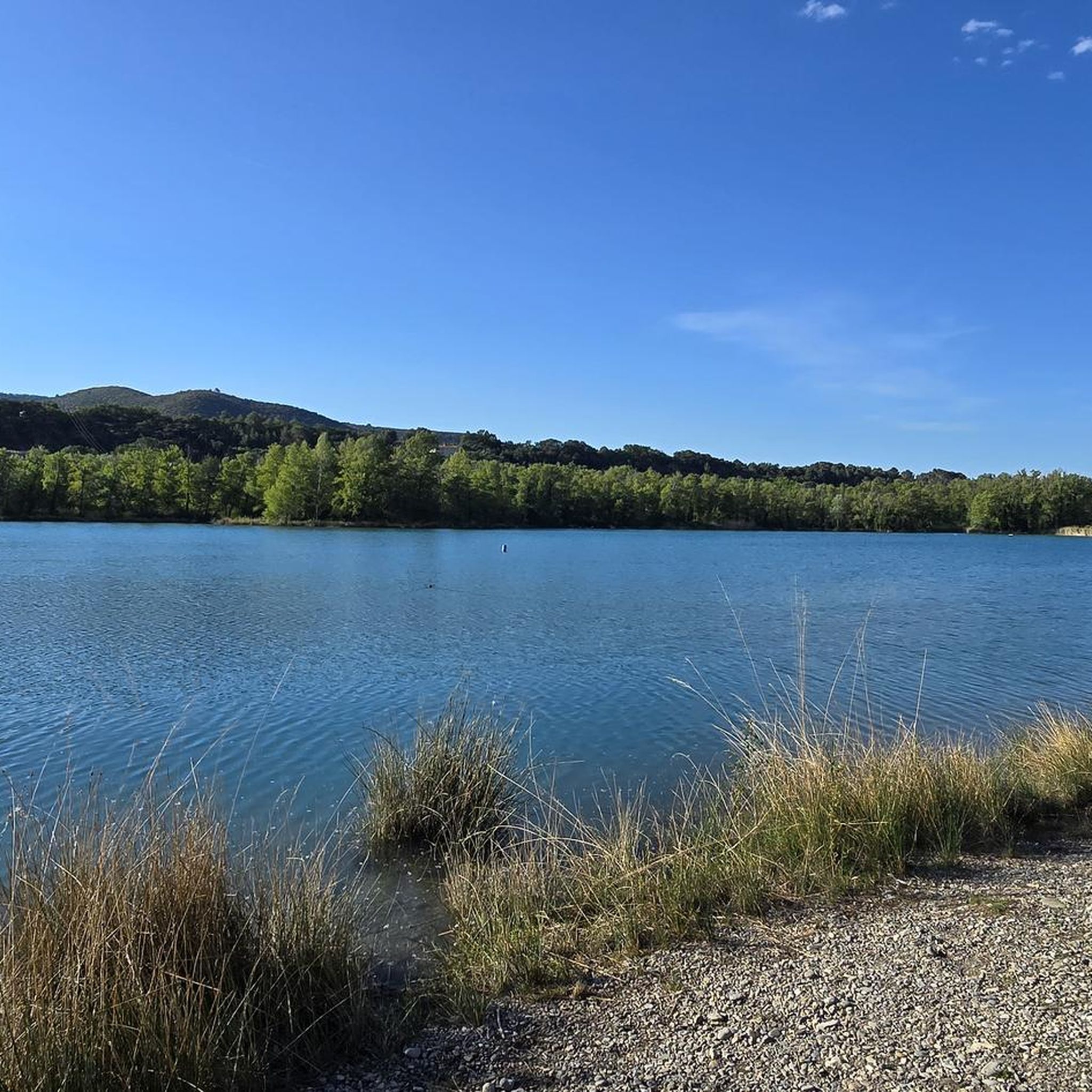
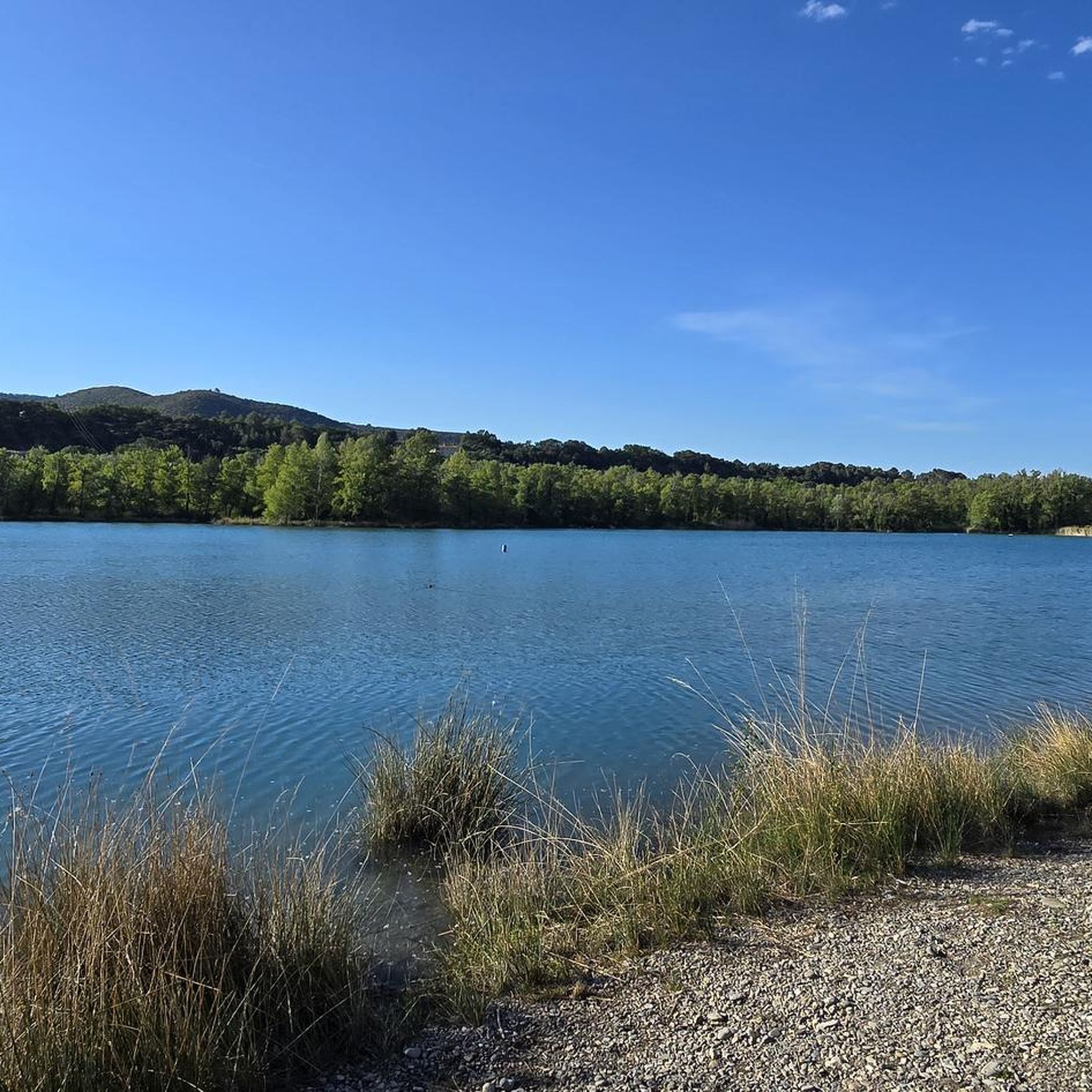
Col d'Espinouse
Highlight (Segment) • Other
Translated by Google •
Tip by

The Penitents of Les Mées
Highlight (Segment) • Natural Monument
Translated by Google •
Tip by

Sign up now to discover places like this
Get recommendations on the best single tracks, peaks, & plenty of other exciting outdoor places.
Sign up for free
Abbey Church of Cruis
Highlight • Religious Site
Translated by Google •
Tip by

The Pénitents of Les Mées
Highlight • Natural Monument
Translated by Google •
Tip by

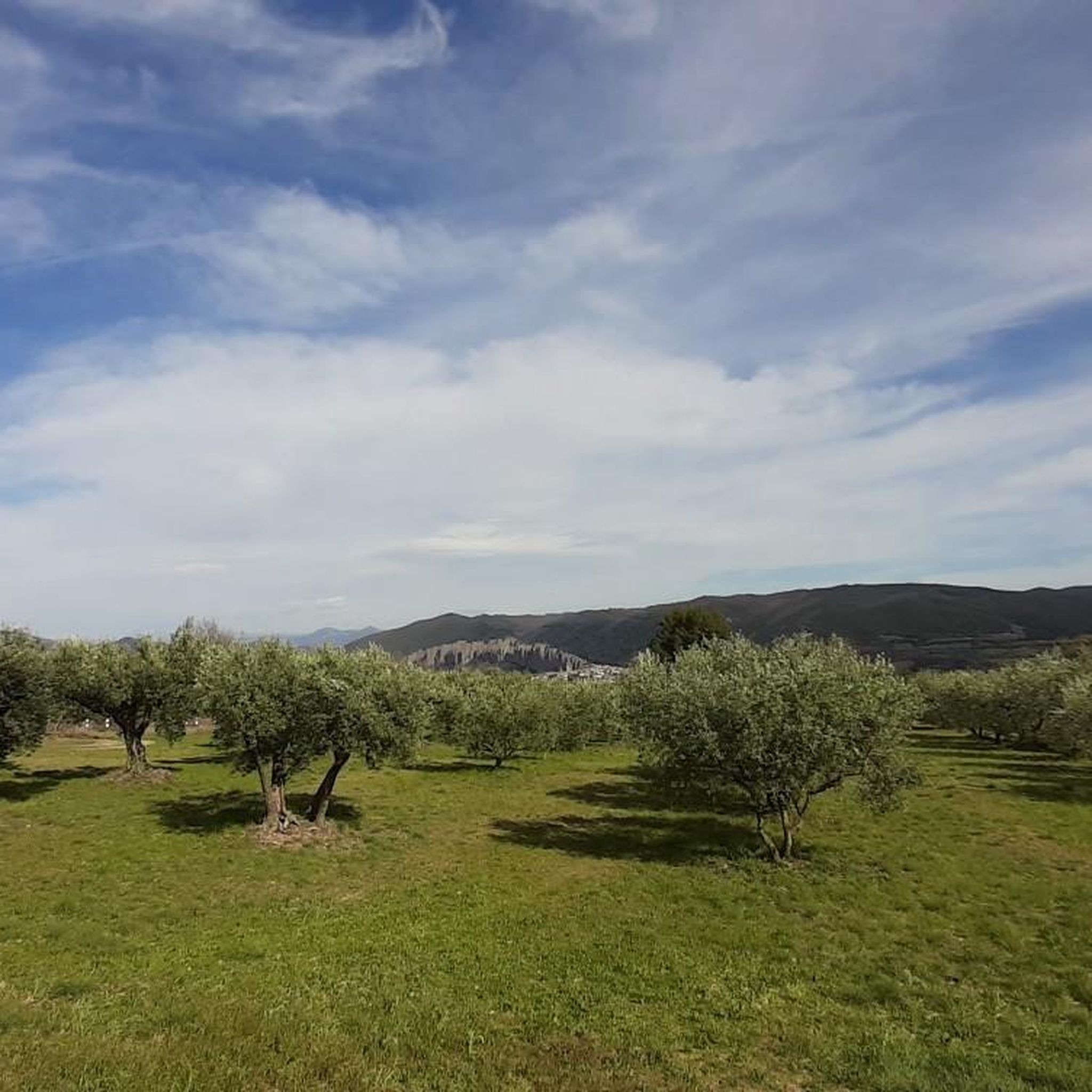
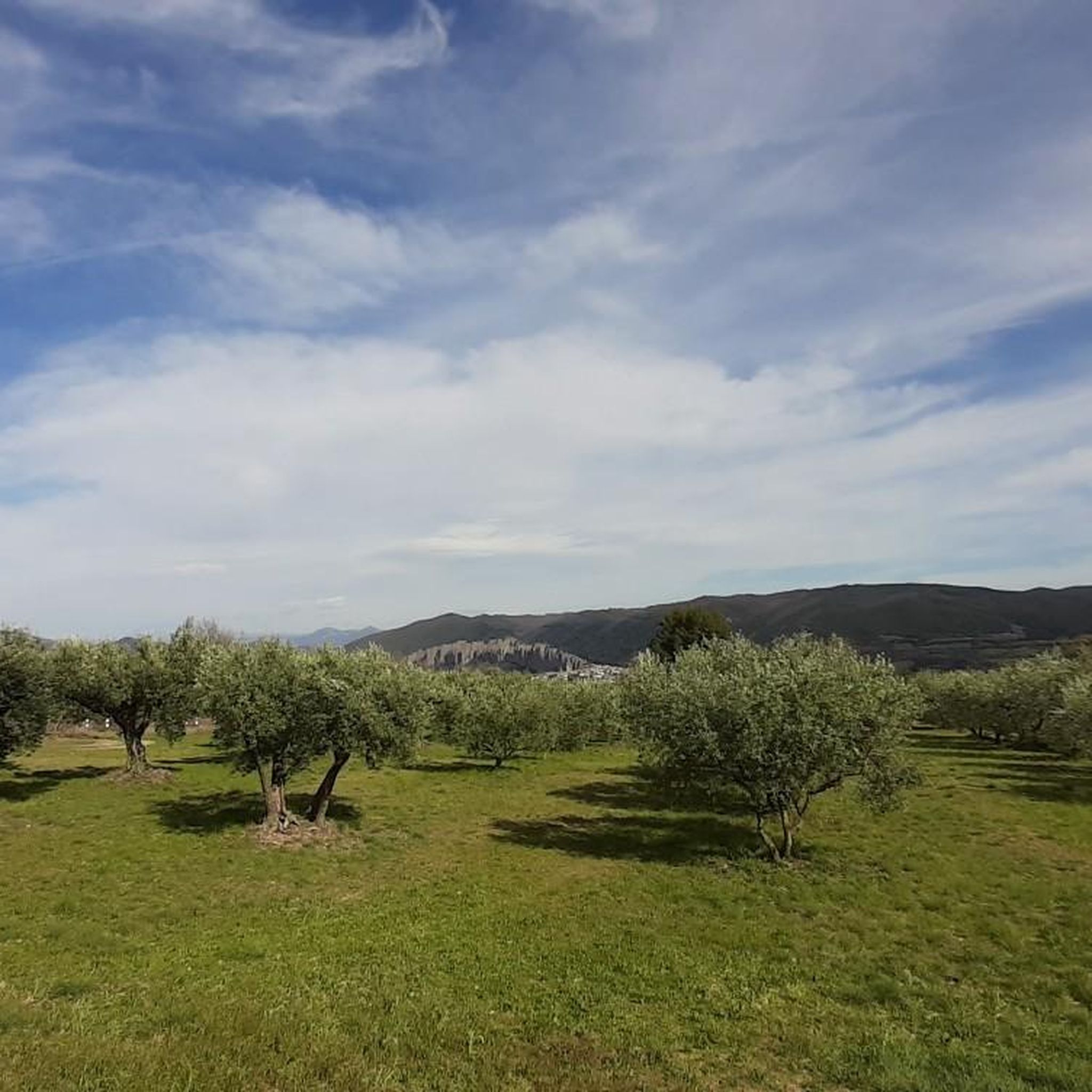
View over Les Mées
Highlight • Settlement
Translated by Google •
Tip by

Sign up for free to discover even more attractions around Peyruis.
Sign up for free
Already have an account?
Start today with a free account
Your next adventure awaits.
Login or Signup

Tips from the Community

Very beautiful views while climbing the Espinouse. However, on the way down from the Col de l'Orme, when you take the road on the left, the road is very dangerous; you have to be very careful; we pass through the middle of farms, among other things.
0
0

very pleasant no particular difficulty
0
0

The spectacular Pénitents were sculpted by erosion in the pudding, a rock made up of pebbles torn from the Alps during their elevation and dumped here by rivers over a period ranging from 2 to 12 million years. Legend has it that these are monks who were petrified because they turned around when beautiful Moorish women passed by...
2
2

Very spectacular hike above the cliffs of Les Mees, with great views. However, good sure-footedness (sturdy shoes) and a head for heights are absolutely necessary!
2
0

The Col d'Espinouse culminates at 838m. From Bras d'Asse, the longest side is available to you with a 10.5 km climb. This pass is relatively easy with an average slope of barely 3.5%, only its length can tire you. The last km is the most sustained with an average of 6% which can hurt your thighs after 9 km of ascent
2
0

Nestled at an altitude of 711m at the foot of the Montagne de Lure, classified among the "Cities and villages of character", this small town was built around an abbey founded in the 11th century. All that remains of this abbey now is the cloister and an elegant Romanesque church with a slate roof and richly endowed furniture for such a small village. From the 16th to the 19th century, Cruis was an important center for peddlers and druggists whose activity consisted of traveling the mountains to pick aromatic or medicinal plants and resell them on the market. Thanks to this rich past, the village has retained a certain cachet offering a network of small flowery streets, squares with fountains or washhouses, and old houses with stone facades and roofs in harmonious colors.
1
0

This geological site which adjoins the village of Mées is very impressive and remarkable for the rock formations which stand before you. They are more than 100 meters high. These imposing columns are made up of naturally cemented and then eroded rocks and pebbles called Poudingues. Legend has it that around the year 800 Count Raimbaud, victorious against the Saracens, brought back seven of their most beautiful women from the Crusades in order to take them to his castle. They were finally taken under good escort by monks coming from the nearby Lure mountain. They were turned to stone when a strong wind blew their hoods off, forcing them to look at the beautiful prisoners.
3
0

With nearly 80,000 olive trees, Les Mées is the largest olive-growing commune in the Alpes de Haute-Provence. From up there we have a beautiful view of the old town and its wild surroundings.
0
0
Frequently Asked Questions
What historical landmarks can I explore in Peyruis?
Peyruis offers a rich history to explore. You can visit the ruins of the Château de Peyruis, which provides panoramic views of the Durance Valley. The Saint-Nicolas Church features Gothic elements and ancient stained glass, while the Saint Roch Chapel, built in 1720, now hosts exhibitions. Strolling through the winding alleys of the Old Town Center also reveals houses from the 16th and 17th centuries.
Are there opportunities for hiking or mountain biking near Peyruis?
Yes, the area around Peyruis is ideal for outdoor activities. The Durance Valley and surrounding wooded hills offer numerous trails for hiking and mountain biking. For specific routes, you can explore options like those found in the Running Trails around Peyruis guide or the Gravel biking around Peyruis guide.
What natural features define the landscape around Peyruis?
Peyruis is set in a preserved natural environment on the right bank of the Durance river, surrounded by densely wooded hills. The region is characterized by its scenic Val de Durance, offering a verdant landscape. A notable natural monument nearby is The Penitents of Les Mées, sculpted by erosion, which offers spectacular views across the Durance River valley.
Can I find family-friendly activities or walks in Peyruis?
While specific family-friendly highlights are not detailed, the village's old town with its pastel-colored houses and fountains offers a pleasant environment for a family stroll. The Champ de Gau hill, with its terraced gardens, provides a pleasant walk with views of the old village and the Durance plain. Exploring the local markets can also be an engaging activity for families.
What cultural experiences does Peyruis offer?
Peyruis provides several cultural experiences. You can visit a local Oil Mill and Soap Factory to learn about traditional production methods. The village also hosts a classical music festival in August and a harvest festival in September. Its connection to local figures like poet Henri Bérard and faience artist Joseph Fauchier adds to its artistic heritage.
What is the best time of year to visit Peyruis for outdoor activities?
The Alpes-de-Haute-Provence region, where Peyruis is located, is generally pleasant for outdoor activities from spring through autumn. The summer months are ideal for enjoying the festivals and the shaded squares, while spring and early autumn offer comfortable temperatures for hiking and cycling through the Durance Valley and wooded hills.
Are there any unique viewpoints in the area?
Yes, the region boasts several impressive viewpoints. The ruins of the Château de Peyruis offer panoramic views of the Durance Valley. Additionally, View over Les Mées provides a beautiful perspective of the old town and its surroundings, including the largest olive-growing commune in the Alpes de Haute-Provence. For a mountain panorama, Col d'Espinouse offers gigantic views of the French Maritime Alps.
Where can I experience the local Provençal ambiance in Peyruis?
To experience the authentic Provençal ambiance, stroll through the winding alleys of Peyruis' Old Town Center, where you'll find pastel-colored houses and flowered balconies. The Place de la République, shaded by plane trees, is a central spot where locals gather for coffee or pétanque. The village's seven fountains, some with attached wash houses, also serve as traditional meeting points.
Are there any ancient Roman connections in Peyruis?
Yes, Peyruis has historical ties to the Roman era. The village is situated on the route of the ancient Via Domitia, an important Roman road that connected Spain to Italy. This historical connection contributed to Peyruis' significance as a crossroads in ancient times, with the oldest fountain in the village, the "domitienne," named for its proximity to this road.
What are the options for cycling around Peyruis?
Peyruis and its surroundings are excellent for cycling. You can find various routes for touring bicycles and gravel biking. For detailed routes and difficulty levels, refer to the Cycling around Peyruis guide or the Gravel biking around Peyruis guide, which include options like the challenging "La Combe loop from Peyruis" or the scenic "Pénitents des Mées Trail".
What do visitors particularly enjoy about the natural attractions near Peyruis?
Visitors frequently praise the breathtaking views and unique geological formations. For instance, the The Penitents of Les Mées are described as spectacular, offering views across the Durance River valley. The Col d'Espinouse is highlighted for its 'gigantic view of the French Maritime Alps' and being a 'very worthwhile' panorama.
Can I find local markets or traditional products in Peyruis?
Yes, like many villages in the Alpes-de-Haute-Provence, Peyruis offers a rich "terroir." Visiting a local market is highly recommended for fresh produce and regional specialties. Additionally, you can explore a local Oil Mill and Soap Factory to discover traditional production methods and purchase authentic local products.
Are there any religious historical sites to visit?
Peyruis features significant religious historical sites. The Saint-Nicolas Church is a parish church with Gothic elements from the 15th century, 16th-17th century stained glass, and representative mural paintings. The Saint Roch Chapel, dating back to 1720, was built to protect the village from the Great Plague and now serves as an exhibition space.
Most popular routes around Peyruis
Most popular attractions around Peyruis

Get inspired with the komoot mobile app


Explore more
Still not found the Highlight you’re looking for? See guides of the top attractions in other regions:
