Attractions and Places To See around Fanjeaux - Top 20
Best attractions and places to see around Fanjeaux include a medieval village perched on a rocky outcrop, offering panoramic views of the Lauragais plain. This region in the Aude department of Occitanie is known for its historical significance, particularly its role in Cathar country and Roman origins. Visitors can explore centuries of history and diverse landscapes.
Best attractions and places to see around Fanjeaux
- The most popular attractions is Laurac from above, a viewpoint that offers expansive views of…
Last updated: October 18, 2026
Fanjeaux
Highlight • Settlement
Translated by Google •
Tip by

Béteille lock
Highlight • Other
Translated by Google •
Tip by

Sign up now to discover places like this
Get recommendations on the best single tracks, peaks, & plenty of other exciting outdoor places.
Greenway from the Canal du Midi to Montségur
Highlight • Cycleway
Unfortunately, the surface of the Bahntrassenradweg changes again and again along its entire length
Translated by Google •
Tip by

Canal du Midi
Highlight • Other
Translated by Google •
Tip by

Tréboul Lock No. 41
Highlight • Structure
Translated by Google •
Tip by
Sign up for free to discover even more attractions around Fanjeaux.
Already have an account?
Start today with a free account
Your next adventure awaits.
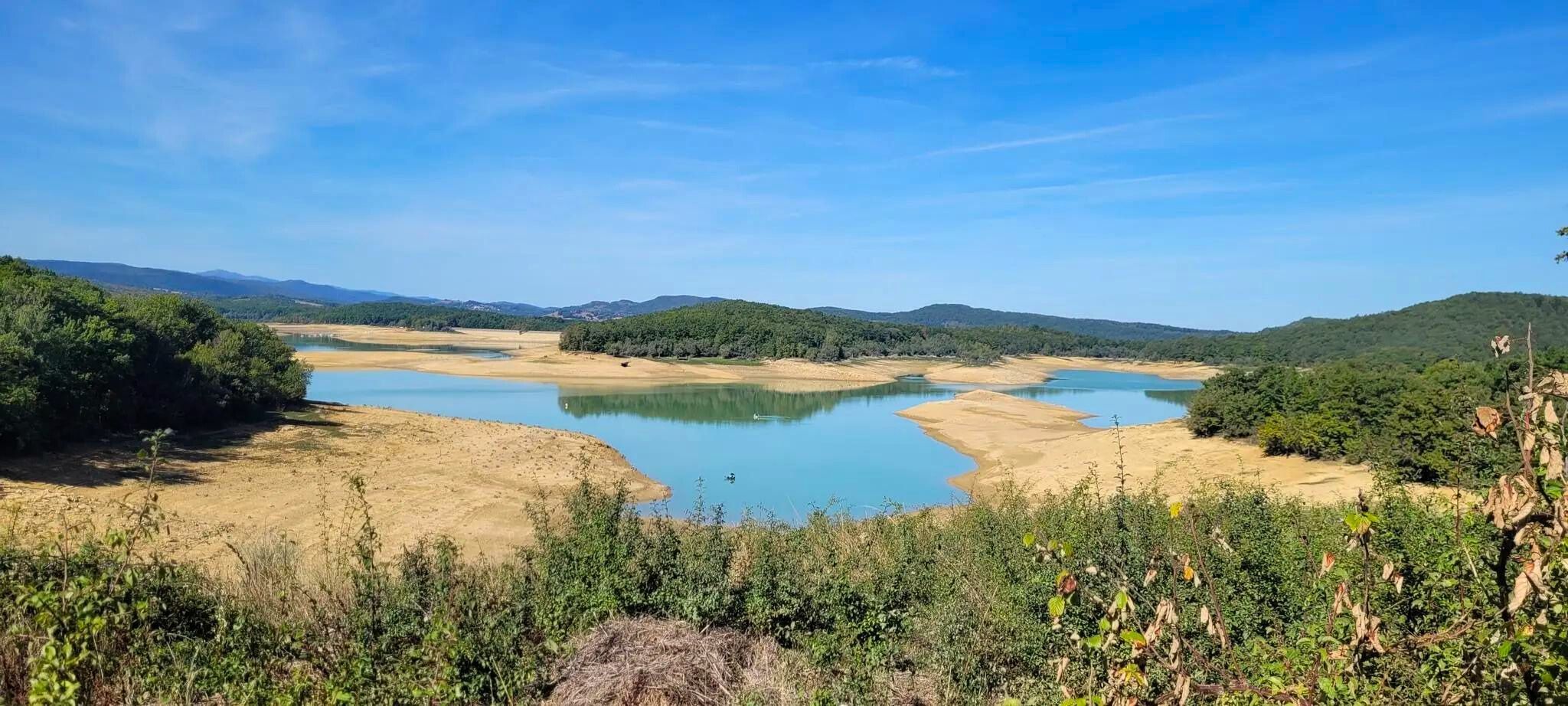
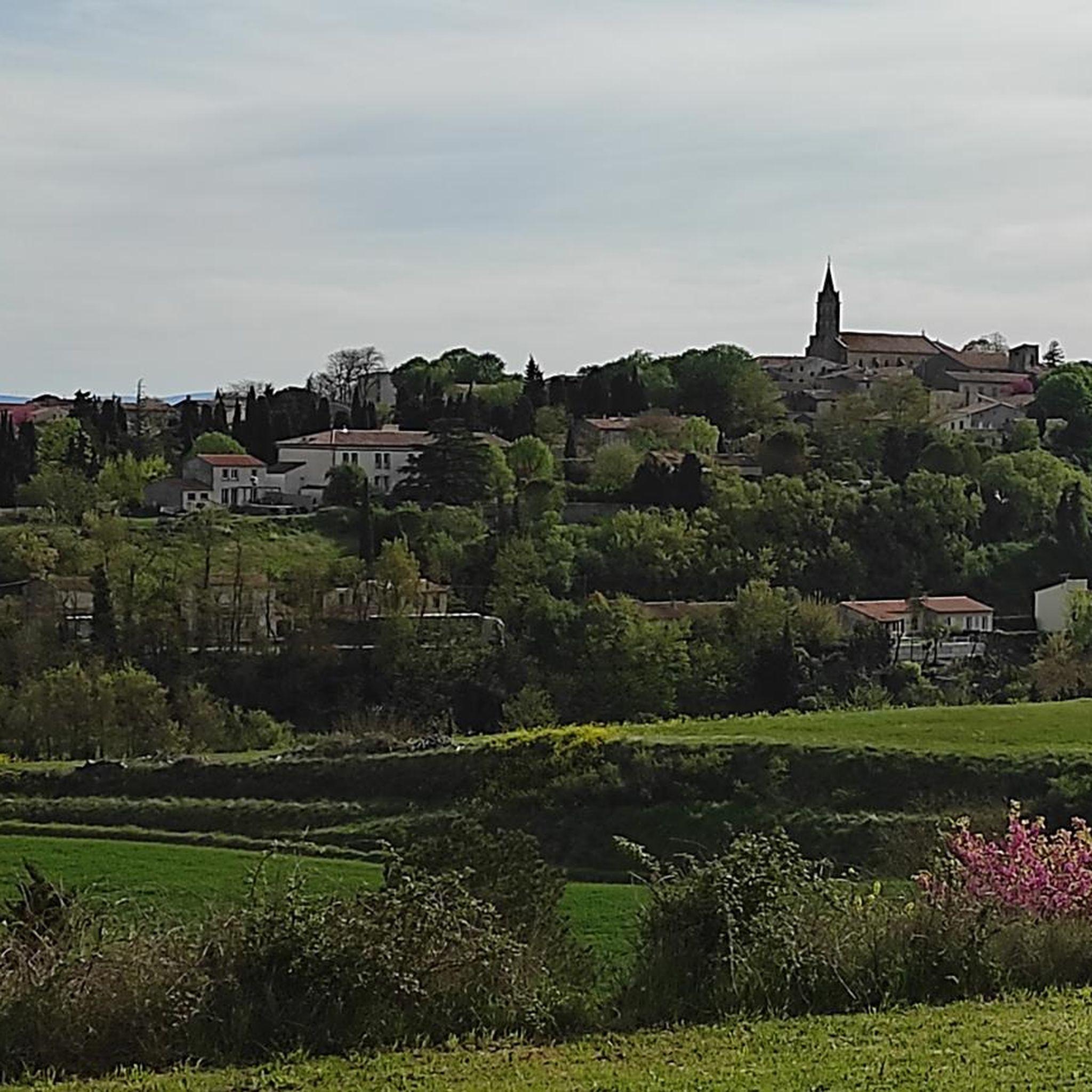
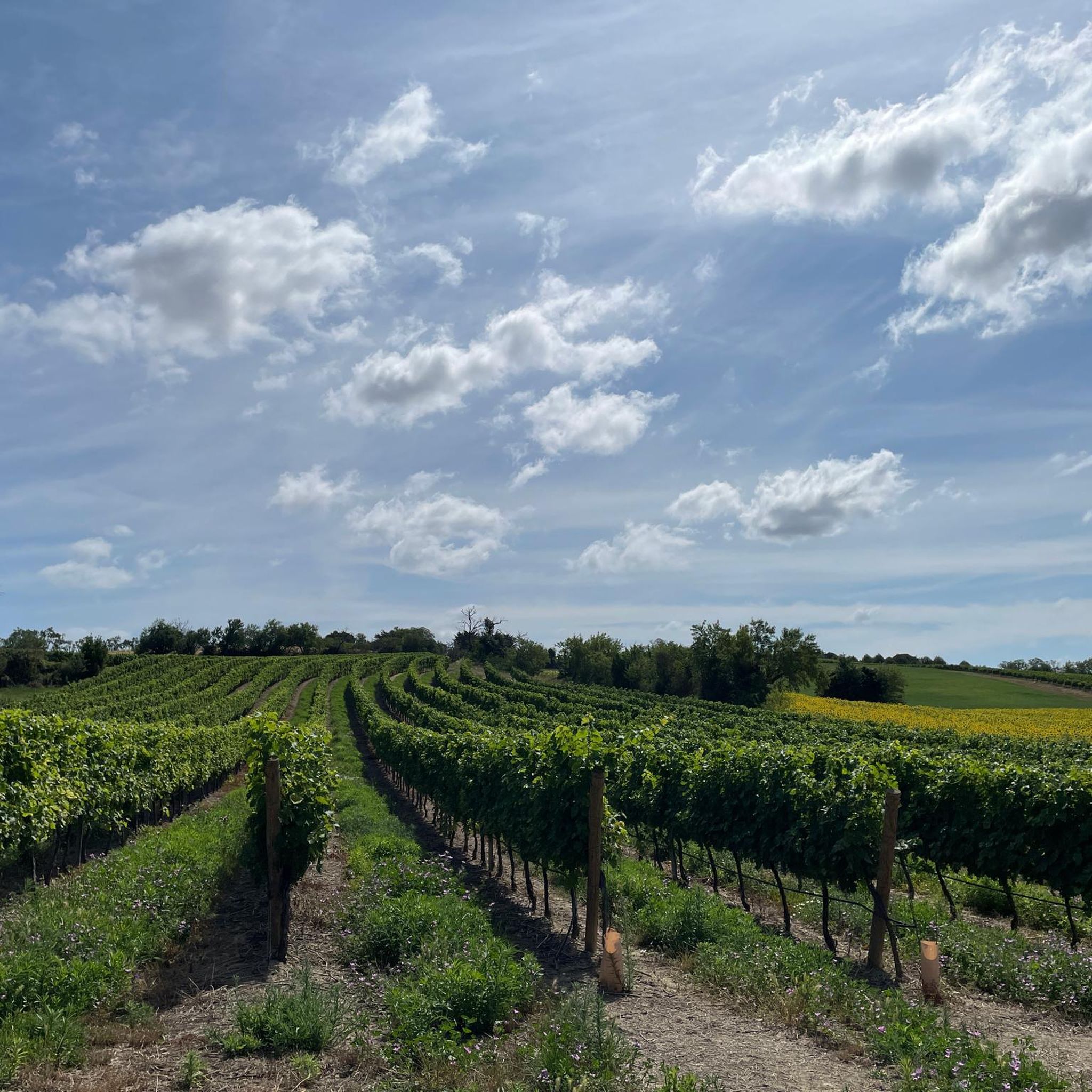
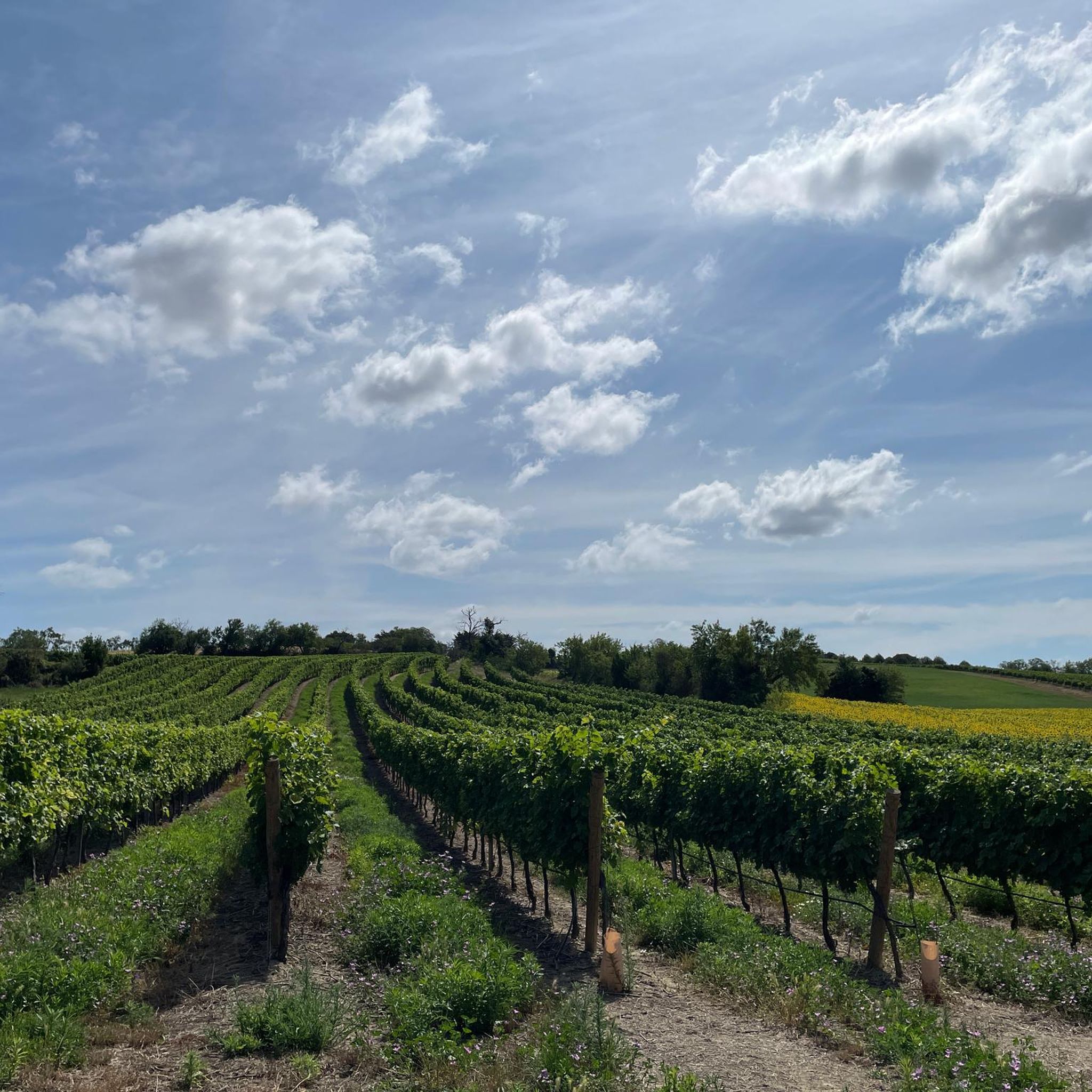


Other adventures around Fanjeaux

Tips from the Community

This simple oval-shaped lock was built between 1674 and 1678. It is located near the village of Pexiora, and in the vicinity of Villepinte. The Tréboul stream crosses the Canal road at this lock.
0
0
The Canal du Midi, formerly Canal Royal, is a 17th-century technical feat designed by Pierre-Paul Riquet to connect the Atlantic to the Mediterranean. Today, it is above all a place for relaxation and discovery, where heritage, nature, and conviviality meet.
0
0
At the Béteille lock, in Alzonne, you can witness the transfer of boats with a 2.25-meter waterfall, all supervised by the expert eye of the lock keeper.
0
0


Perched on its rocky promontory at an altitude of 360 meters, Fanjeaux dominates the Lauragais meadow. The medieval city has been occupied since the Gallo-Roman era before becoming a powerful castle village in the 12th century. Its old neighborhoods bear witness to its rich historical heritage.
2
0

Frequently Asked Questions
What historical sites can I explore in Fanjeaux?
Fanjeaux is rich in history. You can visit the medieval village of Fanjeaux itself, which was a powerful castle village in the 12th century. Other significant sites include the Notre-Dame-de-l'Assomption Church, the remains of the Dominican Cloister, and the Former Convent of the Friars Preachers, associated with Saint Dominic. Stroll through the Old Town Center to see a 13th-century discoidal cross and the 16th-century Rue de la Tour.
Where can I find panoramic views of the surrounding landscape?
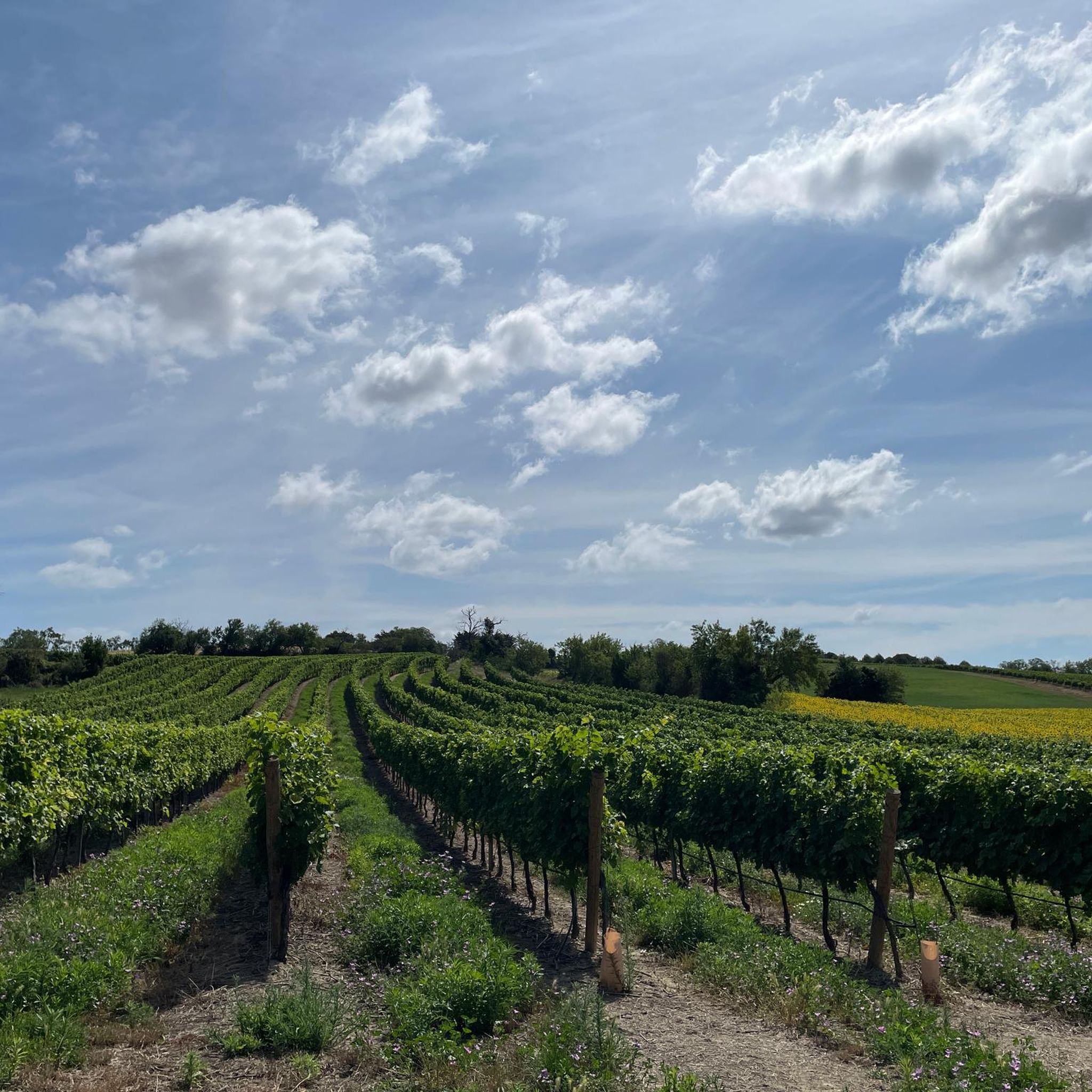
Fanjeaux, perched at an altitude of 360 meters, offers stunning panoramic views of the Lauragais plain and up to seven departments. A particularly memorable spot is Laurac from above, which provides breathtaking views of Laurac and the green hills after a climb. The Point de Vue du Seignadou also offers a great perspective.
Are there any family-friendly activities or attractions in Fanjeaux?
Yes, Fanjeaux offers family-friendly options. The village of Fanjeaux itself is considered family-friendly, allowing for exploration of its historic streets. Additionally, the Greenway from the Canal du Midi to Montségur is ideal for a family outing, offering a recently renovated path suitable for cycling.
What kind of outdoor activities can I do around Fanjeaux?
The area around Fanjeaux is excellent for outdoor enthusiasts. You can enjoy hiking, gravel biking, and road cycling. For detailed routes and guides, explore options like Hiking around Fanjeaux, Gravel biking around Fanjeaux, and Road Cycling Routes around Fanjeaux.
Are there specific hiking trails suitable for different skill levels?
Yes, there are various hiking trails. The Sentier du Pech is a shorter, accessible circuit for a leisurely stroll. For more challenging adventures, the Sentier des Corbières skirts steep cliffs and passes through dense forests. You can find more options, including easy and moderate routes, in the Hiking around Fanjeaux guide.
What is the significance of Fanjeaux in Cathar history?
Fanjeaux played a significant role in Cathar country. It was a major center during the Cathar period, and Saint Dominic stayed in Fanjeaux between 1206 and 1216 to preach against Catharism. The village was once a fortified town, and the Prouilhe Monastery nearby is where Saint Dominic founded the first community of nuns converted by him in the 13th century.
Can I visit any religious sites in Fanjeaux?
Absolutely. The Notre-Dame-de-l'Assomption Church, a southern Gothic-style church from the 13th century, is a classified historic monument. You can also explore the remains of the 14th-century Dominican Cloister and the Former Convent of the Friars Preachers, which still houses a congregation of Dominicans.
What are the notable features of the Canal du Midi near Fanjeaux?
Near Fanjeaux, you can see impressive engineering marvels of the Canal du Midi. The Béteille lock, built in 1674, is a single-chamber structure regulating the canal's waters. Another notable feature is the Criminal lock, also built around 1674, which is a single-chamber lock sitting 137 meters above sea level.
Are there cycling routes available around Fanjeaux?
Yes, Fanjeaux is a great starting point for cycling. The Greenway from the Canal du Midi to Montségur is a popular option. For more routes, including gravel biking and road cycling, check out the Gravel biking around Fanjeaux and Road Cycling Routes around Fanjeaux guides, which offer routes of varying difficulties.
What is the best way to experience the medieval character of Fanjeaux?
To truly experience Fanjeaux's medieval character, wander through its Old Town Center. The narrow streets and alleys evoke its past as a fortified town. The village of Fanjeaux itself, with its ancient neighborhoods and historical landmarks, offers a glimpse into its rich heritage from the Gallo-Roman era to its powerful castle village days.
What do visitors enjoy most about Fanjeaux?
Visitors frequently appreciate Fanjeaux's rich historical heritage, particularly its medieval character and connection to Cathar history. The stunning panoramic views from its elevated position are also a major draw. The komoot community has shared 29 photos and given 23 upvotes, highlighting the beauty and appeal of the area's attractions.
Most popular routes around Fanjeaux

Get inspired with the komoot mobile app


Explore more
Still not found the Highlight you’re looking for? See guides of the top attractions in other regions:
