The best road cycling routes around La Chapelle-En-Serval
4.2
(187)
4,988
riders
306
rides
Road cycling routes around La Chapelle-En-Serval are situated in the Oise department, within the Hauts-de-France region, offering diverse landscapes for cyclists. The area is characterized by extensive forests, including a significant portion of the Chantilly Forest, alongside cultivated lands and grasslands. With altitudes ranging from 57 to 136 meters, the terrain features gentle undulations, making it accessible for various fitness levels. The region is integrated into the Oise-Pays de France Regional Natural Park, providing a network of easy-to-cycle narrow roads…
Last updated: July 8, 2026
117
riders
194km
08:27
1,140m
1,140m
Hard road ride. Very good fitness required. Some segments of this route may be unpaved and difficult to ride.
83
riders
202km
08:58
1,340m
1,340m
Hard road ride. Very good fitness required. Some segments of this route may be unpaved and difficult to ride.

Sign up for free
5.0
(1)
55
riders
51.2km
02:11
320m
320m
Moderate road ride. Good fitness required. Mostly well-paved surfaces and easy to ride.
48
riders
192km
08:27
1,150m
1,150m
Hard road ride. Very good fitness required. Some segments of this route may be unpaved and difficult to ride.
4.3
(3)
49
riders
Easy road ride. Great for any fitness level. Mostly well-paved surfaces and easy to ride.
Get access to more routes and recommendations from other explorers.
Sign up for free
Already have an account?
Our route recommendations are based on thousands of hikes, rides, and runs completed by other people on komoot.
Start today with a free account
Your next adventure awaits.
Login or Signup
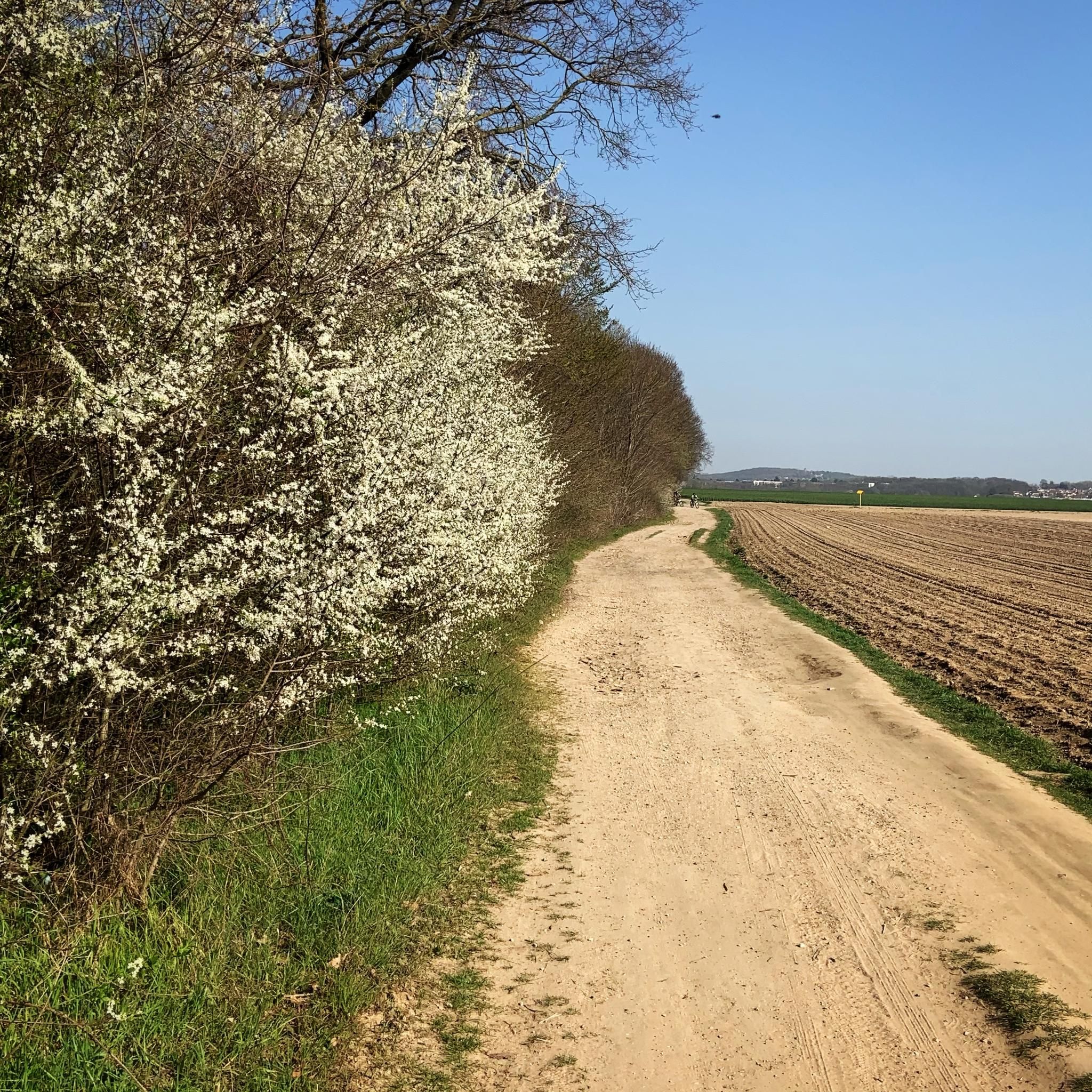
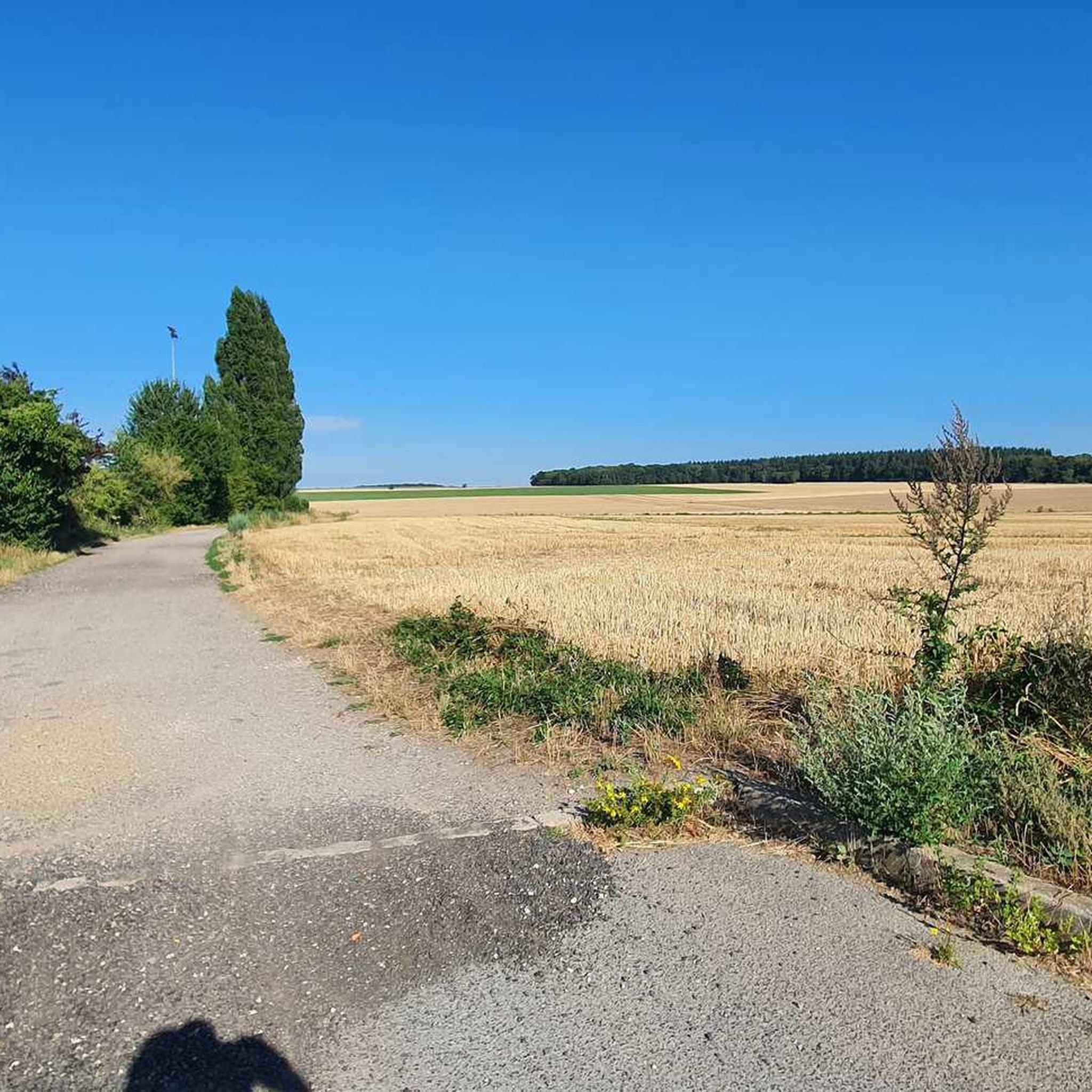
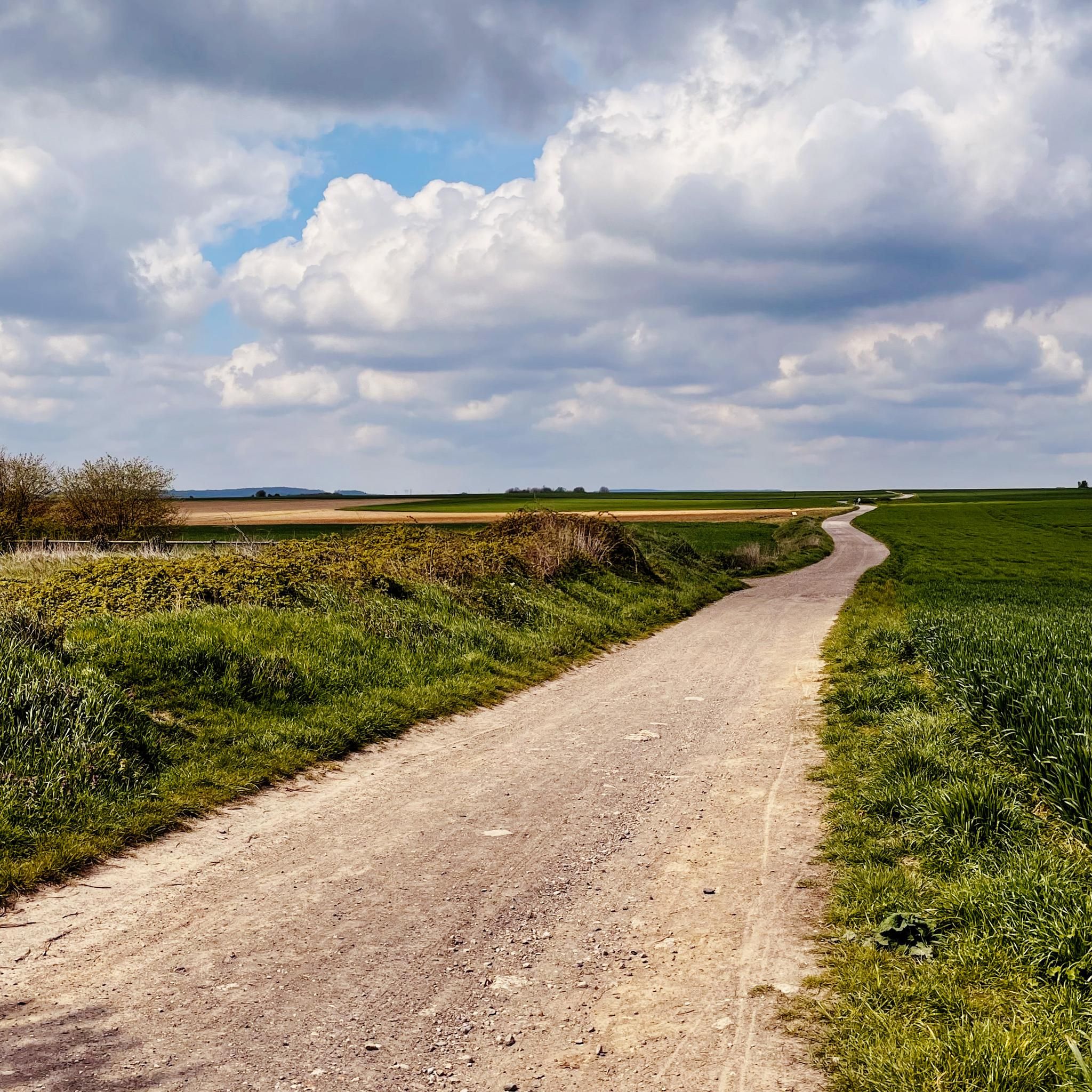
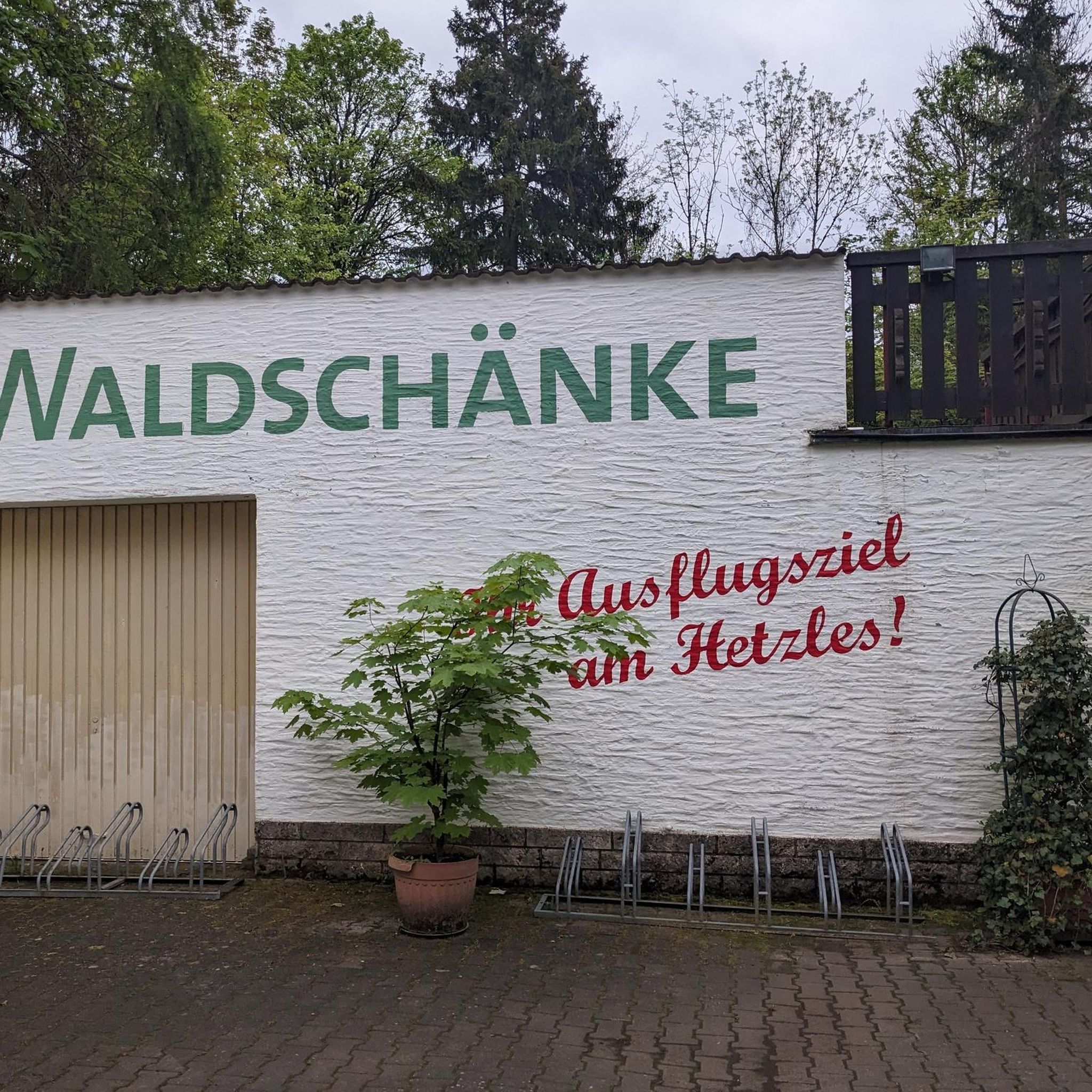

Tips from the Community

Magnificent place along the canal for a peaceful ride. Even though the cycle path is not in impeccable condition in some places.
0
0

Nice spot with a beautiful descent towards Viarmes
0
0

The Place de la Concorde, located at the eastern end of the Champs-Élysées and bordering the Seine, is the largest square in Paris (approximately 8 hectares). It forms a strategic point connecting several major thoroughfares: the Tuileries Garden, the Rue Royale, the Pont de la Concorde, and the Avenue des Champs-Élysées. Origins and Creation (1755–1772) The square was designed starting in 1755 by the architect Ange-Jacques Gabriel, First Architect to King Louis XV. It was intended to glorify the monarchy and house an equestrian statue of Louis XV, which was unveiled in 1763. The initial design featured: a vast open esplanade, two monumental pavilions to the north (now the Hôtel de Crillon and the Hôtel de la Marine), decorative octagonal moats, dry moats, and balustrades. The overall design is in a restrained and harmonious neoclassical style. The French Revolution: Place de la Révolution (1792–1795) From 1792 onward, the square became a major political symbol. The statue of Louis XV was toppled and replaced by the guillotine. Between 1793 and 1794, more than 1,100 people were executed there, including: Louis XVI (January 21, 1793), Marie Antoinette, Charlotte Corday, Georges Danton, and Robespierre (July 27, 1794). This event profoundly marked the history of the square. Renaissance and pacification in the 19th century In 1795, it was renamed Place de la Concorde, symbolizing national reconciliation. Major elements added in the 19th century: Luxor Obelisk (1836) At the center stands an Egyptian obelisk, a gift from the Viceroy of Egypt, Muhammad Ali, to France. Dating from around 1300 BC, it comes from the Temple of Luxor, weighs over 220 tons, and is covered in hieroglyphs celebrating Ramses II. It was erected in 1836 during the reign of Louis-Philippe. Monumental Fountains Two large fountains inspired by St. Peter's Square in Rome: Fountain of the Seas (facing the Mediterranean), Fountain of the Rivers (facing the Seine). They symbolize: navigation and trade, and France's major waterways. Statues of the Eight Cities of France (1830–1836) Around the square, eight allegorical statues represent: Paris – Marseille – Lyon – Bordeaux – Nantes – Brest – Rouen – Strasbourg. (Strasbourg remained veiled after 1871 in memory of annexed Alsace). Surrounding Architecture To the north: Hôtel de Crillon (1788), an aristocratic palace that became a luxury hotel, Hôtel de la Marine, former royal furniture repository and later headquarters of the Navy. To the south: Opening onto the Seine and the Pont de la Concorde (1787–1791), built in part with stones taken from the Bastille. To the west: View towards the Champs-Élysées and the Arc de Triomphe. To the east: Entrance to the Tuileries Garden and view towards the Louvre. Contemporary Role Today, the Place de la Concorde is a major tourist attraction, a major thoroughfare, a venue for national ceremonies, and hosts each year: the Bastille Day parade on July 14th, temporary illuminations and installations, and social demonstrations. It remains a symbol of: royal power, revolutionary violence, national reconciliation, and the grandeur of Parisian urban life.
0
0

Located in the 8th arrondissement, at the eastern end of the Champs-Élysées, next to the Tuileries Garden and the Pont de la Concorde. Monuments and Highlights Luxor Obelisk: Height: 23 m, weight: 220 tons. Covered in hieroglyphics, with diagrams at the base depicting its transport from Egypt. Two monumental fountains (1840): Fountain of the Seas and Fountain of the Rivers, designed by Jacques Ignace Hittorff, inspired by those of St. Peter's in Rome. Allegorical statues: Representing French cities (Lyon, Marseille, Strasbourg, Nantes, Brest, Lille, Bordeaux, Rouen). Rostral columns and historic lampposts surround the square.
3
0

The Place de la Concorde, with its famous granite obelisk of Luxor towering into the sky, is one of the most impressive squares in the world. Particularly impressive are the unique setting of the Place de la Concorde, the numerous works of art, and the history of the square. History of the Place de la Concorde In the mid-18th century, the square was originally designed as a royal square, with a large equestrian statue of Louis XV enthroned in the center, adjacent to the Jardin des Tulieres and the Seine. The name and function of the square changed during the French Revolution. The largest square in Paris at the time was called Place de la Révolution and was the scene of gruesome events: More than 1,000 people were guillotined here, including Louis XVI, his wife Marie Antoinette, and Robespierre and his followers. In order to eradicate the memory of the bloody revolution, the square was renamed Place de la Concorde in 1795.
10
0
A beautiful fountain complex at the Place de la Concorde in Paris. Taking a break here is both worthwhile and interesting. A visit is highly recommended 👍.
7
1

The Château de Thiers-sur-Thève, now in ruins, is a former 13th-century fortified castle listed as a Historic Monument in 1862. Built as a hunting lodge for the bishops of Beauvais, it is distinguished by its large state room pierced with large windows, a rare example of medieval residential architecture in the Île-de-France region. Partially dismantled in the 15th century, its circular towers, moats, and Gothic remains can still be admired.
0
0

Good spot, I didn't find a cafe with a view of the lake.
0
0
Frequently Asked Questions
What kind of terrain can I expect on road cycling routes around La Chapelle-En-Serval?
The region offers a diverse landscape for road cyclists. You'll find extensive forest sections, particularly within the Chantilly Forest, alongside cultivated lands and grasslands. The terrain features gentle undulations, with altitudes ranging from 57 to 136 meters, making it accessible for various fitness levels while still providing engaging rides. Many routes utilize easy-to-cycle narrow roads and country lanes, often with paved surfaces suitable for road bikes.
Are there routes suitable for beginners or those looking for an easier ride?
Yes, La Chapelle-En-Serval offers a good selection of routes for all abilities. Out of over 300 road cycling routes in the area, 57 are classified as easy. An example of a more accessible route is the Château de Pontarmé – Orry-la-Ville church loop from La Borne Blanche, which is 38.2 km long and features gentle elevation changes.
What historical sites and landmarks can I explore by road bike in the area?
The region is rich in historical attractions that can be incorporated into your cycling routes. You can cycle towards the majestic Chantilly Castle or the charming medieval city of Senlis. Other notable sites include Royaumont Abbey, White Queen's Castle, and the historical Pontarmé Castle. Many routes, like the Château de Pontarmé – Orry-la-Ville church loop from La Borne Blanche, pass directly through or near these points of interest.
Are there any scenic natural attractions or viewpoints along the road cycling routes?
Absolutely. The area is part of the Oise-Pays de France Regional Natural Park, offering beautiful natural scenery. You can find routes that pass by the picturesque Étangs de Commelles, the Butte d'Aumont, or the ancient La Pierre Longue Menhir. The extensive forests, including Chantilly Forest, also provide shaded and scenic paths.
Can I find long-distance or challenging road cycling routes around La Chapelle-En-Serval?
Yes, for experienced cyclists seeking a challenge, there are several difficult and long-distance routes. For instance, the Ourcq Canal – View of the Canal de l'Ourcq loop from La Borne Blanche spans nearly 200 km with significant elevation gain. Another demanding option is the Enghien Lake Promenade – Pierre Turquèse Hill loop from Survilliers - Fosses, covering over 200 km and featuring substantial climbs.
Are there circular road cycling routes available?
Many of the road cycling routes around La Chapelle-En-Serval are designed as loops, allowing you to start and finish at the same point. Examples include the Ourcq Canal – In the shade of the Canal de l'Ourcq loop from Survilliers - Fosses and the Château d'Ermenonville – Eiffel Tower loop from La Borne Blanche, offering convenient circular journeys.
What do other road cyclists enjoy most about cycling in La Chapelle-En-Serval?
The area is highly rated by the komoot community, with an average score of 4.4 stars from over 190 reviews. Cyclists often praise the varied terrain, from shaded forest paths to open cultivated lands, and the network of well-maintained secondary roads. The integration into the Oise-Pays de France Regional Natural Park is also a significant draw, offering picturesque and less trafficked routes.
Is La Chapelle-En-Serval connected to any major long-distance cycling routes?
Yes, the region is strategically located and crossed by parts of major European cycling routes. These include the famous Avenue Verte London-Paris and The Scandibérique (EuroVelo 3), providing well-signed paths for extensive cycle tourism and connecting you to broader landscapes and historical sites across departments.
What is the best time of year for road cycling in La Chapelle-En-Serval?
While the region is suitable for cycling throughout much of the year, spring and autumn offer pleasant temperatures and beautiful scenery. Summer provides the advantage of shaded routes through the extensive forests, offering a refreshing escape. It's always a good idea to check the local weather forecast before heading out.
Are there options for public transport access to the cycling routes?
La Chapelle-En-Serval is accessible by public transport, which can help you reach the starting points of various routes. For more detailed information on public transport options to the area, it's recommended to consult local transport schedules. Additionally, bike rental options are available in nearby Chantilly for those who don't bring their own equipment.
Where can I find more information about cycling in the Oise-Pays de France Regional Natural Park?
The Oise-Pays de France Regional Natural Park is a fantastic resource for cyclists. You can find more details about cycling tourism routes and the extensive network of paths within the park by visiting the official tourism websites, such as Chantilly-Senlis Tourisme or Parc Oise-Pays de France.
Most popular routes around La Chapelle-En-Serval
Most popular attractions around La Chapelle-En-Serval

Get inspired with the komoot mobile app


Explore more
Browse the best Road cycling routes in other regions.
