The best cycling routes around Saint-Martin-Les-Eaux
4.4
(446)
5,212
riders
294
rides
Touring cycling routes around Saint-Martin-Les-Eaux traverse a diverse landscape within the Luberon Regional Natural Park, characterized by garrigue, vineyards, olive groves, and lavender fields. The region's terrain is influenced by both the Alps and the Mediterranean, offering varied cycling conditions. Notable features include the Calavon valley and the "Green Way of Calavon," a dedicated cycling path. This area provides a preserved natural environment for cyclists.
Best touring cycling routes around Saint-Martin-Les-Eaux
- The most popular touring cycling route is Notre Dame…
Last updated: June 29, 2026
4.6
(47)
333
riders
50.7km
03:19
720m
720m
Hard bike ride. Very good fitness required. Mostly paved surfaces. Suitable for all skill levels.
4.5
(4)
51
riders
56.6km
03:41
740m
740m
Hard bike ride. Very good fitness required. Mostly paved surfaces. Suitable for all skill levels.

Sign up for free
4.0
(4)
36
riders
19.5km
01:24
420m
420m
Moderate bike ride. Good fitness required. Mostly paved surfaces. Suitable for all skill levels.
5.0
(3)
37
riders
24.4km
01:46
520m
520m
Hard bike ride. Very good fitness required. Mostly paved surfaces. Suitable for all skill levels.
4.0
(3)
19
riders
Hard bike ride. Very good fitness required. Mostly paved surfaces. Suitable for all skill levels.
Get access to more routes and recommendations from other explorers.
Sign up for free
Already have an account?
Our route recommendations are based on thousands of hikes, rides, and runs completed by other people on komoot.
Start today with a free account
Your next adventure awaits.
Login or Signup
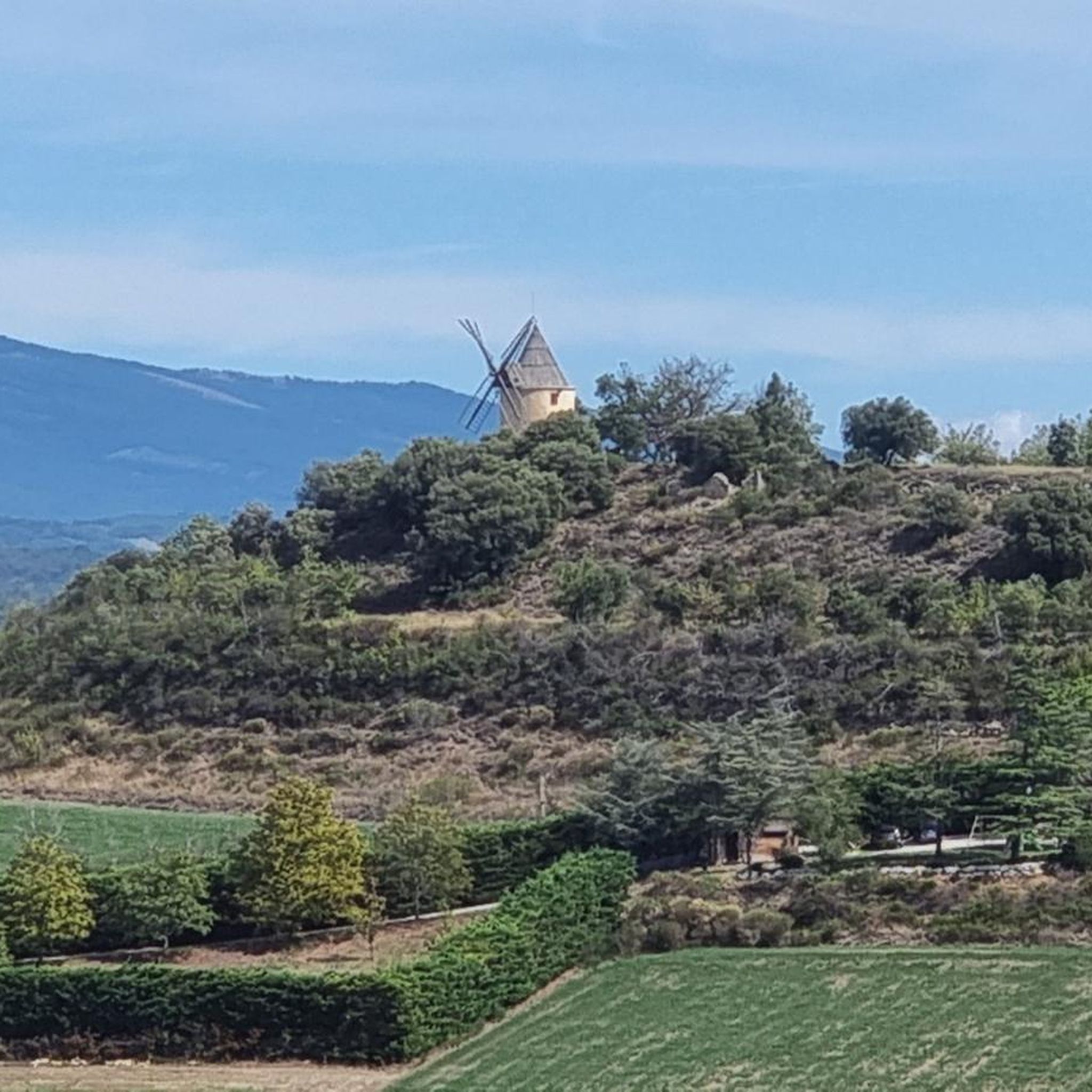
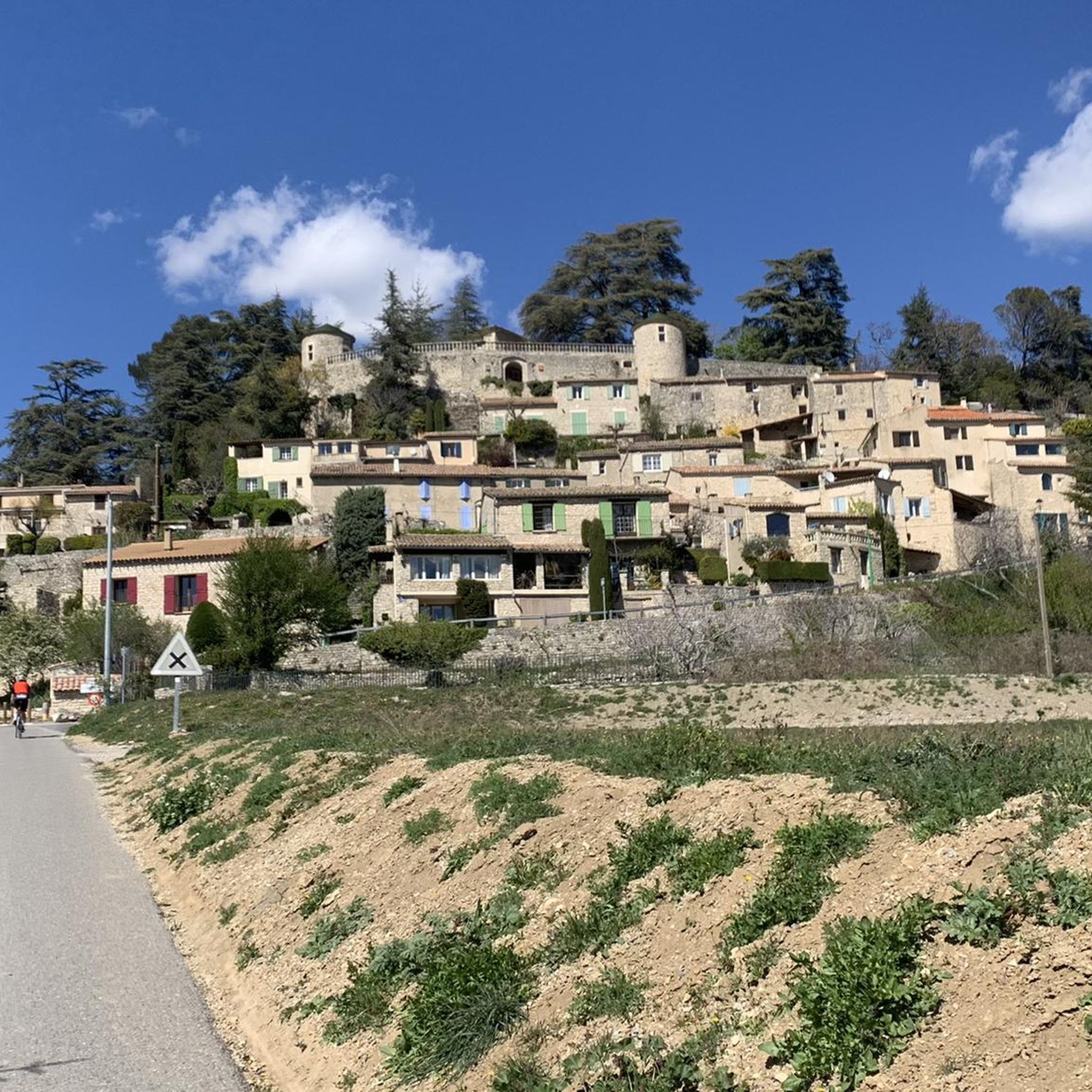
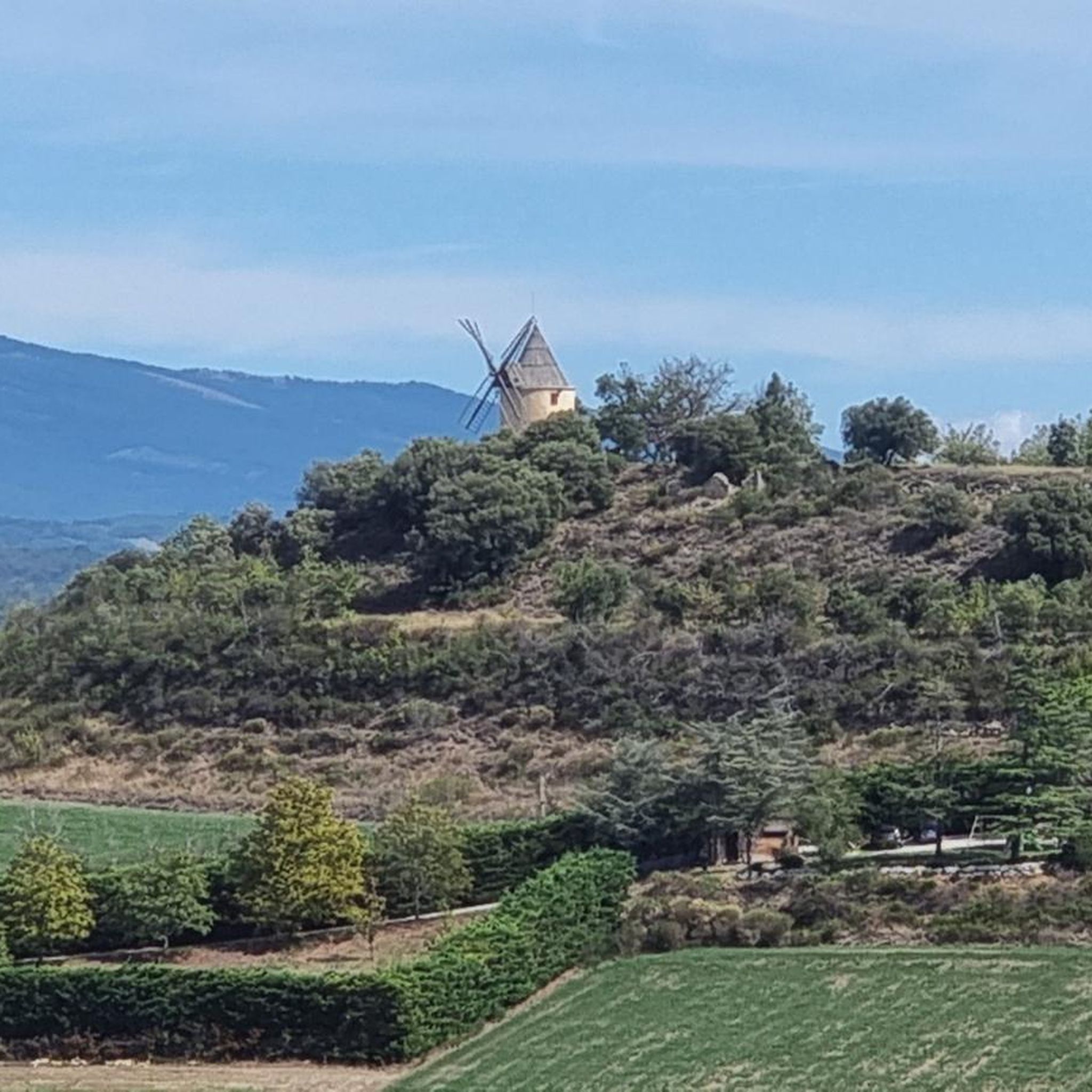
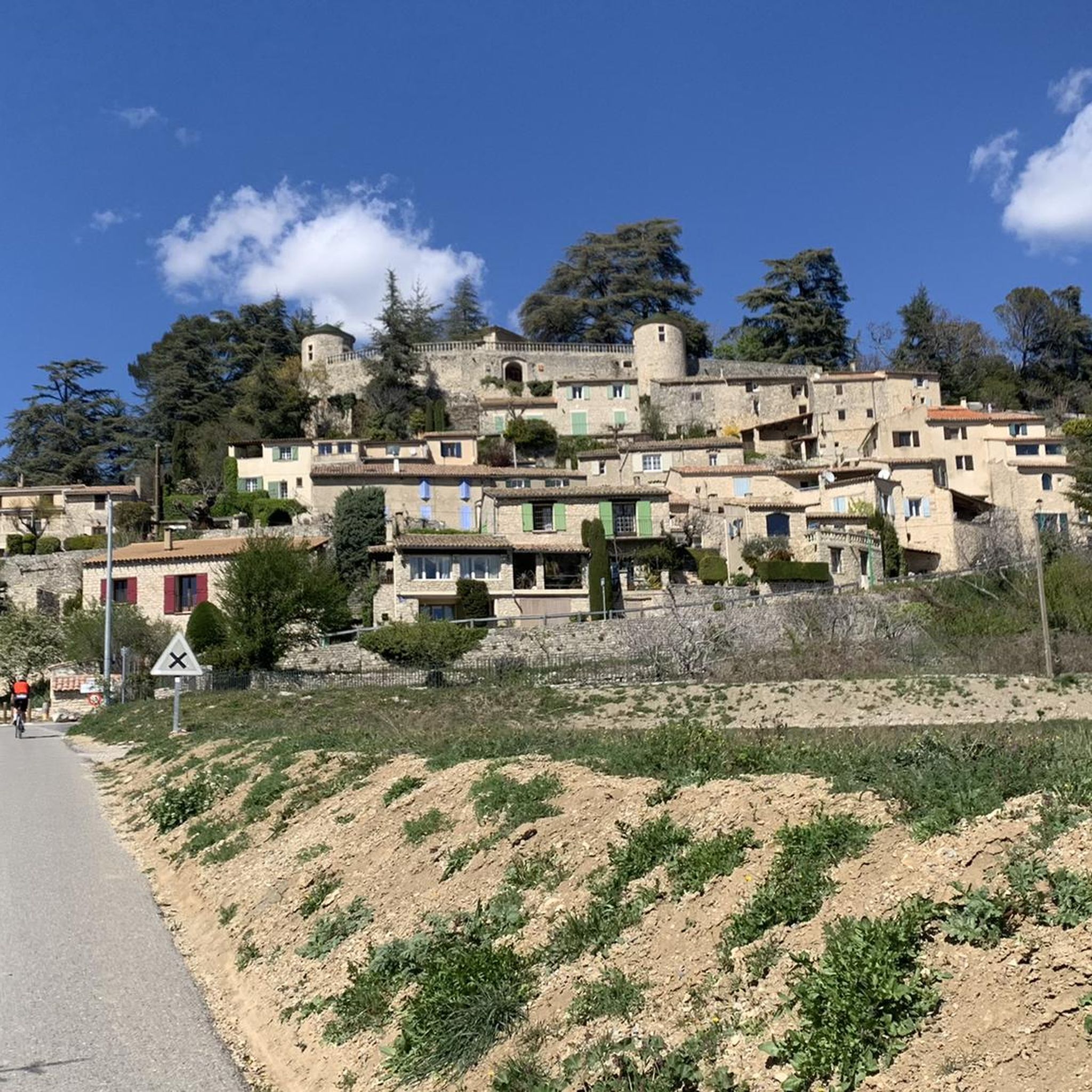

Tips from the Community

To get there you have to climb quite a bit (if you're on a bike) but it looks beautiful.
0
0

At 591m above sea level, the Col de la Mort d'Imbert, despite its name, isn't particularly daunting. Indeed, from Manosque or Dauphin, the climb is easy, with a gentle slope (although from Dauphin it's less regular). From the pass, you can continue the climb on the aptly named Bellevue paths.
0
0

Le Café du Cours is a café-concert in the heart of the village of Reillanne. Check out their Instagram account to discover the program!
0
0

Small town on the plateau, surrounded by lots of lavender. Restaurants and souvenir shops in the town.
1
0

Beautiful descent from Valensole and every now and then lavender fields.
2
0
Small museum about lavender in Valensole.
3
0

Beautiful old town center with a great view...I have no idea why komoot keeps changing the highlight Dauphin to Delphin...
0
0
Frequently Asked Questions
What kind of terrain can I expect on touring cycling routes around Saint-Martin-les-Eaux?
The region offers a diverse landscape, influenced by both the Alps and the Mediterranean. You can expect to cycle through garrigue, vineyards, olive groves, and fields of lavender. The Luberon Regional Natural Park, where Saint-Martin-les-Eaux is located, features varied terrain including the Calavon valley and the Vaucluse mountains, providing a mix of ascents and flatter sections.
Are there touring cycling routes suitable for beginners or those looking for an easier ride?
Yes, while many routes are rated moderate to difficult, there are options for easier rides. Out of nearly 300 touring cycling routes in the area, 18 are classified as easy, and 95 are moderate, offering less challenging terrain for those new to touring cycling or seeking a more relaxed experience.
What are some notable natural features or landmarks I might see while cycling near Saint-Martin-les-Eaux?
The routes often pass through picturesque Provençal scenery, including vineyards, olive groves, and lavender fields. A significant feature for touring cyclists is the 'Green Way of Calavon,' a 37-kilometer cycling path. You might also encounter the preserved natural environment of the Luberon, home to diverse fauna. For specific points of interest, consider exploring nearby settlements like Forcalquier or Saint Michel l'Observatoire.
Are there any circular touring cycling routes available?
Yes, many touring cycling routes in the area are designed as loops. For example, you could try the moderate Mort d'Imbert Pass – Col de la Mort d'Imbert loop from Manosque, which is about 12.1 miles (19.5 km) long, or the more challenging Notre Dame de Forcalquier – Saint-Sauveur Church loop from Dauphin, spanning 30.0 miles (48.3 km).
What is the best time of year to go touring cycling in Saint-Martin-les-Eaux?
The region's climate, influenced by both the Alps and the Mediterranean, generally makes spring and autumn ideal for touring cycling. During these seasons, temperatures are pleasant, and the natural landscapes, such as lavender fields, are often at their most vibrant. Summer can be quite warm, while winter might bring cooler temperatures, especially in higher elevations.
Can I find routes with significant elevation gain for a more challenging ride?
Absolutely. The terrain around Saint-Martin-les-Eaux, particularly within the Luberon Regional Natural Park, includes hills and valleys that offer substantial elevation changes. Routes like The Grand Fountain – Chemin de la Ferre loop from Maison de la Biodiversité feature over 730 meters of elevation gain, providing a demanding experience for experienced touring cyclists.
What do other touring cyclists say about the routes in Saint-Martin-les-Eaux?
The touring cycling routes around Saint-Martin-les-Eaux are highly regarded by the komoot community, with an average rating of 4.4 stars from over 450 reviews. Cyclists often praise the varied Provençal scenery, the well-preserved natural environment, and the network of routes that cater to different ability levels.
Are there any historical or cultural attractions near the cycling routes?
Yes, the area is rich in history and culture. Saint-Martin-les-Eaux itself has an ancient thermal establishment, a 12th-century Romanesque church, and a medieval castle. Nearby, you can visit the Jean Giono Centre in Manosque or explore the Historic Center of Manosque. Many picturesque perched villages of the Luberon are also within cycling distance.
Are there any specific routes that pass through vineyards or olive groves?
Many routes in the region are characterized by their passage through vineyards and olive groves, which are quintessential to the Provençal landscape. The general description of touring cycling around Saint-Martin-les-Eaux highlights these features, ensuring you'll encounter them on various rides, such as the Glacier & Pâtissier Franck.B – Forcalquier loop from Saint-Maime.
How many touring cycling routes are available in total around Saint-Martin-les-Eaux?
There are nearly 300 touring cycling routes available around Saint-Martin-les-Eaux, offering a wide variety of options for different skill levels and preferences. This includes 18 easy, 95 moderate, and 178 difficult routes.
Is it possible to find parking near the starting points of touring cycling routes?
While specific parking information for each route varies, Saint-Martin-les-Eaux and surrounding towns like Manosque and Dauphin, which serve as common starting points, typically offer parking facilities. It's advisable to check local parking options in the specific village or town where you plan to begin your ride.
Are there any routes that are particularly long for extended touring rides?
Yes, the area offers several longer routes for extended touring. For instance, The Grand Fountain – Chemin de la Ferre loop from Maison de la Biodiversité covers 35.1 miles (56.5 km), and Notre Dame de Forcalquier – Saint-Sauveur Church loop from Dauphin is 30.0 miles (48.3 km), providing substantial distances for longer cycling adventures.
Most popular routes around Saint-Martin-Les-Eaux
Most popular attractions around Saint-Martin-Les-Eaux

Get inspired with the komoot mobile app


Explore more
Browse the best Cycling routes in other regions.
