The best walks and hikes around Masquières
4.4
(308)
1,027
hikers
122
hikes
Hiking around Masquières offers a network of trails through varied landscapes. The region is characterized by rolling hills, agricultural fields, and patches of woodland, providing a mix of open views and shaded paths. Elevations are generally gentle, with some routes featuring moderate ascents. The area's rural setting ensures a tranquil hiking experience.
Best hiking trails around Masquières
- The most popular hiking route is From kikkerpoel – Chez Justine loop from Clos Barat, a 6.5 miles (10.4 km) trail that…
Last updated: October 11, 2026
4.4
(15)
68
hikers
8.81km
02:29
190m
180m
Hike the moderate 5.5-mile Tournon d'Agenais loop, exploring a historic bastide village and enjoying panoramic views of Lot-et-Garonne.
5.0
(3)
15
hikers
10.2km
02:44
110m
110m
Moderate hike. Good fitness required. Easily-accessible paths. Suitable for all skill levels.

4.8
(4)
16
hikers
5.57km
01:27
40m
40m
Easy hike. Great for any fitness level. Easily-accessible paths. Suitable for all skill levels.
3.0
(1)
6
hikers
Moderate hike. Good fitness required. Easily-accessible paths. Suitable for all skill levels.
4.5
(2)
10
hikers
11.2km
03:15
290m
290m
Moderate hike. Good fitness required. Easily-accessible paths. Suitable for all skill levels.
Get access to more routes and recommendations from other explorers.
Already have an account?
Our route recommendations are based on thousands of hikes, rides, and runs completed by other people on komoot.
Start today with a free account
Your next adventure awaits.

Tips from the Community

Saint-Barthélemy Church (In the heart of the village) This is the main parish church, inseparable from the silhouette of the hilltop village. A unique water tower bell tower: Its main peculiarity lies in its bell tower. The original bell tower was threatening to collapse after the Second World War, so it was demolished in 1945. In 1957, the municipality built an octagonal tower of concrete and bricks combining the bell tower and a water tower at its summit, an extremely rare feature in France. The original building (located near the ramparts) was destroyed in 1561 by Protestants during the Wars of Religion. The current church was rebuilt later, from 1884 onwards, on the grounds of the former Recollets convent.
0
0
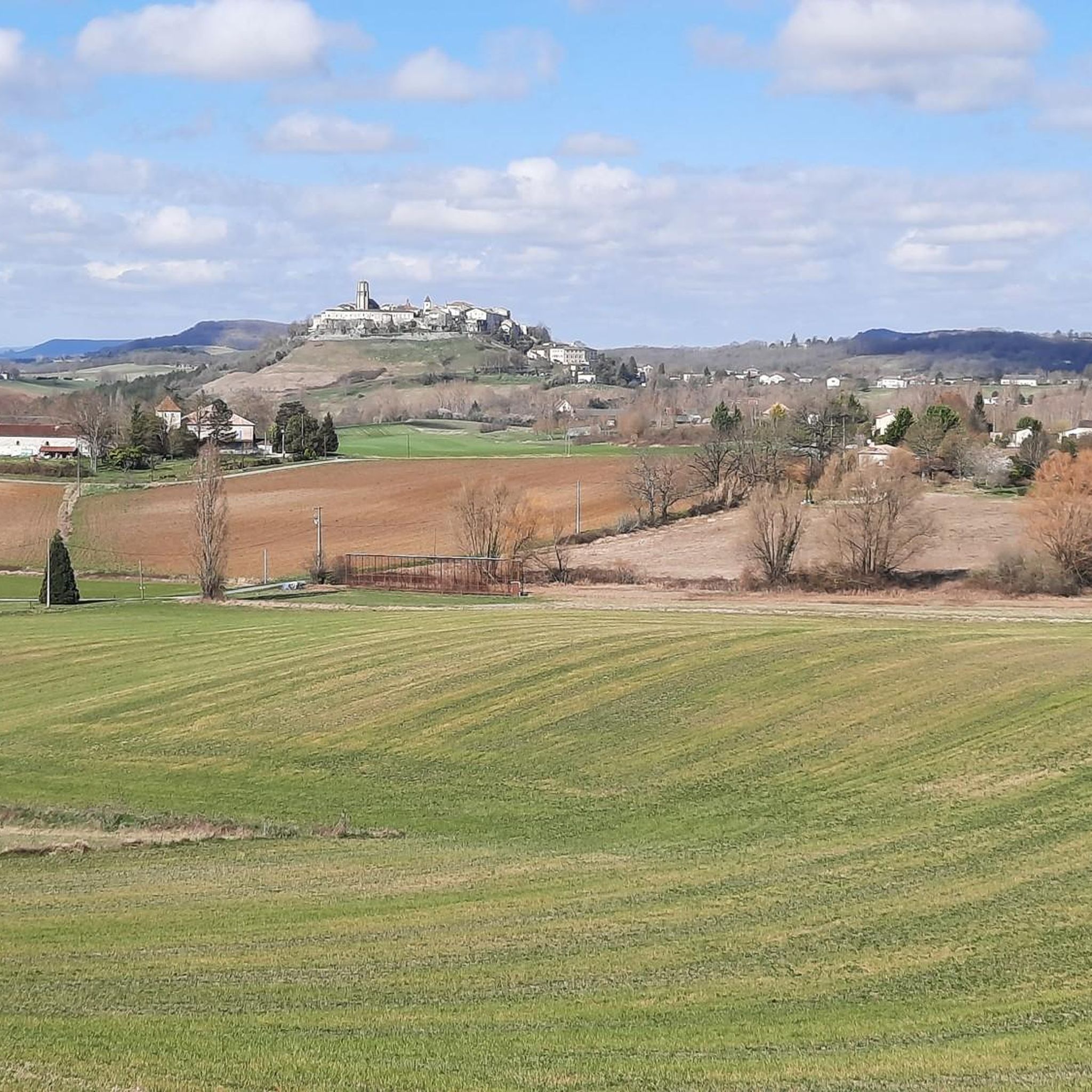
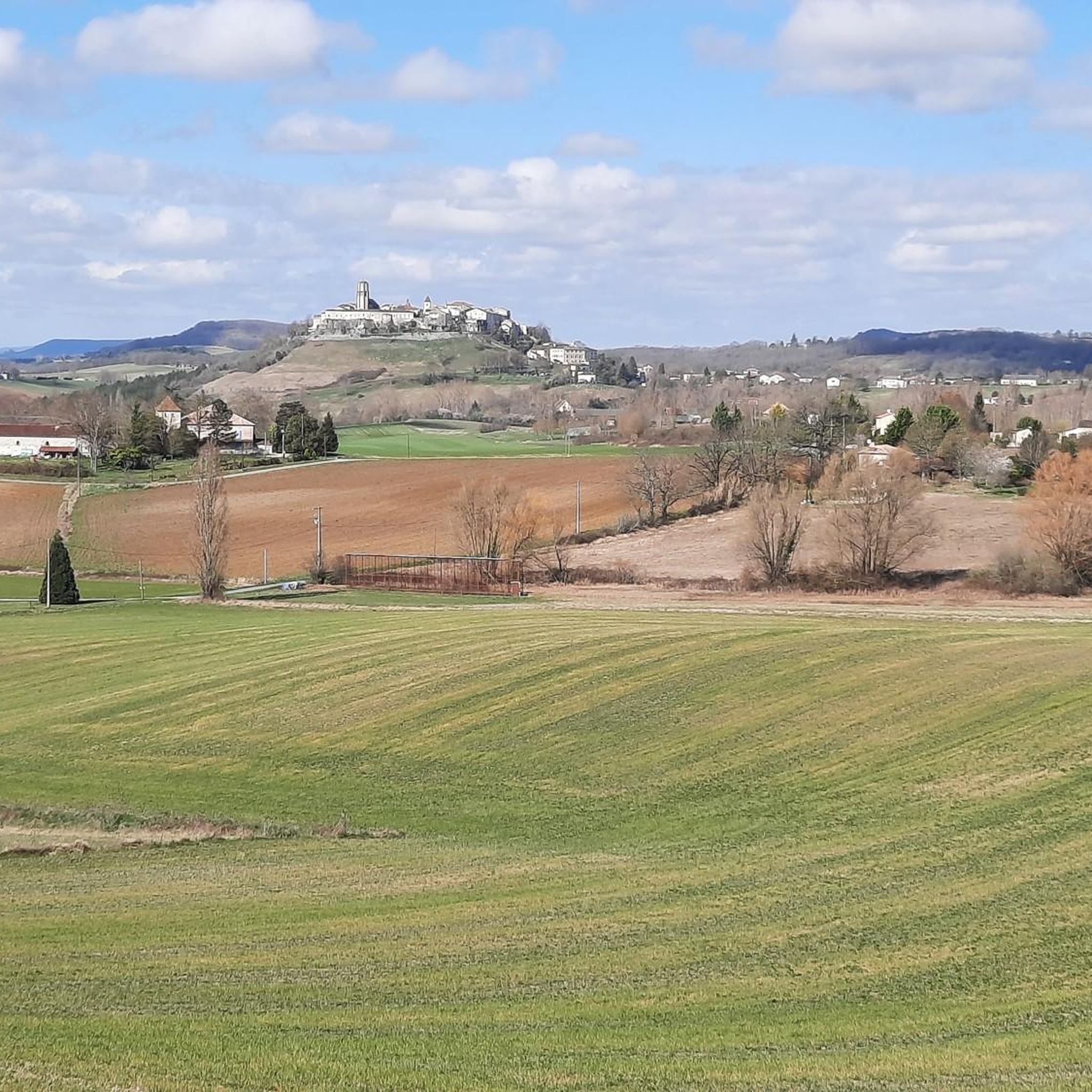
Tournon-d'Agenais is a magnificent 13th-century royal hilltop bastide, listed among the Most Beautiful Villages of France. The site first served as a Celtic oppidum and then as a Gallo-Roman trading post. A first inhabited center developed in the 12th century. The foundation (1271): The royal bastide was officially founded by Philip III the Bold (son of Saint Louis), continuing the work of Alphonse de Poitiers. Located on the border of French and English spheres of influence, it suffered heavy assaults during the Hundred Years' War and the Wars of Religion.
0
0
Tournon-d'Agenais is a magnificent 13th-century royal hilltop bastide, listed among the Most Beautiful Villages of France. The site first served as a Celtic oppidum and then as a Gallo-Roman trading post. A first inhabited center developed in the 12th century. The foundation (1271): The royal bastide was officially founded by Philippe III the Bold (son of Saint Louis), continuing the work of Alphonse de Poitiers. Located on the border of French and English spheres of influence, it suffered heavy assaults during the Hundred Years' War and the Wars of Religion.
0
0
Tournon-d'Agenais is a magnificent 13th-century royal bastide perched on a hill, listed among the Most Beautiful Villages of France. The site first served as a Celtic oppidum and then as a Gallo-Roman trading post. A first inhabited center developed in the 12th century. The foundation (1271): The royal bastide was officially founded by Philip III the Bold (son of Saint Louis), continuing the work of Alphonse de Poitiers. Located on the border between French and English spheres of influence, it suffered heavy assaults during the Hundred Years' War and the Wars of Religion.
0
0
Tournon-d'Agenais is a magnificent royal bastide from the 13th century, listed among the Most Beautiful Villages of France. The site first served as a Celtic oppidum and then as a Gallo-Roman trading post. A first inhabited center developed in the 12th century. The foundation (1271): The royal bastide was officially founded by Philip III the Bold (son of Saint Louis), continuing the work of Alphonse de Poitiers. Located on the border of French and English spheres of influence, it suffered heavy assaults during the Hundred Years' War and the Wars of Religion.
0
0

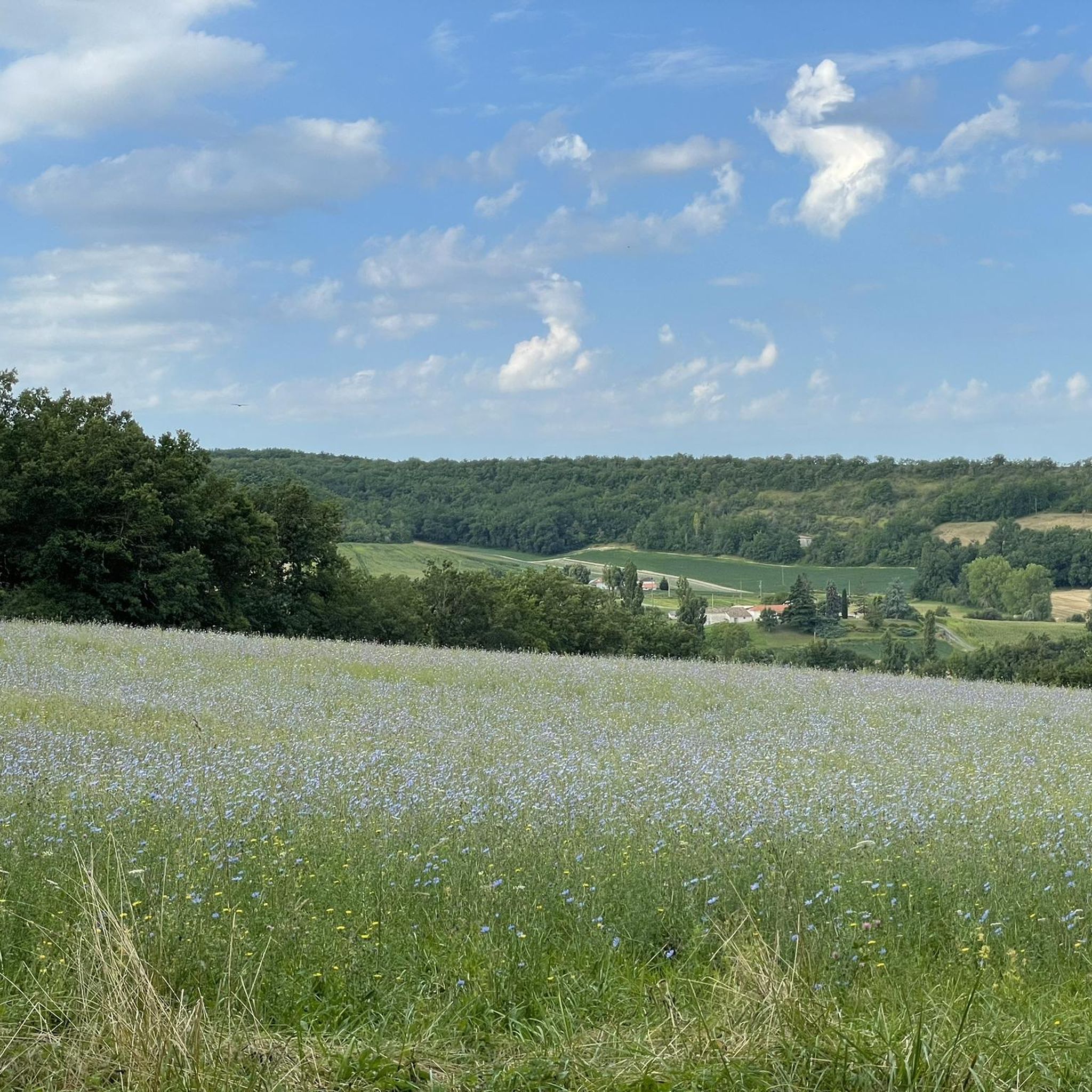
Just when you need a break, there are these two garden chairs
0
0

Tournon-d'Agenais is one of the "Most Beautiful Villages of France." This former royal fortified town is home to charming little streets and offers breathtaking views of the Lot Valley.
0
0

Beautiful church, worth a visit. The tower is a water tower, which is something special.
0
0
Frequently Asked Questions
How many hiking trails are available in Masquières?
Masquières offers a wide selection of hiking opportunities, with over 110 routes to explore. This includes a mix of easy, moderate, and a few more challenging trails, ensuring options for various fitness levels.
Are there easy hiking trails suitable for beginners in Masquières?
Yes, Masquières is very welcoming for beginners, with approximately 50 easy routes. An excellent option is the Chez Justine loop from Mauroux, an easy 3.4-mile (5.5 km) path that provides a gentle walk through rural settings.
Are there circular hiking routes in Masquières?
Many of the hiking trails in Masquières are circular, allowing you to start and end at the same point. For example, the From kikkerpoel – Chez Justine loop from Clos Barat is a popular moderate circular route covering 6.5 miles (10.4 km).
What kind of scenery can I expect on hikes around Masquières?
The region around Masquières is characterized by rolling hills, agricultural fields, and patches of woodland. You'll experience a tranquil rural setting with a mix of open views and shaded paths. Some routes, like the View of Tournon-d'Agenais – View of Tournon-d’Agenais loop from Courbiac, offer distant views of the surrounding landscape.
Are the hiking trails in Masquières suitable for families with children?
Yes, Masquières has many trails suitable for families. The gentle elevations and numerous easy routes make it ideal for walks with children. Look for shorter, well-maintained paths that offer varied scenery to keep younger hikers engaged.
Can I bring my dog on the hiking trails in Masquières?
Generally, dogs are welcome on the hiking trails in Masquières, especially in the rural and wooded areas. It's always advisable to keep your dog on a leash, particularly when passing through agricultural fields or near livestock, and to carry waste bags.
What interesting places can I explore near the hiking trails in Masquières?
Beyond the trails, you can discover several interesting attractions. Consider visiting Fumel Castle or exploring the Greenway Along the Lot River, which features several scenic bridges like the Bridge on the greenway of the Lot Valley.
What is the best time of year to hike in Masquières?
Spring (April-May) and autumn (September-October) are generally the best times for hiking in Masquières. The weather is mild, and the landscapes are vibrant with spring blooms or autumn colors. Summer can be warm, so early morning or late afternoon hikes are recommended then.
Are there longer or more challenging hikes available in Masquières?
While the region is known for its gentle terrain, there are over 60 moderate routes and a couple of difficult options for those seeking more of a challenge. The Church of Cabanac – Cabanac Church loop from Clos Barat is a moderate 8.3-mile (13.3 km) trail that offers a longer excursion.
What do other hikers say about the trails in Masquières?
The hiking trails in Masquières are highly rated by the komoot community, with an average score of 4.4 stars from over 240 reviews. Hikers often praise the tranquil rural setting, the well-maintained paths, and the varied scenery of rolling hills and woodlands.
Is winter hiking possible in Masquières?
Winter hiking is generally possible in Masquières, as the climate is relatively mild. While snow is infrequent, trails can be muddy after rain. Always check local weather conditions and wear appropriate waterproof footwear. The quiet winter landscape offers a unique, peaceful experience.
Are there cafes or places to eat along the hiking routes in Masquières?
Masquières is a rural area, so amenities directly on the trails are limited. It's best to plan your hikes to start or end near the village of Masquières or nearby towns where you can find cafes, bakeries, or small restaurants. Always carry sufficient water and snacks.
Most popular attractions around Masquières

Get inspired with the komoot mobile app


Explore more
Browse the best Hikes in other regions.
