Attractions and Places To See around Vallery - Top 10
Best attractions and places to see around Vallery include historic sites and cultural landmarks in the Yonne department of Burgundy, France. The region is centered around the historic Château de Vallery, an Early Renaissance French château. The surrounding area offers a variety of points of interest, from fortified churches to 17th-century castles. Visitors can explore both the main historical features within Vallery and other notable sites in the vicinity.
Best attractions and places to see around Vallery
- The most popular attractions is Route vers Montmachoux, a scenic route that winds through undergrowth before opening to fields with views of Montmachoux. This route offers a simple and pleasant experience.
- Another must-see spot is Château de Chevry, a 17th-century castle featuring brick masonry and cut sandstone, surrounded by a park with intersecting alleys. Although private property, it can be admired from the road.
- Visitors also love St Anne's Church, Lorrez, a 13th-century church known for its massive, fortified appearance, which once formed part of local defenses. It dominates the village and is visible from a distance.
- Vallery is known for its historic sites, castles, and cultural landmarks. The region provides a diverse range of attractions to see and explore, from ancient churches to aqueducts.
- The attractions around Vallery are appreciated by the komoot community, with more than 14 upvotes and 3 photos shared.
Last updated: October 11, 2026
Château de Chevry
Highlight • Castle
Private property, but you can admire it from the road behind the gates.
Translated by Google •
Tip by

Route vers Montmachoux
Highlight (Segment) • Other
Translated by Google •
Tip by
Sign up now to discover places like this
Get recommendations on the best single tracks, peaks, & plenty of other exciting outdoor places.
St Anne's Church, Lorrez
Highlight • Other
Translated by Google •
Tip by
Aqueduc de la Vanne
Highlight • Monument
Translated by Google •
Tip by

Saint-Martin Church of Champigny
Highlight • Religious Site
Translated by Google •
Tip by

Sign up for free to discover even more attractions around Vallery.
Already have an account?
Start today with a free account
Your next adventure awaits.



Tips from the Community


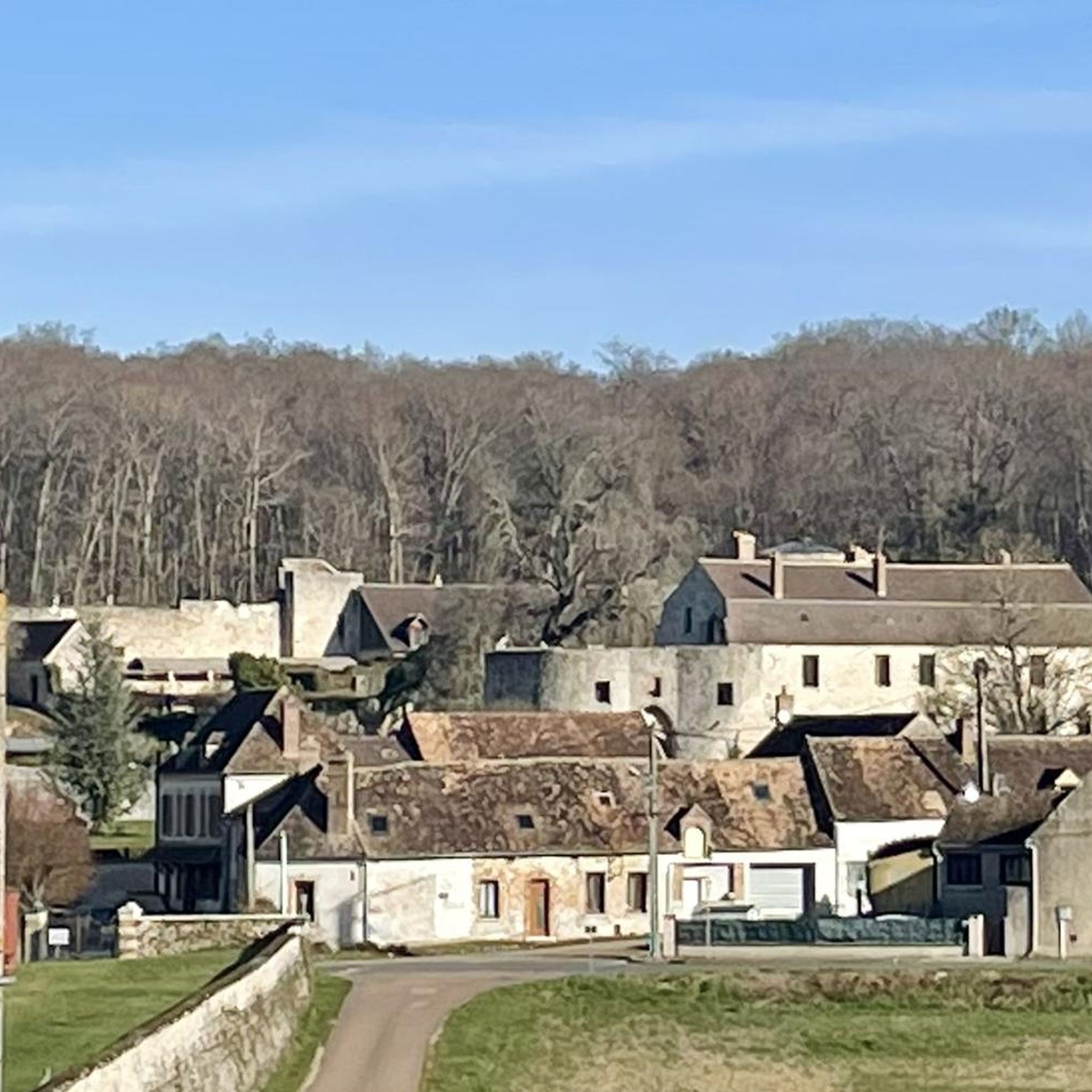
The village appears for the first time, under the name of Campiniacus, in a manuscript of the 9th century on the list of parishes of the great archdeaconry of Sens, therefore dependent on the archbishopric. The land belonged to the important family of Barres, then passed at the end of the 15th century to the family of Bernard who built the neighboring castle. The parish church, placed under the patronage of Saint Martin, is a fairly imposing building, built on a slope in the middle of the square. It comprises a nave flanked by side aisles and preceded by a small late lean-to porch, a transept crossing completed by an arm to the north and leaning to the south on the large bell tower, and finally a pentagonal chevet.
0
0

The Vanne Aqueduct in Pont-Sur-Yonne was built in the 19th century by the engineer Eugène Belgrand to transport pure water from the Vanne to the capital. It extends over 156 km and crosses several valleys and rivers, including the Yonne and the Loing. You will be able to admire its elegant arches and discover its technical prowess throughout the route. The aqueduct is part of a network of trails that connect different villages and towns in the region.
2
0

Currently undergoing renovations, the original 12th century church was completely overhauled at the end of the 15th century.
0
0

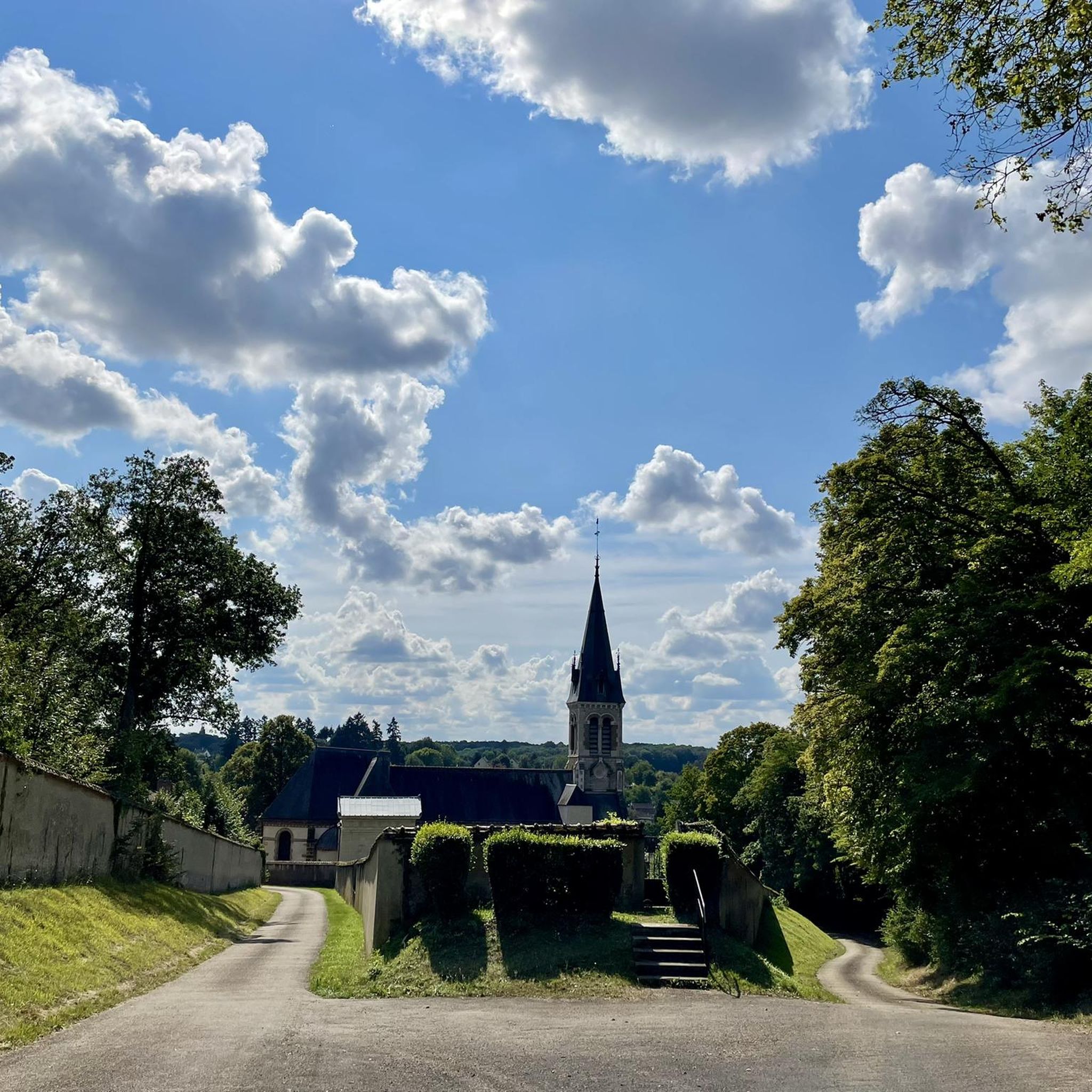
Dating from the 13th century, it dominates the village and was an integral part of the fortifications, hence its massive and fortified appearance. You can see it for miles around.
1
0
17th century castle built in the style of the most beautiful constructions of the time, that is to say with brick masonry, chains of cut sandstone, surrounded by large dry ditches, and connected by two stone bridges to the surrounding park . This park is pierced by wide straight alleys, which intersect elegantly according to a design attributed to Le Nôtre. Private property, but you can admire it from the road behind the gates.
0
0
A small road making its way through the undergrowth before opening onto the fields with the view of the village of Montmachoux. A simple little happiness ...
0
0
Frequently Asked Questions
What is the main historical attraction in Vallery?
The primary historical attraction is the magnificent Château de Vallery, an Early Renaissance French château built between 1548 and 1560. It was a favored residence of the Princes of Condé and has hosted historical figures and four French kings. The château features Renaissance architecture, medieval ramparts, and historic gardens.
How can I visit the Château de Vallery?
The Château de Vallery is often used for celebrations and weddings, but it can be visited by appointment. Guided tours are also available during specific periods or by reservation. For more details on visiting, you may check resources like bourgogne-tourisme.com or guide-tourisme-france.com.
Are there other notable historical churches in the Vallery area?
Yes, you can visit St Anne's Church, Lorrez, a 13th-century church known for its massive, fortified appearance, which once formed part of local defenses. Another historical church is the Saint-Martin Church of Champigny, originally from the 12th century and overhauled in the late 15th century.
Can I see other castles near Vallery?
While the Château de Vallery is the centerpiece, you can admire Château de Chevry from the road. This 17th-century castle features brick masonry and cut sandstone, surrounded by a park with elegantly intersecting alleys, attributed to André Le Nôtre. It is private property but offers a beautiful view.
Are there family-friendly attractions in the Vallery area?
The Aqueduc de la Vanne in Pont-sur-Yonne is considered family-friendly. This 19th-century aqueduct, built to transport water to Paris, showcases elegant arches and technical prowess. It's part of a network of trails connecting various villages, offering a pleasant outing for families.
What unique architectural features can be found at the Château de Vallery?
Within the grounds of the Château de Vallery, you can find one of France's largest dovecotes, featuring 2,844 pigeonholes. This historic structure has been uniquely converted into a bridal suite. The château's Renaissance gardens are also listed as historic monuments.
Are there opportunities for walking or hiking around Vallery?
Yes, the region offers various walking and running trails. For example, you can explore routes like the 'Vallery Castle and Church loop from Vallery' which is about 7.2 km. You can find more options and details on Running Trails around Vallery.
What cycling routes are available near Vallery?
Cyclists can enjoy several routes in the vicinity. Road cycling options include the 'Vallery Castle and Church – Halle d'Egreville loop from Blennes' (approx. 79 km). For mountain biking, there's the 'Étang des Tréteaux loop from Saint-Valérien' (approx. 30 km). Discover more routes on Road Cycling Routes around Vallery and MTB Trails around Vallery.
Is there a scenic drive or route I can take near Vallery?
Yes, the Route vers Montmachoux offers a pleasant scenic drive. This small road winds through undergrowth before opening onto fields with views of the village of Montmachoux, providing a simple and enjoyable experience.
What is the best time to visit Vallery attractions?
The region is generally pleasant to visit during spring and autumn when the weather is mild, and the natural scenery is vibrant. Summer also offers good conditions for exploring, though it can be busier. Visiting during these seasons allows for comfortable exploration of both indoor and outdoor attractions.
Are there any significant towns or sites nearby for a day trip from Vallery?
Yes, several appealing sites are located in the vicinity. Sens, approximately 18 km away, is known for its Cathedral of Saint-Étienne. Moret-sur-Loing, about 23 km away, is a pleasant town with a historic center. Further afield, you can visit Fontainebleau (32 km) with its extraordinary palace, or Provins (40 km), a UNESCO World Heritage site known for its medieval heritage.

Get inspired with the komoot mobile app


Explore more
Still not found the Highlight you’re looking for? See guides of the top attractions in other regions:
