Attractions and Places To See around Larcat - Top 20
Best attractions and places to see around Larcat are found in this tranquil village nestled in the Ariège department of the Occitanie region in France. Situated at approximately 900 meters altitude, Larcat offers a serene environment within the Pyrenees. The area is characterized by its mountainous climate and provides access to numerous natural and historical sites.
Best attractions and places to see around Larcat
- The most popular attractions is Mount Fourcat, a summit that offers a superb view. It…
Last updated: October 5, 2026
Plateau de Beille
Highlight • Mountain Pass
Translated by Google •
Tip by

Notre-Dame de Sabart Chapel
Highlight • Monument
Translated by Google •
Tip by

Sign up now to discover places like this
Get recommendations on the best single tracks, peaks, & plenty of other exciting outdoor places.
Mount Fourcat
Highlight • Summit
Translated by Google •
Tip by

Tarascon-sur-Ariège
Highlight • Settlement
Translated by Google •
Tip by
Miglos Castle
Highlight • Castle
Translated by Google •
Tip by

Sign up for free to discover even more attractions around Larcat.
Already have an account?
Start today with a free account
Your next adventure awaits.
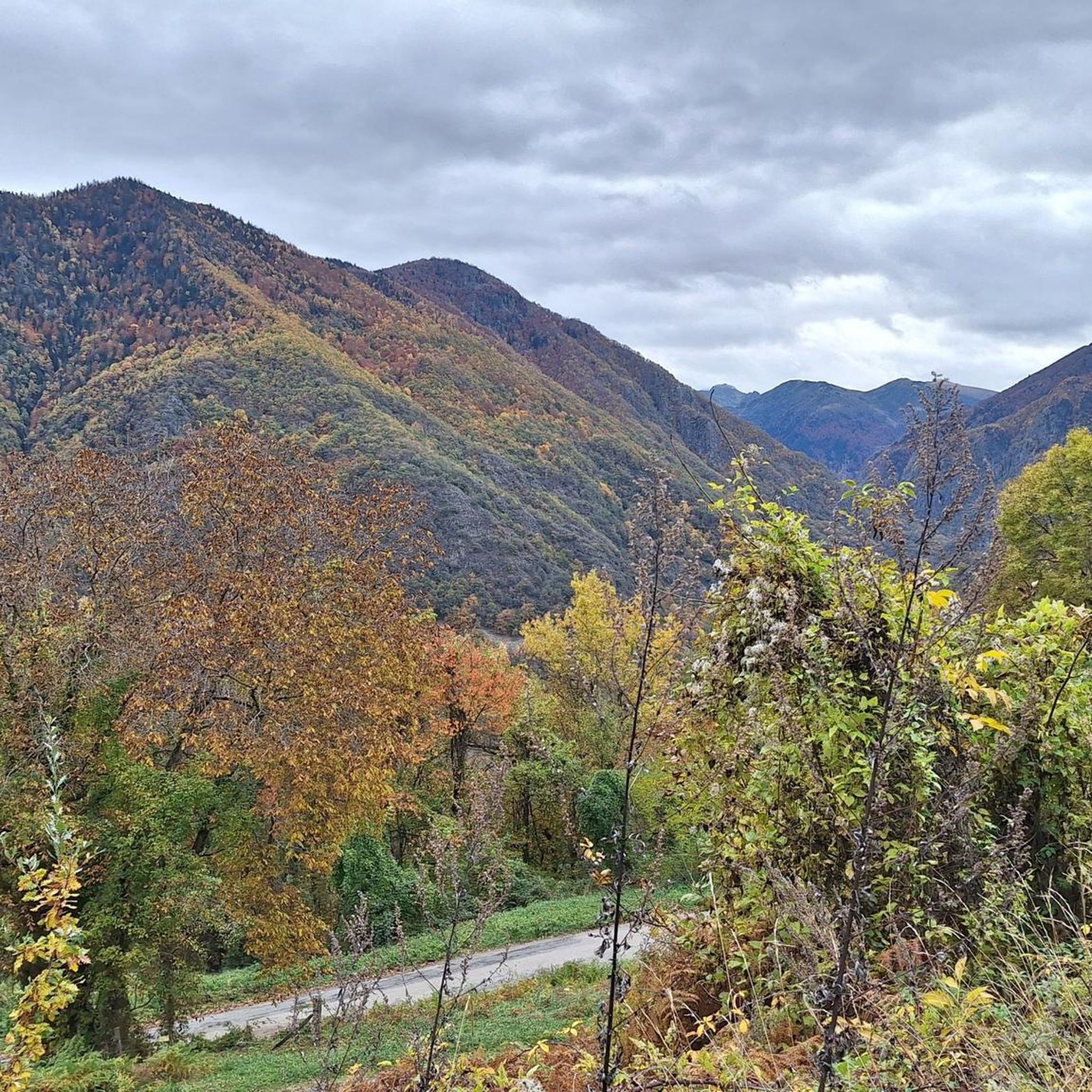
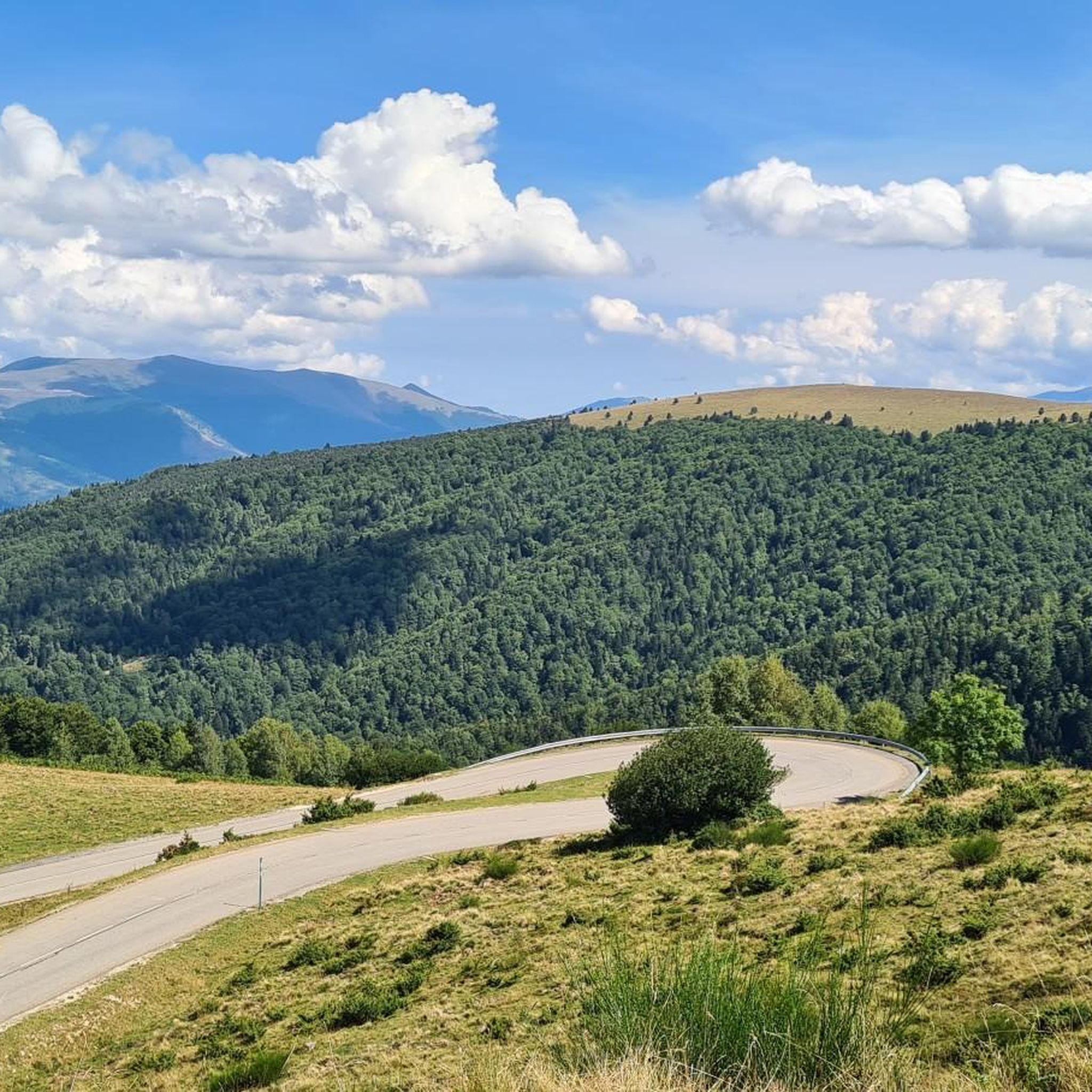
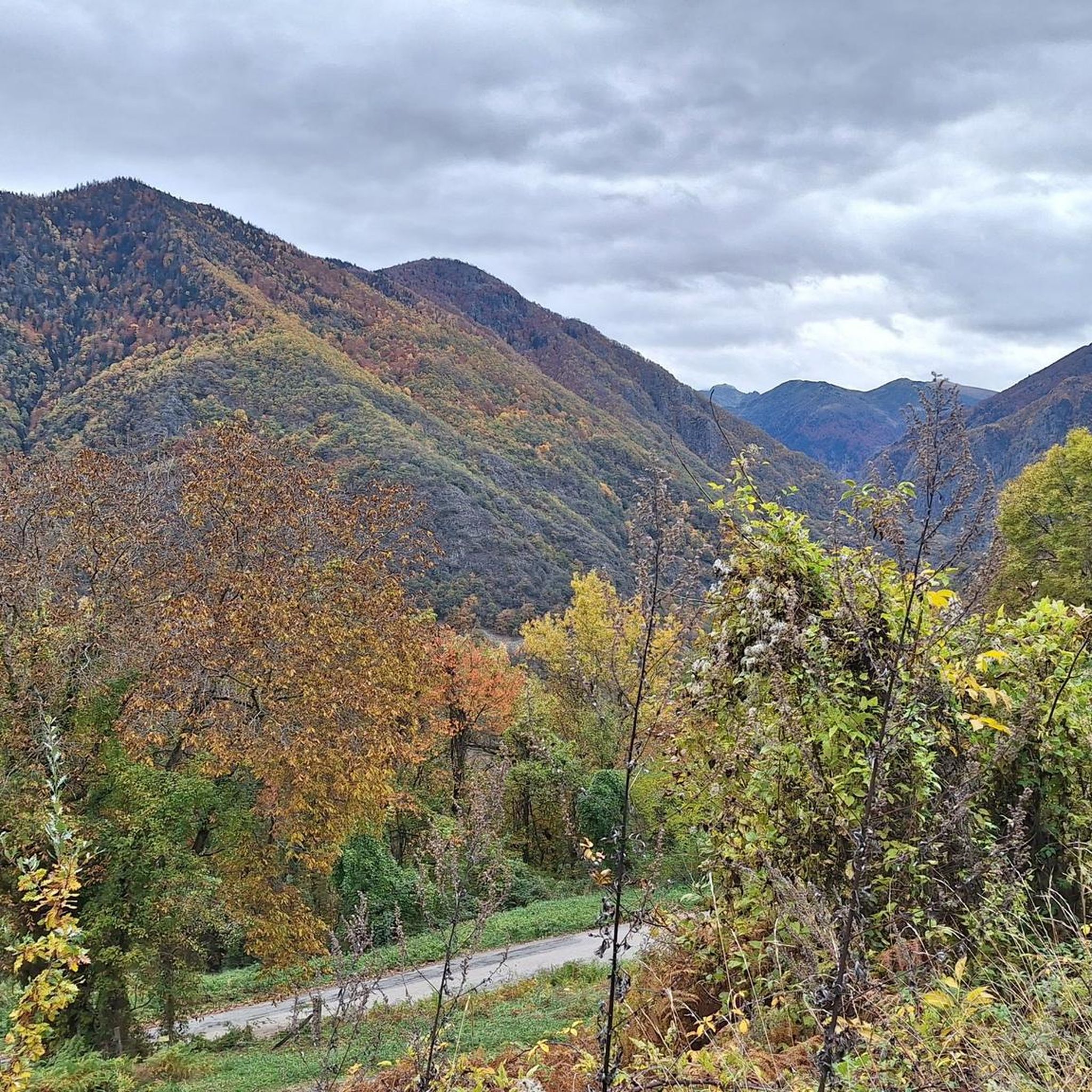
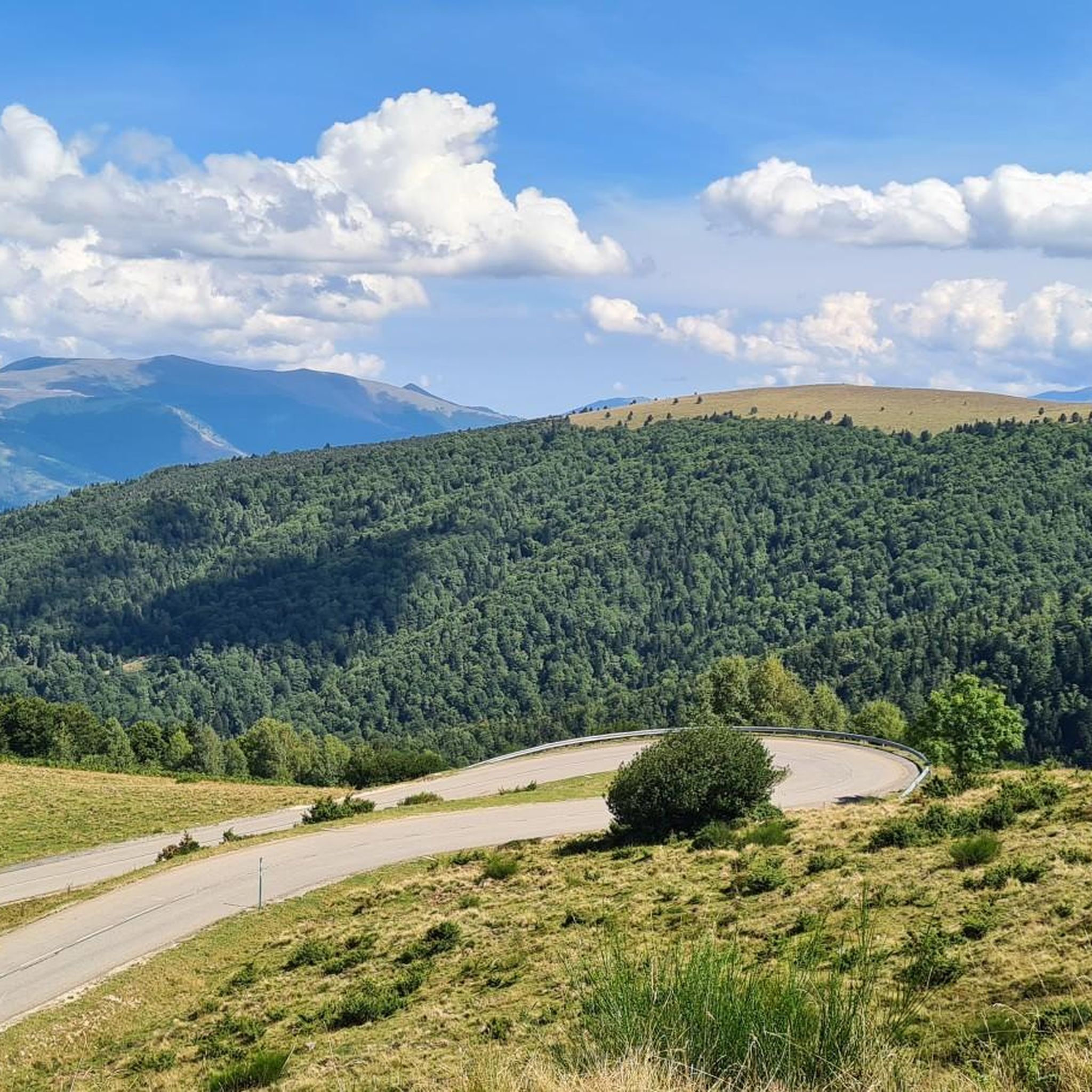


Tips from the Community

Superb high-altitude alpine meadows! It's worth the effort
0
0

Good route through the woods and beautiful view at the castle of Miglos
0
0

Le plateau de Beille is very beautiful in the summer. While in winter it's a ski resort that didn't seem exceptional to me, in summer the cross-country ski trails become gravel paths, and in fact, this plateau is top to explore!
0
0

Very good place to practice skating skiing in winter!
1
0
A magnificent location offering stunning views of the Ariège Pyrenees: the Montcalm Massif, the Bassiès Massif, the Beille Plateau, and more. Easily accessible from Croquié in both summer and winter, provided you're well-equipped and at least a little fit (800m+). Its only drawback: it's very crowded, especially in winter.
1
1

Possibility of bivouac and magnificent natural spectacle by numerous griffon vultures
2
2


Beautiful city that deserves a stopover.
0
0
Frequently Asked Questions
What kind of outdoor activities can I do around Larcat?
Larcat is an excellent starting point for numerous outdoor activities. You can enjoy extensive hiking and walking opportunities through heavily wooded areas and fields, with many marked trails. The region also offers challenging climbs like the Plateau de Beille Climb, which is popular for both cyclists and hikers. Additionally, there are several ski resorts nearby, including Plateau de Beille and Ax 3 Domaines, for winter sports enthusiasts. For more specific routes, you can explore MTB Trails, Road Cycling Routes, and Gravel Biking guides.
Where can I find the best panoramic views near Larcat?
For breathtaking panoramic views, consider hiking to Mount Fourcat, a classic destination in the Tabe massif known for its superb vistas. The Chapel Saint-Barthélémy, accessible via a marked hiking trail, also offers exceptional 180-degree views stretching from Tarascon to Ax-les-Thermes. Another impressive viewpoint is the View of Lordat castle, which provides a remarkable panorama of the Ariège valley.
What historical and cultural sites are there to visit near Larcat?
The area around Larcat is rich in history. You can visit the Notre-Dame de Sabart Chapel, an emblematic monument with origins in a Romanesque church from 1104. The Grotte de Lombrives, about 6 km away, is one of Europe's largest caves and a significant geological and historical site. Further afield, explore the impressive medieval Château de Foix (about 21 km) or the historic Cathar Castle of Montségur (about 18 km).
Are there any family-friendly activities or walks around Larcat?
Yes, Larcat and its surroundings offer several options for families. The village itself has a dedicated picnic area with beautiful views of the Aston Valley. Many of the numerous marked hiking trails are suitable for walks with varying difficulty levels, allowing families to explore the heavily wooded areas and fields. The natural environment also provides opportunities for fauna and flora exploration, which can be engaging for children.
When is the best time of year to visit Larcat for outdoor activities?
The best time to visit Larcat for outdoor activities largely depends on your interests. Spring and autumn offer pleasant temperatures for hiking and cycling, with vibrant natural scenery. Summer is ideal for exploring the numerous lakes and ponds, such as Etang d'Artats or l'Etang Bleu, and enjoying longer days for outdoor adventures. Winter transforms the region into a snowy landscape, perfect for skiing at nearby resorts like Plateau de Beille and Ax 3 Domaines.
What natural features can I explore in the Larcat region?
Larcat is nestled in a picturesque mountain setting, offering access to diverse natural features. You can explore the Vallée de l'Aston, a remarkable natural heritage site and Natura 2000 area, characterized by its mountainous climate and waterways. Other natural wonders include the Cirque du Sisca and the Fontaine Intermittente de Fontestorbes. The region is also dotted with beautiful lakes and ponds, such as Lac des Bouillouses, Etang d'Artats, and l'Etang Bleu, which are popular for hiking and enjoying nature.
What makes the <a href="https://www.komoot.com/highlight/6240014" target="_blank" rel="noopener">Notre-Dame de Sabart Chapel</a> significant?
The Notre-Dame de Sabart Chapel is an emblematic monument of the Pyrenean region, with its origins tracing back to a Romanesque church rebuilt in 1104 on a Carolingian foundation. Legend says it was built after an apparition to Charlemagne following a victory over the Saracens. It has been remodeled over centuries and is known for its historical significance and an important annual pilgrimage held each September.
Are there any challenging cycling routes near Larcat?
Yes, the area around Larcat is well-known for challenging cycling routes. The Plateau de Beille Climb is a reference climb in Ariège, starting crisply with an average gradient of 7.8% over 16 km. Cyclists are rewarded with beautiful views of the Ariège valley and surrounding mountains. You can find more challenging road cycling routes in the Road Cycling Routes around Larcat guide.
What kind of local markets can I find in towns near Larcat?
Nearby towns such as Ax-les-Thermes, Lavelanet, and Mirepoix host various markets. These markets offer a chance to discover local produce, regional specialties, and crafts. Ax-les-Thermes, a spa town about 16 km away, is particularly known for its seasonal markets. Additionally, Tarascon-sur-Ariège hosts a big fair every May, showcasing specific regional animals like Merens horses and Gascon cows.
What do visitors enjoy most about the attractions near Larcat?
Visitors particularly enjoy the stunning natural beauty and the sense of tranquility found in the Larcat region. The superb views from summits like Mount Fourcat and the challenging yet rewarding experience of the Plateau de Beille Climb are highly appreciated. The historical significance of sites like the Notre-Dame de Sabart Chapel also adds to the rich experience, making it a popular destination for those seeking both adventure and cultural exploration.
Are there opportunities for wild swimming near Larcat?
While specific wild swimming locations are not explicitly detailed, the region around Larcat is rich with natural waterways, including the Ubals stream and several lakes and ponds such as Etang d'Artats, l'Etang Bleu, and Etang d'Embizo. These natural bodies of water are popular for hiking and enjoying nature, and some may offer opportunities for refreshing dips, though it's always advisable to check local regulations and safety conditions before swimming in natural, unsupervised areas.
Can I find any unique geological sites in the area?
Yes, the region boasts unique geological formations. The Grotte de Lombrives, located approximately 6 km from Larcat, is renowned as one of Europe's largest caves and offers a significant geological exploration. Another interesting natural phenomenon is the Fontaine Intermittente de Fontestorbes, an intermittent spring about 26 km from the village, known for its fluctuating water flow.
Most popular attractions around Larcat

Get inspired with the komoot mobile app


Explore more
Still not found the Highlight you’re looking for? See guides of the top attractions in other regions:
