The best mountain hikes around Bivio
5.0
(21)
204
hikers
16
hikes
Mountaineering routes around Bivio are situated in the heart of Graubünden, Switzerland, offering a diverse alpine landscape. The region is characterized by majestic peaks such as Piz Ela (3339 m), Piz Platta (3392 m), and Corn da Tinizong (3173 m), alongside historic mountain passes like the Septimer Pass and Lunghin Pass. High moors and unique natural areas like Alp Flix contribute to the varied terrain, providing a rich environment for alpine pursuits.
Best mountaineering routes around Bivio
- The most popular…
Last updated: June 28, 2026
5.0
(5)
49
hikers
9.69km
06:51
1,120m
1,120m
Hard mountaineering route. Very good fitness required. Sure-footedness, sturdy shoes and alpine experience required.
4.7
(3)
26
hikers
17.1km
07:43
1,030m
1,030m
Hard mountaineering route. Very good fitness required. Sure-footedness, sturdy shoes and alpine experience required.

Sign up for free
11
hikers
12.8km
05:05
660m
660m
Hard mountaineering route. Very good fitness required. Mostly accessible paths. Sure-footedness required.
5.0
(1)
9
hikers
10.1km
03:20
270m
270m
Moderate mountaineering route. Good fitness required. Mostly accessible paths. Sure-footedness required.
8
hikers
15.9km
06:22
970m
970m
Hard mountaineering route. Very good fitness required. Mostly accessible paths. Sure-footedness required.
Get access to more routes and recommendations from other explorers.
Sign up for free
Already have an account?
Our route recommendations are based on thousands of hikes, rides, and runs completed by other people on komoot.
Start today with a free account
Your next adventure awaits.
Login or Signup
Popular around Bivio
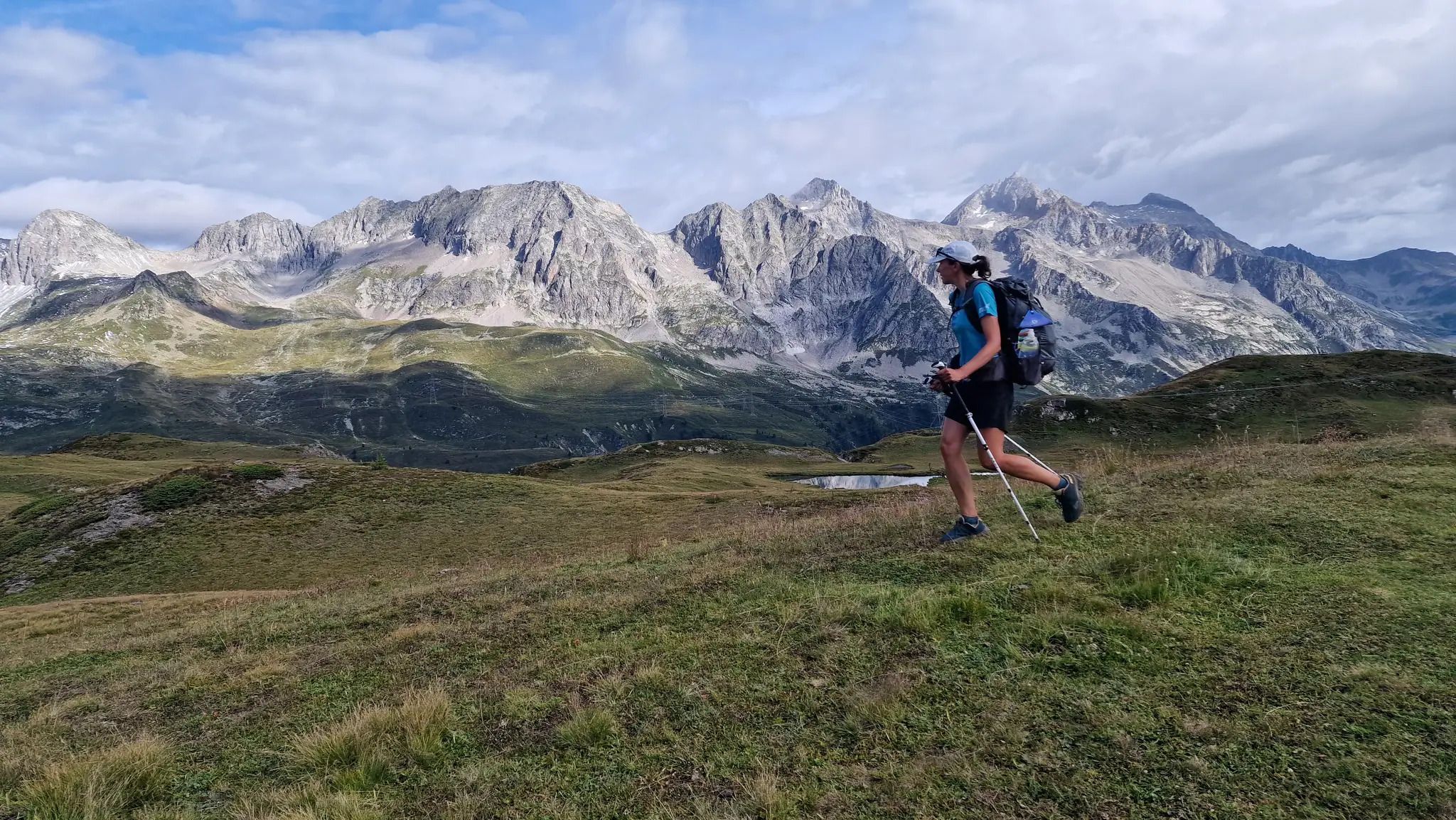
Alpine Passes Trail – hiking 700km across Switzerland
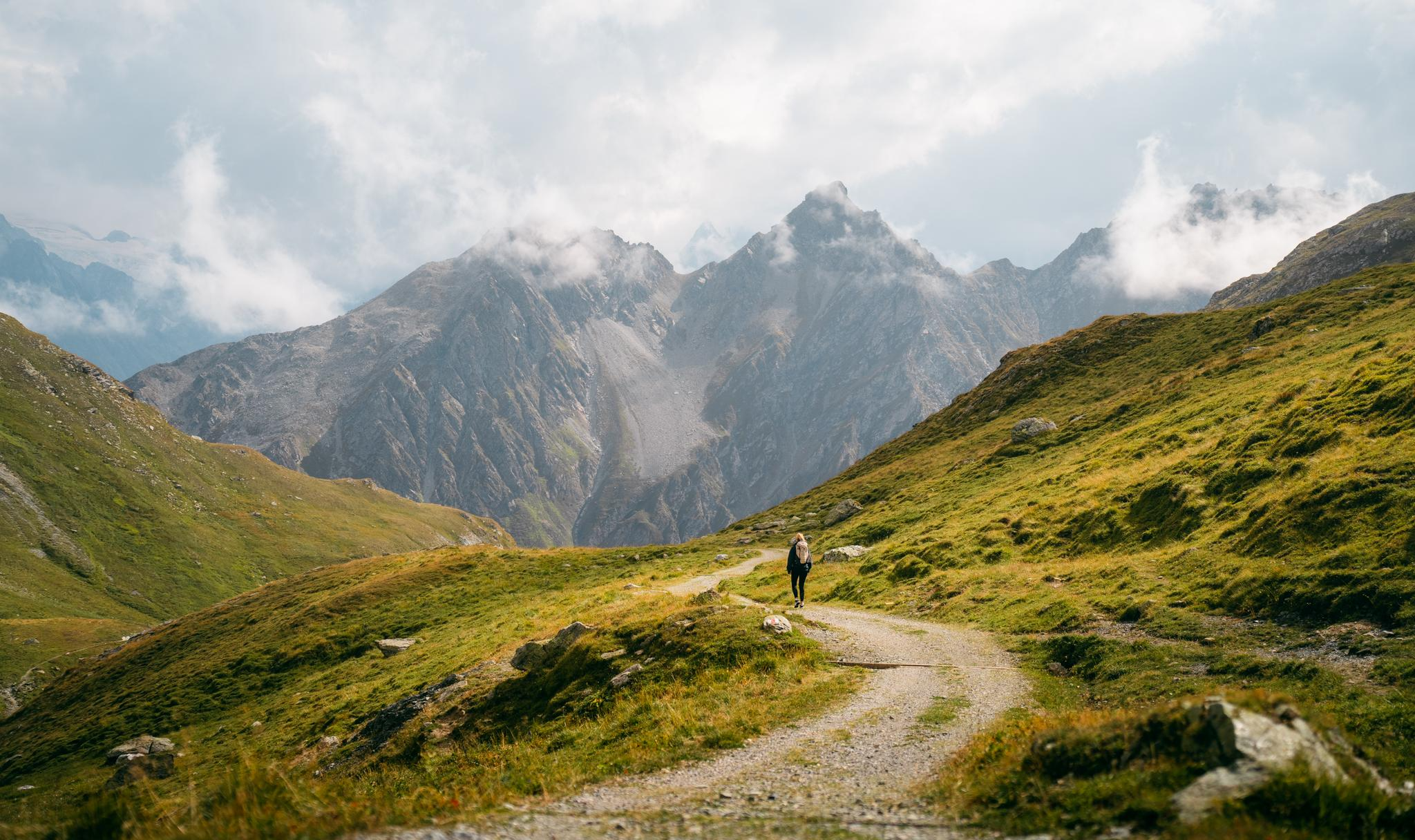
Quiet villages, proud passes, impressive history – the Via Sett
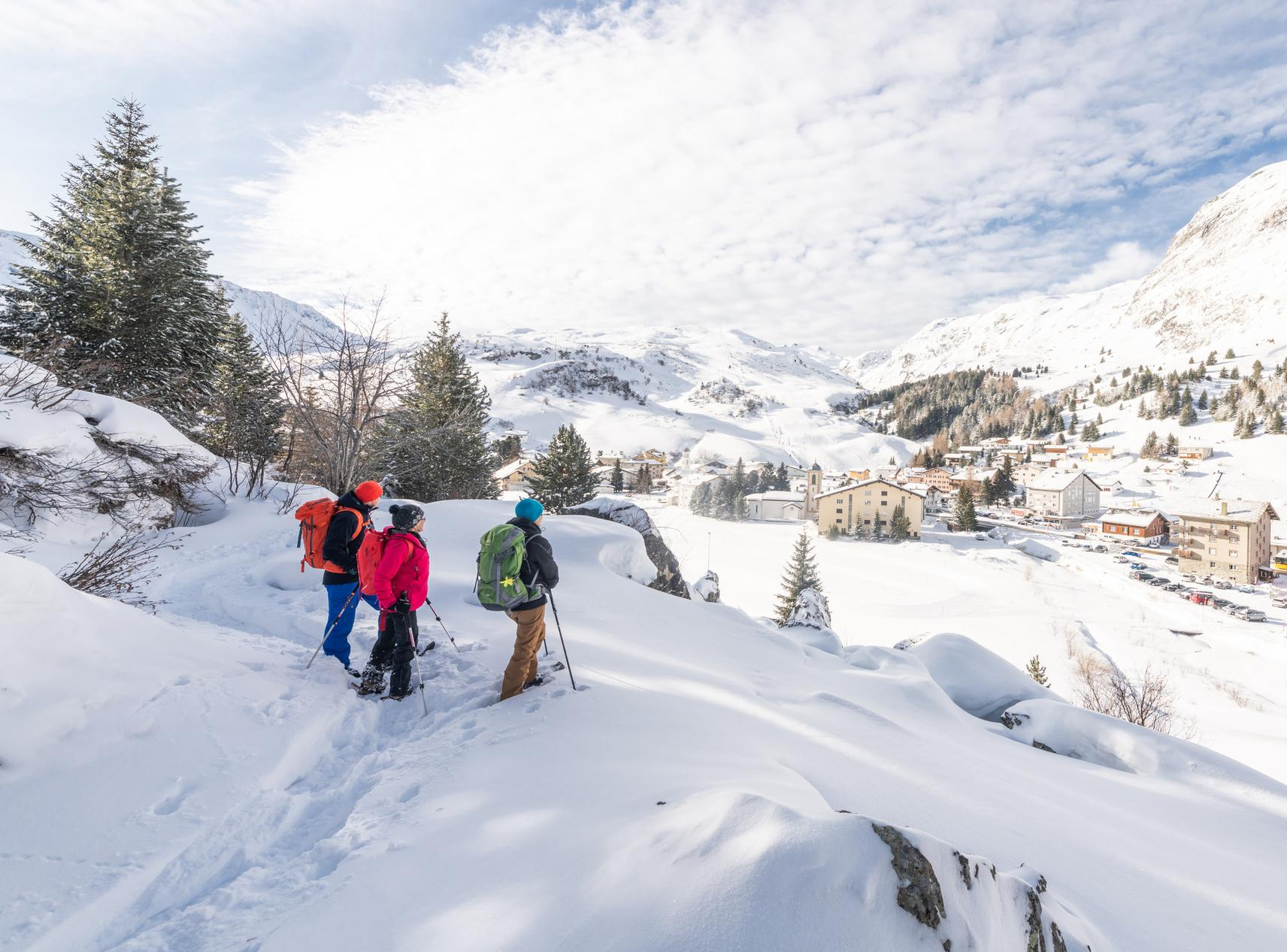
Snowshoe Safari – snowshoe trails through Graubünden
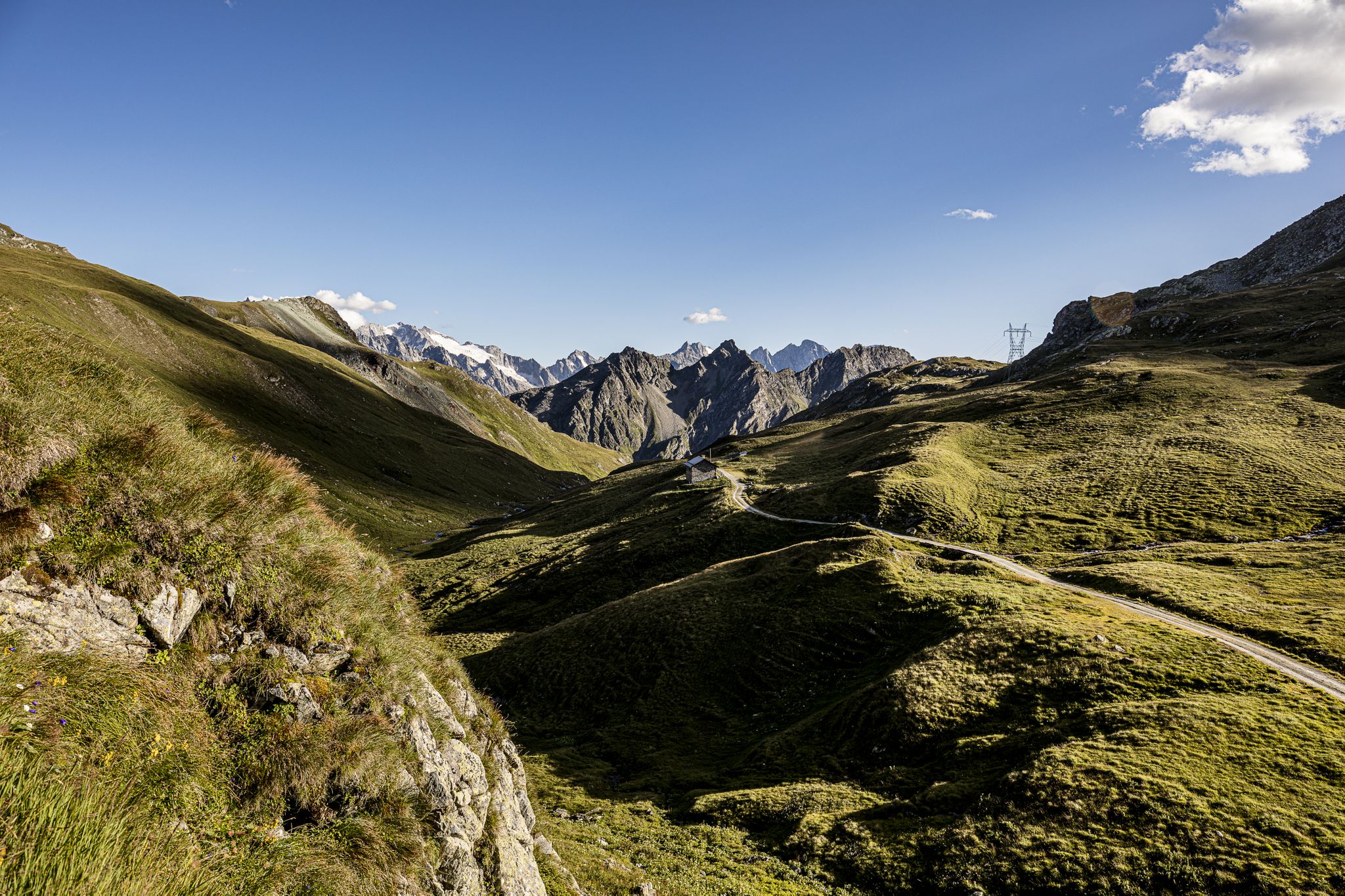
Parc Ela Trek – 17 days of trekking in the heart of Europe
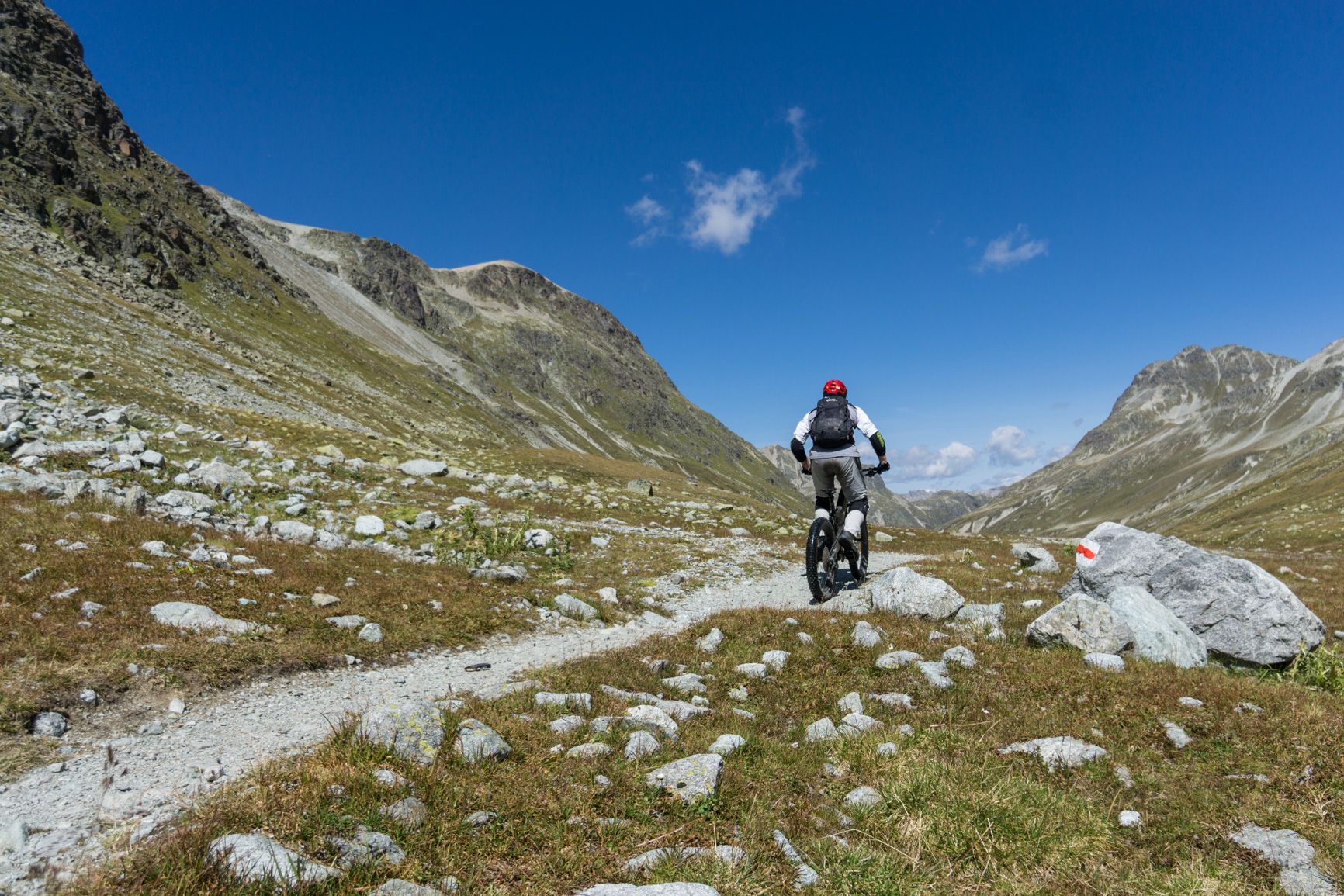
Haute Route Graubünden – From Julier Pass to Klosters
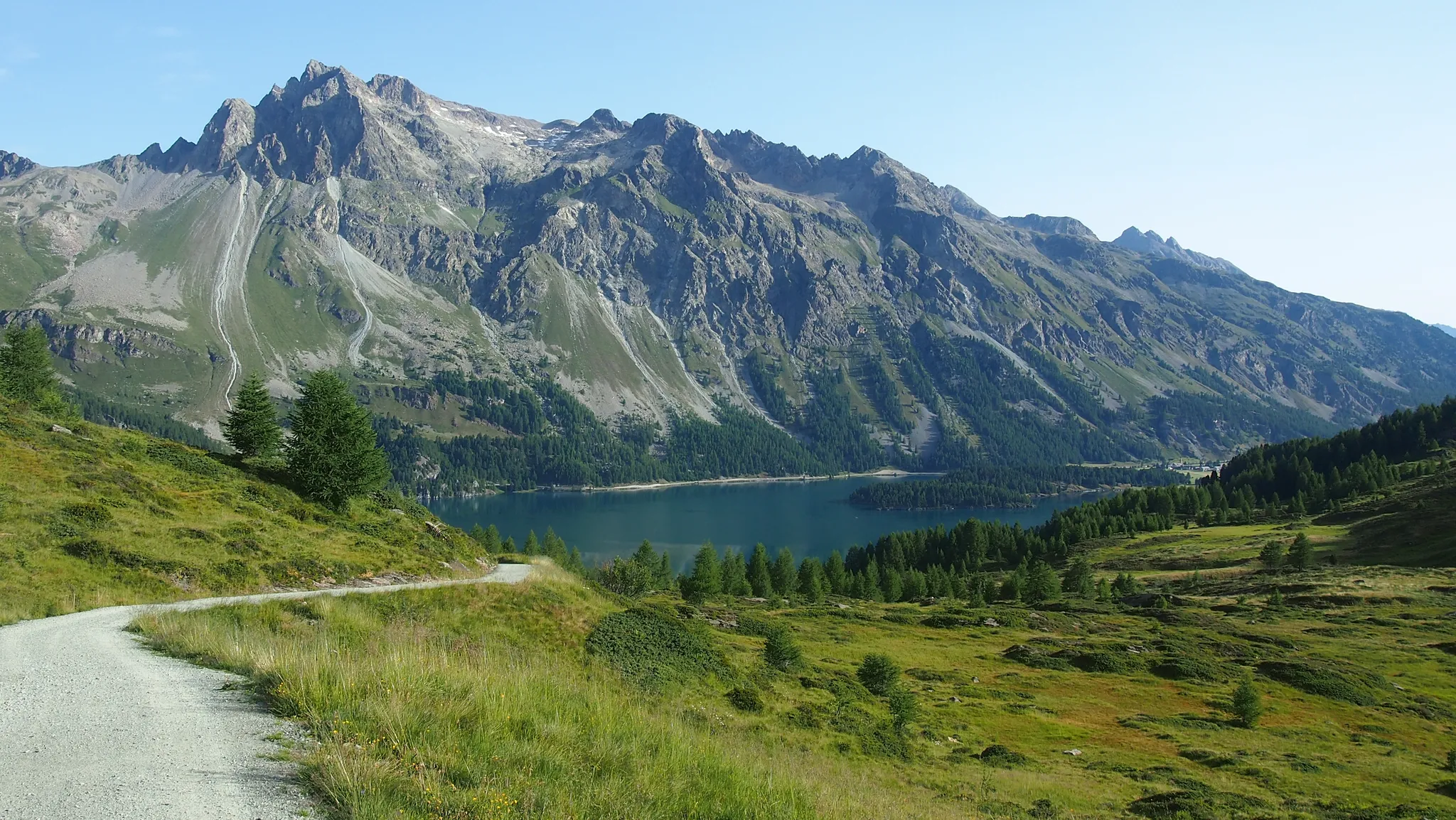
The Colors of Engadin - Senda Segantini
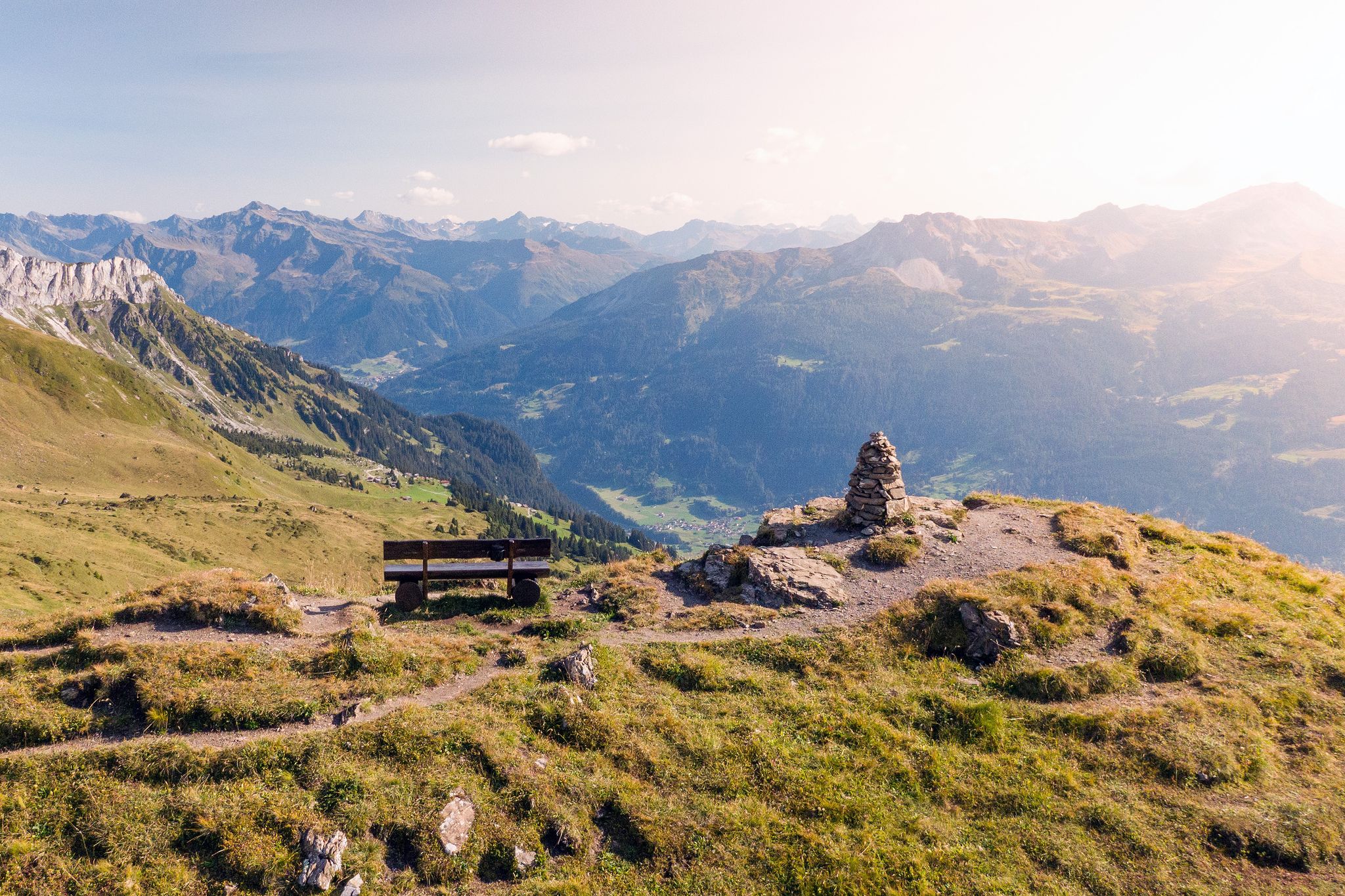
Long-distance hiking in the Grisons — 3 routes in Switzerland
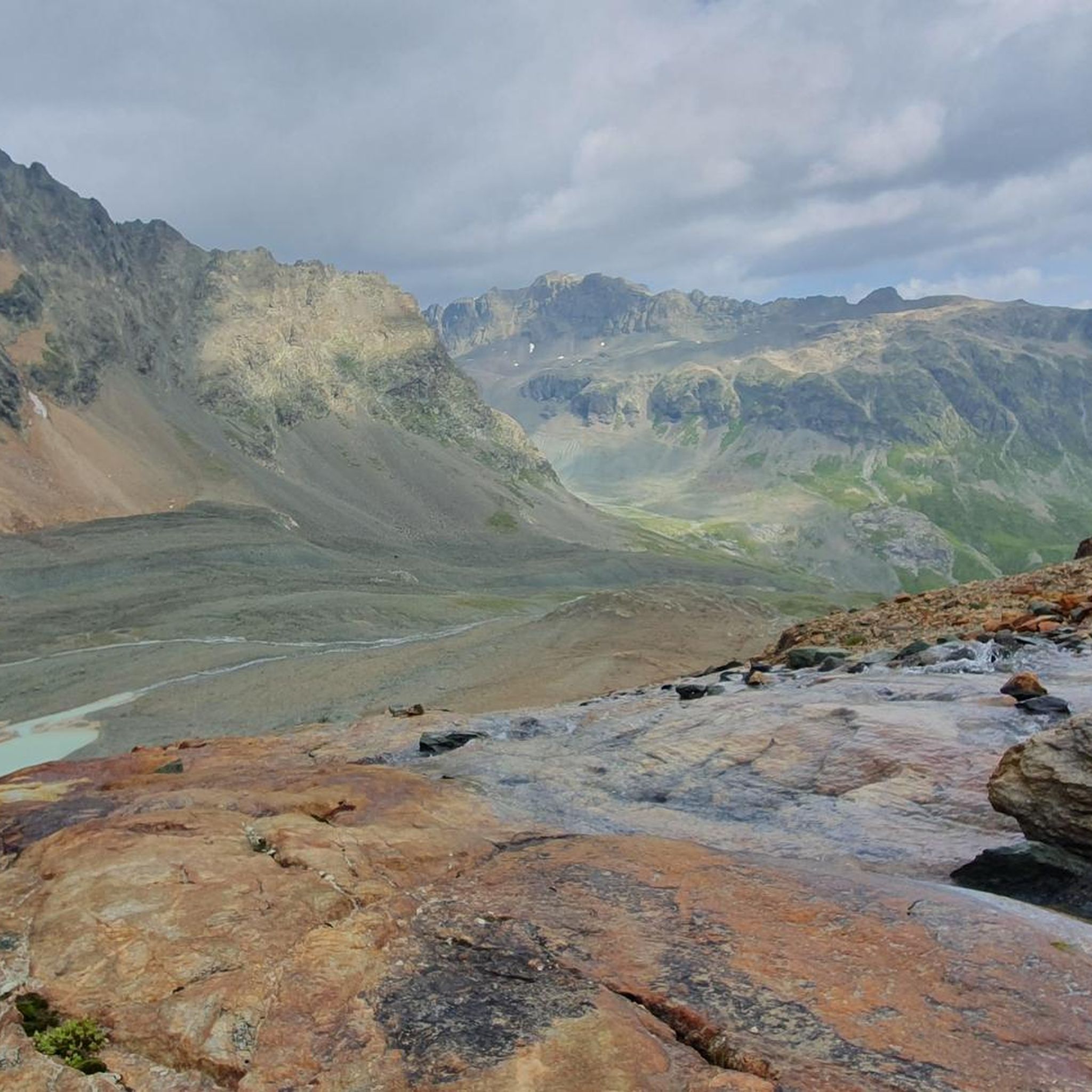
Cycling around Bivio
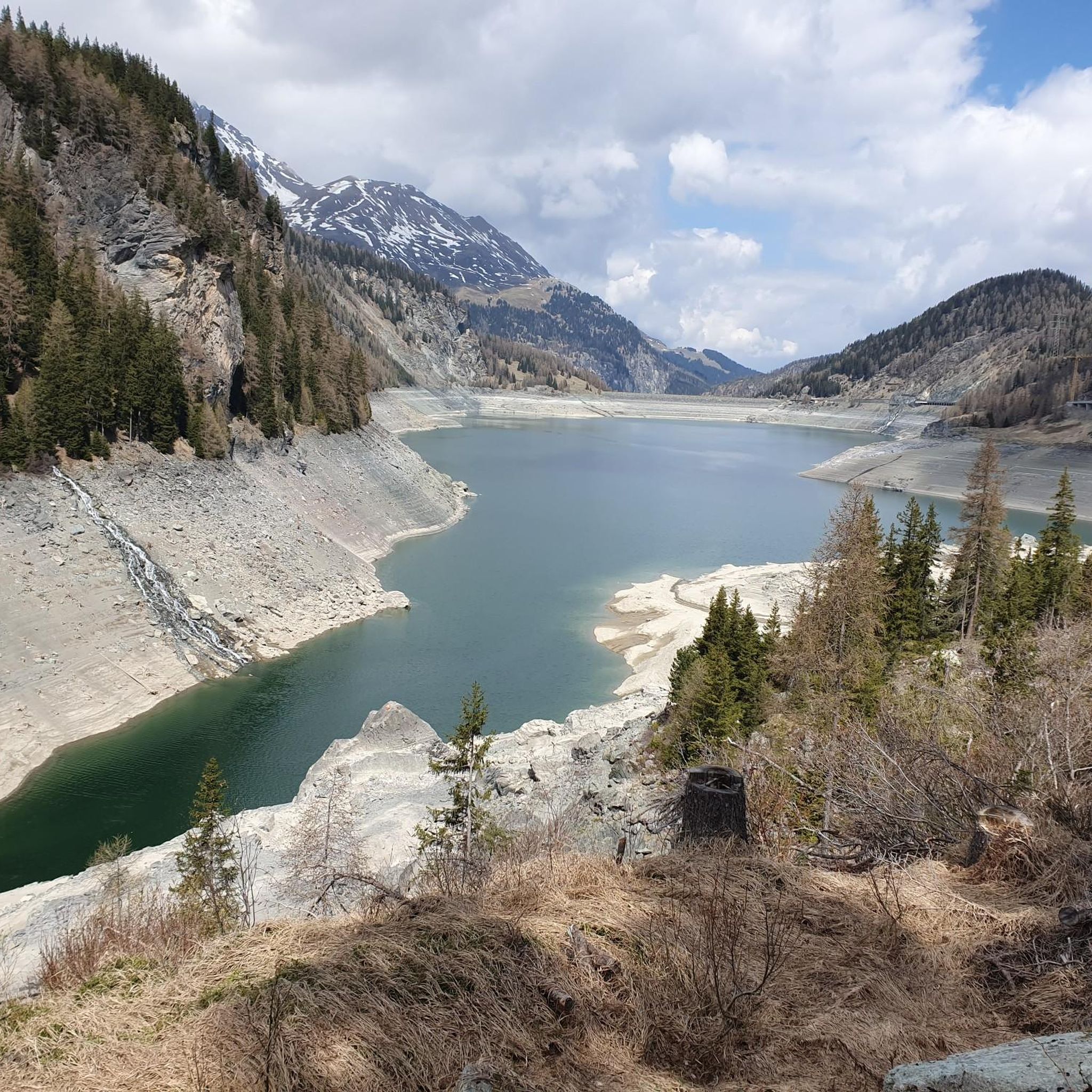
MTB Trails around Bivio
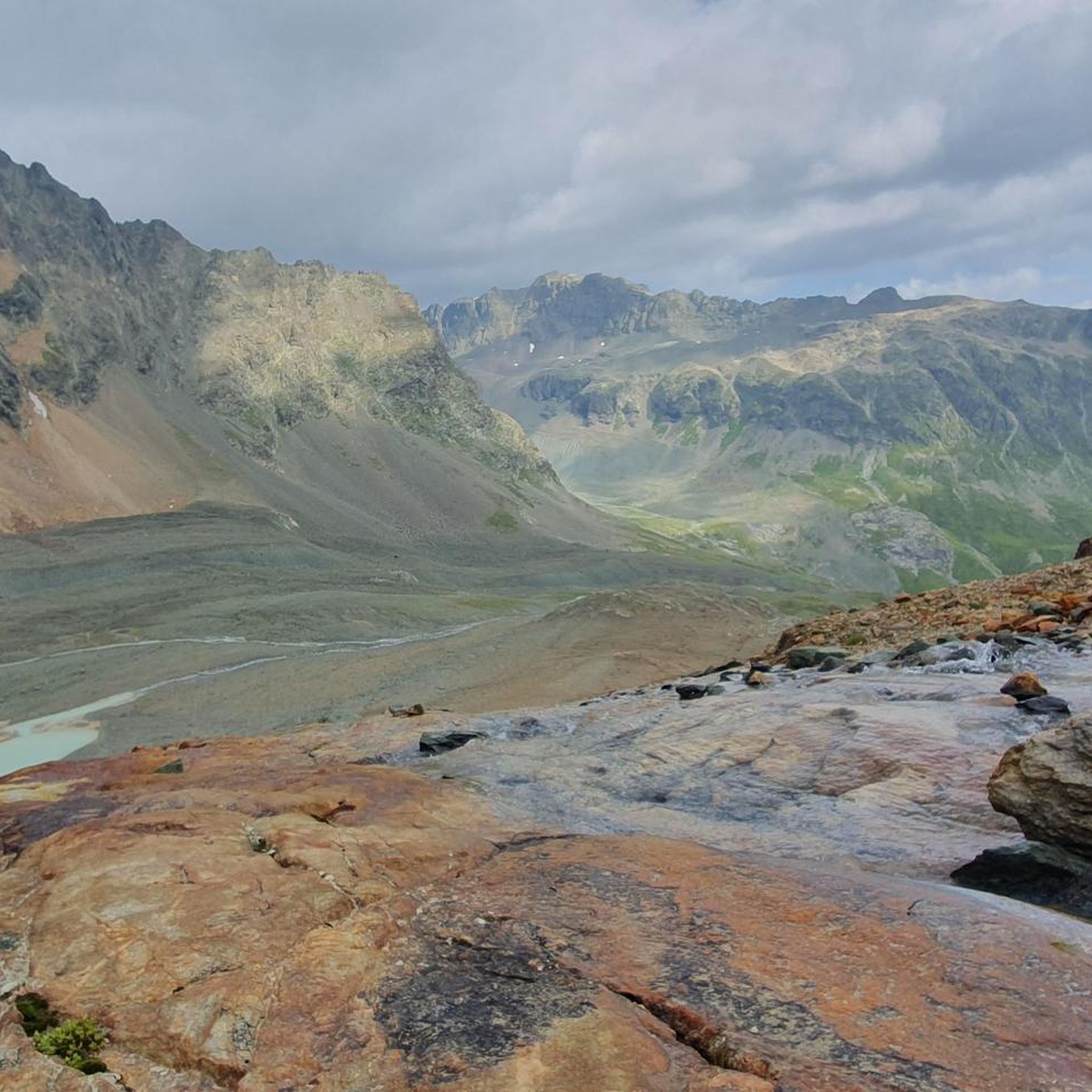
Hiking around Bivio
Other adventures around Bivio


Tips from the Community

A triple watershed is indeed something quite rare. Besides, it's simply wonderfully lonely and beautifuuuul up here
0
0

Scenically very great tour. Top Top Top
0
0
Scenically very great tour. Top Top Top
0
0
Scenically very great tour. Top Top Top
0
0

Sils Maria is a historic village in the Engadine, known for its connection to Friedrich Nietzsche and its cultural significance. In the beautiful Engadine village of Sils, at 1802 meters above sea level, everything is a little more intense: the tranquility, the changing seasons, the light, nature – happiness. Vacationers who found St. Moritz too hectic continued on to Sils Maria. That's how it was a hundred years ago; and that's how it still is today. It's palpable at every turn: those who come to Sils want to nourish their souls. And in doing so, they want to experience the warmth of a small village with around 810 inhabitants, where tourism has a long tradition and has been a way of life for over 100 years. Two Hearts, One Soul Sils Maria and Sils Baselgia: Our village has two names because it comprises two settlements. Sils Baselgia grew up around the Church of San Lurench. It was first mentioned in 1356 and still stands today. "Baselgia" is derived from basilica (church). In Sils Maria, the larger of the two villages, the large dairy farm once stood. The name "Maria" refers not to a proper name, but to the term "dairy farm." "Sils" means something like "green meadow" or "long strip of land." This also referred to the Sils lake plain. It is still a "green meadow"—thanks to landscape and nature conservation efforts and the awareness of these values that the people of Sils possess. Text / Source: Sils Information Center "Engadin Tourism AG", Via da Marias 38, Sils/Segl Maria https://www.sils.ch/de/guide/sils-im-engadin/dorfportrait
15
0
Lambrecht Weather Column, Sils A measuring station was put into operation as early as 1863, and the systematic measurement of meteorological parameters began. This makes the Sils weather series one of the longest in the entire Alpine region and highly valuable for observing climate change. The stations were located at various points throughout the village. Text / Source: Sils Tourism (Back Office), Via da Marias 93, Sils / Segl Maria https://www.sils.ch/de/guide/sils-im-engadin/sehenswuerdigkeiten/kultur-architektur/lambrecht-wettersaeule
16
0
Frequently Asked Questions
What is the general difficulty level of mountaineering routes in Bivio?
Mountaineering routes around Bivio are generally considered challenging. Out of the 19 routes listed, 13 are rated as difficult and 6 as moderate. This means they often involve significant elevation gain and demanding terrain, suitable for experienced mountaineers or those seeking a strenuous alpine adventure.
Are there any circular mountaineering routes around Bivio?
Yes, several mountaineering routes around Bivio are designed as loops, allowing you to start and end in the same location. For example, the Fuorcla Albana (2870 m) – Piz Julier Summit loop from Chamanna dal Stradin offers an ascent to the Piz Julier summit, while the Ascent to Piz Lunghin – Piz Lunghin Summit loop from Passo della Maloja - Malojapass 1815 m takes you to the unique triple watershed.
What are some notable natural features or landmarks I might encounter on a mountaineering route near Bivio?
The Bivio region is rich in natural and historical landmarks. You can explore majestic peaks like Piz Ela (3339 m) and Piz Platta (3392 m), or traverse historic alpine passes such as the Septimer Pass, a crucial Roman crossing. The Lunghin Pass is home to Europe's only triple watershed. Additionally, you might encounter beautiful lakes like Lej dals Chöds (Hahnensee) or Lej Nair.
Can I find routes that offer views of the Fex Valley?
Yes, some routes provide stunning vistas into the Fex Valley. The Trail to Alp da Segl – View into the Fex Valley loop from Sils im Engadin is a challenging mountaineering route that offers picturesque views of this beautiful valley.
What makes the Piz Lunghin area special for mountaineering?
The Piz Lunghin area is particularly special due to its unique triple watershed, where water can flow towards the North Sea, the Mediterranean Sea, and the Black Sea. Routes like the Ascent to Piz Lunghin – Lunghinsee loop from Passo della Maloja - Malojapass 1815 m allow you to explore this fascinating natural phenomenon and the serene Lunghinsee.
What is the best time of year for mountaineering in Bivio?
The prime season for mountaineering in Bivio is typically during the warmer months, from late spring to early autumn, when trails are clear of snow and weather conditions are more stable. However, Bivio's elevation at 1800 meters above sea level also makes it excellent for winter activities like ski touring and snowshoeing, offering a different kind of alpine experience.
Are there any climbing facilities near Bivio?
Yes, for those interested in climbing, Bivio features the Motta da Crest climbing garden, located just a few minutes from the village. It offers 11 routes with varying degrees of difficulty, from easy (grade 3) to more challenging (grade 7), making it suitable for different skill levels, including children.
What do other mountaineers enjoy most about the Bivio region?
The Bivio region is highly rated by the komoot community, with an average score of 5.0 stars from over 20 reviews. Mountaineers often praise the diverse alpine landscape, the impressive peaks, and the historical significance of passes like the Septimer Pass. Many appreciate the challenging yet rewarding nature of the routes and the breathtaking panoramic views.
Is there public transport access to the starting points of mountaineering routes around Bivio?
Bivio is well-connected within Graubünden, and public transport options, such as post buses, can often take you to or near the starting points of many trails, including those accessible from the Julier Pass or Maloja Pass. It's advisable to check local bus schedules for specific route access.
Are there any areas known for their biodiversity near Bivio?
Absolutely. Alp Flix, located near Bivio, is renowned as a 'treasure island of biodiversity' due to its high moors and exceptional natural environment. While many mountaineering routes are demanding, Alp Flix offers opportunities for easier hikes where you can appreciate its unique flora and fauna.
What kind of accommodation is available in Bivio for mountaineers?
Bivio offers various accommodation options, ranging from hotels and guesthouses to mountain huts like the serviced Jürg Jenatsch mountain hut near the Julier Pass. These provide convenient bases for multi-day mountaineering trips or comfortable stays after a day on the trails.
Are there any routes that explore historical alpine crossings?
Yes, the region around Bivio is steeped in history. The Septimer Pass is particularly notable as one of the most crucial Roman alpine crossings. Hiking routes that traverse this pass allow you to follow in the footsteps of ancient travelers and experience a significant piece of alpine history.
Most popular attractions around Bivio

Get inspired with the komoot mobile app


Explore more
Browse the best Mountain Hikes & Routes in other regions.
