The best running trails in Eastern Switzerland
4.4
(2077)
56,937
runners
3,765
runs
Jogging routes in Eastern Switzerland traverse a varied landscape, encompassing serene lakeside paths, rolling hills, and demanding alpine trails. The region is characterized by its extensive network of well-marked paths, offering options for both leisurely runs and challenging trail running experiences. Natural features like the Alpstein massif, the shores of Lake Constance, and numerous river valleys provide diverse backdrops for outdoor activity.
Best jogging routes in Eastern Switzerland
- The most popular jogging route is Klöntal Lake Loop Trail, a…
Last updated: August 17, 2026
4.8
(13)
333
runners
12.6km
01:33
270m
270m
Moderate 7.8-mile trail running loop around Klöntalersee, offering stunning alpine lake views and diverse terrain in Glarus.
5.0
(3)
83
runners
20.8km
04:01
1,390m
1,380m
Hard run. Very good fitness required. Sure-footedness, sturdy shoes and alpine experience required.

Sign up for free
14
runners
10.0km
01:35
590m
600m
Hard run. Very good fitness required. Mostly accessible paths. Some sure footedness required.
3
runners
12.6km
01:58
760m
760m
Hard run. Very good fitness required. Mostly accessible paths. Some sure footedness required.
12
runners
9.15km
01:12
350m
350m
Hard run. Very good fitness required. Mostly paved surfaces. Suitable for all skill levels.
6
runners
8.18km
01:37
620m
620m
This difficult 5.1-mile trail running route to Chüebodensee in Glarus offers alpine views and a challenging 2034 feet climb.
4.5
(26)
641
runners
10.8km
01:10
150m
150m
Moderate run. Good fitness required. Mostly paved surfaces. Suitable for all skill levels.
4.6
(22)
920
runners
21.1km
02:16
250m
250m
Hard run. Very good fitness required. Mostly paved surfaces. Suitable for all skill levels.
4.4
(18)
403
runners
Moderate run. Good fitness required. Mostly paved surfaces. Suitable for all skill levels.
4.8
(13)
618
runners
Moderate run. Good fitness required. Mostly paved surfaces. Suitable for all skill levels.
Get access to more routes and recommendations from other explorers.
Sign up for free
Already have an account?
Our route recommendations are based on thousands of hikes, rides, and runs completed by other people on komoot.
Start today with a free account
Your next adventure awaits.
Login or Signup
Popular around Eastern Switzerland
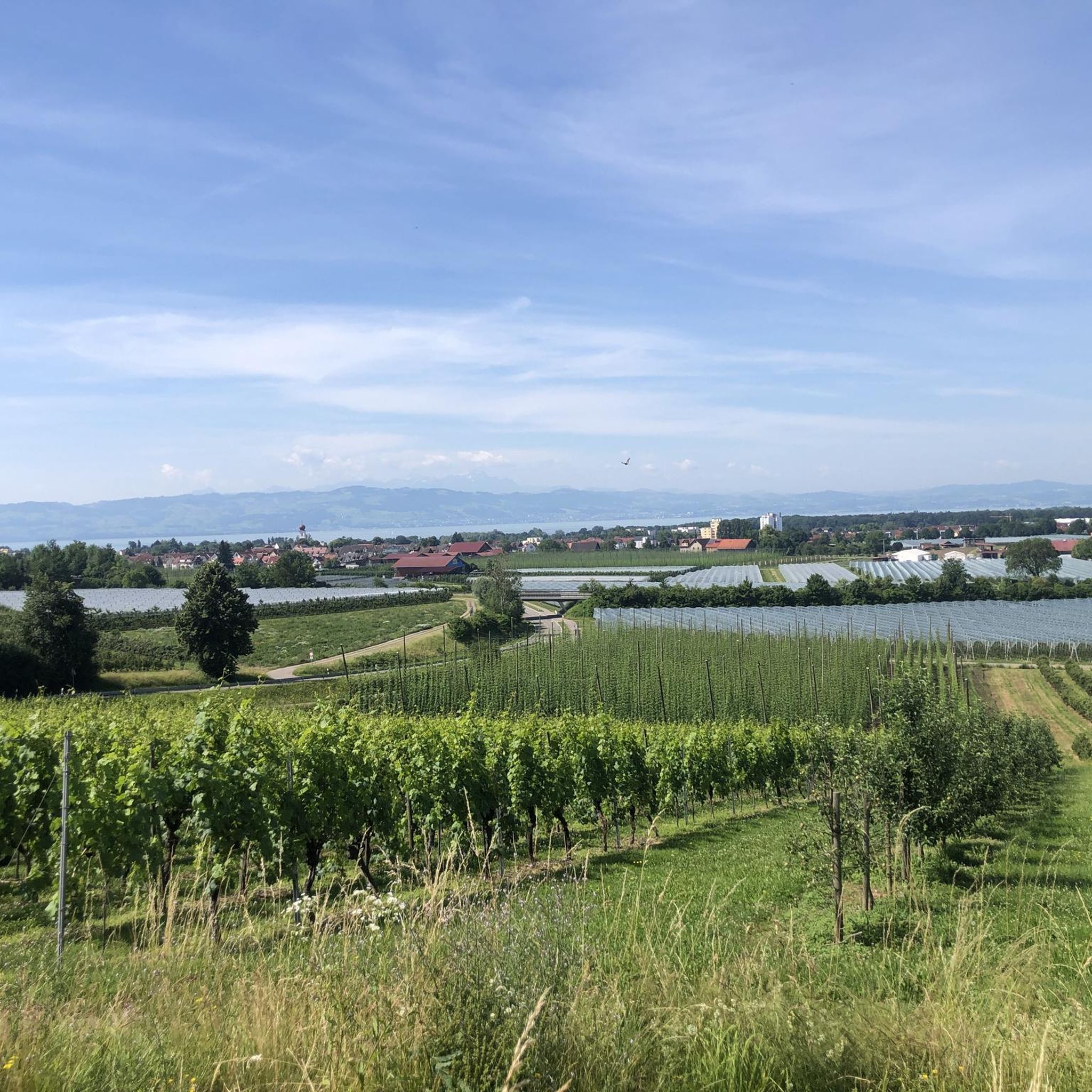
Running Trails around Lake Constance
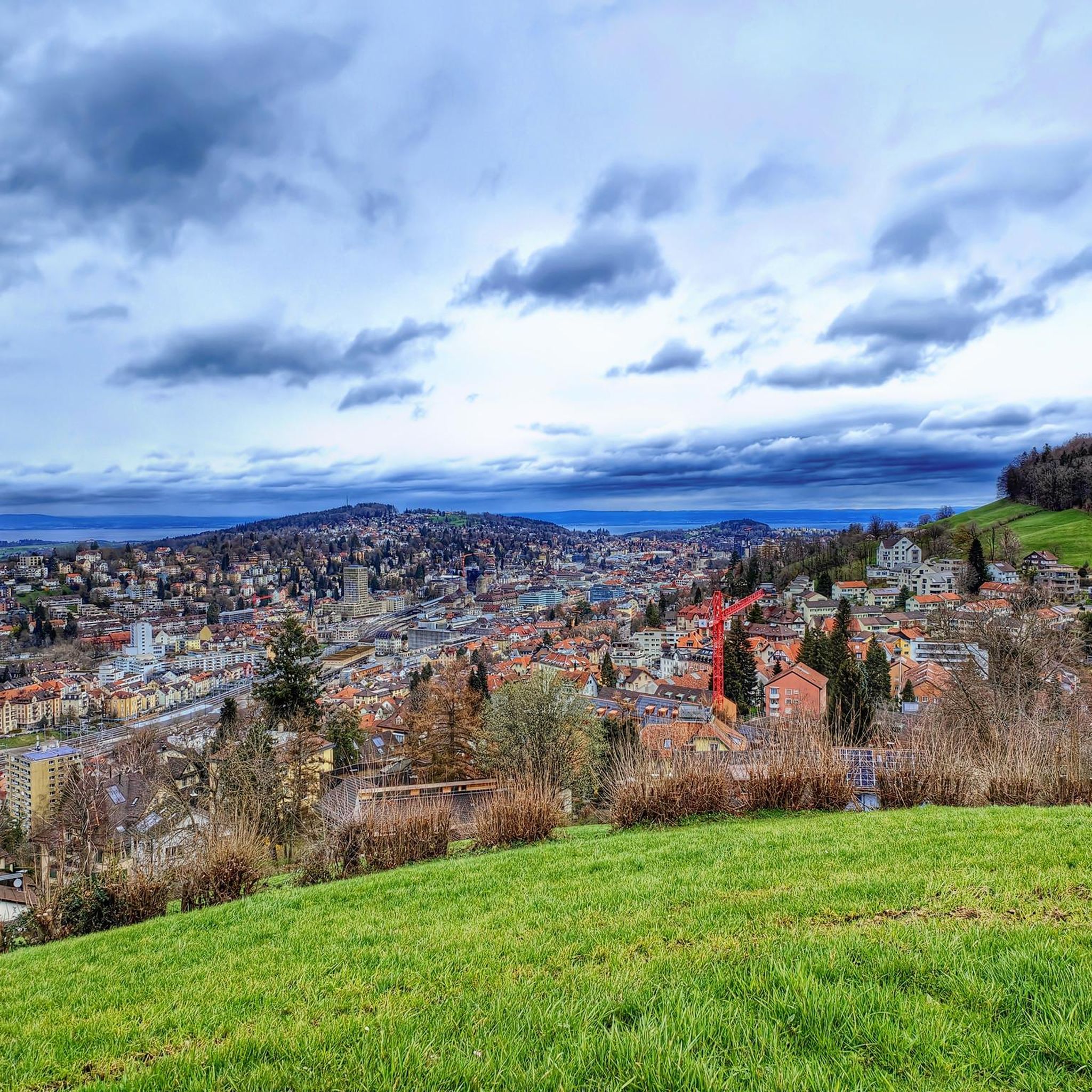
Running Trails in St. Gallen
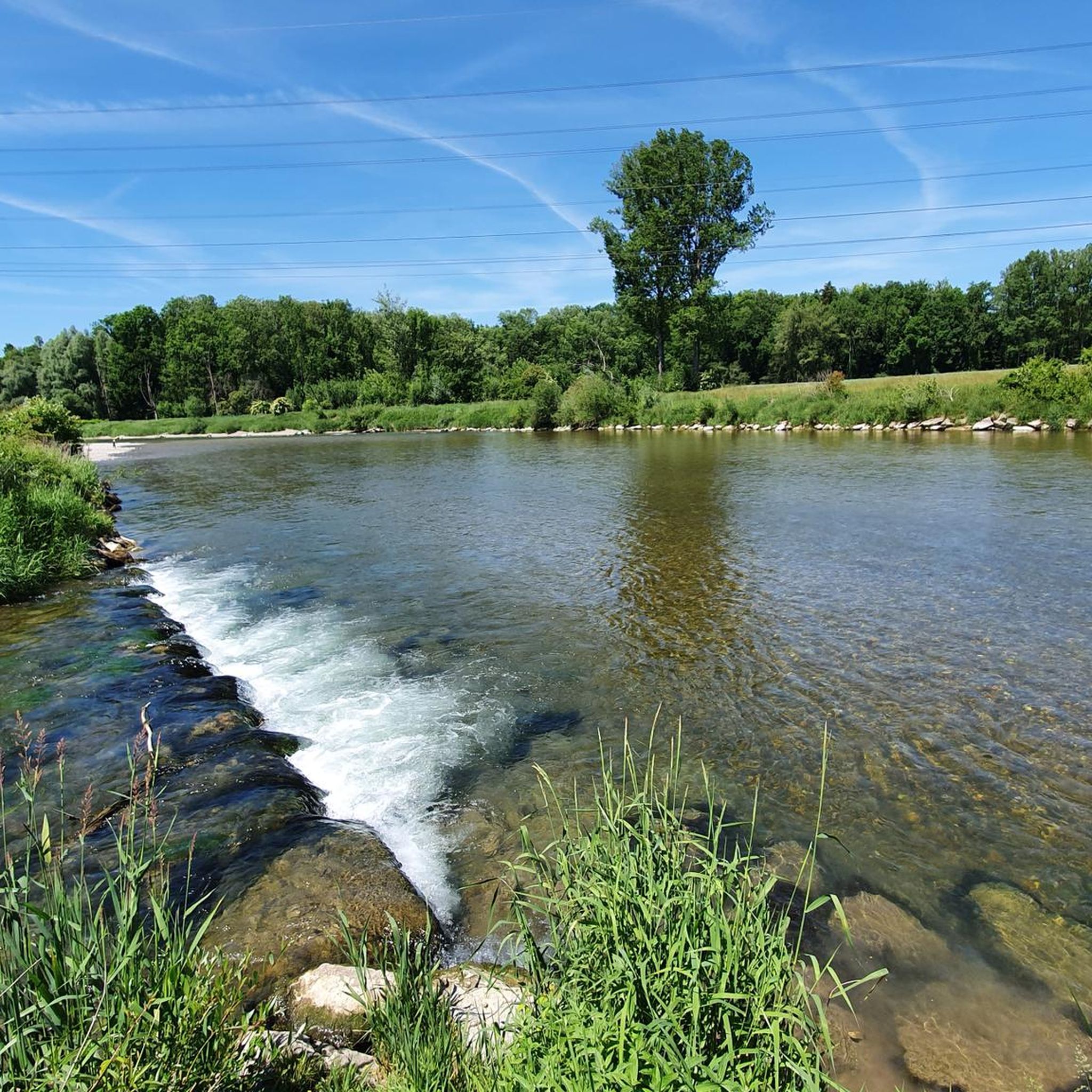
Running Trails in the Thurgau
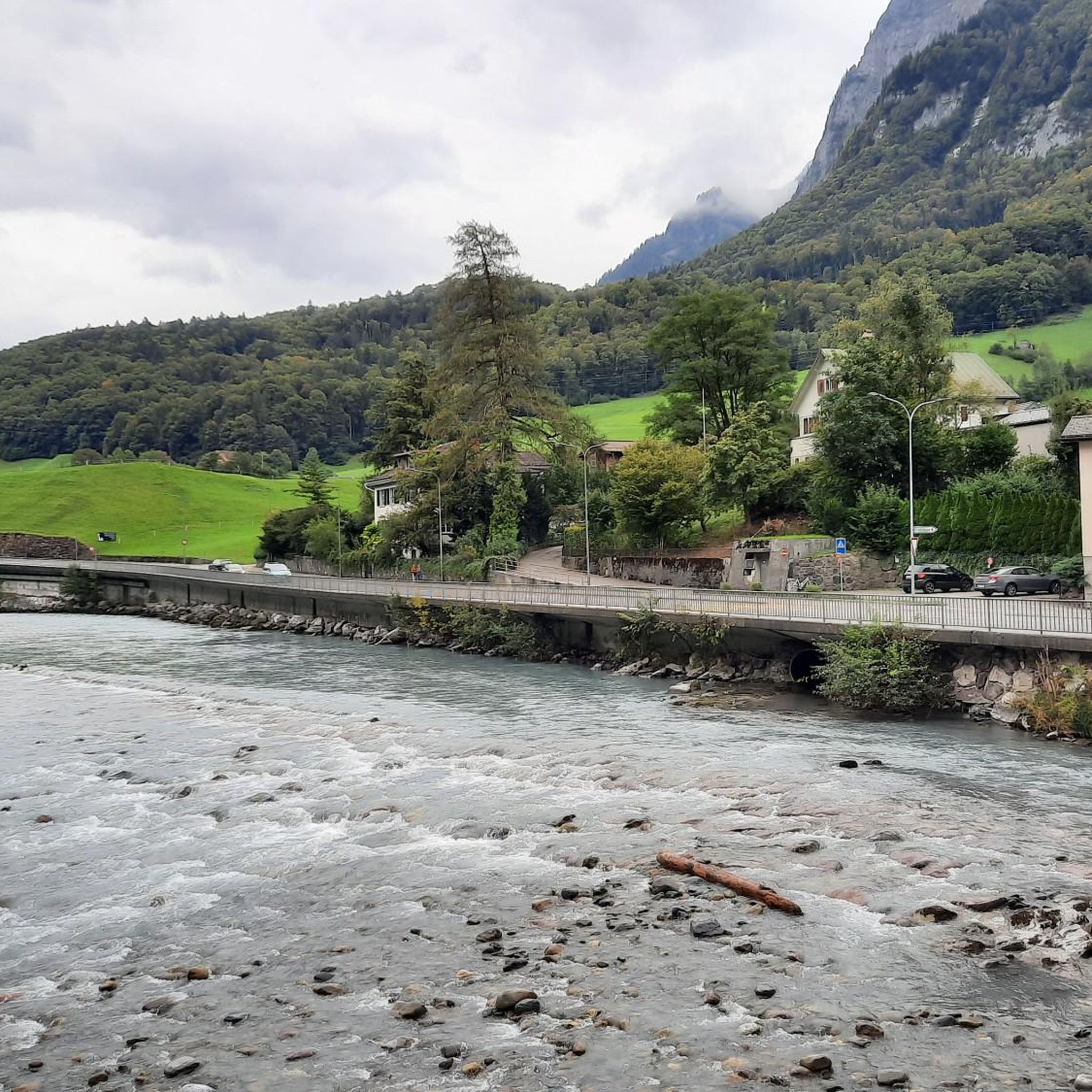
Running Trails in Glarus
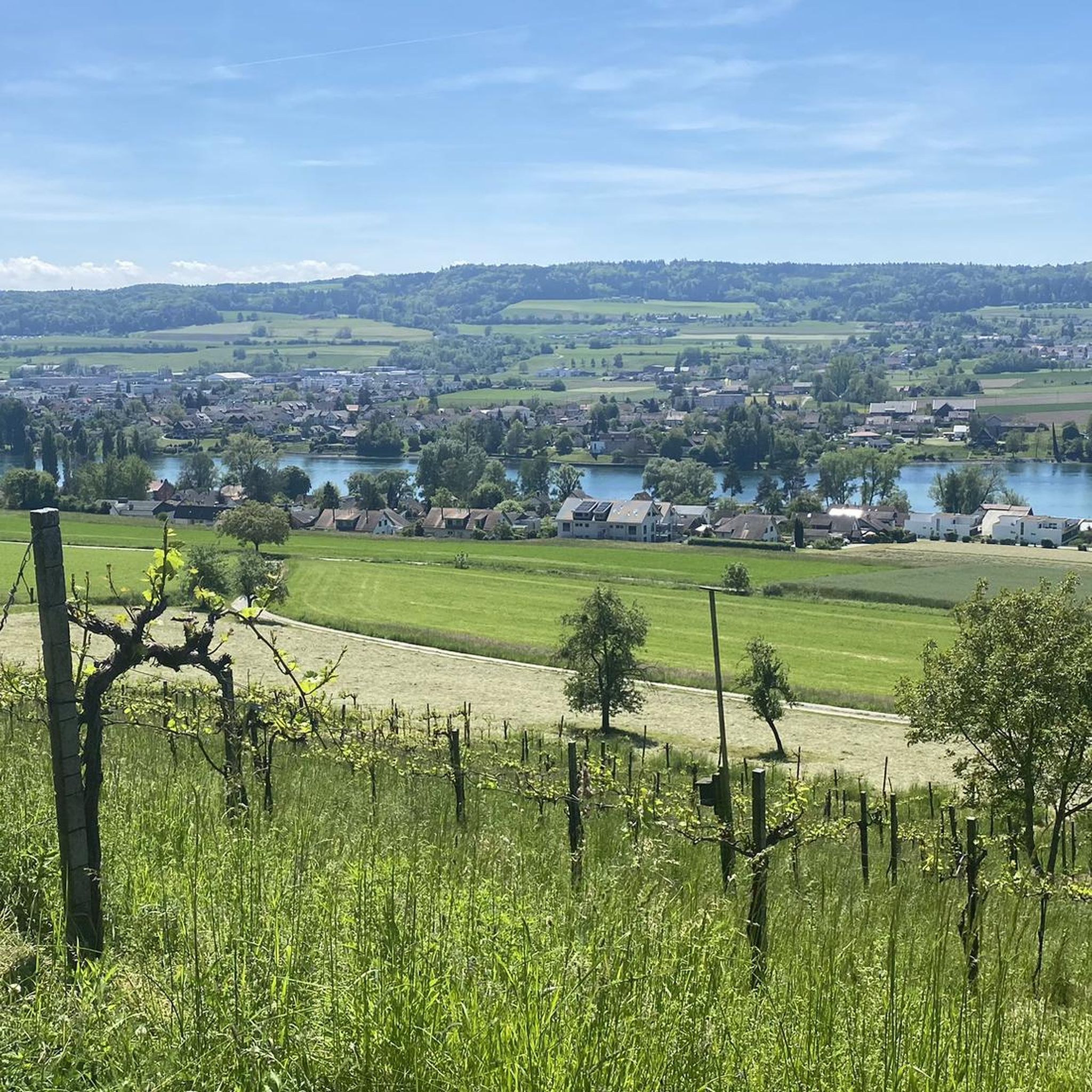
Running Trails in Schaffhausen
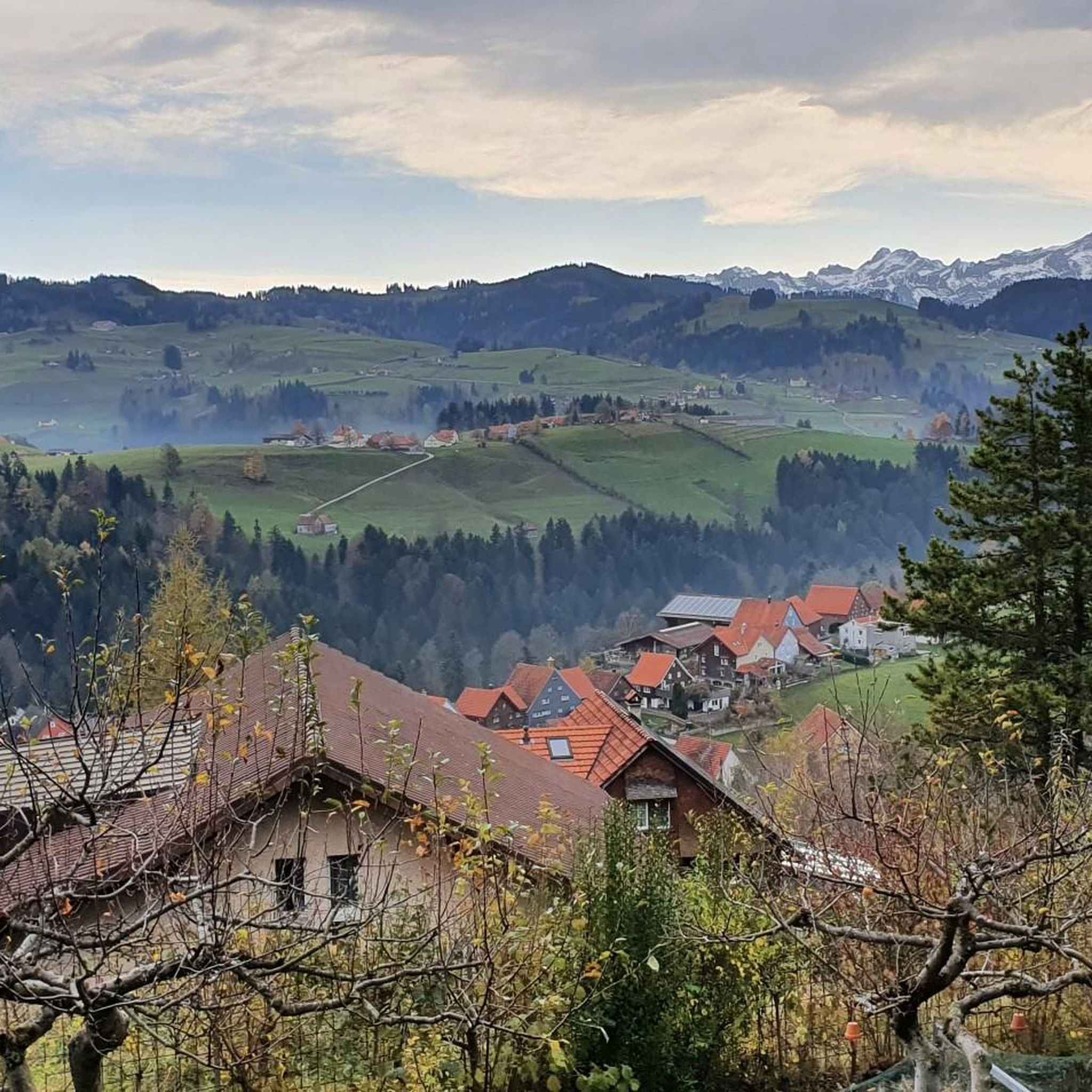
Running Trails in Appenzell Ausserrhoden
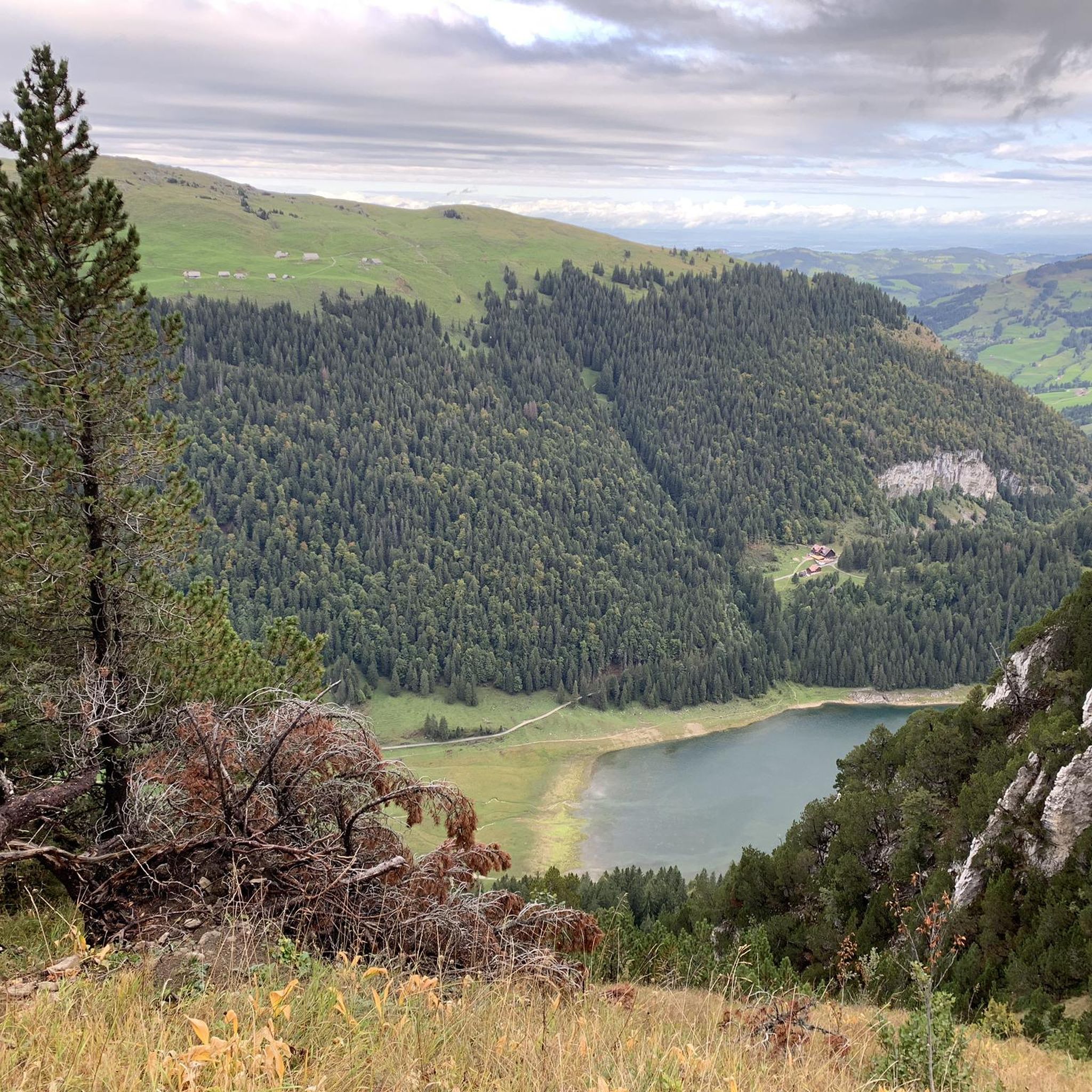
Running Trails in Appenzell Innerrhoden
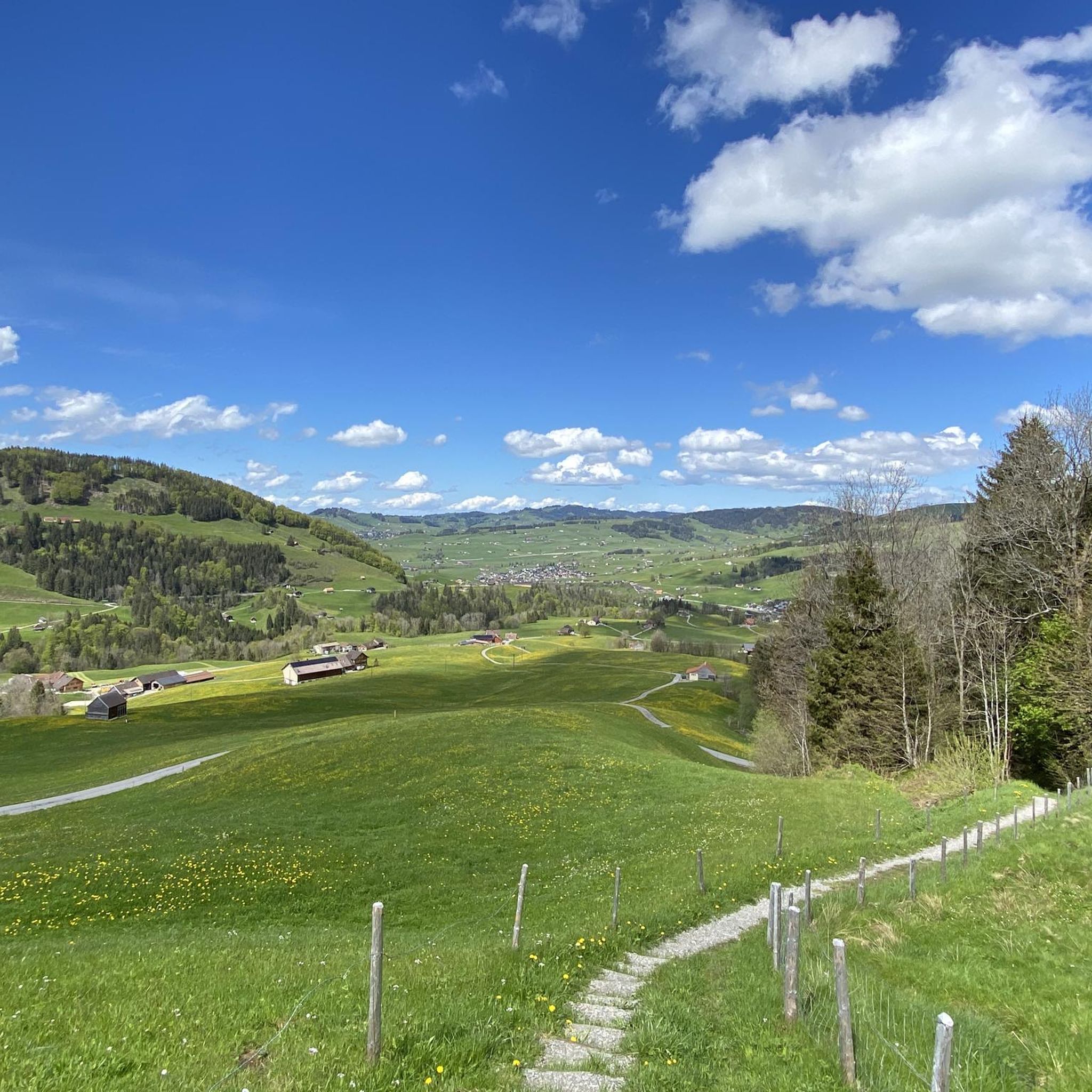
Running Trails around Appenzell Innerrhoden
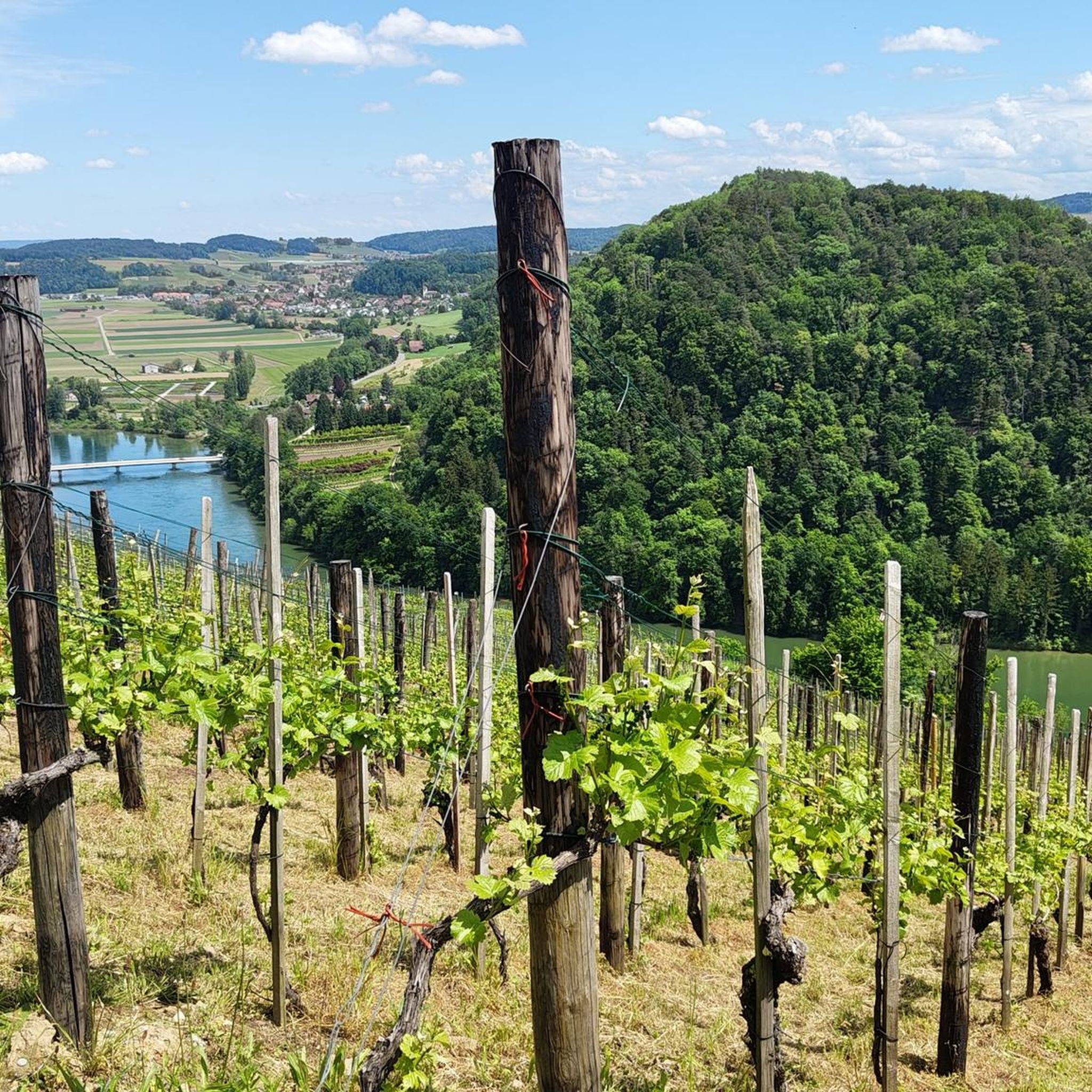
Running Trails around Buchberg
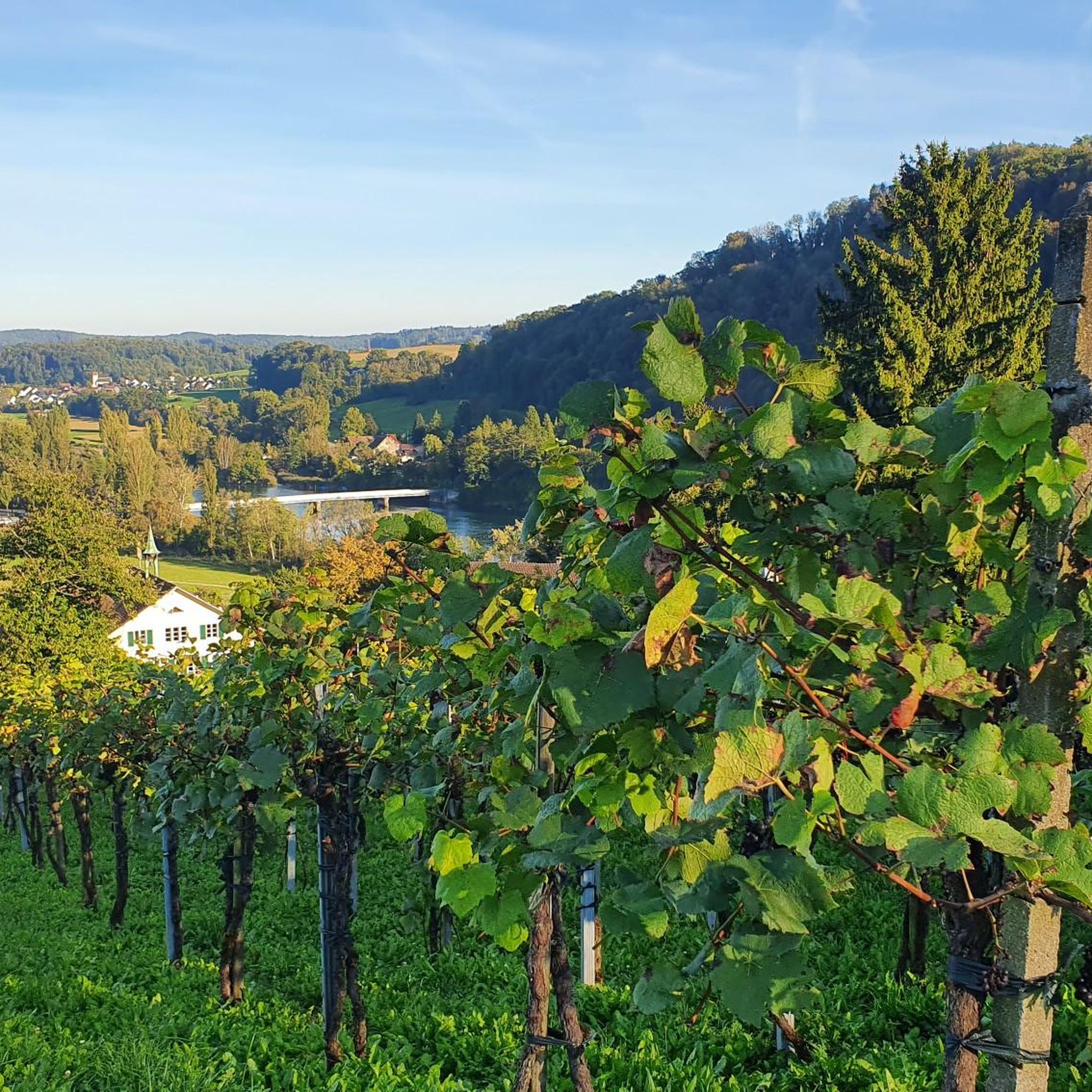
Running Trails around Rüdlingen
Other adventures in Eastern Switzerland


Tips from the Community

Rhine crossing (Ferry / Red Line): Connects the north bank (Schlössli Wörth) with the south bank (Schloss Laufen). Price: from approx. CHF 6.00 per person for the round trip. Note for families: Children under 6 years of age usually travel free of charge accompanied by an adult.
1
0
Audio tour (Pink Line - approx. 30 min.): A leisurely tour with explanations via headphones about the history of the Rhine Falls.Price: approx. CHF 14.00 per person.
1
0
Small round trip (Blue line - approx. 15 min.): Leads very close to the roaring masses of water. Price: approx. CHF 10.50 per person. Rock tour (Yellow line): The absolute highlight, where the boat takes you to the middle rock, which you can climb via steps. Price: from approx. CHF 22.50 per person (including transfer).
1
0
Entrance fees for Laufen CastleAccess to the castle grounds, the Historama (museum), the Panorama Trail, and the spectacular viewing platforms perched directly over the water (such as „Känzeli“ and „Fischetz“) is subject to a fee:Adults: CHF 5.00Children (6–15 years): CHF 3.00Toddlers (under 6 years): FreeTickets can be purchased directly on-site at the ticket machines or at the visitor center. Parking at Laufen Castle is free from 6:00 PM onwards; fees apply during the day.
1
0
North shore (Schlössli Wörth / Neuhausen): Take the S-Bahn line S9 to Neuhausen Rheinfall station. An elevator will take you from the platform down to the Rhine Falls basin, which is freely accessible.
1
0
The Rhine Falls are excellently connected to the Swiss railway network. There are two stations directly at the waterfall:South bank (Schloss Laufen): Use the S-Bahn line S33 (from Winterthur/Zurich or Schaffhausen) to the Schloss Laufen am Rheinfall station. From there, a short walk or a glass panoramic elevator leads directly to the castle and the platforms.
2
0
Location: The destination is located in the canton of Schaffhausen near the German border and can be reached in a short time from Lake Constance.
2
0
Activities on site: Visitors can admire the waterfall from viewing platforms, approach the rocks closely by excursion boat, or even climb onto the middle rock.
2
0
Frequently Asked Questions
How many running routes are available in Eastern Switzerland?
Eastern Switzerland offers a vast network of over 3,800 running routes, catering to all levels from easy jogs to challenging trail runs. The komoot community has explored more than 54,000 of these routes, providing valuable insights and ratings.
What kind of terrain can I expect on jogging routes in Eastern Switzerland?
The region boasts incredibly diverse terrain. You'll find everything from serene, flat lakeside paths around areas like Lake Constance and Greifensee, to rolling hills in the Appenzellerland, and demanding alpine trails in the Alpstein massif, such as those on Pizol mountain. River paths and routes through valleys and gorges, like the Tamina Gorge, also offer varied running experiences.
Are there any easy running routes suitable for beginners in Eastern Switzerland?
Yes, Eastern Switzerland has over 200 easy running routes. Many lakeside trails, such as those around Greifensee, offer flat and well-maintained paths perfect for beginners. The region's extensive network ensures there are plenty of gentle options to get started.
Which running routes offer significant elevation gain for experienced trail runners?
For experienced trail runners seeking a challenge, routes like Peter's Long Trail - Running on the Pizol offer significant elevation gain, climbing over 1,300 meters. Another demanding option is the Chüebodensee Loop Trail, which features a substantial climb over 600 meters.
Are there any circular running routes in Eastern Switzerland?
Yes, many routes in Eastern Switzerland are circular. A popular example is the Klöntal Lake Loop Trail, a moderate 12.6 km loop around the alpine lake. The Greifensee circular trail near Zurich also offers a well-developed, flat loop, and the area around Lake Seealpsee features a 4 km circular route.
What natural landmarks or attractions can I see along the running routes?
Eastern Switzerland's running routes often pass by stunning natural features. You can run near Europe's largest waterfall on the Rhine Falls – Rhine Falls loop from Feuerthalen. Other routes might lead you past beautiful lakes like Seealpsee or Fählensee, or through impressive geological formations such as the Ofenloch Gorge or near the Thur Waterfalls.
Are there family-friendly running routes in Eastern Switzerland?
Absolutely. Many routes, especially those along lakeshores like Greifensee, are flat and well-suited for families, even with prams. These paths often include rest areas and offer scenic views, making them enjoyable for all ages.
What do other runners say about jogging in Eastern Switzerland?
The running routes in Eastern Switzerland are highly regarded by the komoot community, with an average rating of 4.4 stars from over 1,700 reviews. Runners frequently praise the region's diverse landscapes, from tranquil lakeside paths to challenging alpine ascents, and the extensive network of well-marked trails.
Can I access running trails in Eastern Switzerland using public transport?
Yes, Switzerland is known for its excellent public transport network. Many trailheads and popular running areas, including those in Appenzell and around Lake Constance, are accessible by train or bus, making it convenient to reach your starting point without a car.
Are there any running routes that offer views of Lake Gübsensee?
Yes, there are routes that provide scenic views of Lake Gübsensee. For instance, the View of Lake Gübsensee – St. Gallen Cathedral loop from St. Gallen Winkeln is a longer route that includes views of the lake. A shorter option is the View of Lake Gübsensee – Gübsensee West Dam loop from kybunpark.
Are there fitness trails (Vitaparcours) available for combining jogging with other exercises?
Yes, Switzerland features over 500 'Vitaparcours' – circular fitness trails typically 2-4 km long, equipped with stations for strength, flexibility, and endurance training. Many of these are located throughout Eastern Switzerland, offering a great way to combine your run with a full-body workout.
What is the best time of year for running in Eastern Switzerland?
Eastern Switzerland offers great running opportunities year-round, but the best time depends on your preference. Spring and autumn provide mild temperatures and beautiful scenery, with spring bringing wildflowers and autumn showcasing vibrant foliage. Summer is ideal for high-alpine trails, while winter offers unique experiences on cleared paths or snowshoe trails, though some higher routes may be inaccessible.
Most popular routes in Eastern Switzerland
Most popular attractions in Eastern Switzerland

Get inspired with the komoot mobile app


Didn’t find what you were looking for?
Check out more Running Trails & Routes throughout Eastern Switzerland below and find the perfect route in your destination.
Explore more
Browse the best Running Trails & Routes in other regions.
