Top 7 Mountain Passes around Le Chaffaut-Saint-Jurson
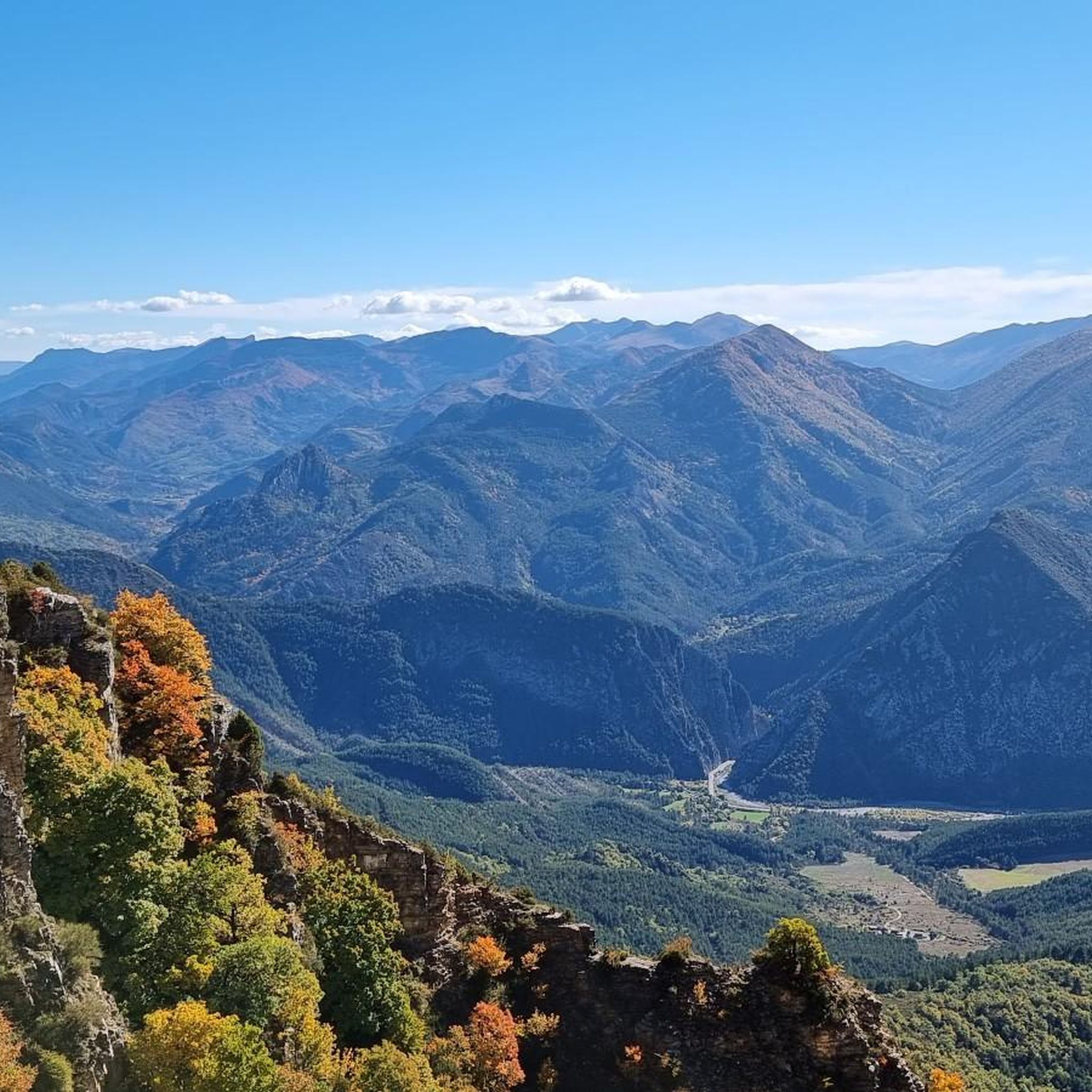
Best mountain passes around Le Chaffaut-Saint-Jurson are found in the Alpes-de-Haute-Provence department, a mid-mountain area within the Bléone Valley with altitudes ranging from 470 to 960 meters. This location serves as a gateway to exploring renowned and scenic passes in the Southern French Alps. The region offers opportunities for hiking, cycling, and mountain biking on its paths and trails.
Best mountain passes around Le Chaffaut-Saint-Jurson
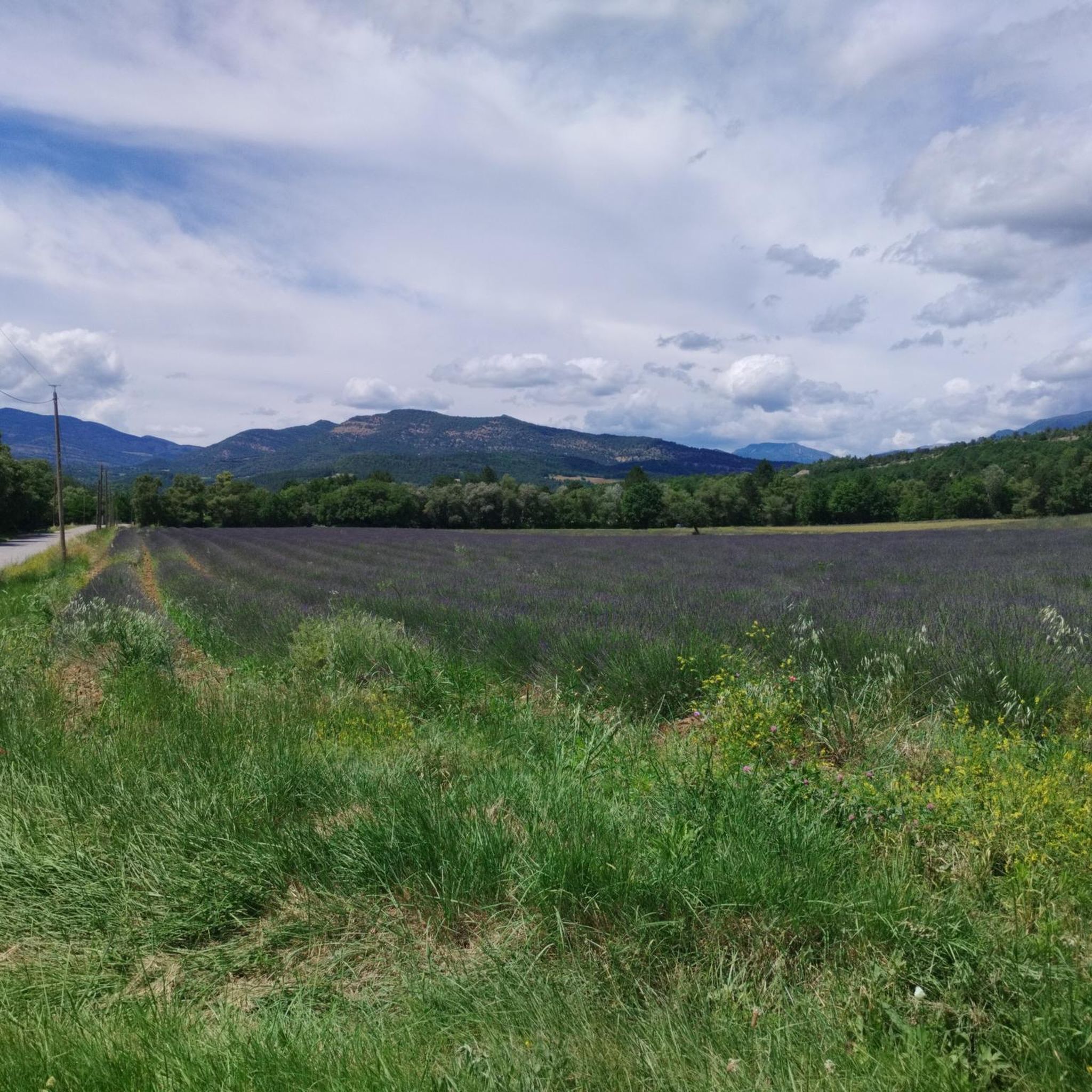
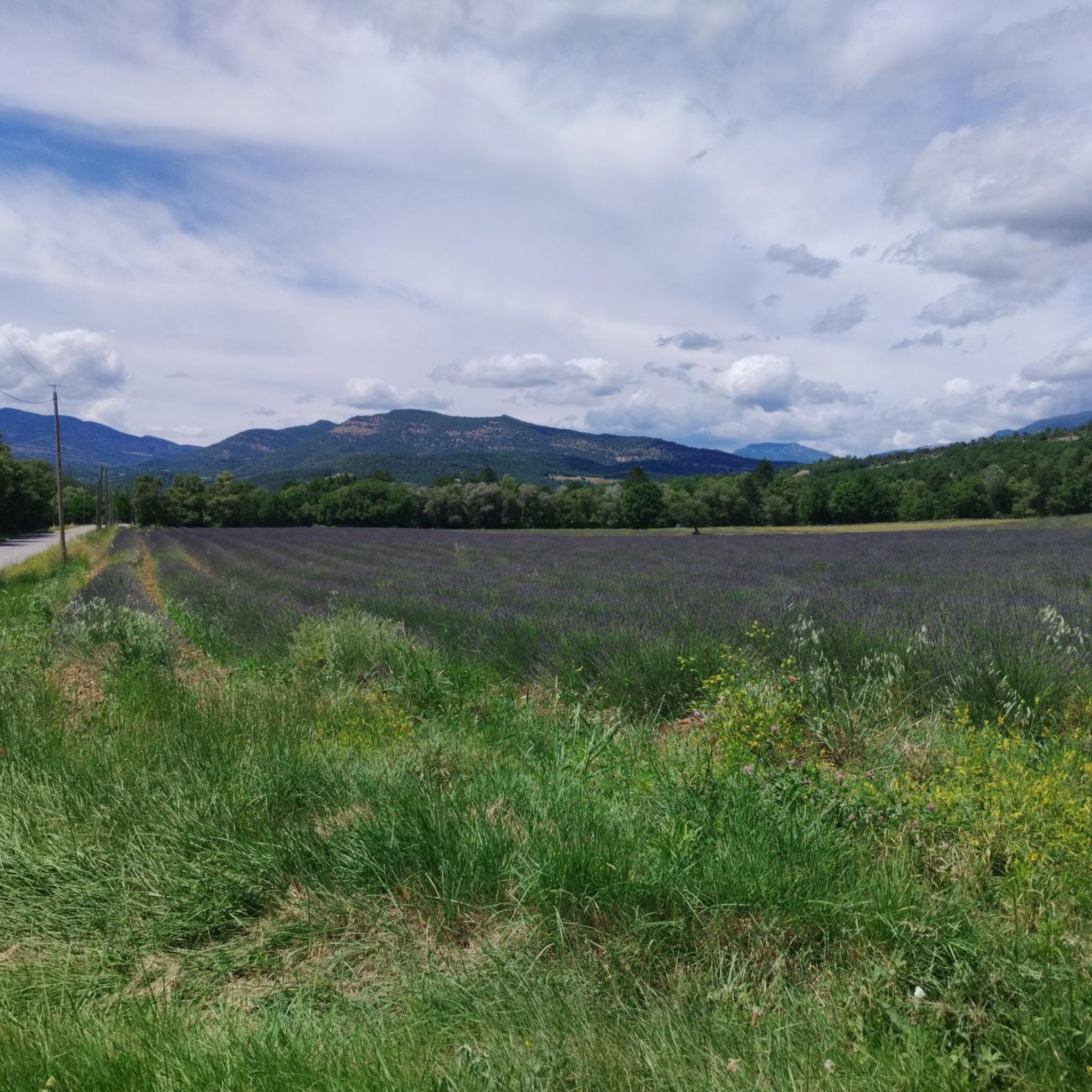
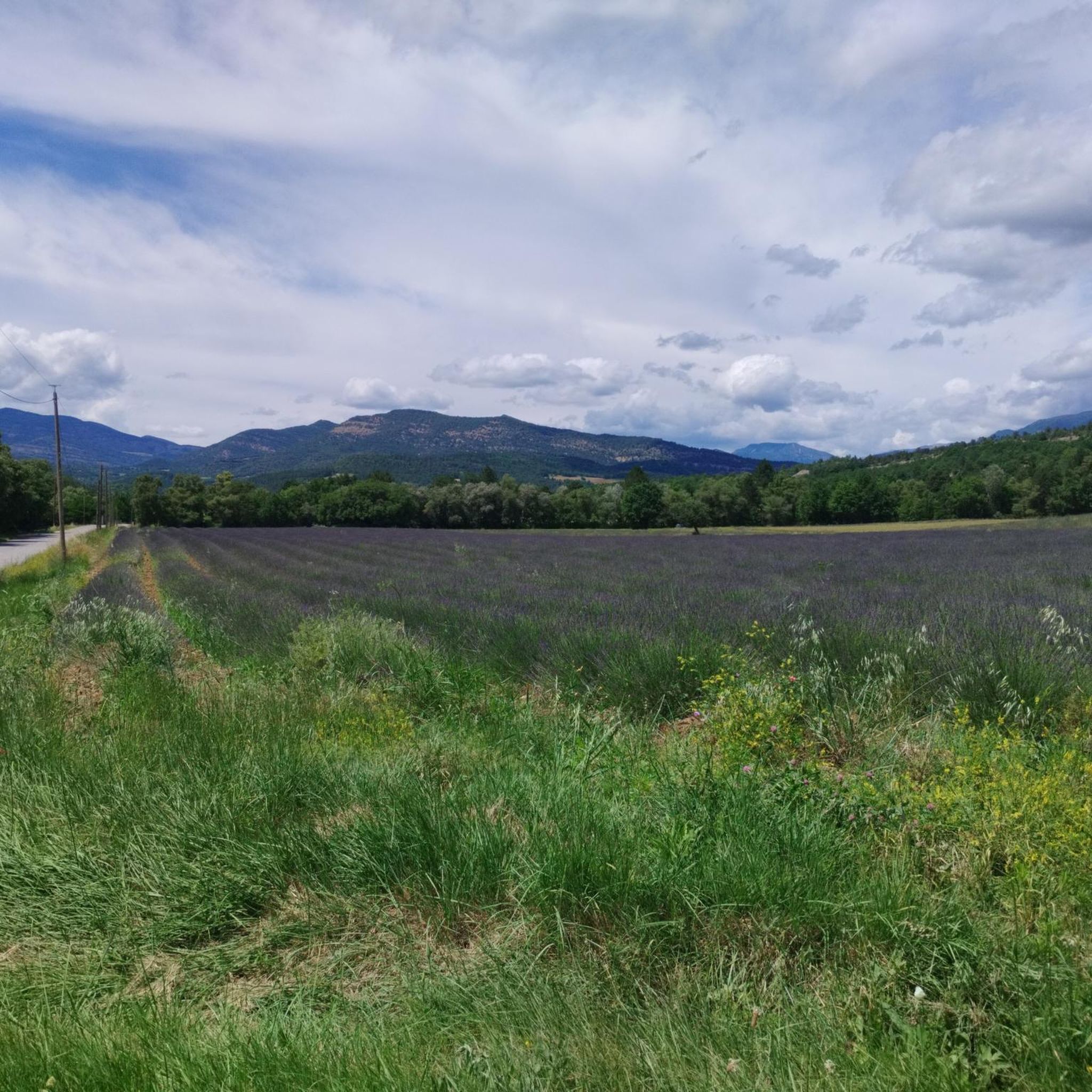
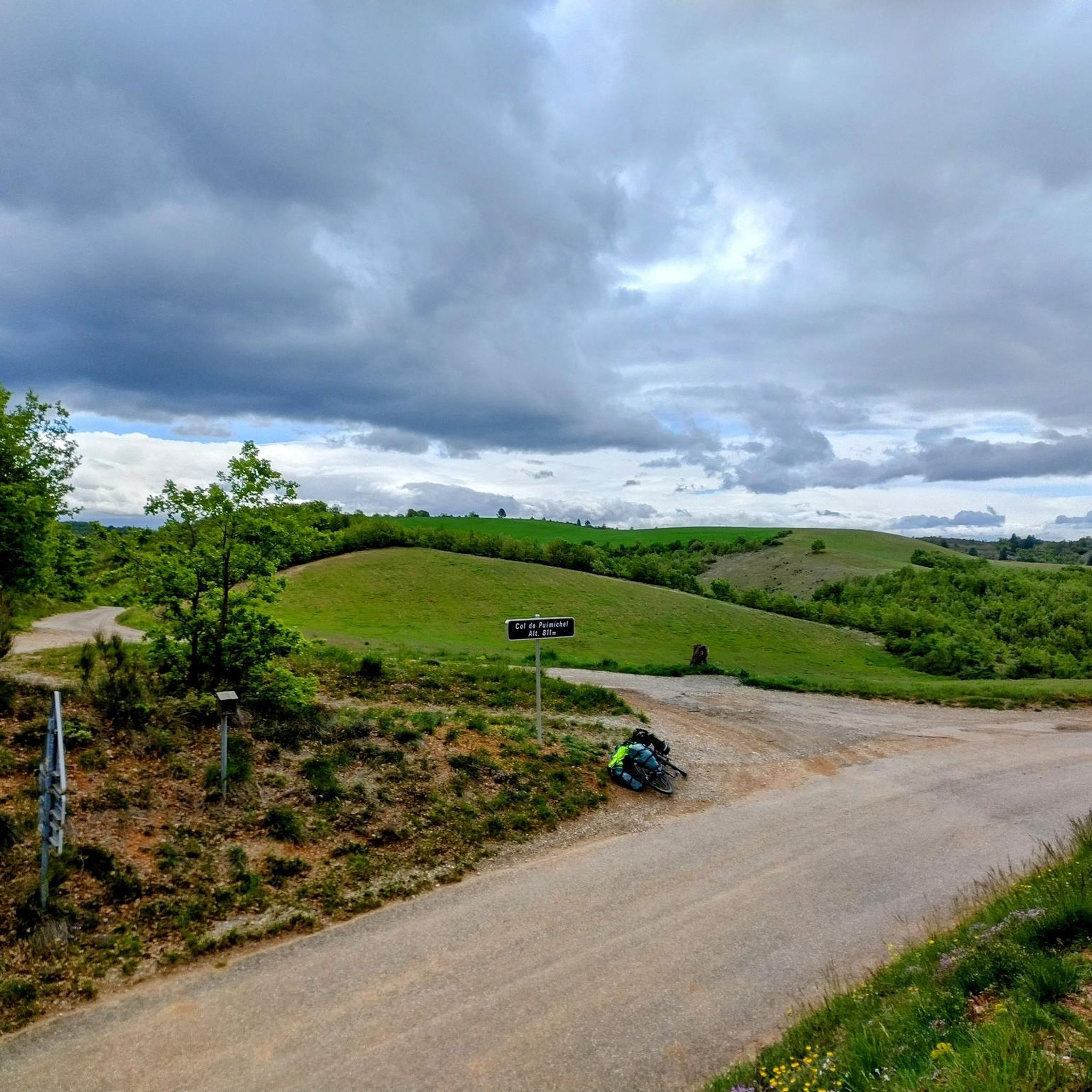
- The most popular mountain passes is Col de Puimichel, an intermediate mountain pass with a viewpoint. This pass offers very nice views and a quiet road with little traffic.
- Another must-see spot is Col d'Espinouse (838 m), an intermediate mountain pass with a viewpoint and climb. It is a rather low pass but provides a nice excursion, with varying inclines and sharp curves on its descent.
- Visitors also love Col de Pierre Basse, an intermediate mountain pass with a viewpoint. This pass is 1,065 meters above sea level and is located on the way to Corobin Pass.
- Le Chaffaut-Saint-Jurson is known for intermediate climbs, scenic viewpoints, and historic routes. The area offers a variety of mountain passes to see and explore, from lower altitude passes to those with significant climbs.
- The mountain passes around Le Chaffaut-Saint-Jurson are appreciated by the komoot community, with 23 upvotes and 7 photos shared across the highlights.
Last updated: July 10, 2026
Col d'Espinouse (838 m)
Highlight • Mountain Pass
Tip by

Col du Pas de Bonnet (886 m)
Highlight • Mountain Pass
The first part, up to the village of Champtercier, is the most complicated even if the slope does not exceed an average of 5.5%. You will still be entitled to a small section of 100 meters just before Champtercier at almost 10%, which is an injection. The second part is simpler and more regular, the slope barely exceeding 6%.
Translated by Google •
Tip by

Sign up now to discover places like this
Get recommendations on the best single tracks, peaks, & plenty of other exciting outdoor places.
Sign up for free
Corobin Pass
Highlight • Mountain Pass
Arriving at this pass, take the time to breathe, a flat area then a slight descent over three kilometers towards the hamlet of La Clappe will help you. Then, return to the attack for 1.4 kilometers at an 8% average, taking the eight bends which will allow you to cross the summit of the Col du Corobin.
Translated by Google •
Tip by
Col de Pierre Basse
Highlight • Mountain Pass
From Digne-les-Bains, the 7.6 kilometer climb includes portions between 5 and 9.5%, enough to tickle your legs.
Translated by Google •
Tip by

L'Orme Pass
Highlight • Mountain Pass
Translated by Google •
Tip by
Sign up for free to discover even more mountain passes around Le Chaffaut-Saint-Jurson.
Sign up for free
Already have an account?
Start today with a free account
Your next adventure awaits.
Login or Signup
Popular around Le Chaffaut-Saint-Jurson

Tips from the Community

climb suitable for everyone, with very gentle and regular slopes
0
0

The southern slope, from Chaudon-Norante, is advertised at an average gradient of 6.6% for a length of about 8km. But the road has 4 or 5 flat sections over 150 or 200m, which means that in reality we are very often on slopes between 8 and 10%. This pass nevertheless remains accessible to any moderately trained cyclist and, the icing on the cake, it is reserved for cyclists at certain times during the summer. The view at the summit is magnificent.
0
0


The Col d'Espinouse peaks at 838m and has two very different sides. From Bras d'Asse, more than 10 km of climbing awaits you and be careful not to be fooled by its low average percentage because this pass has many passages at more than 7%, especially towards the end with the last 700 meters at 8% and above all this slope is very exposed to the wind which often blows very strongly. On the other side from the Chaffaut road the climb is around 3-4 km shorter, is not exposed to the wind but has a steep and regular gradient (6-7% on average and passages at 11%).
2
0

This pass is 1,065 meters above sea level, on the way to Corobin Pass. From Digne-les-Bains, the 7.6 kilometer climb includes portions between 5 and 9.5%, enough to tickle your legs.
1
0

A pass located at an altitude of 1065m near the Col du Corobin in the direction of Digne-les-Bains.
1
0
The Col de Corobin from Chaudon-Norante is a climb in the Alpes de Haute Provence region. It has a length of 7.7 kilometers and an ascent of 535 vertical meters with an average gradient of 7%, which implies a difficulty level of 413. The top of the ascent is located at 1,220 meters above sea level. On the other hand, from Digne-les-Bains via Col de Pierre Basse, it is 14.6 kilometers long and climbs 650 vertical meters with an average gradient of 4.4%, which implies a difficulty level of 448.
2
0
The Col de l'Orme peaks at 734m. This pass is really simple, especially from the baths despite its 9km climb. To put it simply, this pass has an average of not even 3%. The big downside is that it's a road pass located on the RN 85 and it's very busy so don't linger too long at the top, there's not much to see...
2
1
Frequently Asked Questions
What are some of the most scenic mountain passes near Le Chaffaut-Saint-Jurson?
While Le Chaffaut-Saint-Jurson itself is a gateway, the wider Southern French Alps offer spectacular passes. The Col de Puimichel is known for very nice views and quiet roads. For grander vistas, consider the Col d'Espinouse (838 m), which offers a pleasant excursion with varying inclines. Further afield, the Col de la Cayolle and Col de la Bonette provide breathtaking panoramic views of the Southern Alps.
Are there mountain passes suitable for beginners or those looking for easier routes?
Yes, several passes around Le Chaffaut-Saint-Jurson are considered intermediate and offer accessible experiences. The Col de Puimichel, for instance, has an average gradient of 3.2% from Le Castellet, making it a good option. The Col d'Espinouse (838 m) is also a relatively low pass that provides a nice excursion.
What kind of outdoor activities can I do around the mountain passes near Le Chaffaut-Saint-Jurson?
The region is excellent for various outdoor activities. You can find numerous opportunities for cycling, mountain biking, and hiking. For specific routes, explore our guides on Gravel biking around Le Chaffaut-Saint-Jurson, Road Cycling Routes around Le Chaffaut-Saint-Jurson, and MTB Trails around Le Chaffaut-Saint-Jurson.
When is the best time to visit the mountain passes in this region?
The best time to visit is generally from late spring to early autumn (May to October). Higher passes like the Col de l'Izoard are typically open from late May after the snow melts. During these months, the weather is more favorable for cycling, hiking, and enjoying the panoramic views.
Are there any historically significant mountain passes nearby?
Yes, the region boasts passes with rich history. The Col de la Bonette, for example, holds historical significance with fortifications that once marked the border between France and Italy. The Col de Larche (Colle della Maddalena) has also been a crucial passage for trade and military movements for centuries.
What are some of the highest mountain passes accessible from Le Chaffaut-Saint-Jurson?
For exceptionally high altitudes, the Col de la Bonette reaches 2,715 meters, with a detour to the Cime de la Bonette bringing it to 2,860 meters. The Col de la Cayolle stands at 2,326 meters, and the Col de l'Izoard is at 2,361 meters, offering unparalleled views of the Southern Alps.
What unique natural features can I expect to see on these mountain passes?
Many passes offer stunning natural beauty. The Col de l'Izoard is famous for its dramatic landscapes, particularly the 'Casse Déserte,' a unique, almost lunar environment. Other passes provide extensive panoramas of Alpine peaks and tranquil, less-trafficked roads through diverse terrain.
What do visitors enjoy most about the mountain passes around Le Chaffaut-Saint-Jurson?
Visitors appreciate the variety of experiences, from intermediate climbs to scenic viewpoints and historic routes. The Col de Puimichel is noted for its very nice views and quiet roads, while the Col d'Espinouse (838 m) is enjoyed for its varying inclines and sharp curves on descent, making for an engaging excursion.
Can I find mountain passes that are part of longer, famous cycling routes?
Absolutely. The Col de la Cayolle is a key part of the famous 'Three Passes' circuit, which also includes Col des Champs and Col d'Allos, making it a favorite for cyclists undertaking multi-day tours. The Col de la Cayolle is also part of the renowned Route des Grandes Alpes.
Are there any passes with challenging climbs for experienced cyclists?
Yes, several passes offer significant challenges. The Corobin Pass, for instance, features a 3.3-kilometer section at almost 9% average gradient, with eight bends near the summit. The Col d'Espinouse (838 m) also has passages at over 7%, especially towards the end when climbing from Bras d'Asse.
Are there any passes that offer a quieter, less crowded experience?
The Col de Puimichel is specifically highlighted for its quiet road with little traffic, allowing for a more tranquil experience. The Col de la Cayolle is also known as a less-trafficked yet remarkably scenic pass, offering a blend of excitement and tranquility.
What are the elevation details for some of the local passes?
The Col de Pierre Basse is at 1,065 meters above sea level. The Corobin Pass peaks at 1,211 meters. The Col du Pas de Bonnet (886 m) culminates at 886 meters, with a climb from Digne-les-Bains covering 332 vertical meters.
Most popular routes around Le Chaffaut-Saint-Jurson
Most popular attractions around Le Chaffaut-Saint-Jurson

Get inspired with the komoot mobile app


Explore more
See even more epic mountain passes by checking out these guides around Le Chaffaut-Saint-Jurson:
