Top 8 Mountain Passes around Saint-Benoît
Best mountain passes around Saint-Benoît are located on Réunion Island, a French overseas department in the Indian Ocean. This region features dramatic volcanic landscapes and diverse terrain, offering various routes for exploration. The area is characterized by its mountainous interior, providing numerous opportunities to experience elevated views and challenging ascents.
Best mountain passes around Saint-Benoît
- The most popular mountain passes is Saint Barnabé Pass, a mountain pass that offers a super climb. It provides magnificent views of the Chaudane…
Last updated: June 26, 2026
Col de Toutes Aures (1,124 m)
Highlight • Mountain Pass
Translated by Google •
Tip by

Col du Buis
Highlight • Mountain Pass
Translated by Google •
Tip by

Sign up now to discover places like this
Get recommendations on the best single tracks, peaks, & plenty of other exciting outdoor places.
Sign up for free
Col de Félines (930 m)
Highlight • Mountain Pass
Translated by Google •
Tip by

Saint Barnabé Pass
Highlight • Mountain Pass
Translated by Google •
Tip by

Climb to Col de Saint-Leger
Highlight • Climb
Lots of gravel on the descent.
On the other hand, the last 1.5 km (before the bridge) are impassable by road bike!
Translated by Google •
Tip by

Sign up for free to discover even more mountain passes around Saint-Benoît.
Sign up for free
Already have an account?
Start today with a free account
Your next adventure awaits.
Login or Signup
Tips from the Community

A very easy climb to pedal.
16
1

The Col de la Croix de Toutes Aures, often referred to as the Col de Toutes Aures, is a road pass on the Chambaran plateau on departmental road 518, located in the Isère department at 628 m altitude. Its name means "passage of all horizons" or "all winds" because its dominant position on the Chambaran plateau subjects it to numerous and changing wind currents, coming from all sides. In France, there are two other steps "de Tous Aures". The first is in the Alpes de Haute Provence and connects the Var valley with Lake Costillon. A second is located in Isère, in the foothills of the Vercors and connects Choranche with Presles. This pass is the meeting place for cyclists and hikers with the start of the Brion walk. (see the new Bièvre-Valloire map-guide)
1
0

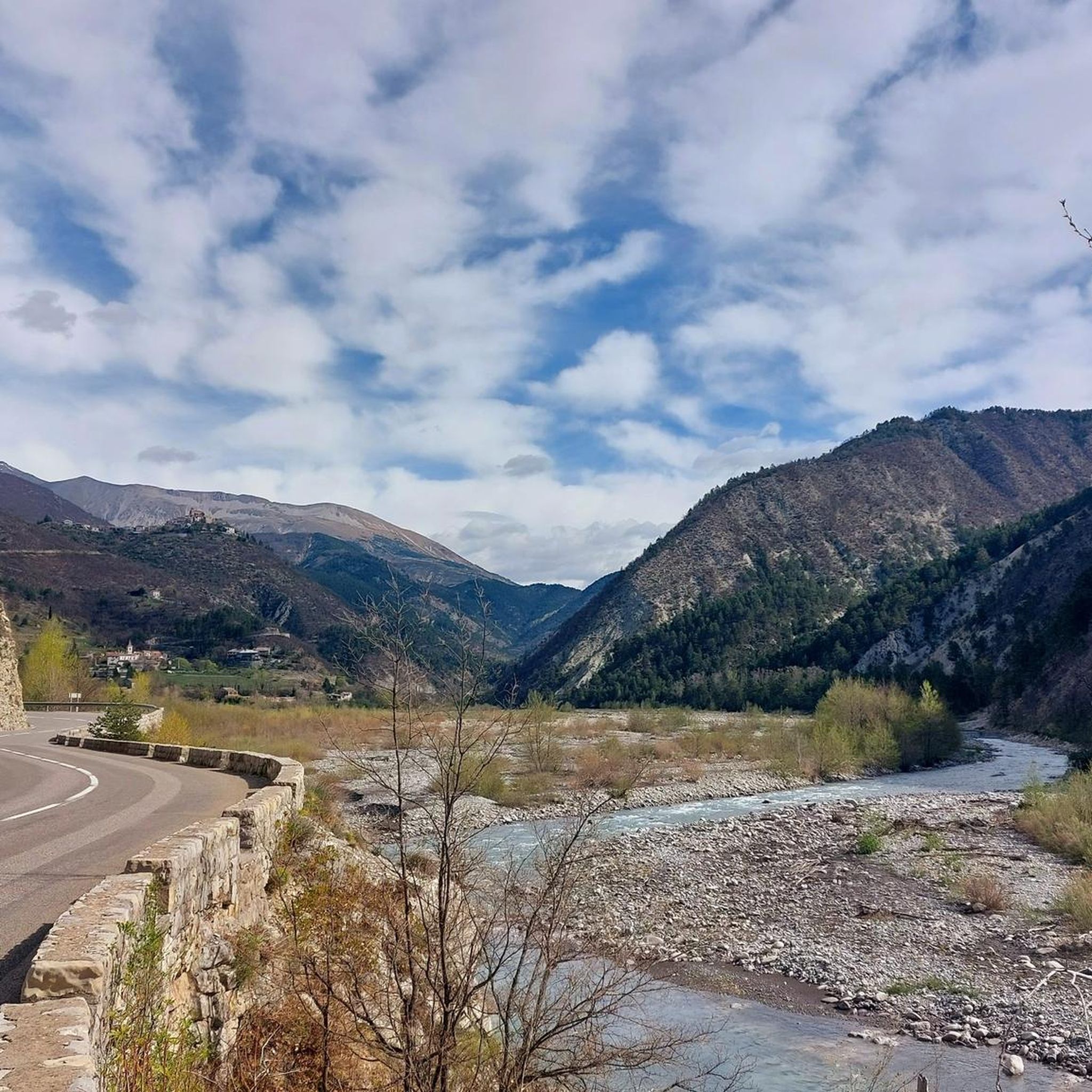
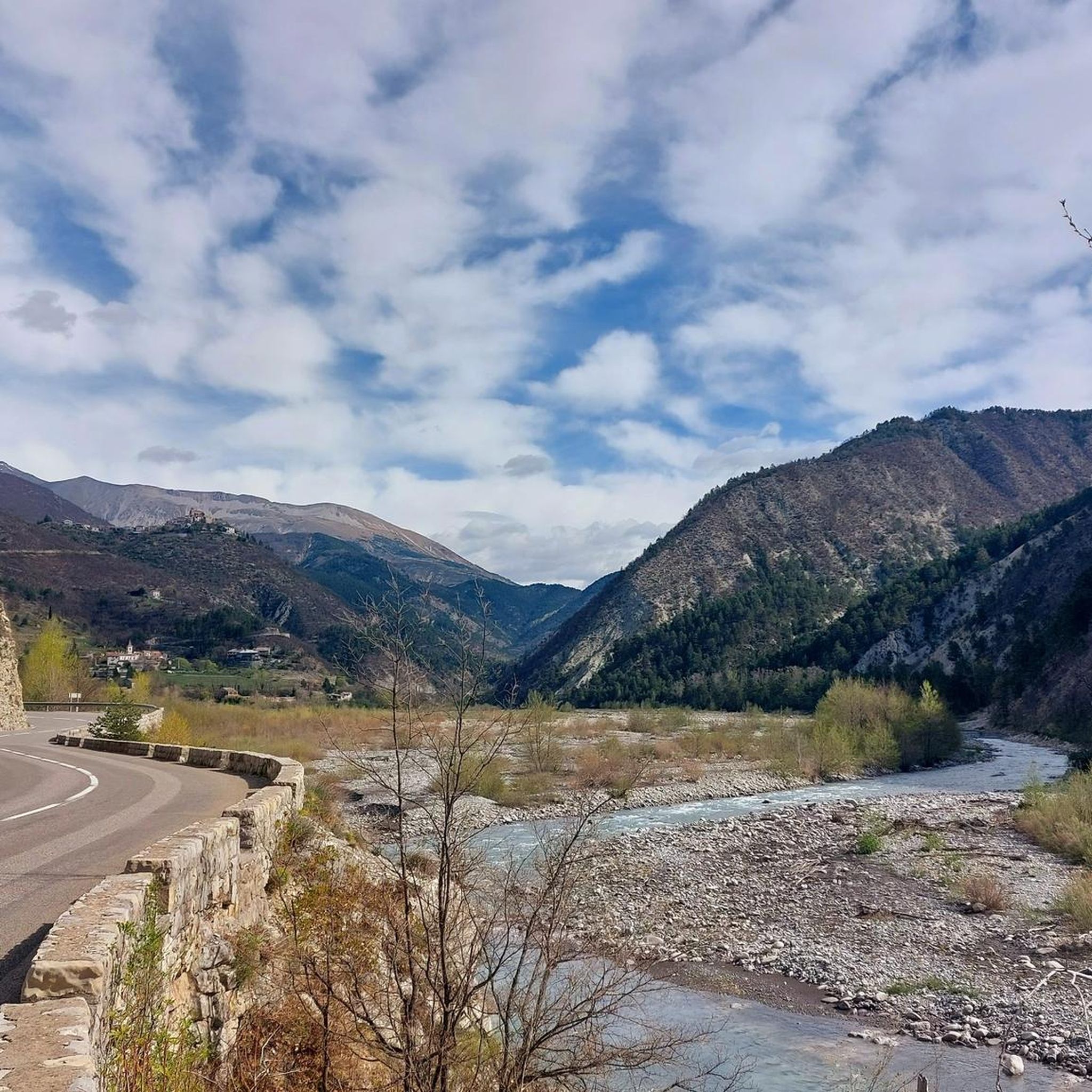
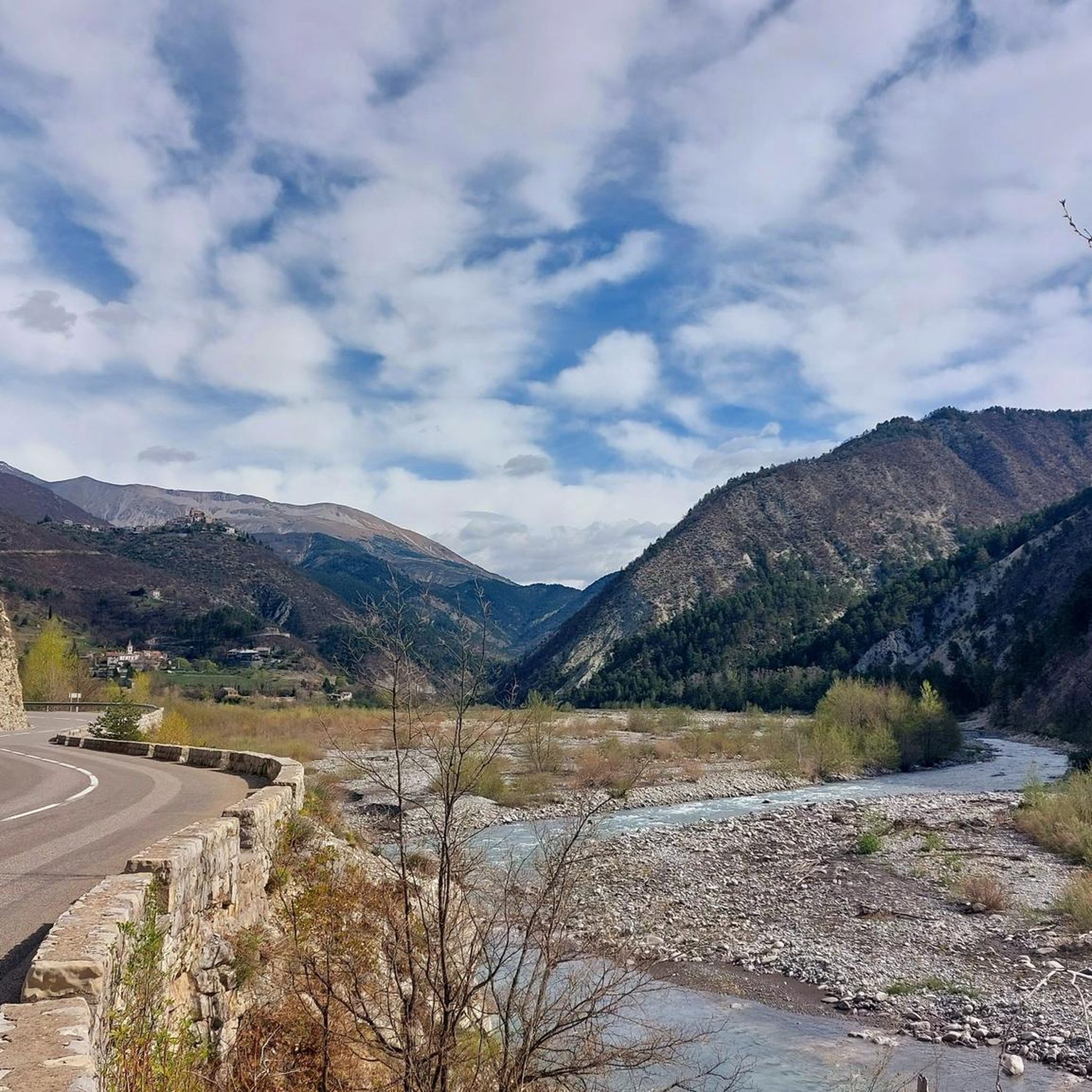
The Col du Buis, culminating at 1196 m, was a mule pass which was paved in the early 2000s and it must be believed that the DDE services did not look for an alternative to soften the slope, especially on the North side. from the hamlets of la Serre and les Venières. Because the pass simply displays an average of 10.6% over almost 4km, with ramps climbing to 17-18%! As much to say to you that you will pass the 4kms which will appear among the longest of your life... It is a really hard climb, which offers little respite. It is difficult to appreciate the landscape of this small wild pass. This is probably the reason why everyone only takes the picture once they have reached the top...
0
0
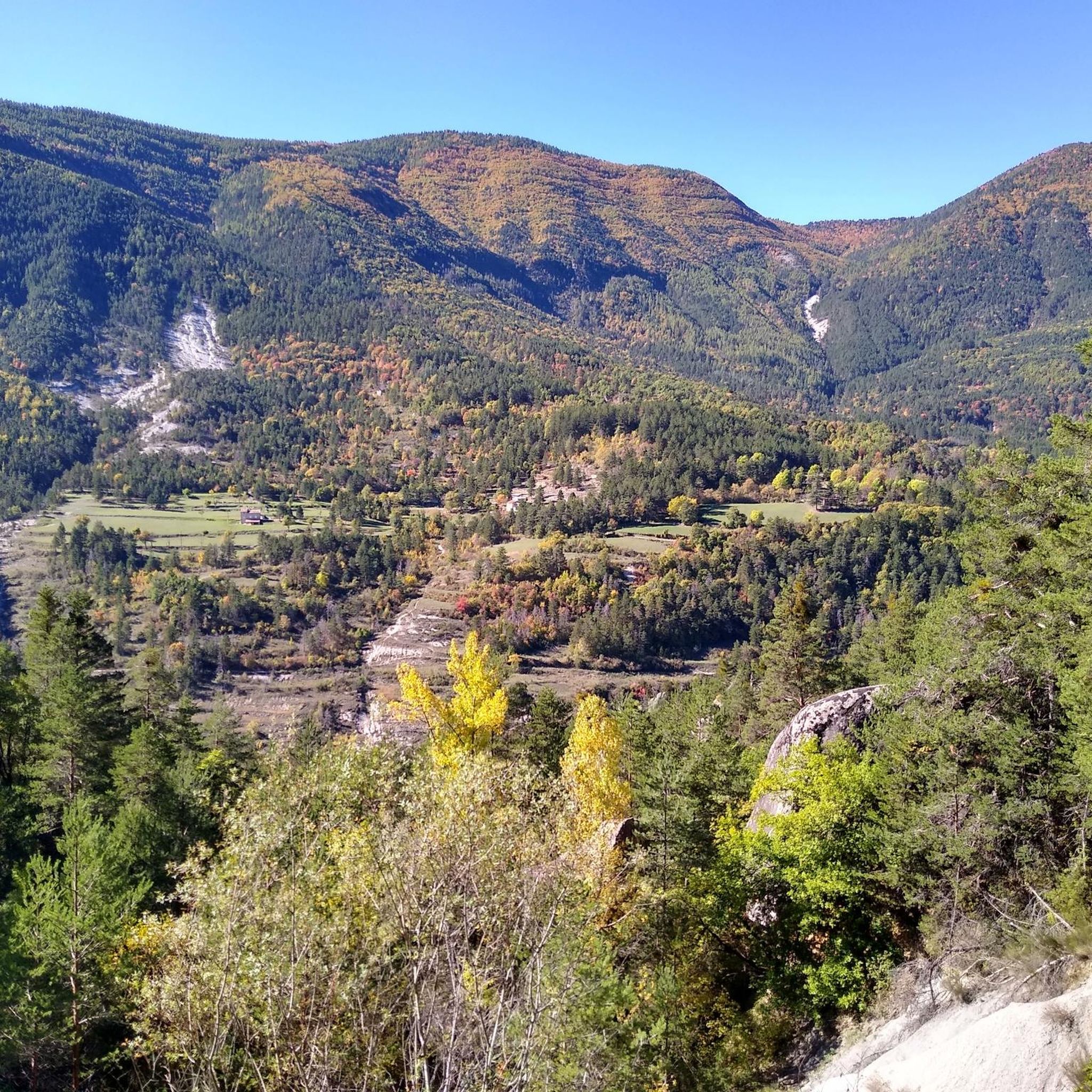
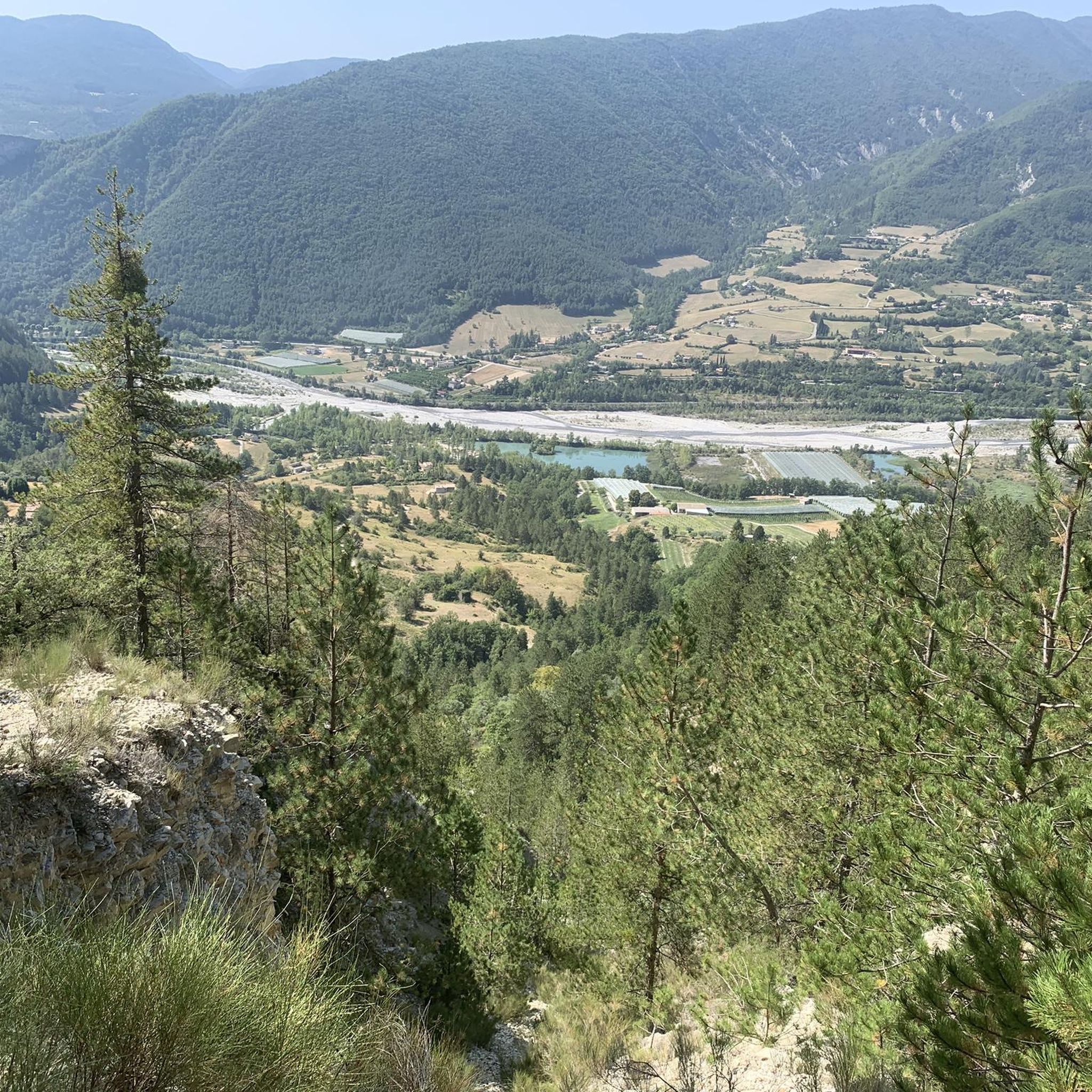
Nice pass of the pre-Alps to do from Entrevaux. The beginning is steep but offers a very beautiful view of the citadel of Entrevaux. the second part is easier and allows you to climb a regular slope in the heart of the Mediterranean landscapes, then a pine forest.
1
0

The Col de Félines from Entrevaux is about 7.5 kilometers long with a positive elevation of 445 meters. The average gradient of the climb is 6% with maximum ramps of 12% at the start of the climb (don't worry, it gets easier!).
2
0

Very nice climb. Lots of gravel on the descent. On the other hand, the last 1.5 km (before the bridge) are impassable by road bike!
2
0

Beautiful view and several hiking trails with hiking signs
0
0

Super climb, not too steep, with magnificent views of the Chaudane and Castillon lakes.
1
0
Frequently Asked Questions
What are some of the most popular mountain passes around Saint-Benoît for scenic views?
Visitors frequently enjoy the Saint Barnabé Pass, known for its magnificent views of the Chaudane and Castillon lakes. Another favorite is Col de Félines (930 m), which offers beautiful vistas of the citadel of Entrevaux and passes through Mediterranean landscapes. The Col de Toutes Aures (1,124 m) is also appreciated for its panoramic position on the Chambaran plateau.
Are there any challenging mountain passes for experienced cyclists or hikers near Saint-Benoît?
Yes, for those seeking a challenge, the Col du Buis presents a demanding climb with an average gradient of 10.6% over almost 4km, including ramps up to 17-18%. The Climb to Col de Saint-Leger is another challenging ascent, though hikers should be aware that the descent can have gravel and narrow sections.
What unique natural features can I expect to see when exploring the mountain passes in this region?
The region is characterized by dramatic volcanic landscapes, as Réunion Island is a volcanic island. You'll encounter diverse terrain, from Mediterranean landscapes and pine forests near Col de Félines to the remote and spectacular cirques like Mafate and Salazie, accessible from passes like Col des Bœufs. The higher altitudes offer expansive views of these unique geological formations.
What outdoor activities can I do near the mountain passes around Saint-Benoît?
The area around Saint-Benoît offers a variety of outdoor activities. You can find numerous running trails, such as the 'King's Chamber – View of the Valley loop from Annot', which can be explored further in the Running Trails around Saint-Benoît guide. For mountain biking enthusiasts, routes like the 'Grès d'Annot and Méailles Double Loop' are available, detailed in the MTB Trails around Saint-Benoît guide. Road cyclists can enjoy routes like the 'Col des Champs - Mercantour National Park', found in the Road Cycling Routes around Saint-Benoît guide.
Are there any mountain passes that serve as gateways to major hiking areas?
Yes, the Col des Bœufs is a significant gateway to the Mafate cirque, one of Réunion's three magnificent cirques and a UNESCO World Heritage site. From here, hikers can embark on treks to remote villages like Marla and La Nouvelle, as Mafate is only accessible by foot or helicopter.
What is the best time to visit the mountain passes around Saint-Benoît for clear views?
For passes like Col des Bœufs, early morning visits are highly recommended. This is when you are most likely to experience clear skies and breathtaking vistas before clouds typically roll in later in the day, potentially obscuring the panoramic views of the cirques.
Are there any high-altitude road passes suitable for scenic drives or cycling?
The Col de Bellevue, situated on the RN3 road, is one of the highest road passes on Réunion Island, reaching an altitude of 1,606 meters. It offers a challenging and scenic route for cyclists and drivers, providing elevated views as it winds through the island's interior. The climb spans approximately 6.1 kilometers with an average gradient of 6.3%.
Is there parking available at the trailheads for mountain passes?
For multi-day hikes into areas like the Mafate cirque, supervised parking is available at Col des Bœufs, making it convenient for visitors planning extended treks.
What is the highest point accessible for panoramic views in the region?
While not a pass itself, Grand Bénare is the third highest peak on Réunion Island, reaching 2,898 meters (9,508 feet). It offers unparalleled panoramic views of the surrounding cirques, particularly Mafate and Cilaos, on clear days. It's a popular destination for experienced hikers.
What historical significance do some of the mountain features hold in the Saint-Benoît area?
Grand Bénare, the third highest peak, has historical significance tied to the maroon (escaped slave) communities of the 17th and 18th centuries. Its name is believed to come from the Malagasy word 'Benara,' meaning 'where it is very cold,' reflecting its high-altitude environment.
What do visitors appreciate most about the mountain passes in Saint-Benoît?
Visitors frequently highlight the super climbs and magnificent views offered by passes like Saint Barnabé. The challenging yet rewarding ascents, combined with the stunning natural scenery of volcanic landscapes, cirques, and forests, are highly valued by the komoot community.
Most popular attractions around Saint-Benoît

Get inspired with the komoot mobile app


Explore more
See even more epic mountain passes by checking out these guides around Saint-Benoît:
