The best MTB trails around Lastours
4.3
(81)
1,065
riders
96
rides
Mountain biking around Lastours features mountainous terrain on the southern flank of the Black Mountain, characterized by deep valleys carved by the Orbiel and Grésilhou rivers. The landscape includes rocky spurs, ancient mining sites, and a mix of hard gneiss and softer schist rock formations. Forests of chestnut, pine, larch, spruce, and Douglas fir cover the slopes, providing varied riding environments.
Best mountain bike trails around Lastours
- The most popular mountain bike trail is Pic de Nore Summit – Roman…
Last updated: June 20, 2026
4.0
(4)
225
riders
66.1km
07:07
1,690m
1,690m
Hard mountain bike ride. Very good fitness required. Advanced riding skills necessary. Some portions of the route may require you to push your bike.
4.8
(13)
62
riders
38.3km
03:41
730m
730m
Moderate mountain bike ride. Good fitness required. Advanced riding skills necessary.

Sign up for free
4.8
(6)
13
riders
22.2km
01:49
280m
280m
Easy mountain bike ride. Great for any fitness level. Suitable for all skill levels.
4.0
(3)
14
riders
36.6km
03:11
550m
550m
Moderate mountain bike ride. Good fitness required. Advanced riding skills necessary.
5.0
(1)
19
riders
20.6km
01:54
300m
300m
Moderate mountain bike ride. Good fitness required. Advanced riding skills necessary.
Get access to more routes and recommendations from other explorers.
Sign up for free
Already have an account?
Our route recommendations are based on thousands of hikes, rides, and runs completed by other people on komoot.
Start today with a free account
Your next adventure awaits.
Login or Signup
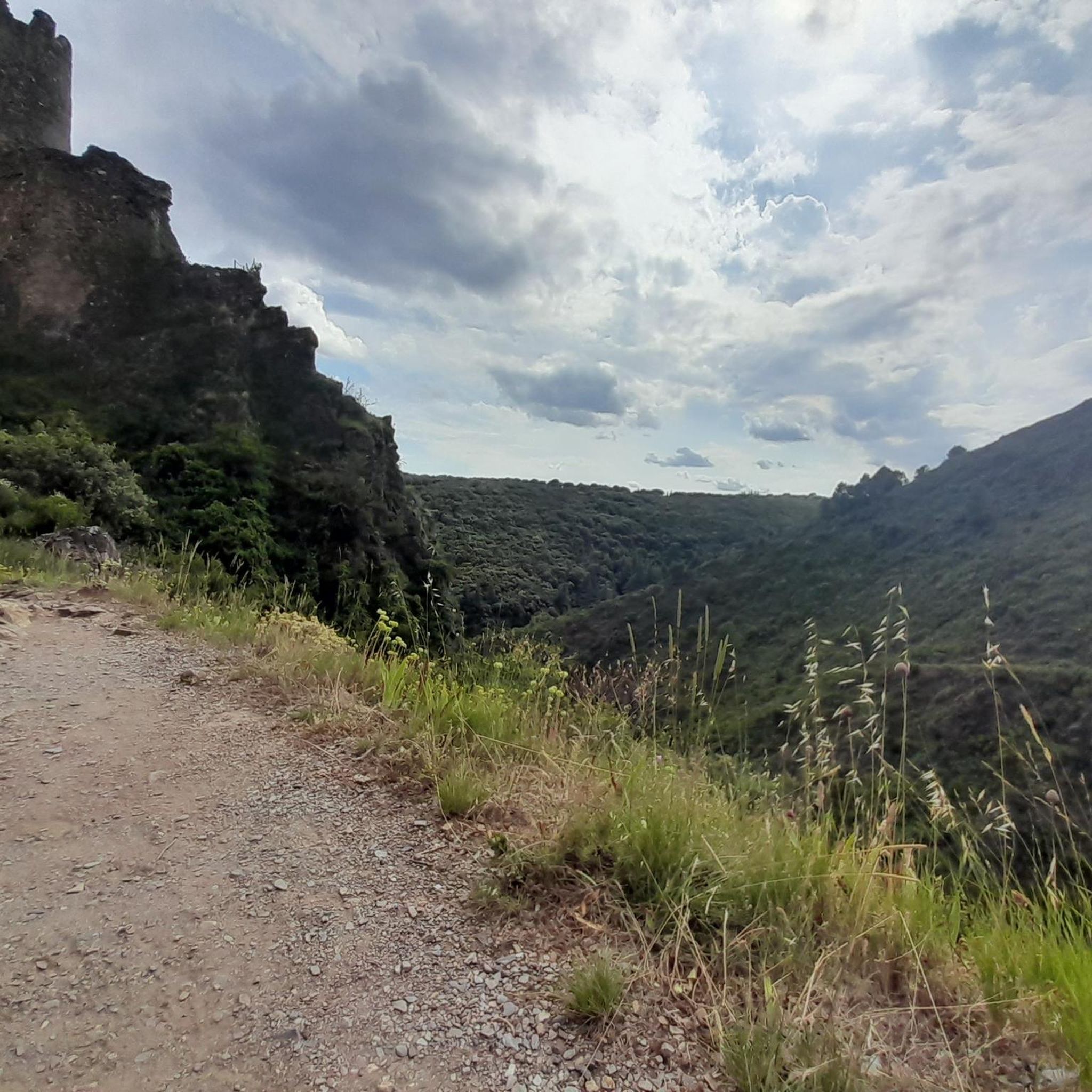
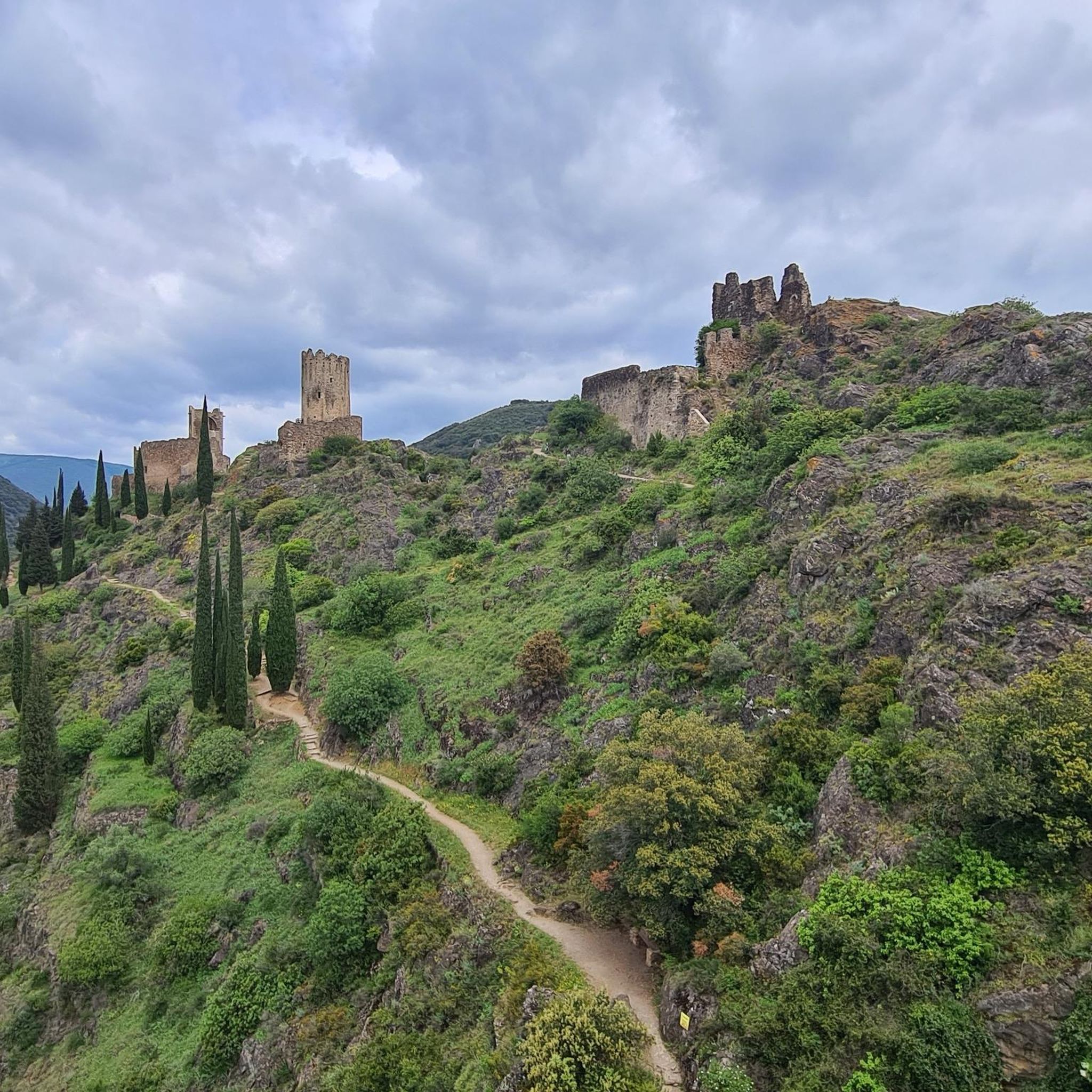
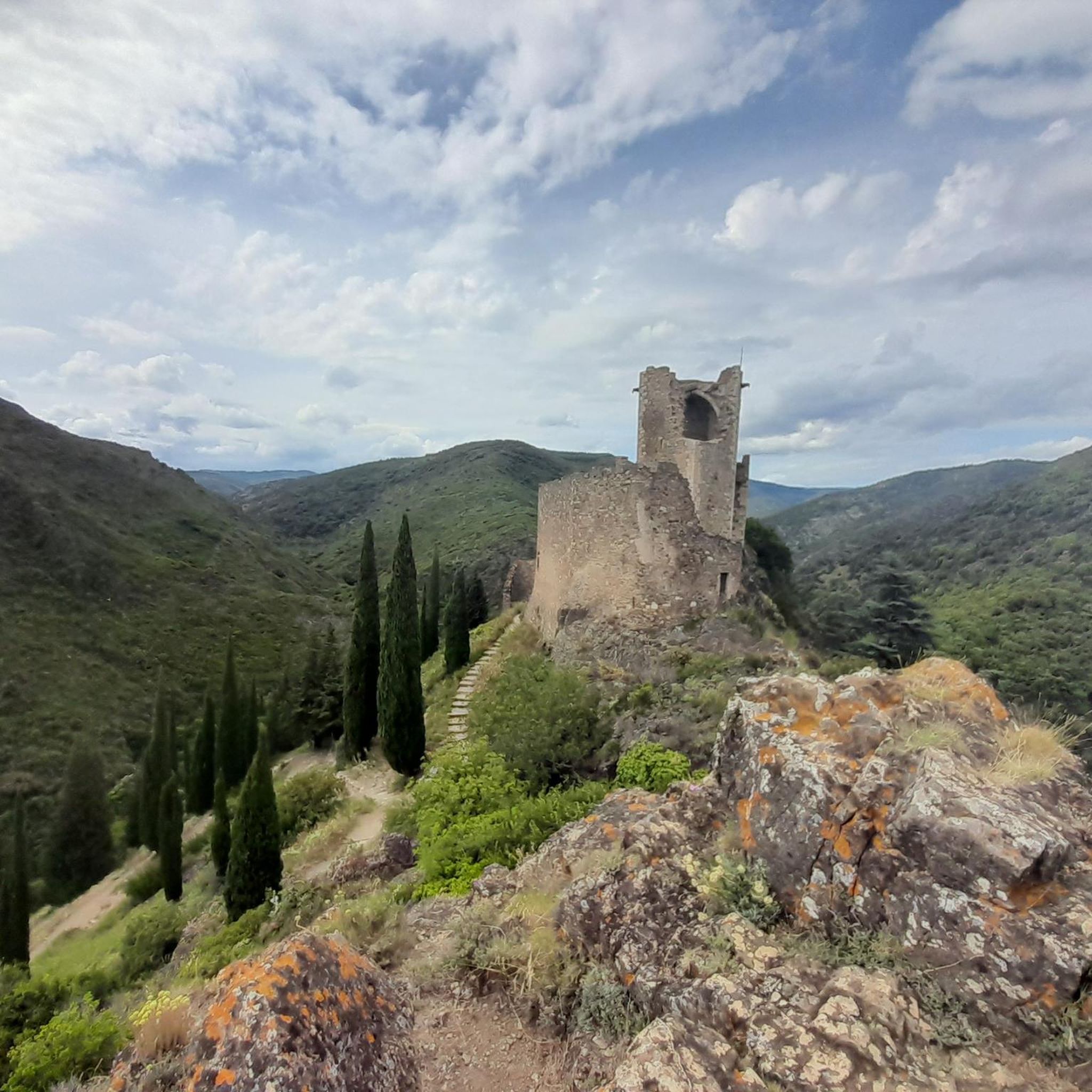

Tips from the Community

Narrow passage with worn ruts from cart wheels... (Roman?)
0
0

Very well preserved, encourages calm and reflection under beautiful trees
0
0

Covering an area of 40,000 square meters, Lake Pradelles-Cabardès offers a pleasant waterfront walk. Dug in 1972, Lake Birotos is an artificial lake with peaceful water. In summer, swimming is permitted and supervised by a lifeguard from July 1 to August 31. For the more adventurous, a mini-island in the middle of the lake is accessible by swimming.
0
0
A beautifully situated lake near Pradelles-Cabardès in the Montagne-noire, invites you to swim or just relax!
0
0
interesting and sporty discovery tour
0
0
The village of Pradelles-Cabardès, located at an altitude of 830 m at the foot of the Pic de Nore, took advantage of its climatic characteristics to develop a small industry in the mid-19th century based on ice production, for which demand was growing in the surrounding lowland regions. The first private icehouse for professional and commercial use was built and operated by Pierre Piquemol in 1849[2]. His son built five more in 1859. This activity gradually expanded in the commune and became a thriving business. The blocks of ice, loaded onto horse-drawn carts, were delivered to the lowland. The icehouses served the Carcassonne and Narbonne regions to the south, and the Mazamet and Castres regions to the north. Later, with the development of the railway, ice from Pradelles was delivered to various major cities in the south: Toulouse, Bordeaux, and Perpignan. But from the beginning of the 20th century with the appearance of artificial ice, the trade declined. The war of 14/18 which requisitioned men and horses dealt a fatal blow to this activity. After the armistice, only two icehouses continued their activity, that of Jean Pech which closed in 1925 and that of Jules Assémat which remained in operation until 1927. (Wikipedia)
0
0
The Pradelles-Cabardès icehouses[1] are old icehouses consisting of semi-buried pits built in the 19th century. They were used for the production and storage of blocks of ice for sale. (Wikipedia)
0
0

We like to compare, the Pic de Nore is a small Ventoux, its climbs from Mazamet or Villeneuve-Minervois are not as steep as that of the Ventoux from Bédoin but they still have to be earned. They are 17 and 22 km respectively, have an average gradient of 5.5% and 4.56%, with a maximum gradient of 11.8% and 10%. For my part, I chose to join Pradelles-Cabardès via the forests from Limousis, passing in particular the Soulanes de Nore, I was treated to some good slopes with a double-digit percentage ... Two legends would explain its name: in the first it is the fairy Nore who, annoyed by the damage caused to the crops by the Cers wind, would have planted her pike in the ground there, and as if by magic the rocks would have accumulated around to form the Pique de Nore. In the second, the wind of Cers is still blamed for its damage to human crops, not only there, and it is Nore, Bug and Arach who went to complain to Jupiter. Jupiter does not like to be disturbed, he transformed Nore into a mountain and Bug and Arach into the summit of Bugarach ...
3
0
Frequently Asked Questions
What kind of terrain can I expect on mountain bike trails around Lastours?
Mountain biking around Lastours features diverse terrain, primarily on the southern flank of the Montagne Noire. You'll encounter deep valleys carved by the Orbiel and Grésilhou rivers, rocky spurs, and ancient mining sites. The geology includes hard gneiss and softer schist rock formations. Expect extensive forests of chestnut, pine, larch, spruce, and Douglas fir covering the slopes, offering varied riding environments.
Are there mountain bike trails suitable for beginners in Lastours?
Yes, Lastours offers a range of trails for different skill levels, including easy options. For instance, the Barrière Dam – Visigoth Cemetery loop from Villegly is an easy 22 km route that takes about 1 hour 47 minutes to complete.
What are some challenging mountain bike routes in the Lastours area?
For experienced riders seeking a challenge, the Pic de Nore Summit – Roman road loop from Villegly is a difficult 64.2 km trail. It incorporates old Roman roads and ascends to the Pic de Nore summit, typically taking around 6 hours 56 minutes.
Can I find circular mountain bike routes in Lastours?
Yes, many mountain bike routes in Lastours are circular. Examples include the Singletracks of Villegly – Barrière Dam loop from Villegly, a moderate 37.8 km path, and the Visigoth necropolis – Barrière Dam loop from Conques-sur-Orbiel, a moderate 30.4 km trail.
Are there any natural attractions or waterfalls to see while mountain biking in Lastours?
Absolutely. The region is home to the impressive Cubserviès Waterfall, a multi-tiered waterfall with a total height of 90 meters. While not directly on every MTB trail, it's a significant natural attraction worth visiting in the area, with paths around the Rieutort stream offering beautiful views.
What historical sites or landmarks can I explore along the mountain bike trails?
The Lastours area is rich in history. You can encounter ancient routes like the Roman road, which is part of the challenging Pic de Nore Summit loop. Some routes also pass by historical sites such as the Visigoth necropolis, as seen on the Visigoth necropolis – Barrière Dam loop.
What do other mountain bikers say about the trails in Lastours?
The mountain bike trails around Lastours are highly regarded by the komoot community, with an average rating of 4.5 stars from over 100 reviews. More than 1,300 mountain bikers have used komoot to explore the varied terrain, often praising the diverse riding experiences offered by the mountainous landscape, deep river valleys, and extensive forests.
Are there any scenic viewpoints or castles accessible by mountain bike in Lastours?
While the Cathar castles of Lastours are typically accessed by hiking, many mountain bike routes offer superb panoramic views of the surrounding landscape, including distant glimpses of these historic structures. The View of the Châteaux de Lastours from the Village is a notable highlight in the area.
Are there any routes that combine mountain biking with other types of cycling?
Yes, the region offers varied cycling experiences. While primarily focused on mountain biking, the nearby Canal du Midi between Trèbes and Carcassonne provides a picturesque and more leisurely cycling experience, offering a peaceful contrast to the rugged MTB trails.
How many mountain bike trails are available in the Lastours region?
There are over 100 mountain bike trails available in the Lastours region, catering to various skill levels. This includes 16 easy routes, 57 moderate routes, and 28 difficult routes, ensuring options for every type of rider.
What is a good moderate-difficulty mountain bike trail in Lastours?
A popular moderate-difficulty trail is the Dry Stone Hut – Barrière Dam loop from Conques-sur-Orbiel. This route covers 36.6 km and typically takes around 3 hours 10 minutes, offering a balanced challenge for intermediate riders.
Most popular attractions around Lastours

Get inspired with the komoot mobile app


Explore more
Browse the best MTB trails in other regions.
