Top 15 Mountain Passes around Mont
Mountain passes around Mont offer routes through varied terrain, connecting valleys and providing access to elevated landscapes. These passes are characterized by their winding roads and changes in elevation. The region features passes that have served as historical routes for travel and trade. Natural features include mountain vistas and alpine environments.
Best mountain passes around Mont
- The most popular mountain passes is Peyresourde Pass, a mountain pass that marks the separation between the Hautes-Pyrénées and Haute-Garonne departments. It is…
Last updated: June 26, 2026
Peyresourde Pass
Highlight • Mountain Pass
Translated by Google •
Tip by

Col de Val Louron-Azet
Highlight • Mountain Pass
Translated by Google •
Tip by
Sign up now to discover places like this
Get recommendations on the best single tracks, peaks, & plenty of other exciting outdoor places.
Sign up for free
Port de Balès
Highlight • Mountain Pass
Translated by Google •
Tip by
Port de Pierrefite Cromlech
Highlight • Monument
Translated by Google •
Tip by

Ascent of the Col de Peyresourde from Arreau
Highlight (Segment) • Climb
Translated by Google •
Tip by

Sign up for free to discover even more mountain passes around Mont.
Sign up for free
Already have an account?
Start today with a free account
Your next adventure awaits.
Login or Signup

Tips from the Community

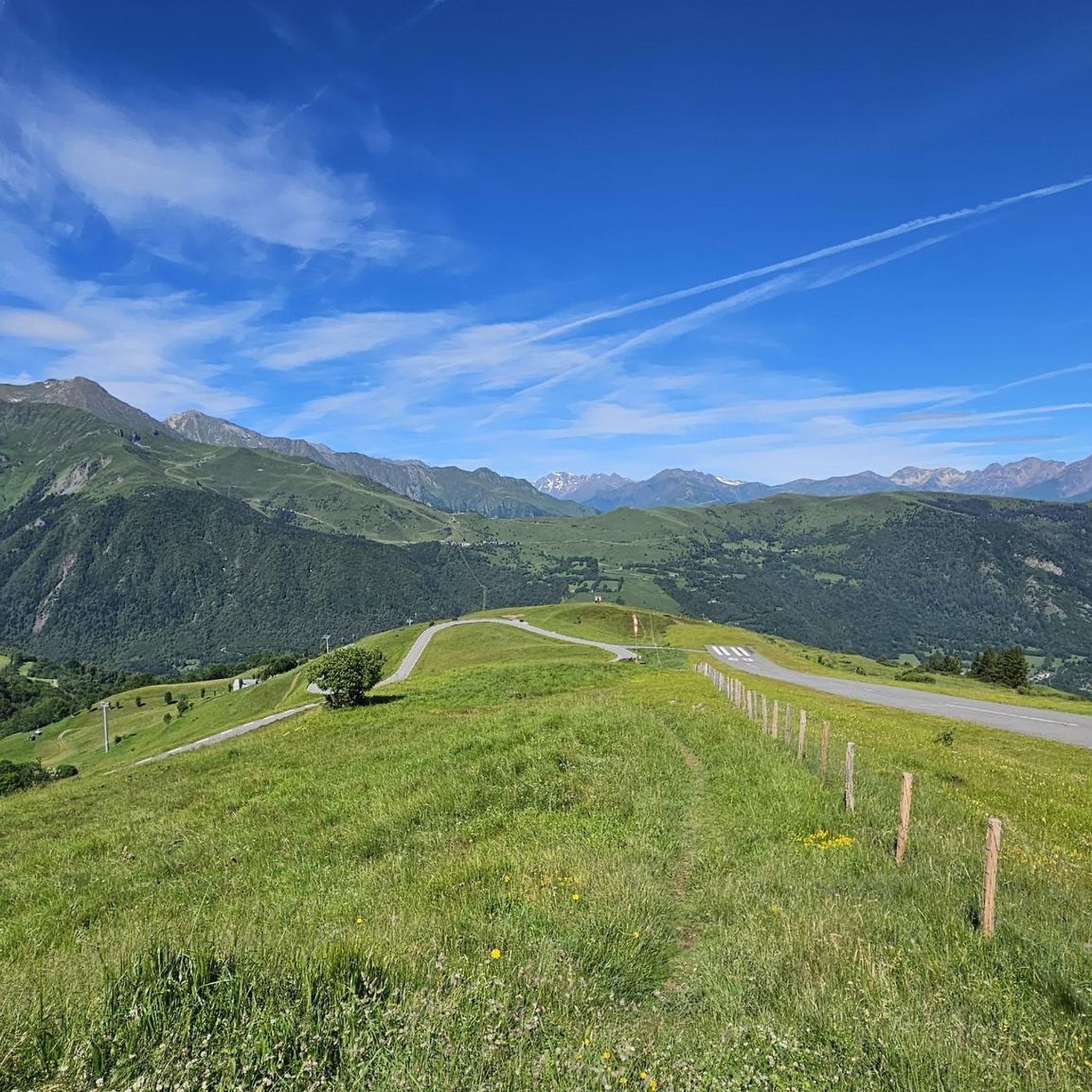
The summit rock and a seating area are located after the strenuous ascent. Here you have to decide which way you want to go next.
0
0

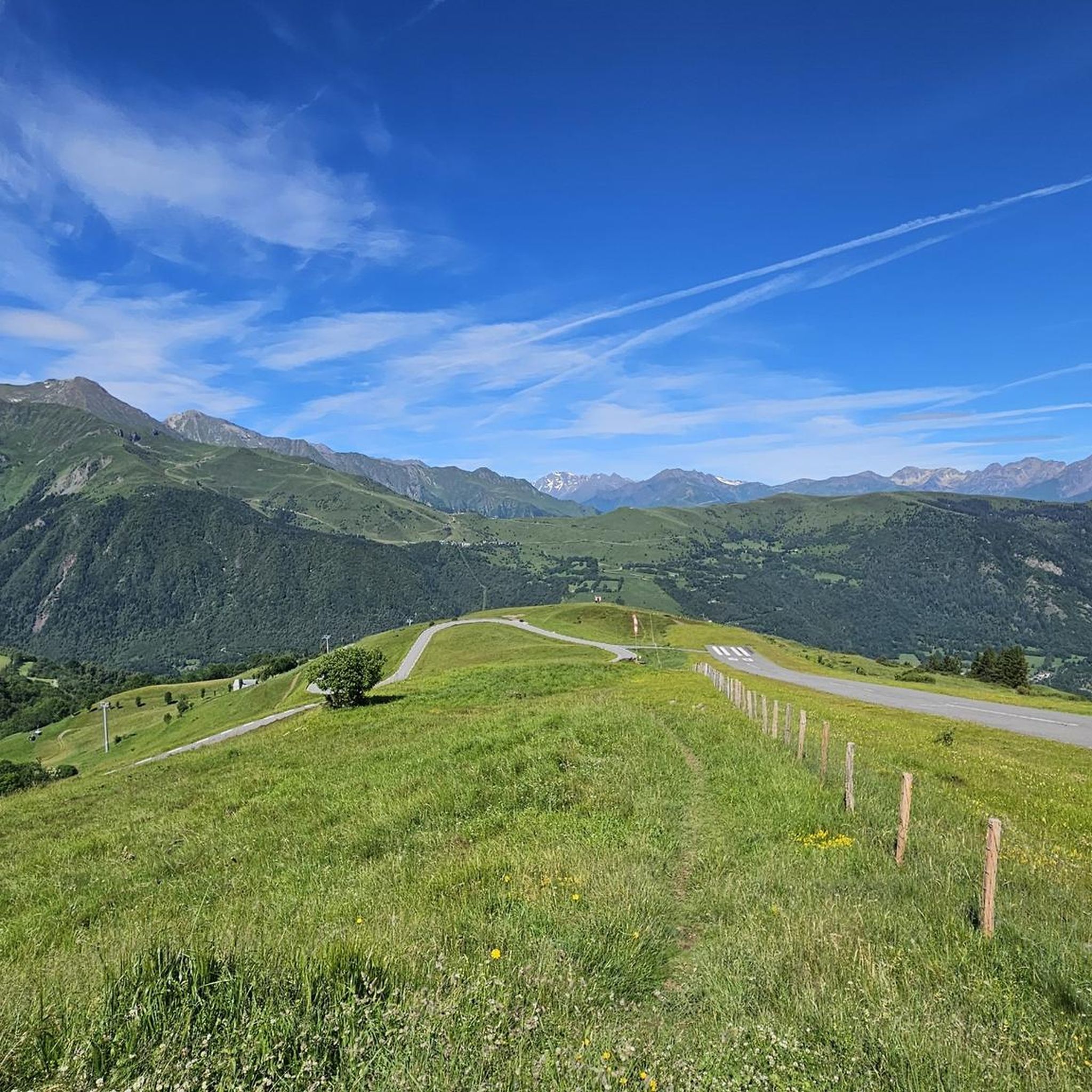
Quite accessible for a normal training level. The first section is more shaded, the second more open. Almost at the end, turn right to climb to the Peyragudes station. You can also do it at the summit with less gradient; it's a more accessible road in good condition.
0
0

Although the climb up the Col de Peyresourde from Arreau is 18 kilometers, the slope only really steepens after Avajan, from the eleventh kilometer. You'll therefore need to save your strength for the first part to be able to tackle this Pyrenean classic.
0
0

Passes reserved for cyclists 9-12 p.m. this Monday 07/15, happiness!
0
0

Beautiful asphalt road whether on the Ferrere side or the Luchon side. The climb on the Ferrere side is much more pleasant. I recommend this pass.
1
0

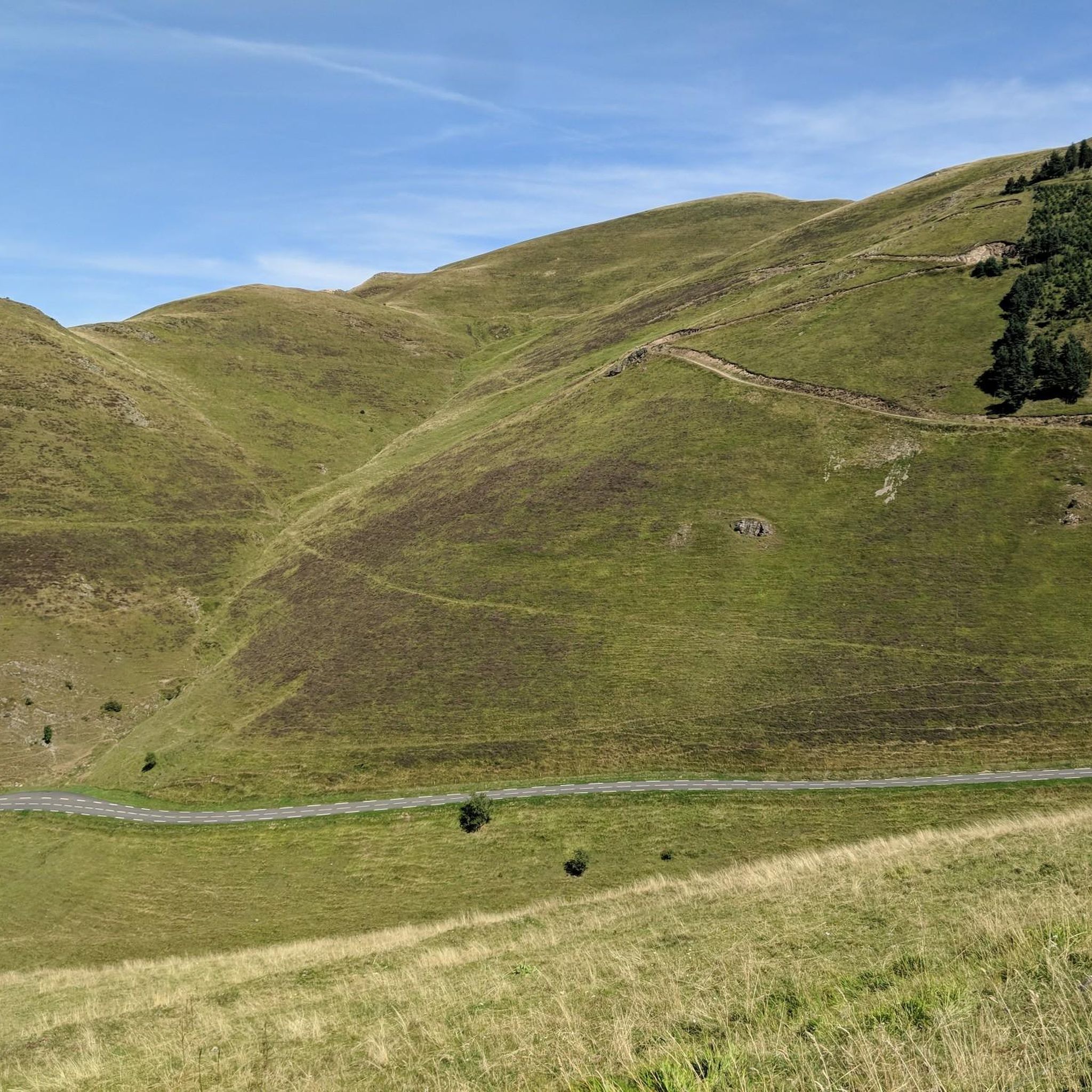
The Col d'Azet is a road mountain pass located at 1,585 meters above sea level. It allows you to go from the Aure valley to the Louron valley. It is one of the 34 passes connected by the famous pass road.
0
0

A nice reward awaits you with delicious pancakes...
1
0

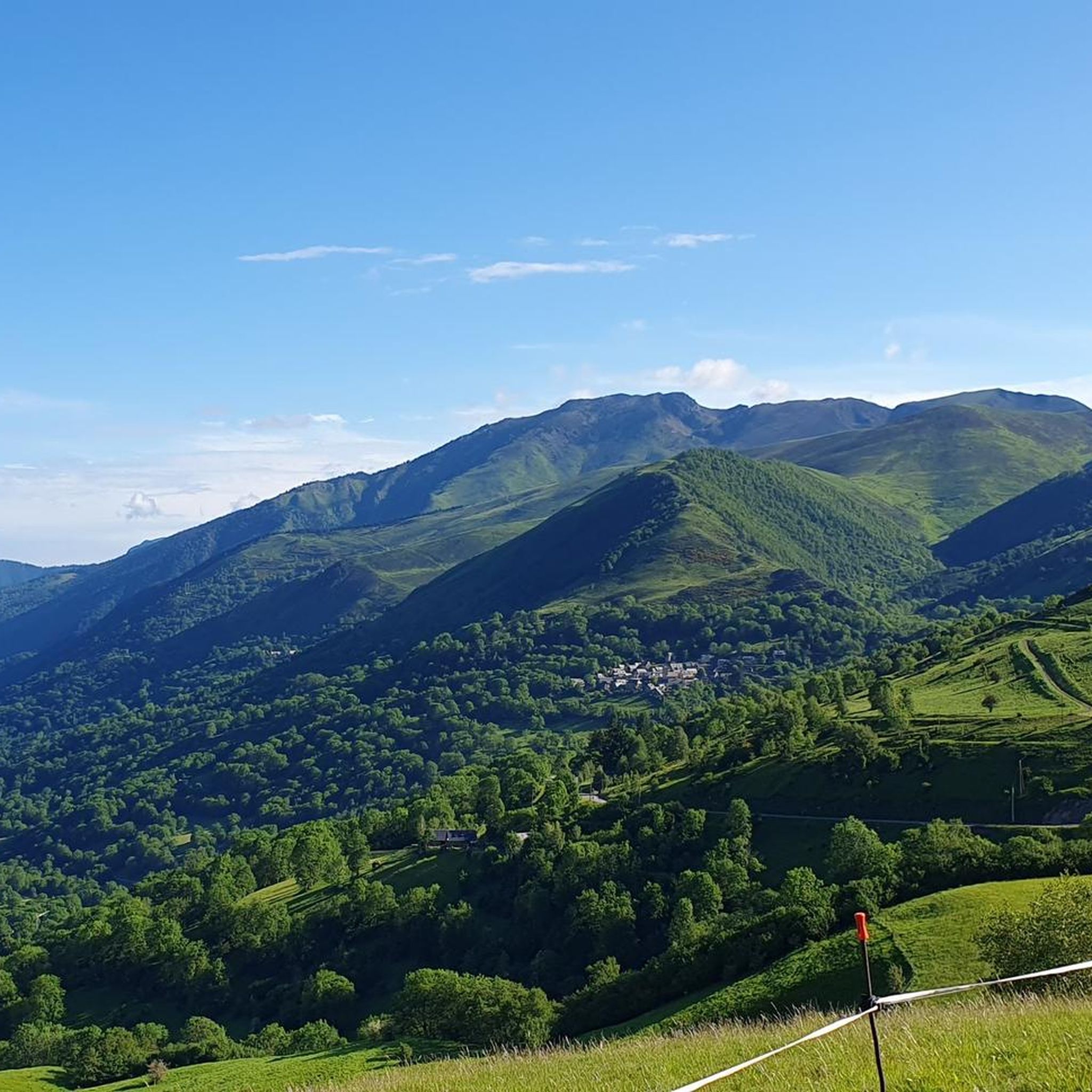
The port of Balès rises to an altitude of 1,755 meters. The climb from Mauléon-Barousse is 18.9 kilometers long with an average gradient of 6.3%, including some sections at over 14%.
1
0
Frequently Asked Questions
What are some of the most notable mountain passes in the Mont region?
The Mont region features several well-regarded mountain passes. Among them, Peyresourde Pass is a legendary route in the Pyrenees, known for its challenging climbs and scenic views. Another significant pass is Port de Balès, an intermediate pass offering spectacular views and a rewarding cycling experience. Also popular is Col de Val Louron-Azet, which connects the Louron and Aure valleys with challenging sections.
Are there family-friendly mountain passes or activities in the Mont region?
Yes, some mountain passes in the Mont region offer family-friendly options. For instance, Peyresourde Pass is noted as family-friendly, providing amenities like restaurants and cafes. While specific pram-friendly hikes aren't detailed for these passes, the presence of amenities suggests a more accessible experience for families.
What kind of natural features and viewpoints can I expect to see at these mountain passes?
The mountain passes around Mont offer stunning natural features and viewpoints. You can expect panoramic vistas of the Pyrenees mountains, alpine environments, and valleys. Passes like Port de Balès and Col de Val Louron-Azet are specifically highlighted for their viewpoints, providing opportunities to appreciate the surrounding landscapes.
Are there historical or cultural sites to explore near the mountain passes?
Yes, the Mont region has historical significance. The Port de Pierrefite Cromlech is a notable historical site, featuring megalithic structures arranged in a circular shape, dating back to 1200 to 600 BC. This offers a glimpse into ancient history and mysteries of the region.
What outdoor activities can I do near the mountain passes in Mont?
The Mont region offers a variety of outdoor activities near its mountain passes. You can find numerous running trails, including the Sentier des Mélèzes Loop (difficult, 13.7 km) and easier loops around Lake Génos. For gravel biking, options range from the Lake Génos – Panorama vers Loudervielle loop (difficult, 43 km) to shorter, easier routes. Road cyclists can tackle challenging ascents like the Little trip to the top of the Azet pass (difficult, 30 km) or longer loops. For more details on these activities and routes, visit the Running Trails around Mont, Gravel biking around Mont, and Road Cycling Routes around Mont guides.
What are the typical elevations and difficulty levels of mountain passes in the Mont region?
Mountain passes in the Mont region vary in elevation and difficulty. For example, Peyresourde Pass is at 1,589 meters, with climbs averaging 6.9% and sections up to 10%. Port de Balès reaches 1,755 meters, featuring an average gradient of 6.3% and some sections over 14%. Col de Val Louron-Azet is at 1,580 meters, with an average of 8.3% and passages at 13%. These passes generally offer challenging to intermediate climbs, making them popular for cyclists and experienced hikers.
Are there cafes or restaurants available at the mountain passes?
Yes, some mountain passes in the Mont region offer amenities like cafes and restaurants. Peyresourde Pass has both a restaurant and a cafe. Visitors to Port de Balès have noted that crêpes taste delicious at the top, suggesting food options are available there as well, especially during peak season.
What do visitors enjoy most about the mountain passes around Mont?
Visitors frequently praise the challenging yet rewarding climbs, the breathtaking views, and the unique character of each pass. The sense of achievement after conquering a pass like Peyresourde Pass or Port de Balès is a common highlight. The natural beauty, including encounters with local wildlife like herds of cows at Col de Val Louron-Azet, also adds to the experience.
Can I find specific cycling routes that include these mountain passes?
Absolutely. The Mont region is popular for road cycling. For example, you can find routes like the Little trip to the top of the Azet pass or the Lake Génos – Peyresourde Pass loop. These routes often incorporate the challenging ascents and descents of passes like Col de Val Louron-Azet and Peyresourde Pass. You can explore more options in the Road Cycling Routes around Mont guide.
Are there any intermediate mountain passes suitable for less experienced cyclists or hikers?
Yes, while many passes offer challenging sections, some are considered intermediate. Port de Balès is classified as an intermediate mountain pass, though it still includes demanding sections. Similarly, Col de Val Louron-Azet is also rated as intermediate. These passes can be a good option for those seeking a significant but not extreme challenge.
What is the best time to visit the mountain passes in the Mont region?
While specific seasonal details for the Mont region passes are not provided, mountain passes in similar alpine environments are generally best visited during the late spring, summer, and early autumn months (typically May to October). During these periods, roads are usually clear of snow, and weather conditions are more favorable for cycling, hiking, and enjoying the scenic views. Always check local conditions before planning your trip.
Most popular attractions around Mont

Get inspired with the komoot mobile app


Explore more
See even more epic mountain passes by checking out these guides around Mont:
