Attractions and Places To See around Niederginingen - Top 20
Attractions and places to see around Niederginingen offer a diverse range of historical sites and outdoor activities. The region features significant industrial heritage, historical fortifications, and scenic routes along waterways. Visitors can explore a blend of cultural landmarks and natural landscapes, providing varied experiences for those interested in history and outdoor exploration.
Best attractions and places to see around Niederginingen
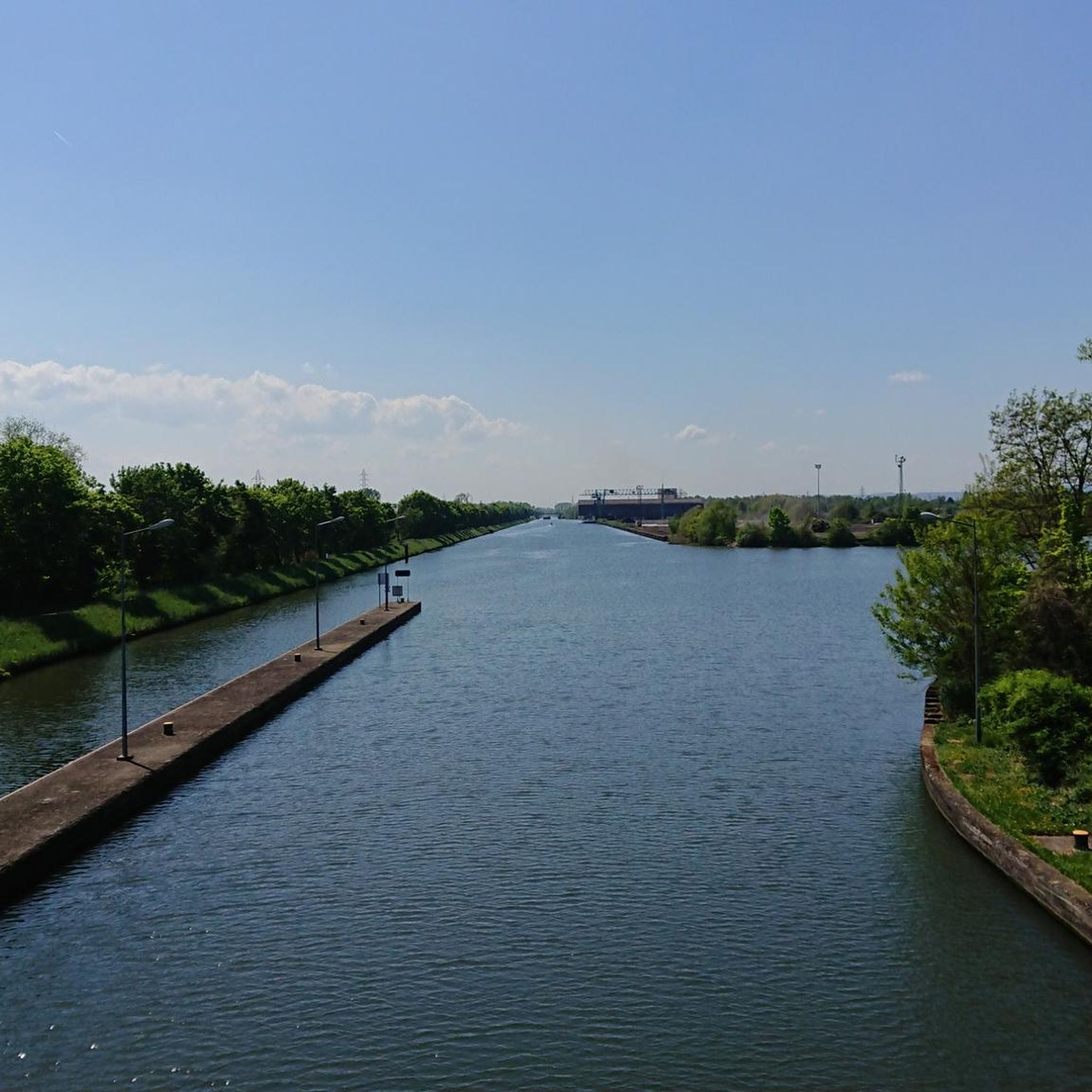
- The most popular attraction is Charles le Téméraire cycle route, a cycle way that follows the Moselle canal between…
Last updated: July 2, 2026
Charles le Téméraire cycle route
Highlight (Segment) • Cycleway
Translated by Google •
Tip by

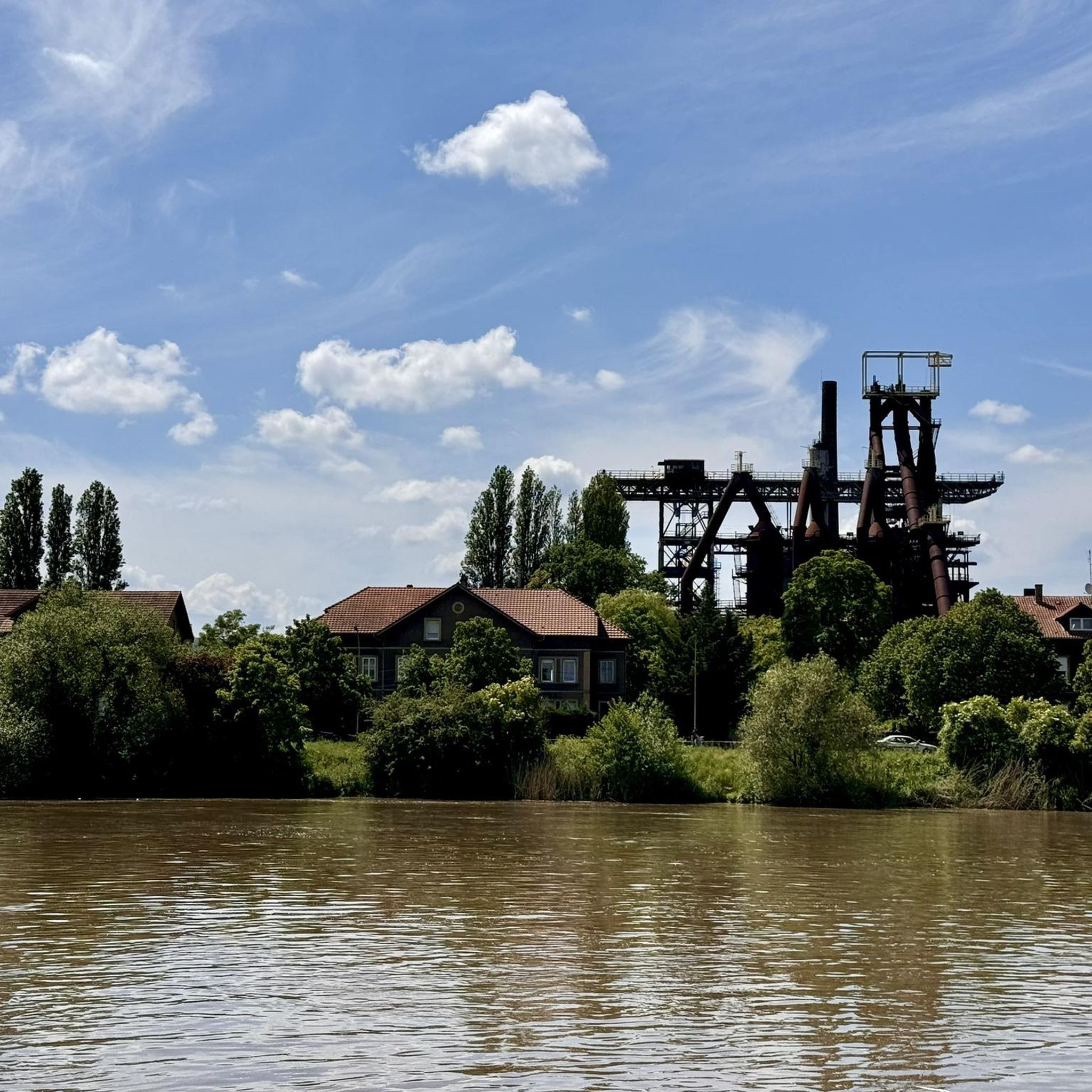
U4 - Blast Furnace Park (Uckange)
Highlight • Other
Translated by Google •
Tip by
Sign up now to discover places like this
Get recommendations on the best single tracks, peaks, & plenty of other exciting outdoor places.
Sign up for free
Kédange-sur-Canner Church
Highlight • Religious Site
Translated by Google •
Tip by

Thionville
Highlight • Other
Thionville (German: Diedenhofen) is located in northeastern France, not far from the borders with Germany and Luxembourg. The city …
Translated by Google •
Tip by

Fort de Guentrange
Highlight • Other
Tip by

Sign up for free to discover even more attractions around Niederginingen.
Sign up for free
Already have an account?
Start today with a free account
Your next adventure awaits.
Login or Signup
Tips from the Community

Really fantastic cycle path
0
0

⛪ **Church of Kédange-sur-Canner – A Simple Jewel in the Moselle Valley** The **Église Saint-Martin** in **Kédange-sur-Canner** is a tranquil example of rural church architecture in Lorraine. Its origins date back to the **18th century**, and it has been restored several times over the years. The church is located slightly elevated in the village center and, with its steeple, offers a striking landmark. 🕊️ Its interior is simple, exuding a tranquil atmosphere – with harmonious proportions, light plaster, and a chancel illuminated by discreet glass panels. **Tip:** Those on quiet tours will find a quiet place to rest here with a view of village life – ideal for a moment of reflection or an architectural photo.
1
0
🛡️ **Fort de Guentrange – German Fortification above Thionville** The **Fort de Guentrange** was built between 1899 and 1906 by the German Reich Army when Thionville (then Diedenhofen) was part of the German Empire. It is one of the best-preserved forts along the Moselle River and part of the so-called **Moselstellung** – a defensive line against France. 🔩 The fortress is strategically located above the town, overlooking the Moselle Valley. It consists of underground passages, casemates, ammunition depots, and observation towers – some still with their original furnishings. 🎖️ Today, the fort is a museum (accessible only with a guided tour) and offers fascinating insights into military technology, the daily lives of soldiers, and European border history. **Tip:** Tours usually take place on Sundays – check in advance! The path to the fort already offers great views and is a good hiking stage with a historical destination.
3
0
🏰 Thionville – A Border Town with History on the Moselle Thionville (German: Diedenhofen) is located in northeastern France, not far from the borders with Germany and Luxembourg. The city looks back on a turbulent past – between the Romans, the Lorrainers, the Prussians, and the French. Numerous buildings still bear witness to this turbulent history: the medieval fortress, the Tour aux Puces (a former keep, now a museum), and the neoclassical buildings in the city center. 🚶♂️ Thionville is a starting point for exploring the Moselle Valley, visiting castles like the Château de Malbrouck, or natural sites like the Stromberg with its caves and rock formations. 🛤️ Due to its location on the Moselle River and its proximity to Luxembourg, Thionville is also an important transportation hub today – but as soon as you leave the city, you're immersed in a tranquil, green landscape full of cultural and historical discoveries.
3
0

This cemetery, with its partly elaborate gravestones, is located directly on the main road in front of the church of Kedange.
0
0

The Voie Bleue runs from the fortified town of Thionville, with its two lock bridges, true masterpieces of military architecture, along the port of Illange, the first river port for metallurgical products, passing by its industrial heritage and the former U4 blast furnace, one of the few buildings of the 20th century steel industry that is now a cultural and historical centre. Just before Metz, the cycle path crosses a beautiful wetland with idyllic ponds. Take the opportunity of your stay in the Lorraine capital to stroll through the old town: the Saint-Etienne Cathedral and the Pompidou-Metz Centre for Contemporary Art are two must-sees.
5
0

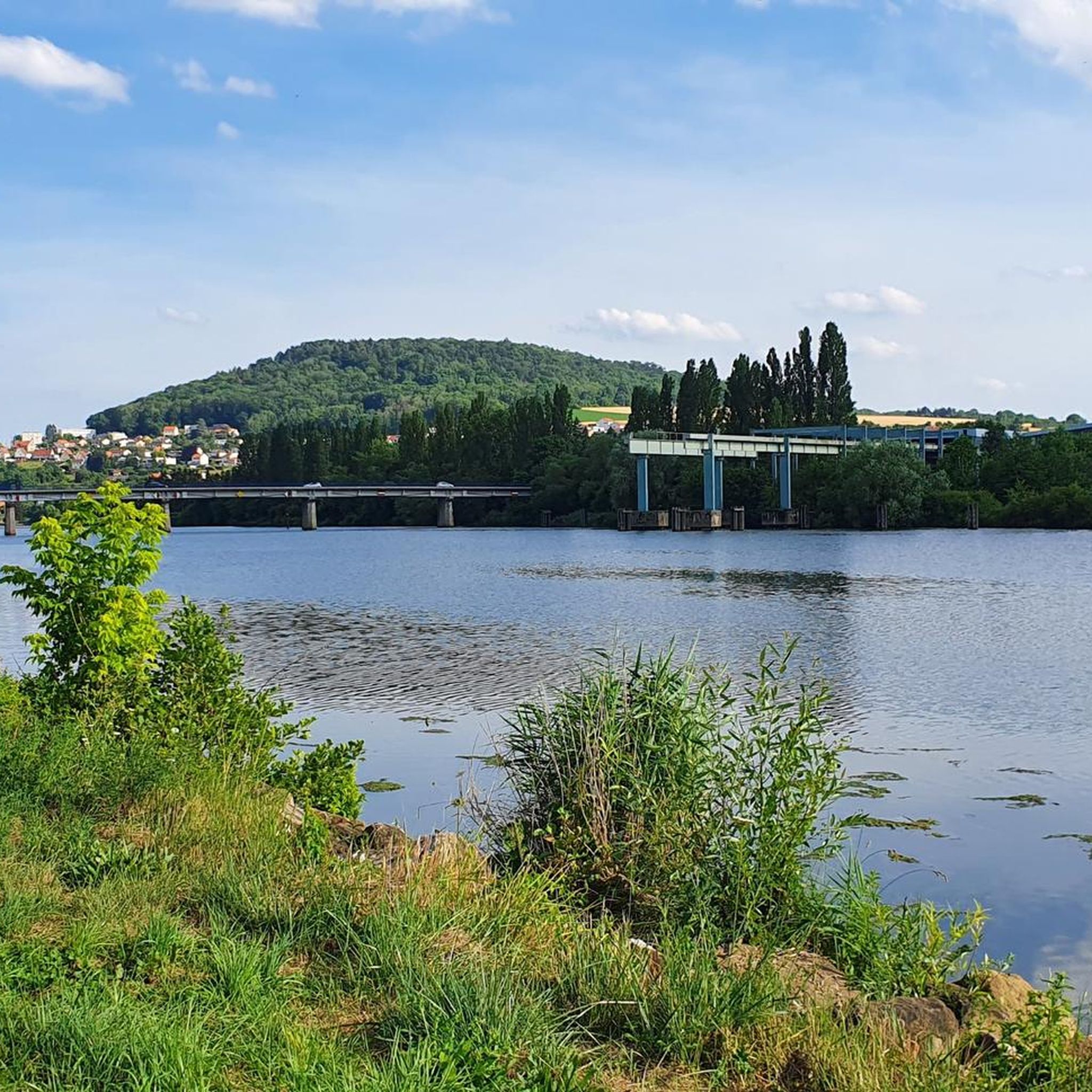
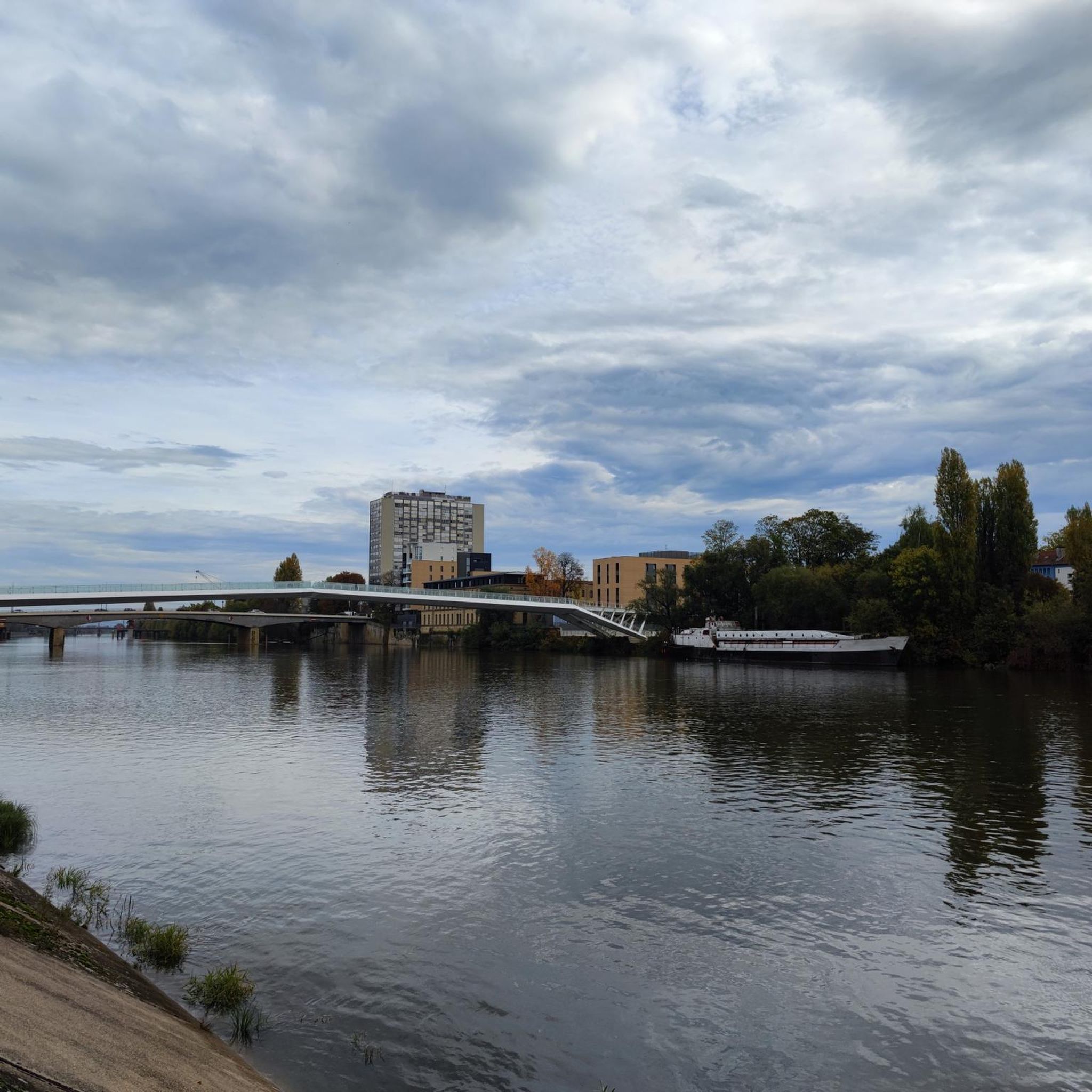
Here, we pass over the canalized Moselle, it's really pleasant.
1
0

beautiful rosel section
1
0
Frequently Asked Questions
What historical sites can I explore around Niederginingen?
The region offers several significant historical sites. You can visit Thionville, a border town with a rich past, featuring a medieval fortress and the Tour aux Puces museum. Another notable site is Fort de Guentrange, a well-preserved German fortification from the late 19th century, offering insights into military history through its underground passages and observation towers.
Are there any attractions related to industrial heritage in the area?
Yes, you can explore the region's industrial past at U4 - Blast Furnace Park (Uckange). This site preserves the last of the four blast furnaces from the Uckange metallurgical plant, which has been listed as a historical monument. It symbolizes the powerful steel industry of the Fenschtals and features a light installation by Claude Lévêque.
What cycling opportunities are available near Niederginingen?
Cyclists can enjoy the Charles le Téméraire cycle route, a scenic path that follows the Moselle canal between Metz and Thionville. This route passes through beautiful wetlands and offers a safe cycling experience. For more cycling options, you can find various routes in the Cycling around Niederginingen guide.
Are there family-friendly activities or attractions in Niederginingen?
Yes, the Charles le Téméraire cycle route is considered family-friendly, offering a safe and enjoyable cycling experience along the Moselle canal. Additionally, the Kédange-sur-Canner Church is a tranquil historical site that families can visit for a moment of reflection and to appreciate rural architecture.
Where can I find hiking trails around Niederginingen?
The region offers a variety of hiking trails for different skill levels. You can discover routes like the 'Park loop from Rurange-lès-Thionville' or the 'Bousse to Guénange Loop Route'. For a comprehensive list and details, refer to the Hiking around Niederginingen guide.
What religious or architectural landmarks are worth visiting?
The Kédange-sur-Canner Church is a beautiful example of rural church architecture in Lorraine, with origins dating back to the 18th century. It's also part of the path of Saint Jacques de Compostela and offers a tranquil atmosphere for visitors.
What do visitors particularly enjoy about the attractions near Niederginingen?
Visitors appreciate the blend of historical depth and scenic outdoor activities. The Charles le Téméraire cycle route is praised for its safe and pleasant ride through wetlands. Historical sites like Fort de Guentrange offer fascinating insights into European border history, while Thionville is loved for its rich past and charming architecture.
Are there opportunities for running or jogging near these attractions?
Yes, there are several running trails available. You can find routes such as the 'Running loop from Reinange' or various loops from Guénange and Uckange, ranging from easy to moderate difficulty. Explore more options in the Running Trails around Niederginingen guide.
Can I learn about the region's military history?
Absolutely. The Fort de Guentrange is a prime example, built by the German Reich Army between 1899 and 1906. It provides a comprehensive look into military technology and the daily lives of soldiers, often through guided tours. The town of Thionville itself also has a turbulent past, with its medieval fortress bearing witness to its strategic importance.
What kind of natural landscapes can I expect to see?
The region around Niederginingen is characterized by the Moselle River and its surrounding landscapes. The Charles le Téméraire cycle route, for instance, takes you through beautiful wetlands and along the Moselle canal, offering serene river views.
Are there any hidden gems or less-known spots to discover?
While not widely publicized, the Kédange-sur-Canner Church offers a quiet and reflective experience away from more bustling sites. Its simple interior and tranquil atmosphere make it a peaceful stop for those seeking a moment of calm and architectural appreciation.
Most popular routes around Niederginingen

Get inspired with the komoot mobile app


Explore more
Still not found the Highlight you’re looking for? See guides of the top attractions in other regions:
