The best road cycling routes around Alteglofsheim
4.5
(254)
4,617
riders
275
rides
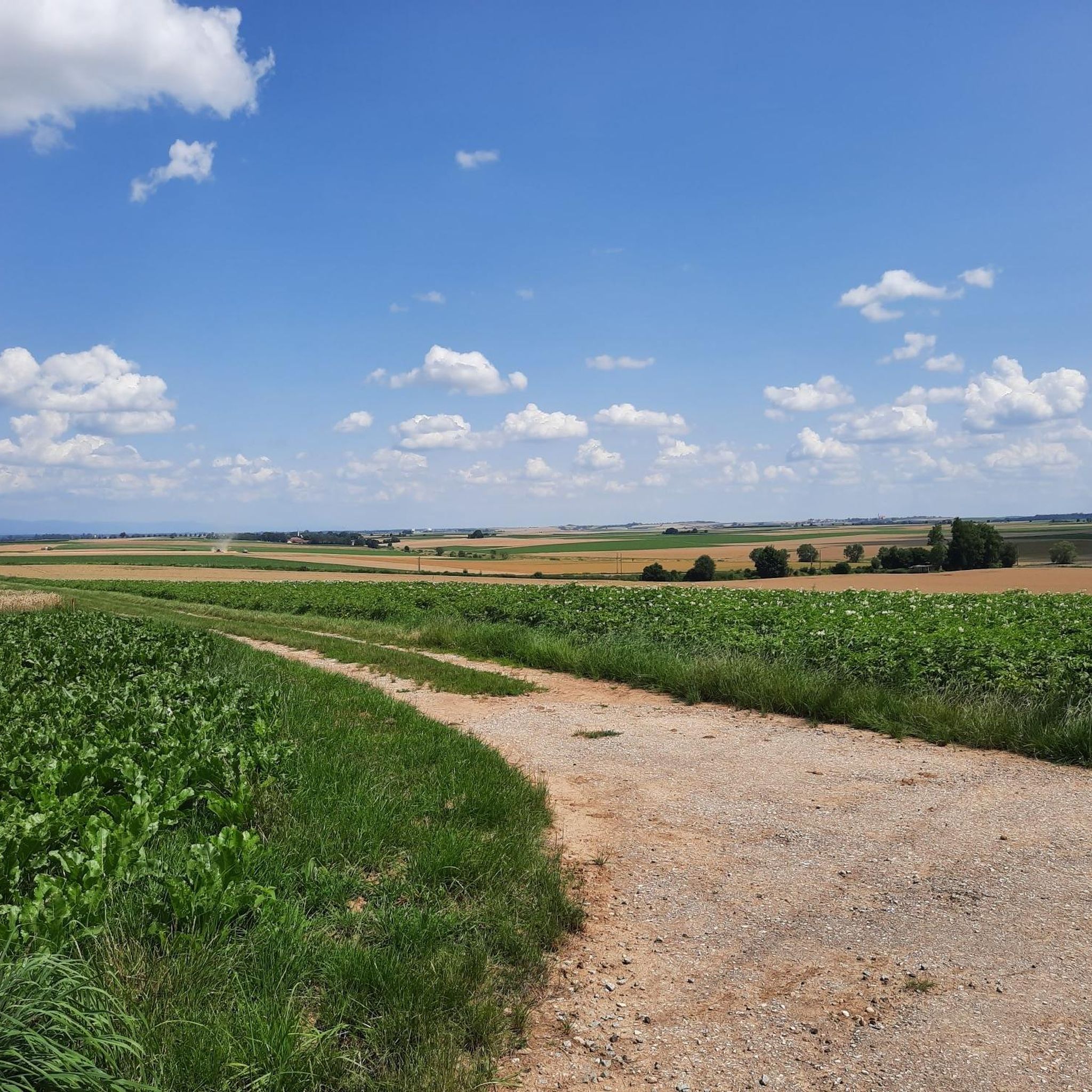
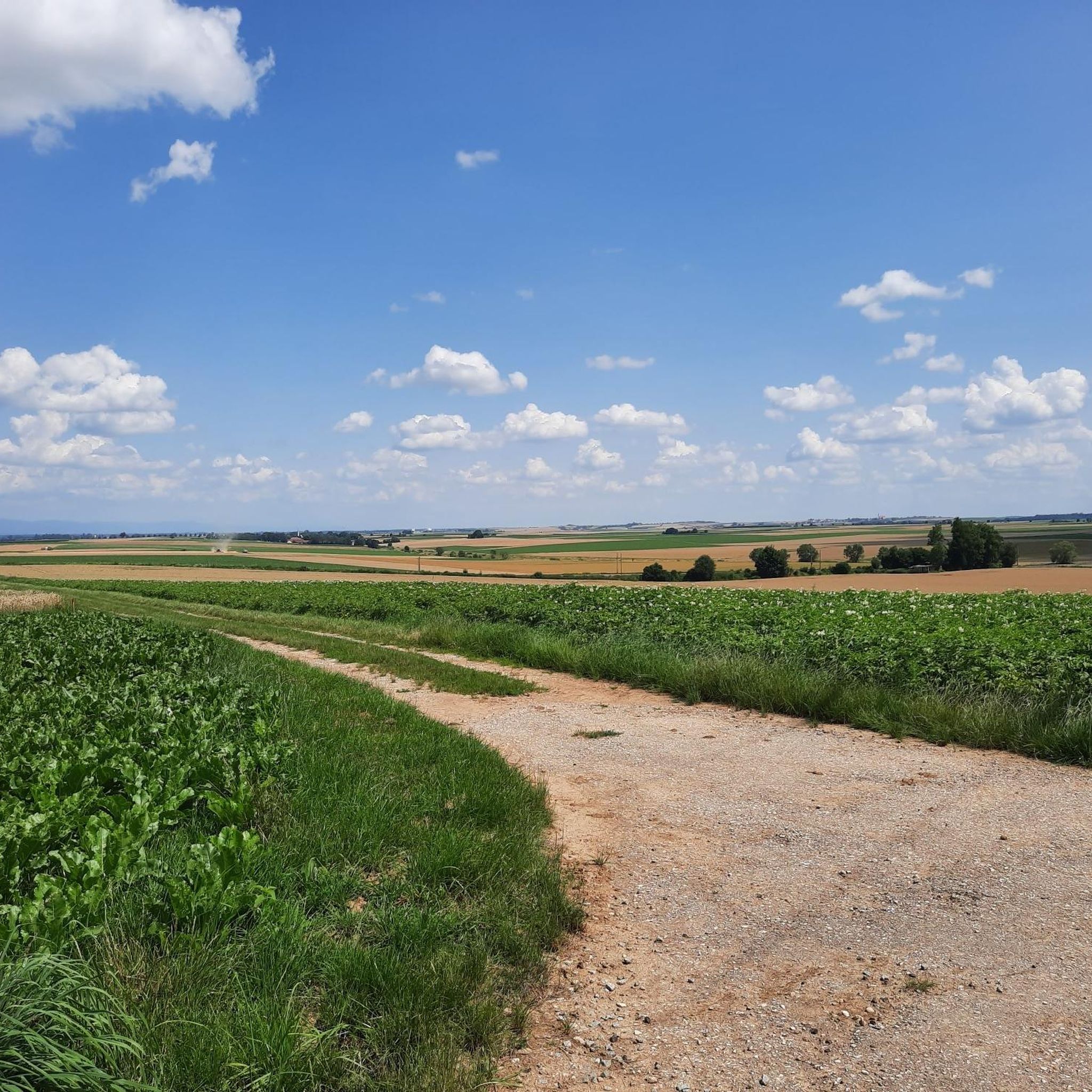
Road cycling routes around Alteglofsheim are set in a picturesque landscape characterized by rolling hills, forests, and fields, situated near the Naab River. The region offers a well-developed cycling infrastructure with mostly paved surfaces suitable for road bikes. This varied terrain provides options ranging from gentle rides through agricultural land to more challenging routes with moderate elevation changes. Its location on the edge of the Bavarian Forest contributes to diverse natural features along the routes.
Best road cycling routes around…
Last updated: July 10, 2026
4.7
(7)
222
riders
59.1km
02:37
470m
470m
Moderate road ride. Good fitness required. Mostly well-paved surfaces and easy to ride.
4.0
(3)
84
riders
151km
06:35
680m
680m
Hard road ride. Very good fitness required. Some segments of this route may be unpaved and difficult to ride.

Sign up for free
4.8
(6)
40
riders
38.1km
01:29
70m
70m
Easy road ride. Great for any fitness level. Mostly well-paved surfaces and easy to ride.
5.0
(6)
21
riders
44.1km
01:55
330m
330m
Moderate road ride. Good fitness required. Mostly well-paved surfaces and easy to ride.
25
riders
50.0km
01:58
180m
180m
Easy road ride. Great for any fitness level. Mostly well-paved surfaces and easy to ride.
Get access to more routes and recommendations from other explorers.
Sign up for free
Already have an account?
Our route recommendations are based on thousands of hikes, rides, and runs completed by other people on komoot.
Start today with a free account
Your next adventure awaits.
Login or Signup

Tips from the Community

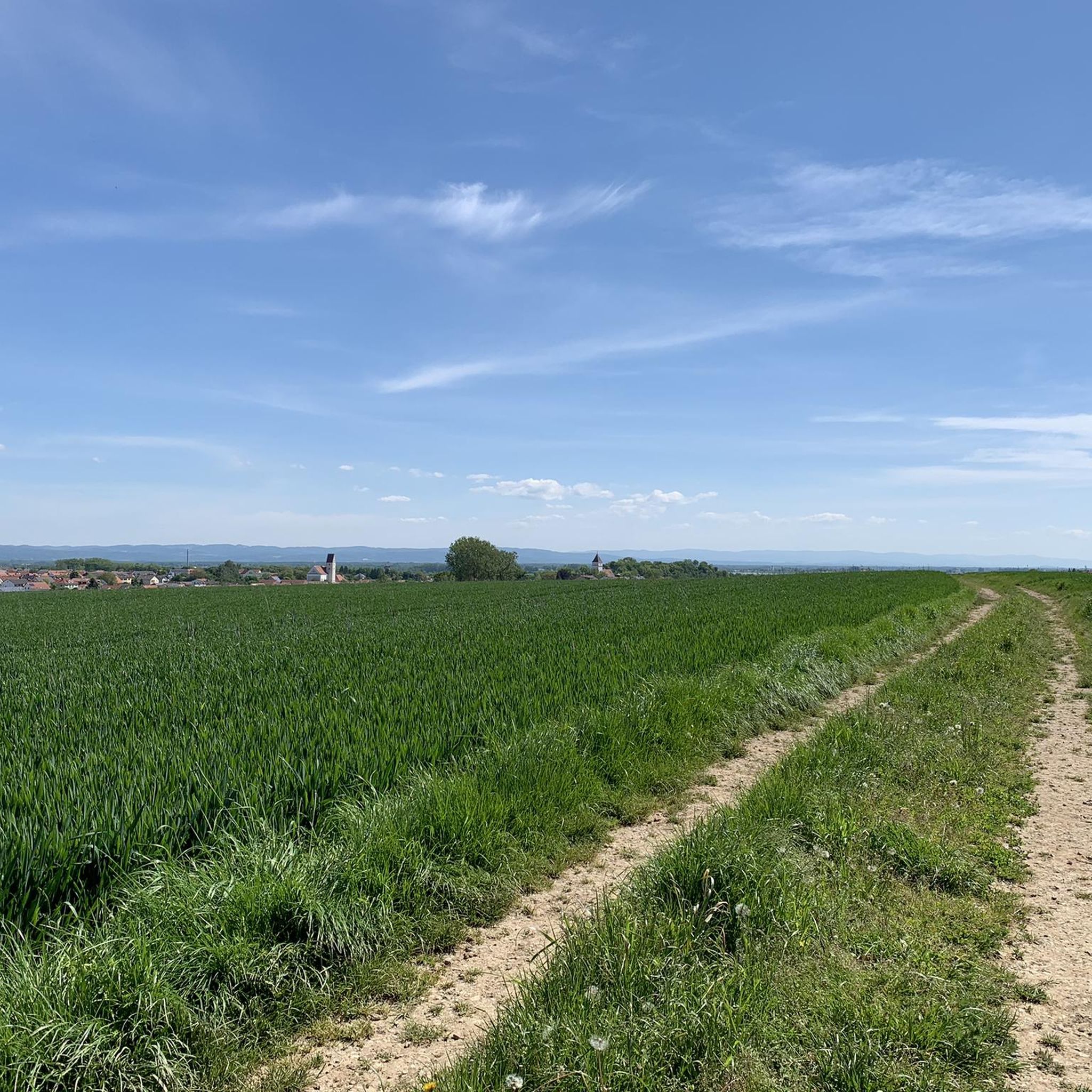
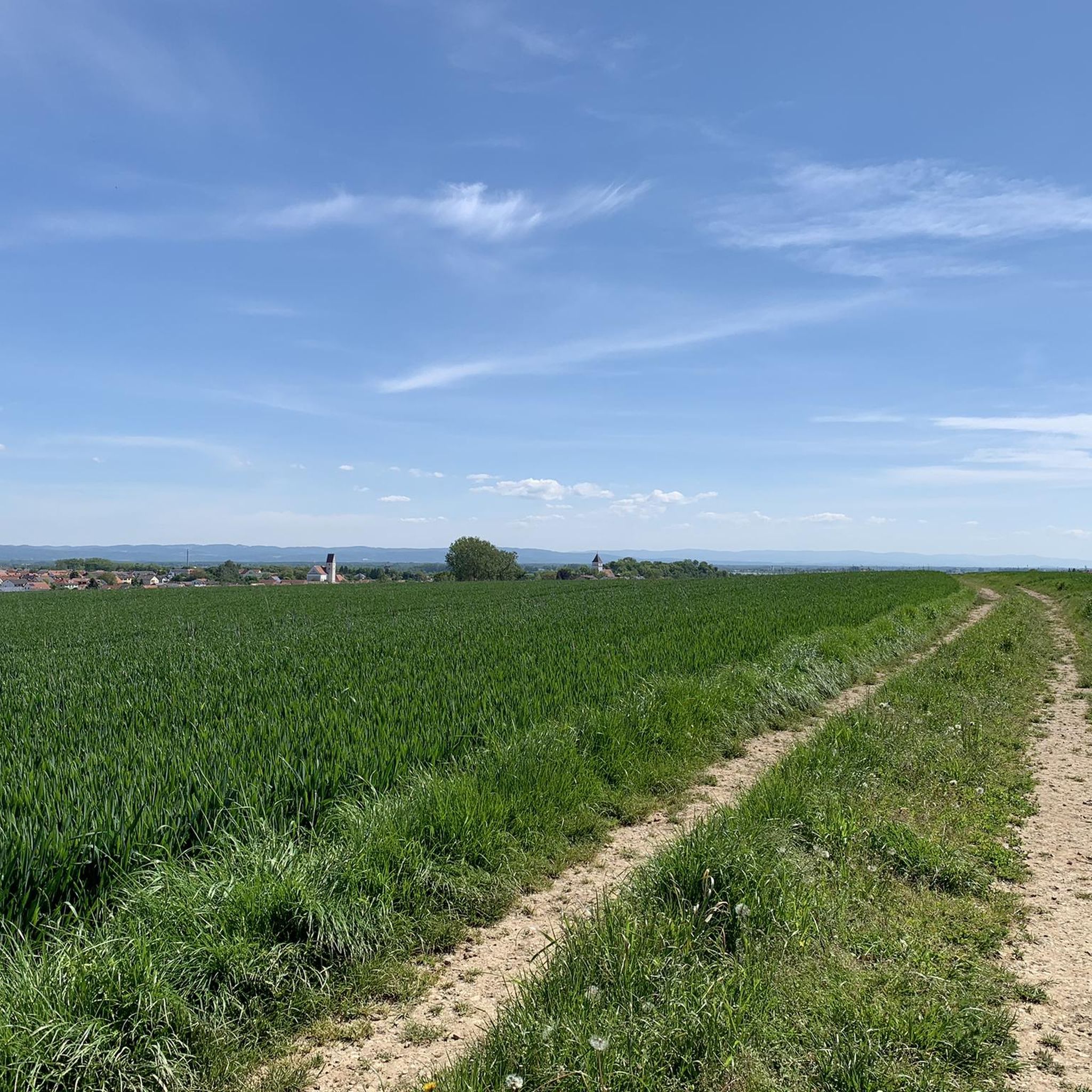
Attention: The road is closed and not accessible by road bike. The asphalt surface is being replaced. 06.07.25
0
0

Beautifully designed castle park in Eglofsheim
1
0

Parish Church of St. Laurentius The parish was first mentioned in 1320, and in 1422 the parish of "Eglofsheim" was incorporated into the episcopal church in Regensburg. After the construction of the flanking tower in 1446, the demolition of the old parish church began on April 15, 1720 to lay the foundation stone for the baroque hall building that still stands today and was completed after almost two years of work. Extensive renovations took place in 1846/47 and 1886/87. In 1905, after another renovation, a golden cross was placed on the church tower. After the end of the Second World War, the church was renovated again inside in 1952/53, with the formerly colorful glass windows being replaced with white glass. The nave is divided by pilasters, at the end of which is the recessed choir room, closed on three sides. The ceiling frescoes on the nave vault were originally painted by Joseph Offenhuber and show Saint Lawrence in glory as well as God the Father and Jesus Christ as kings with the globe in their hands, and above them the Holy Spirit in the form of a dove. The coats of arms of the lords of the castle of Alteglofsheim, including the coat of arms of the von Königsfeld family, are painted in a stucco cartouche on the choir arch. The ceiling painting on the choir vault shows Saint Lawrence being executed by Emperor Valerian. The high altar from 1755 has four smooth and two twisted columns. The altarpiece shows the patron saint of the church, Lawrence, in glory above the church and the neighboring houses of Alteglofsheim. He is surrounded by angels with musical instruments, a palm branch as a symbol of the martyrs, the iron grate - his attribute on which the martyr was executed - and an angel with an open book from which the Revelation can be read. The image is framed by Saint Wolfgang on the left and Saint Nicholas on the right of the altar. The excerpt above the altarpiece shows the symbol of the Holy Trinity in a halo. The left side altar shows Saint Mary in a blue robe with the baby Jesus, standing on a green ball. The altarpiece is flanked by two stilted, round columns made of stucco marble. The right side altar shows Saint Sebastian tied to a tree with arrows piercing his chest. The altarpiece is also framed by two stilted, round columns made of stucco marble. Source: Excerpts from www.wikipedia.de
2
0
Alteglofsheim Castle The name comes from the Eglofsheim family. Since the 10th century there has been a moated castle here with an associated manor. The castle was rebuilt and expanded several times over the centuries. From 1480 to 1573 the Barons of Parsberg owned the castle and manor. In 1659 Johann Georg Baron von Königsfeld bought the Alteglofsheim estate. In 1685 he became an Imperial Count. In his will in 1694 he left the estate to his grandson Hans Georg Graf von Königsfeld. He was the Minister of State and Conference of Elector Karl Albrecht and First Minister during his time as Emperor. From 1728 to 1734 he had the castle significantly expanded and refurbished. His successor Count Christian Johann August von Königsfeld, Elector's ambassador in Vienna, added the north wing of the castle with the magnificent dining room in 1780. In 1810 the Königsfelder family died out. The Barons of Cetto followed as owners, and in 1835 Prince Maximilian Karl von Thurn und Taxis acquired the castle. The Princes of Thurn und Taxis sold it to a priest in 1939, and it later went to his housekeeper. The war and post-war period led to the castle being used for other purposes, and it fell into increasing disrepair. In 1973 the Free State of Bavaria acquired it and made it available to the University of Regensburg in 1980. In 1989 the castle was designated as the location for the third Bavarian Music Academy. Construction work began in 1992. The Music Academy began operations here in June 1999. After extensive renovations and refurbishments the castle was handed over to its new purpose in September 2000. The late Gothic core of the complex with the 35-meter-high keep in the west dates from the beginning of the 14th century. It towers over the high gable of a building with two round flanking towers from the early 17th century. Around 1680, a wing with a two-aisled chapel in the basement was leaning against it in the south. Around 1730, it was extended to the west after the south-north wing had been started at a right angle to it. Elaborate ceiling frescoes by the Asam brothers and elegant stucco ceilings created by Johann Baptist Zimmermann adorn the castle. Tours of the castle are only possible for groups by prior arrangement. Source: Excerpts from www.wikipedia.de
2
0
Köfering Castle The first moated castle on the Pfatter was probably built in the 12th century. The Köfering family was first mentioned in the middle of the 12th century. Around 1300, the castle was owned by Eckprecht von Haidau, who gave it to the Bishopric of Regensburg in 1307 in order to receive it as a fief from the bishop. Other owners of the castle were Otto Zenger, Albrecht von Abensberg, Heinrich Nothaft von Mangolding and Scheuer. In 1427, Dietrich von Stauf took over the castle in Köfering by exchange. On December 26, 1491, the Köfering fortress was besieged and destroyed by the Bavarian Duke Albrecht IV with 1,000 soldiers during the Löwler League uprising, in which the castle owner Hieronymus von Stauf took part. The Counts of Lerchenfeld have owned the moated castle since 1569. The castle was damaged in the Thirty Years' War and rebuilt in its current form from 1680 to 1720. Renovation began in 1980/81. The moated castle is an irregular, baroque, three-storey three-wing complex with mansard hipped roofs, an entrance projection with portal, ground floor arcades and a staircase with a mansard hipped roof. The White Hall with inlaid parquet and the chapel are worth seeing. The castle complex consists of a central projection, to which only a north wing is connected. To the west there is another wing with protruding corner projections, and to the south the one-storey former stable building is attached. A three-arched stone bridge leads over the walled moat, which is still preserved, and is the only access to the castle. Source: Excerpts from www.wikipedia.de
3
0


The Mattinger slopes are a nature reserve of special importance and beauty!
4
1
Frequently Asked Questions
How many road cycling routes are available around Alteglofsheim?
There are over 280 road cycling routes around Alteglofsheim, offering a wide variety of options for different preferences and skill levels.
What kind of terrain can I expect on road cycling routes in Alteglofsheim?
The terrain around Alteglofsheim is characterized by a picturesque blend of rolling hills, forests, and fields, with many routes following the scenic Naab River. Most surfaces are paved, making them ideal for road cycling, though some routes might include moderate elevation changes.
Are there road cycling routes suitable for beginners or those looking for an easy ride?
Yes, Alteglofsheim offers 73 easy road cycling routes. An example is the Weeping Willow in Taimering loop from Köfering, which is 38.1 km long with minimal elevation gain, leading through fields and past small villages.
Are there challenging road cycling routes with significant elevation in Alteglofsheim?
Yes, for experienced cyclists, there are 46 difficult routes. The View of the Danube – View of Walhalla loop from Hagelstadt is a challenging 148.5 km path featuring significant elevation gain and panoramic views of the Danube and Walhalla.
What natural features can I see along the road cycling routes?
Many routes offer views of the Naab River and pass by several small lakes such as Guggenberger Lake, Sarchinger Weiher, and Neutraublinger Lake. You might also encounter natural monuments like St. Wolfgang's oak.
Are there any historical landmarks or points of interest accessible by road bike?
Yes, the region is rich in history. You can cycle past historic buildings like Alteglofsheim Castle, which now houses the Bavarian Music Academy, or the parish church of St. John the Baptist. Other points of interest include the Celtic Square Enclosure and the Haus Castle and Ancient Oak Tree.
What do other road cyclists enjoy the most about road cycling in Alteglofsheim?
The road cycling routes around Alteglofsheim are highly rated by the komoot community, with an average score of 4.6 stars from over 190 reviews. Cyclists often praise the varied scenery, well-maintained paved surfaces, and the mix of gentle and challenging routes available.
Are there any circular road cycling routes in the area?
Yes, many routes around Alteglofsheim are designed as loops. For example, the Walhalla Memorial – View of Walhalla loop from Köfering offers a moderate 71.9 km ride, and the St. Stephen's Church Gailsbach loop from Köfering is a 43.8 km moderate route.
What is the best time of year for road cycling in Alteglofsheim?
The warmer months, from spring through early autumn, are generally the best time for road cycling in Alteglofsheim. During this period, the weather is most favorable for enjoying the picturesque landscapes and well-developed cycling infrastructure.
Can I find routes that pass by viewpoints or scenic spots?
Absolutely. The region's rolling hills and proximity to the Danube offer several scenic viewpoints. Routes like the View of the Danube – View of Walhalla loop from Hagelstadt are specifically known for their panoramic vistas.
Are there any road cycling routes that connect to other popular cycling paths?
Yes, the region around Alteglofsheim includes sections of the Naabtal cycle path, allowing for longer rides and connections to a broader network of cycling routes.
Most popular routes around Alteglofsheim
Most popular attractions around Alteglofsheim

Get inspired with the komoot mobile app


Explore more
Browse the best Road cycling routes in other regions.
