Attractions and Places To See around Domèvre-En-Haye - Top 20
Best attractions and places to see around Domèvre-En-Haye. This commune is located in the Meurthe-et-Moselle department in northeastern France, situated within the Lorraine Regional Natural Park. The area offers a combination of historical sites, natural landscapes, and cultural experiences in the surrounding region. Domèvre-En-Haye serves as a base for exploring the department's diverse offerings.
Best attractions and places to see around Domèvre-En-Haye
- The most popular attractions is Duroc Square, a square known for its unique triangular shape and Renaissance…
Last updated: October 11, 2026
Historic Electric Locomotive of Villy-Saint-Étienne
Highlight • Monument
Translated by Google •
Tip by

Carmelite Cross
Highlight • Other
Translated by Google •
Tip by

Sign up now to discover places like this
Get recommendations on the best single tracks, peaks, & plenty of other exciting outdoor places.
Duroc Square
Highlight • Other
Translated by Google •
Tip by

Place du Paradis
Highlight • Other
The Place Duroc is the beating heart of Pont-à-Mousson – a triangular square lined with elegant arcades, unique in Lorraine. Originally the …
Translated by Google •
Tip by

Le Pétant National Necropolis
Highlight • Historical Site
Translated by Google •
Tip by

Sign up for free to discover even more attractions around Domèvre-En-Haye.
Already have an account?
Start today with a free account
Your next adventure awaits.

Tips from the Community

The historic electric locomotive from Villey-Saint-Étienne stands on the banks of the Moselle, not far from Toul. It was formerly used to pull barges from the bank with a rope through the canal. It thus replaced the work of humans and draft animals that had been common until then. Even in the 1950s and 1960s, it was in operation on the rails along the canal. In 2013, the municipality had the locomotive restored. Today, it stands by the cycle path and is a reminder of the former inland navigation in the region.
1
0

Very family-friendly walking route
1
1

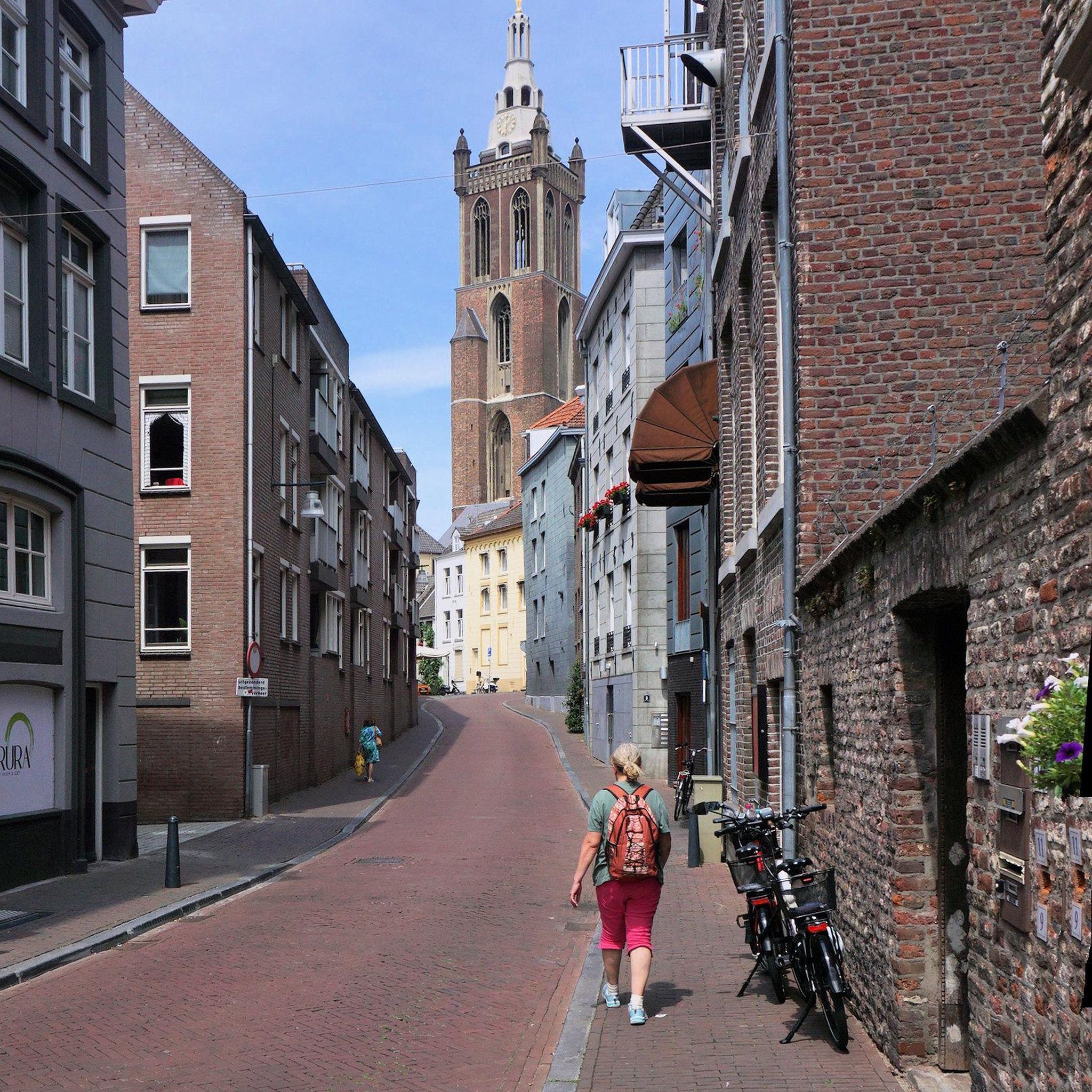
🏛️ Place Duroc – Renaissance under the arcades The Place Duroc is the beating heart of Pont-à-Mousson – a triangular square lined with elegant arcades, unique in Lorraine. Originally the “Grand’Place”, it was given its current name in honour of Maréchal Duroc, Napoleon’s confidant, who was born here in 1772. The place breathes history: from medieval markets to Renaissance mansions such as the Maison des Sept Péchés Capitaux and the Château d’Amour. The facades display sculpted caryatids, Gothic arches and Baroque details. In the centre stands a fountain from 1931, in memory of American ambulance drivers from WWI. All around you will find cafés, the town hall and a lively atmosphere – ideal for a break or a photo.
8
0

Over an area of 6.2 ha, the necropolis brings together the bodies of 13,519 soldiers who died for France during the two world conflicts. In the upper part is the cemetery of the 14-18 conflict. It was created in 1915 following the battles at Bois-le-Prêtre and developed between 1920 and 1936. It brings together the bodies of 5,199 French soldiers and 1 Serb. In the lower part is located the military cemetery of the Second World War and a Captivity Memorial which houses the bodies of prisoners of war who died in captivity. 8200 French, 105 Soviets, 12 Poles in four ossuaries.
0
0
Memorial to the bloody Battles of Bois-le-Prêtre during the First World War. Initially a simple wooden cross which marked the highest point of the forest massif at 372 meters above sea level, a strategic point, it returned to its place of origin shortly after the war and was enshrined in the stone monument commemorating this battle which was inaugurated on September 23, 1923 by Raymond Poincaré.
0
0

Rest area with fitness equipment
1
1

I recommend that you explore this square in the center of Pont-a-Mousson, including the largest Renaissance arcade group in Lorraine!!!
2
0

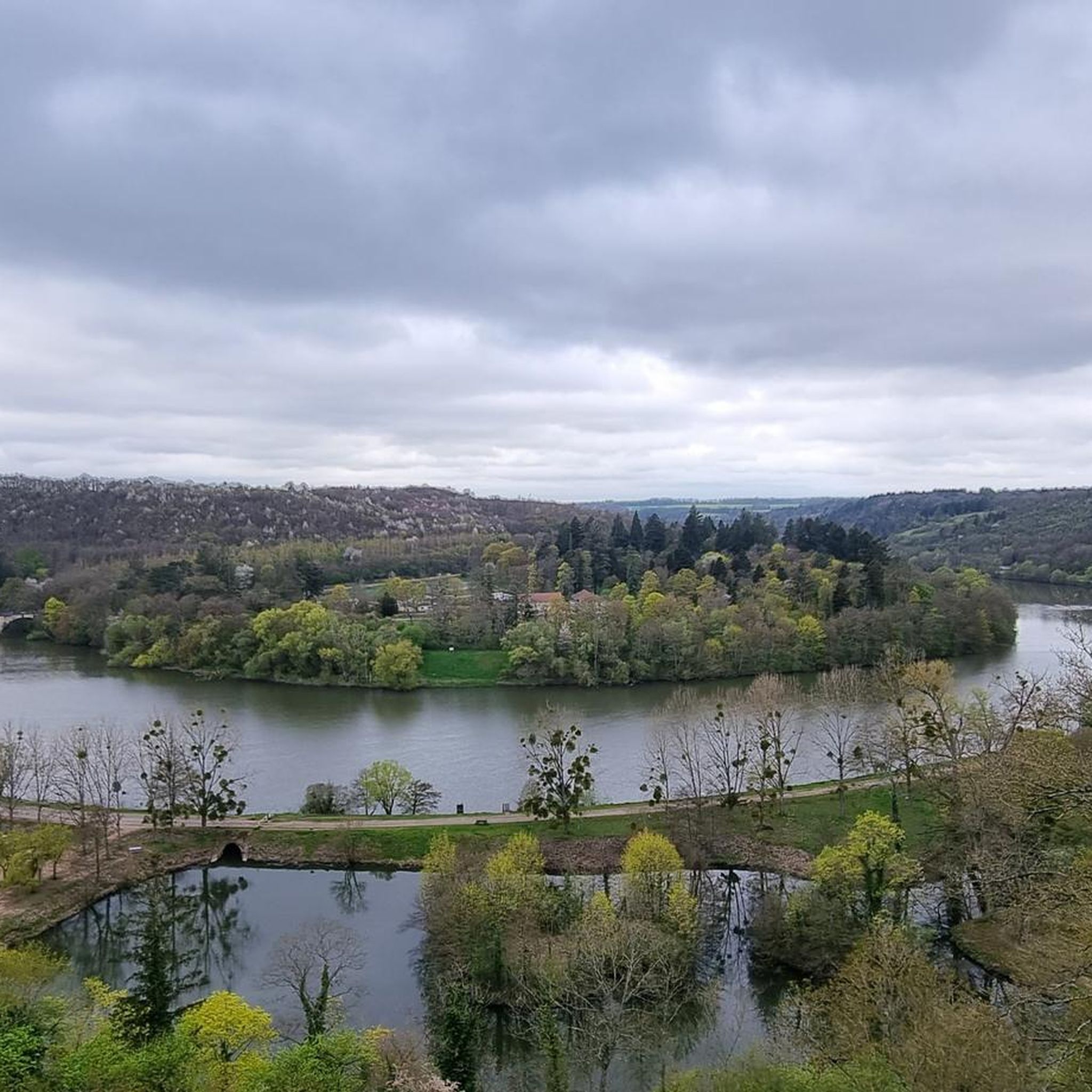
From here begins a large forest area in which there are also remains of destroyed villages.
0
0
Frequently Asked Questions
What historical sites can I visit near Domèvre-En-Haye?
The region offers several significant historical sites. You can visit the Carmelite Cross near Pont-à-Mousson, a World War I memorial where remnants of trenches are still visible. Another important site is the Le Pétant National Necropolis, a solemn memorial covering 6.2 hectares with over 13,500 remains. Further afield, Nancy, about 23 km away, boasts the UNESCO World Heritage site of Place Stanislas, and Metz, 38 km away, offers its grand cathedral and historical areas.
Are there any notable squares or architectural landmarks to explore?
Absolutely. In Pont-à-Mousson, you'll find the unique Duroc Square, known for its triangular shape and the largest group of Renaissance arcades in Lorraine. It's home to buildings from the 16th to 20th centuries and features cozy cafés. Nearby, Place du Paradis is another central square with historical buildings like the Maison des Sept Péchés Capitaux. The House of Seven Sins itself is a Renaissance building on Place Duroc, famous for its facade details.
What natural attractions are there around Domèvre-En-Haye?
Domèvre-En-Haye is situated within the heart of the Parc naturel régional de Lorraine, offering ample opportunities to enjoy nature, including forests like the Foret de la Reine. The Cotes de Meuse, approximately 47 km away, are also noted for their natural beauty and scenic landscapes.
What outdoor activities can I do near these attractions?
The area around Domèvre-En-Haye is excellent for outdoor activities. You can explore various routes for mountain biking, hiking, and road cycling. For detailed routes, check out the MTB Trails around Domèvre-En-Haye, Hiking around Domèvre-En-Haye, and Road Cycling Routes around Domèvre-En-Haye guides.
Are there family-friendly attractions or activities in the vicinity?
Yes, families can find several engaging options. The Le Pétant National Necropolis offers a thought-provoking historical experience. For more active fun, Pompey Aventures, an adventure park in Lorraine, is located about 14.4 km from Domèvre-En-Haye. Nancy also hosts the Muséum-aquarium de Nancy, which can be a great family outing.
Where can I find markets near Domèvre-En-Haye?
Several nearby towns host markets on various days. You can find markets in Dieulouard (Tuesdays, 11km away), Pompey (Thursdays, 15km away), Toul (Wednesdays & Fridays, 16km away), and Nancy (multiple days, 21km away). These markets offer a chance to experience local culture and find regional products.
What are some recommended hiking trails for different difficulty levels?
There are hiking trails suitable for various levels. For an easy walk, consider the 'Villevaux Mill – Le Trou du Gros Bois loop from Rogéville' (5.3 km). Moderate options include the 'Villevaux Mill – Old wash-house loop from Rogéville' (8.8 km) or 'Pierrefort Castle loop from Rogéville' (14 km). You can find more details and routes in the Hiking around Domèvre-En-Haye guide.
Are there any gardens or parks to visit near Nancy?
Yes, Nancy, approximately 23-24 km from Domèvre-En-Haye, features several remarkable green spaces. These include Parc Sainte-Marie, Jardin Alexandre-Godron, and the Jardin botanique du Montet, offering beautiful settings for a leisurely stroll or relaxation.
What is the best time to visit Domèvre-En-Haye for exploring attractions and outdoor activities?
The region is generally pleasant to visit from spring through autumn (April to October) when the weather is mild and conducive to exploring historical sites, natural parks, and engaging in outdoor activities like hiking and cycling. Summer offers the warmest temperatures, ideal for enjoying the squares and gardens, while spring and autumn provide comfortable conditions for longer walks and fewer crowds.
What do visitors enjoy most about the attractions around Domèvre-En-Haye?
Visitors particularly appreciate the blend of historical depth and natural beauty. The architectural grandeur of places like Duroc Square and the solemn history of the Carmelite Cross are highly valued. The opportunity to explore the Lorraine Regional Natural Park and discover charming towns like Toul also adds to the appeal, offering a diverse experience for all interests.
Most popular routes around Domèvre-En-Haye

Get inspired with the komoot mobile app


Explore more
Still not found the Highlight you’re looking for? See guides of the top attractions in other regions:
