The best cycling routes around Ramous
4.3
(73)
506
riders
88
rides
Touring cycling routes around Ramous traverse a landscape characterized by river valleys and historical towns in the Nouvelle-Aquitaine region of France. The terrain often features rolling hills and agricultural areas, providing varied cycling experiences. Routes frequently connect points of historical interest, such as old bridges and castles, with quieter paths. This region offers a mix of moderate climbs and flatter sections suitable for touring cyclists.
Best touring cycling routes around Ramous
- The most popular touring cycling route is Pont Vieux…
Last updated: June 20, 2026
5.0
(4)
18
riders
47.5km
02:48
290m
290m
Moderate bike ride. Good fitness required. Mostly paved surfaces. Suitable for all skill levels.
4.6
(12)
70
riders
34.8km
02:13
380m
390m
Moderate bike ride. Good fitness required. Mostly paved surfaces. Suitable for all skill levels.

Sign up for free
4.7
(3)
12
riders
79.9km
05:00
860m
860m
Hard bike ride. Very good fitness required. Mostly paved surfaces. Suitable for all skill levels.
4.5
(2)
16
riders
35.3km
02:08
280m
280m
Moderate bike ride. Good fitness required. Mostly paved surfaces. Suitable for all skill levels.
3.0
(1)
20
riders
95.5km
05:40
610m
610m
Hard bike ride. Very good fitness required. Mostly paved surfaces. Suitable for all skill levels.
Get access to more routes and recommendations from other explorers.
Sign up for free
Already have an account?
Our route recommendations are based on thousands of hikes, rides, and runs completed by other people on komoot.
Start today with a free account
Your next adventure awaits.
Login or Signup

Tips from the Community

Built between 1250 and 1280 by Gaston VII, Viscount of Béarn, on a rocky outcrop overlooking the gave. Gaston Fébus had the castle reinforced in 1370.
0
0
Chateau built by Gaston VIl Moncade from 1242 to 1262, protected by 3 lines of fortifications, and a "V"-shaped masonry moat. The main building protected the entrance to the keep. The ground floor, a pentagonal keep, without a door, served as a prison; on the first floor was the guardroom. This Castle was redeveloped by Gaston Febus in the 14th century. It was burned during the Wars of Religion, in 1569, and sold, at the Revolution, to demolition contractors who dismantled it. Remains restored in 1845.
0
0

Considered the little Béarn Venice, Salies-de-Béarn is mainly known for its saltwater spring. The town reveals an old centre with narrow streets and atypical houses.
0
0

## The tunnel The tunnel, located between the Puyoô and Salies-de-Béarn stations, is one of the significant structures on line n° 662.000 connecting Puyoô to Mauléon. It is a single-track tunnel 848.5 m long and 5.00 m wide between the abutments. The height under the crown is 6.00 m. It is a multi-radius arch. The structure is generally oriented North-South, with a curve of R400 m for the first 250 meters on the North side, then a straight section to the South end. The longitudinal profile has a constant gradient of 0.01 m/m from the North. A central aqueduct equips the structure along its entire route. The maximum cover is 49 m. The tunnel is built in the Campanian flysch (Upper Cretaceous). The construction of the tunnel (1879-1883) was carried out from two headings via shafts approximately 35 m deep, located at PM219 and PM632. The shafts were retained as ventilation shafts. The masonry thicknesses (limestone rubble set in lime mortar) vary from 0.50 m to 1.20 m. The length of the tunnel, initially projected at 400 m, was increased to 787 m following the decision to lower the profile (from 20‰ to 16‰). During construction, ground instabilities encountered during the excavation of access trenches led to a further extension of the structure, which finally reached a length of 848.5 m. Numerous ground instabilities (landslides) caused significant delays in the progress of the work. The tunnel was electrified in 1930 and the overhead line equipment was removed in 1971.
0
0

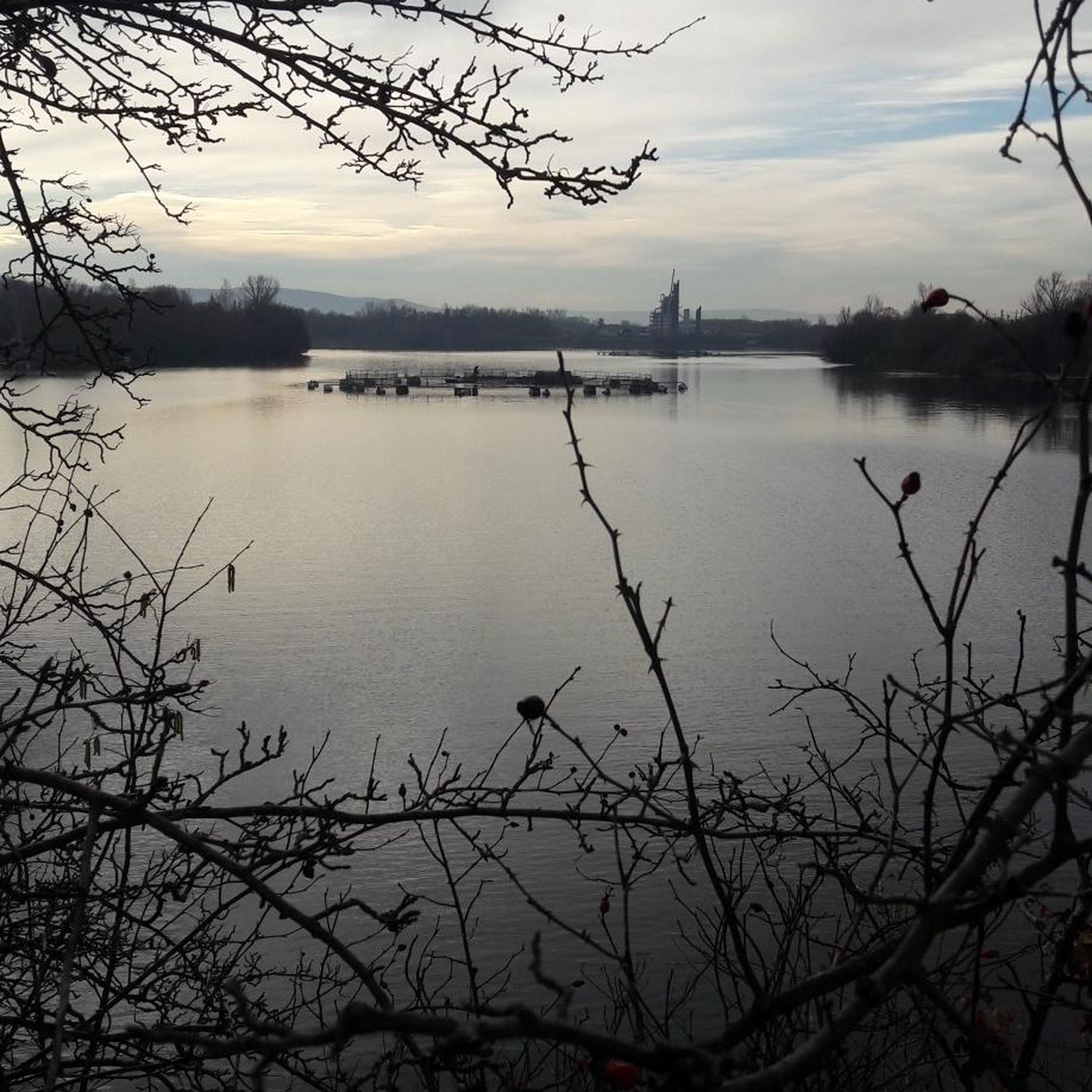
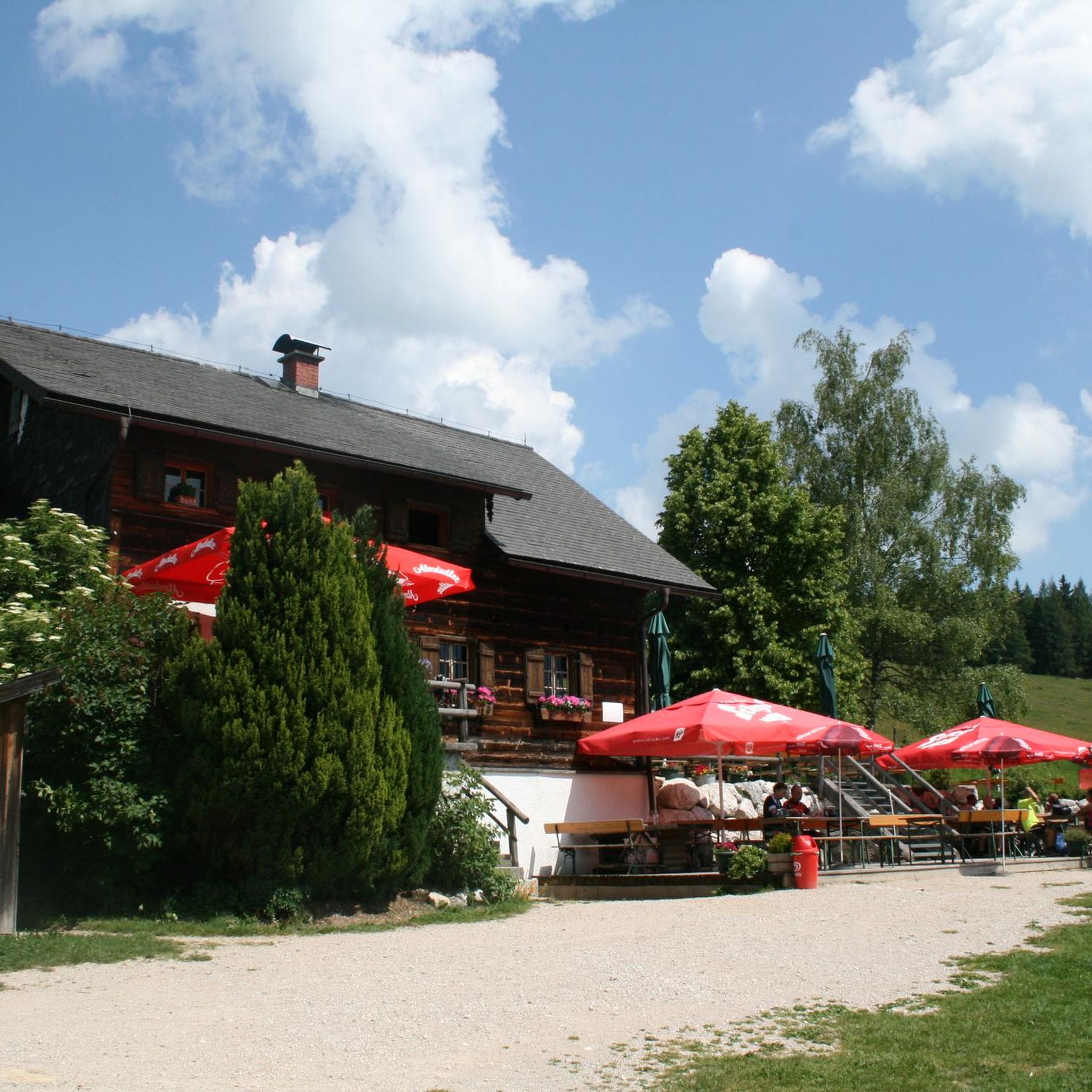
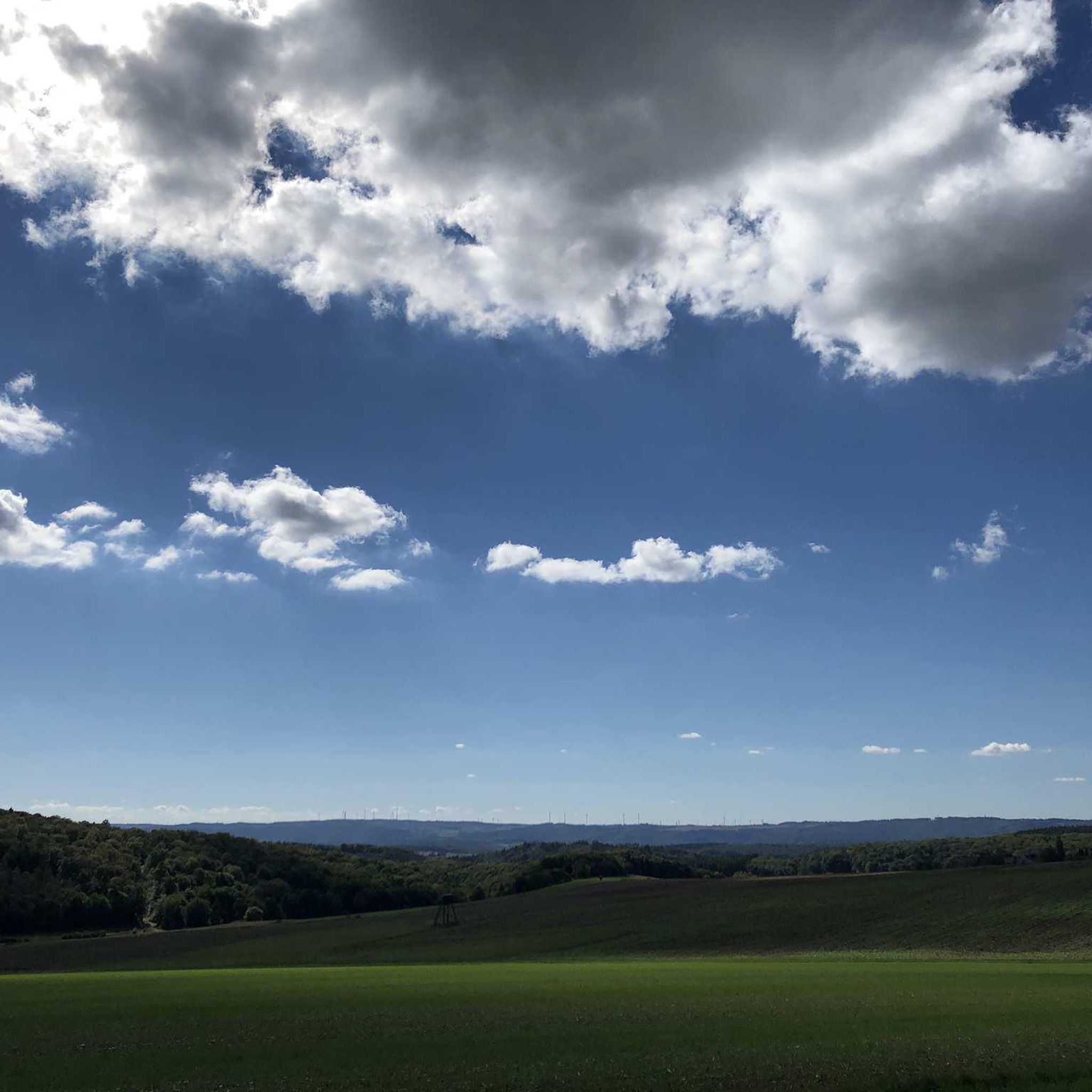
A great and beautiful landscape.
1
0

Path leading down from the castle. Beautiful view of the surrounding area.
0
0


Frequently Asked Questions
How many touring cycling routes are available around Ramous?
There are over 80 touring cycling routes available in the Ramous area, offering a wide range of options for different skill levels and preferences. You can find routes varying from easy to difficult, traversing river valleys, historical towns, and agricultural landscapes.
Are there easy touring cycling routes suitable for beginners in Ramous?
Yes, Ramous offers several easy touring cycling routes perfect for beginners or those looking for a relaxed ride. There are 6 routes classified as easy. These routes typically feature flatter sections and less challenging terrain, allowing you to enjoy the scenery without strenuous climbs.
What kind of terrain can I expect on touring cycling routes in Ramous?
The terrain around Ramous is characterized by rolling hills, river valleys, and agricultural areas within the Nouvelle-Aquitaine region of France. You'll encounter a mix of moderate climbs and flatter sections, often connecting historical sites like old bridges and castles with quieter paths.
Are there any challenging touring cycling routes for experienced riders?
Yes, for experienced touring cyclists seeking a challenge, Ramous offers 27 difficult routes. An example is the Wonderful, quiet bike path – Tunnel loop from Puyoô, which covers 46.9 miles (75.4 km) and includes significant elevation changes, leading through diverse landscapes.
What are some notable historical sites or landmarks I can see along the touring cycling routes?
Many routes in Ramous pass by significant historical sites. You might encounter the Pont Vieux of Orthez, an ancient bridge, or the Moncade Castle - Orthez. The region's historical towns often feature charming architecture and points of interest like Saint Peter's Church.
Are there circular touring cycling routes around Ramous?
Yes, many touring cycling routes around Ramous are designed as loops, allowing you to start and finish at the same point. For instance, the Pont Vieux of Orthez – Château de Bellocq loop from Bellocq is a popular circular option connecting historical sites with scenic paths.
What do other touring cyclists enjoy most about cycling in Ramous?
The touring cycling routes in Ramous are highly rated by the komoot community, with an average score of 4.5 stars from over 80 reviews. Cyclists often praise the region's mix of historical towns, river valleys, and rolling hills, as well as the variety of routes suitable for different ability levels.
Are there any routes that feature tunnels or unique natural formations?
Yes, some routes incorporate interesting features like tunnels. The Tunnel – Tunnel loop from Salles-Mongiscard is a moderate 21.1-mile (33.9 km) path that features varied terrain, including tunnel sections, offering a unique cycling experience.
What is a good moderate touring cycling route to explore the area?
A great moderate option is the Tunnel – Tunnel loop from Puyoô. This 36.7 km route offers a balanced experience of the region's landscapes and can be completed in about 2 hours 14 minutes, making it suitable for a half-day adventure.
Can I find longer touring cycling routes that combine historical sites and scenic views?
Absolutely. For a longer ride that blends history and scenery, consider the Pont Vieux of Orthez – Moncade Castle - Orthez loop from Bellocq. This moderate 60.6 km route allows you to explore significant landmarks while enjoying the diverse landscapes of Ramous.
When is the best time of year to go touring cycling in Ramous?
Given the region's climate in Nouvelle-Aquitaine, spring (April-June) and autumn (September-October) are generally the best times for touring cycling in Ramous. During these seasons, the weather is typically mild and pleasant, with less extreme heat than summer and fewer chances of winter cold or rain, making for ideal riding conditions through the rolling hills and agricultural areas.
Most popular attractions around Ramous

Get inspired with the komoot mobile app


Explore more
Browse the best Cycling routes in other regions.
