Attractions and Places To See around Cauroy-Lès-Hermonville - Top 20
Best attractions and places to see around Cauroy-Lès-Hermonville include a blend of historical, cultural, and natural sites. This commune in the Marne department of north-eastern France features historical monuments, military cemeteries, and unique natural formations. The area is situated near the Champagne Tourist Route, offering access to the wider region's landscape and heritage. Visitors can explore sites reflecting ancient geology and significant historical events.
Best attractions and places to see around Cauroy-Lès-Hermonville
- The most popular attractions is Hermonville, a…
Last updated: July 6, 2026
Cormicy National Necropolis
Highlight • Other
Translated by Google •
Tip by

St. Pierre Church - Guignicourt
Highlight • Other
Translated by Google •
Tip by

Sign up now to discover places like this
Get recommendations on the best single tracks, peaks, & plenty of other exciting outdoor places.
Sign up for free
Châlons-sur-Vesle Sandpit
Highlight • Natural
Translated by Google •
Tip by
Mairie de Villeneuve-sur-Aisne
Highlight • Other
Translated by Google •
Tip by
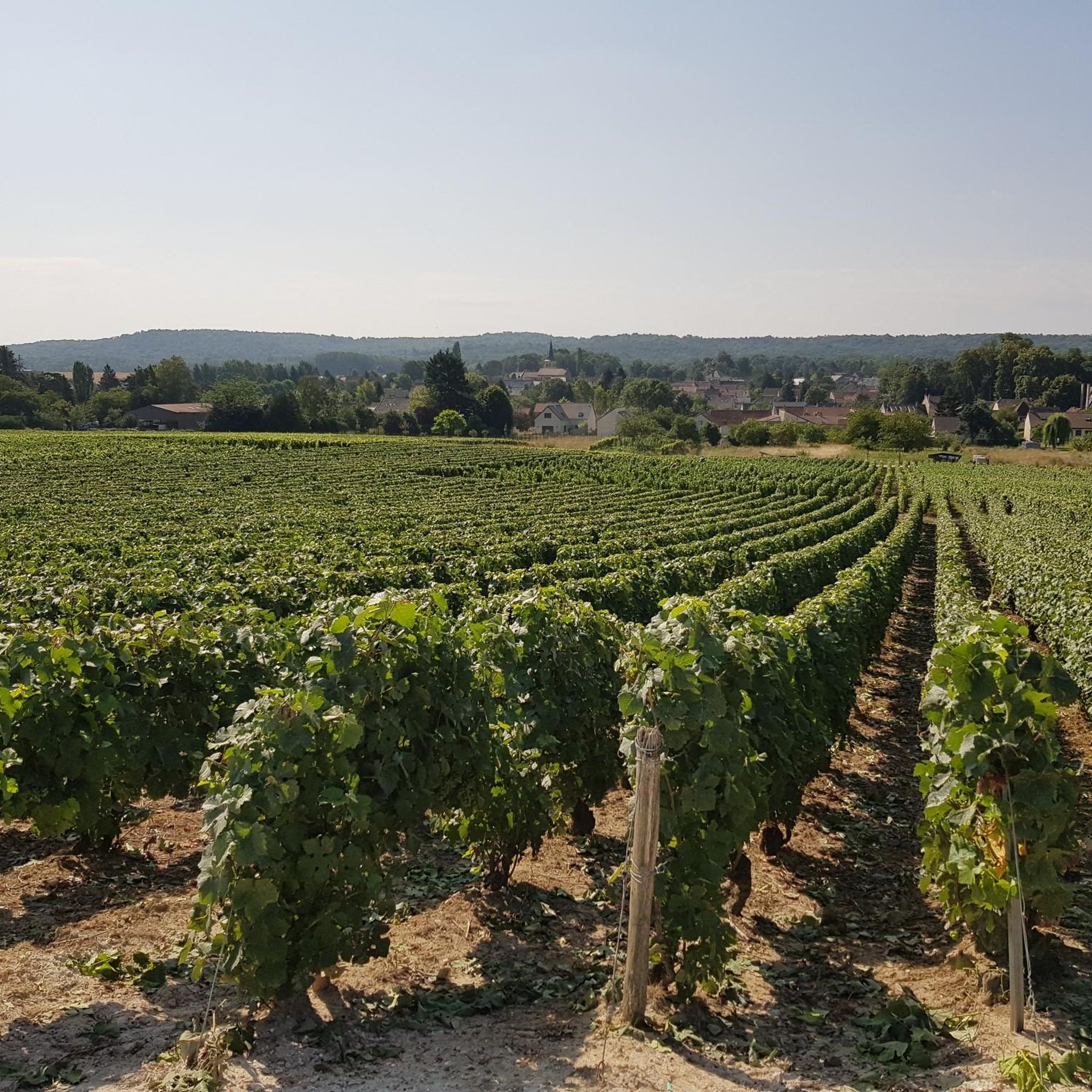
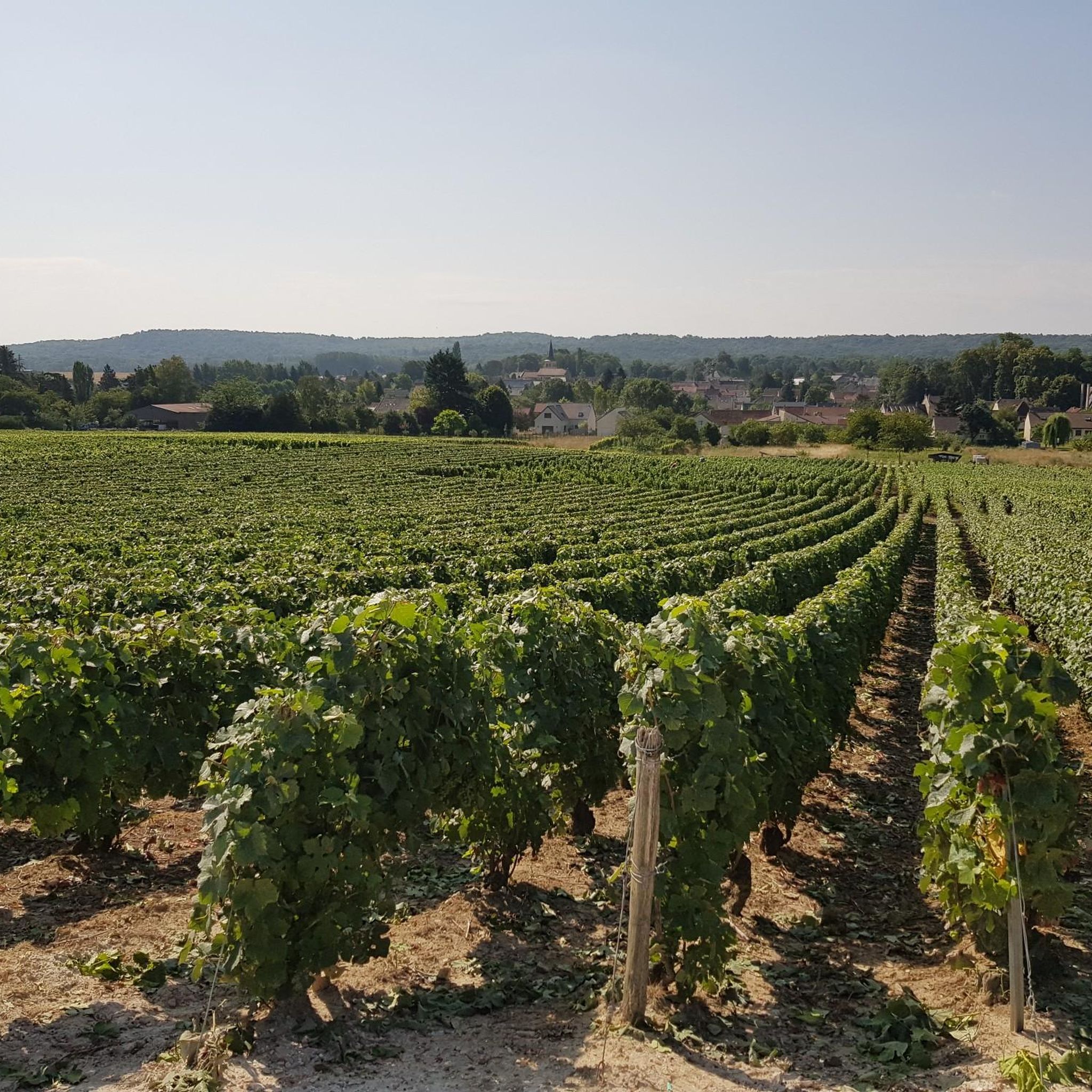
Vinyard of the Chenay
Highlight • Other
Translated by Google •
Tip by

Sign up for free to discover even more attractions around Cauroy-Lès-Hermonville.
Sign up for free
Already have an account?
Start today with a free account
Your next adventure awaits.
Login or Signup

Tips from the Community

The town hall of Guignicourt, now part of the merged municipality of Villeneuve-sur-Aisne since 2019, is located in the historic heart of the village. The building reflects the classic style of French rural municipalities and serves as the administrative centre for the region. Situated on the Aisne River, Guignicourt has a long history as a railway junction and trading centre in the former Laonnois.
10
0
In 1924, this memorial was erected in memory of the 22 soldiers and 12 civilians from Guignicourt who died during the First World War. The monument, located near the church, shows in relief a peasant couple mourning at a grave – a rare human and modest image rather than a classic military symbol. It recalls the deep suffering that the war left in this hard-hit municipality.
9
0
This church, built between the 11th and 13th centuries, is a fine example of transitional architecture between Romanesque and Gothic. It was built on the site of an earlier wooden church and possibly even a Gallo-Roman sanctuary. The construction was partly financed by the Abbey of Saint-Hubert (Belgium), which owned land in the region. The church has been protected as a historical monument since 1921.
9
0

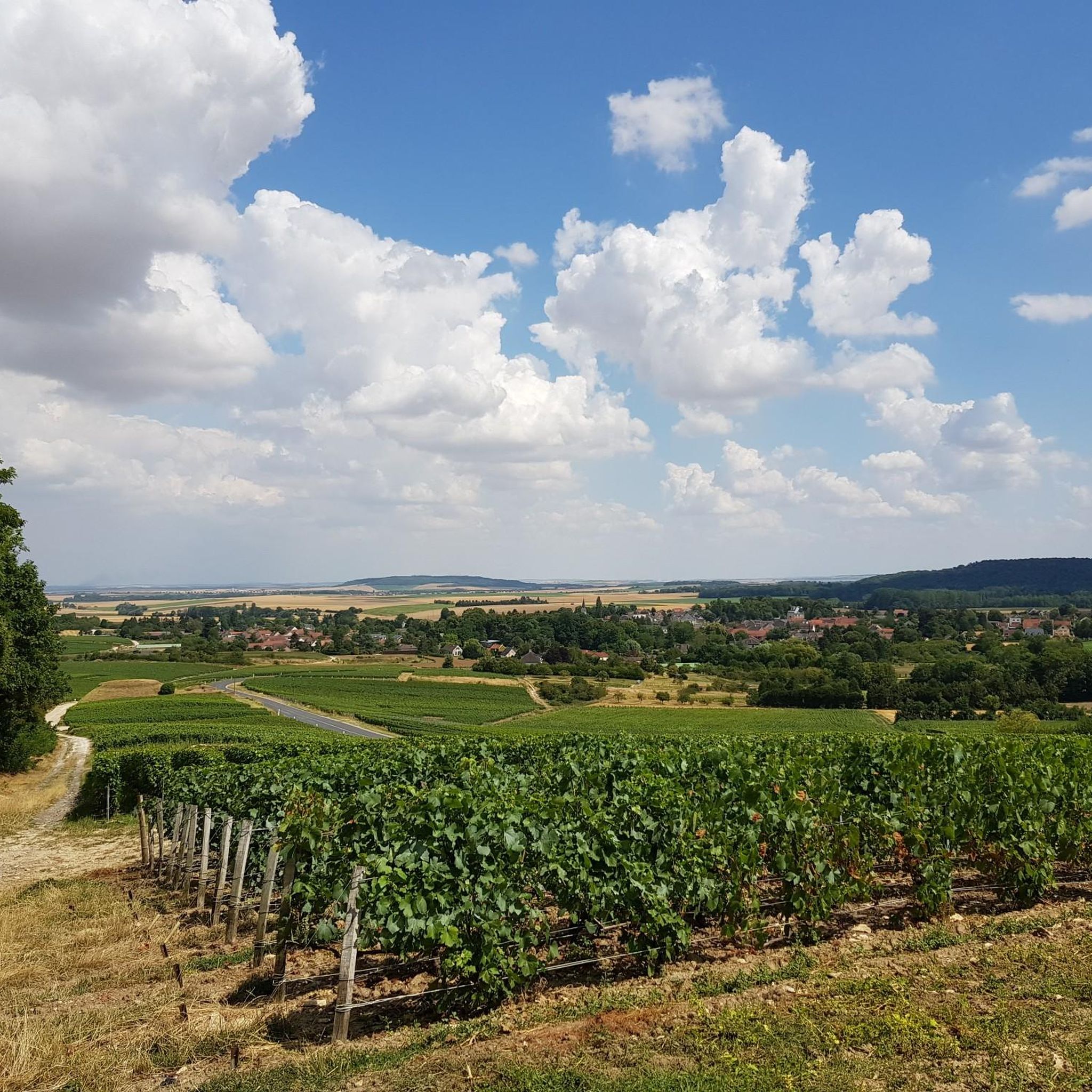
To the northwest of Reims, the Chenay vineyard is made up of a vast plateau on which stretch beautiful champagne vines. In autumn, the spectacle is even more magnificent.
2
0

Very nice building in the center of Villeneuve-sur-Aisne
3
0
Beautiful church with a World War I memorial in front of it
3
0
The Nécropole nationale de Cormicy is a French military cemetery from the First World War, located in the municipality of Cormicy, near Reims. The cemetery was created during the war to collect the bodies of the soldiers who died during the fighting on the Chemin des Dames. The cemetery was later expanded to include bodies excavated from other temporary cemeteries in the Vesle valley12. The cemetery has an area of 44,213 m² and contains 14,431 graves, of which 6,945 are in two ossuaries. Among the buried soldiers are two British from the First World War and ten from the Second World War. The cemetery is also called “La Maison Bleue”, after the farm that used to be there.
13
0

On the edge of the Canal de l'Aisne à la Marne is this necropolis which pays homage to the dead of the great war. A little further in Berry-au-Bac, you will find another monument dedicated to the deaths of the tanks.
4
0
Frequently Asked Questions
What historical sites can I visit around Cauroy-lès-Hermonville?
The region is rich in history. You can explore the Cormicy National Necropolis, a significant French military cemetery from the First World War. Another notable site is the St. Pierre Church - Guignicourt, an architectural blend of Romanesque and Gothic styles dating back to the 11th-13th centuries, which also features a World War I memorial.
Are there any unique natural features to explore near Cauroy-lès-Hermonville?
Yes, the Châlons-sur-Vesle Sandpit is a fascinating natural area. It's not an old quarry but a naturally formed site with a 'seaside look,' showing traces of an ancient ocean's presence millions of years ago, including a very old coral reef and tiny seashells. It is a protected area, and collecting sand is prohibited.
What kind of outdoor activities can I do around Cauroy-lès-Hermonville?
The area offers various outdoor activities. You can find numerous routes for gravel biking, running, and road cycling. For example, explore the 'Saint-Hilaire Church – Fort de Chenay loop' for gravel biking, or the 'Gravel Path Under the Trees loop' for running. You can find more details and routes on the Gravel biking around Cauroy-Lès-Hermonville, Running Trails around Cauroy-Lès-Hermonville, and Road Cycling Routes around Cauroy-Lès-Hermonville guide pages.
Is there a charming town nearby worth visiting?
Absolutely. The charming town of Hermonville is part of the nearby outer ring of Reims and is crossed by the Champagne Tourist Route. It is also part of the Massif de Saint Thierry and features a church that is a listed historical monument.
Are there any unique cultural experiences or crafts in the area?
Yes, the Tonnellerie de Champagne in Cauroy-lès-Hermonville offers a glimpse into the rare craft of barrel making. Jérôme Viard, the cooper, is known for sharing his expertise in this traditional art.
What is the Notre-Dame-et-St-Nicaise Church known for?
The Notre-Dame-et-St-Nicaise Church, dating back to the 12th and 13th centuries, is a classified historical monument. It showcases transitional Romanesque and Gothic architecture and houses several protected historical objects, including a 17th-century sculpture group and 16th-century sculptures of Saint Fiacrius and a Seated Madonna.
Can I find war memorials in Cauroy-lès-Hermonville?
Yes, in addition to the Cormicy National Necropolis, you can visit the Monument aux Morts. Erected in 1925, this war memorial commemorates the soldiers and civilians from Cauroy-lès-Hermonville who died in the First and Second World Wars.
What kind of architecture can I expect to see in the churches around the region?
The churches in the region often display a blend of architectural styles. For instance, the Notre-Dame-et-St-Nicaise Church features transitional Romanesque and Gothic architecture, while the St. Pierre Church - Guignicourt is a fine example of transitional architecture between Romanesque and Gothic, built between the 11th and 13th centuries.
Are there any specific tips for visiting the Châlons-sur-Vesle Sandpit?
The Châlons-sur-Vesle Sandpit is a protected natural area. While it's a beautiful spot to observe ancient geological traces, it is strictly forbidden to collect sand or disturb the site.
What is the significance of the Cormicy National Necropolis?
The Cormicy National Necropolis is a French military cemetery from the First World War, located on the edge of the Canal de l'Aisne à la Marne. It covers an area of 44,213 m² and contains 14,431 graves, including two ossuaries, honoring those who died during the Great War.
What is the Mairie de Villeneuve-sur-Aisne?
The Mairie de Villeneuve-sur-Aisne, formerly the town hall of Guignicourt, is located in the historic heart of the village. It reflects the classic style of French rural municipalities and serves as the administrative center for the region, which has a long history as a railway junction and trading center.
Most popular routes around Cauroy-Lès-Hermonville

Get inspired with the komoot mobile app


Explore more
Still not found the Highlight you’re looking for? See guides of the top attractions in other regions:
