The best running trails around Geisa
4.3
(12)
162
runners
27
runs
Jogging around Geisa offers routes through the rolling hills and forested landscapes of the Rhön region. The area is characterized by a mix of open fields, historical sites, and gentle ascents, providing varied terrain for runners. Trails often follow paths through natural surroundings and connect to local points of interest. The network of running routes caters to different fitness levels, from easy loops to more challenging paths.
Best jogging routes around Geisa
- The most popular jogging route is Point Alpha…
Last updated: July 1, 2026
5.0
(2)
15
runners
9.19km
01:03
160m
160m
Moderate run. Good fitness required. Mostly paved surfaces. Suitable for all skill levels.
3.0
(1)
12
runners
7.62km
00:50
110m
110m
Moderate run. Good fitness required. Mostly paved surfaces. Suitable for all skill levels.

Sign up for free
3.0
(1)
11
runners
4.81km
00:32
30m
30m
Easy run. Great for any fitness level. Mostly paved surfaces. Suitable for all skill levels.
15
runners
15.7km
01:40
70m
70m
Hard run. Very good fitness required. Mostly paved surfaces. Suitable for all skill levels.
5.0
(2)
9
runners
9.54km
01:00
80m
80m
Moderate run. Good fitness required. Mostly paved surfaces. Suitable for all skill levels.
Get access to more routes and recommendations from other explorers.
Sign up for free
Already have an account?
Our route recommendations are based on thousands of hikes, rides, and runs completed by other people on komoot.
Start today with a free account
Your next adventure awaits.
Login or Signup
Popular around Geisa
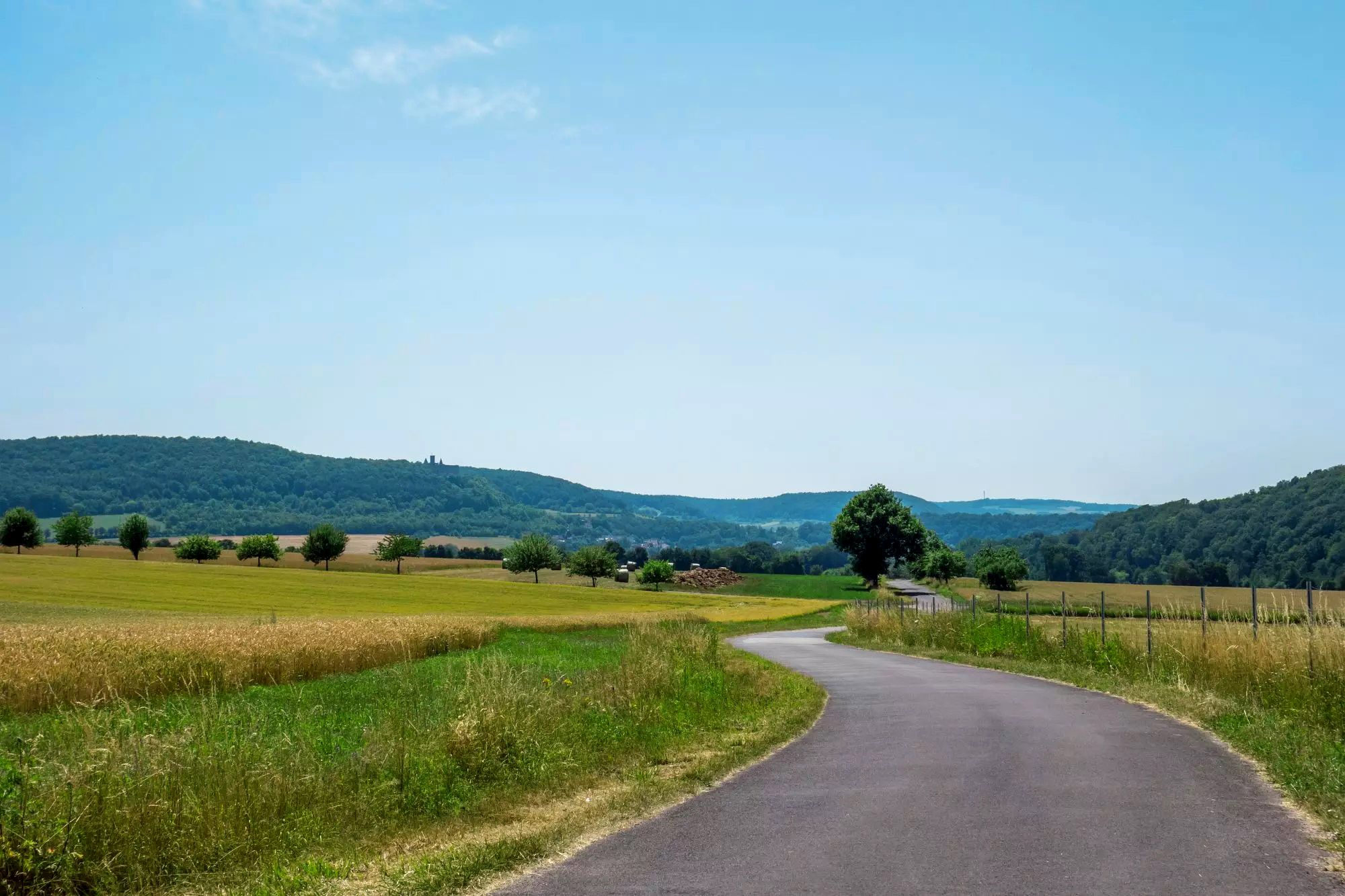
Rhön Cycleway in Germany – Cycling in the Land of Open Distances
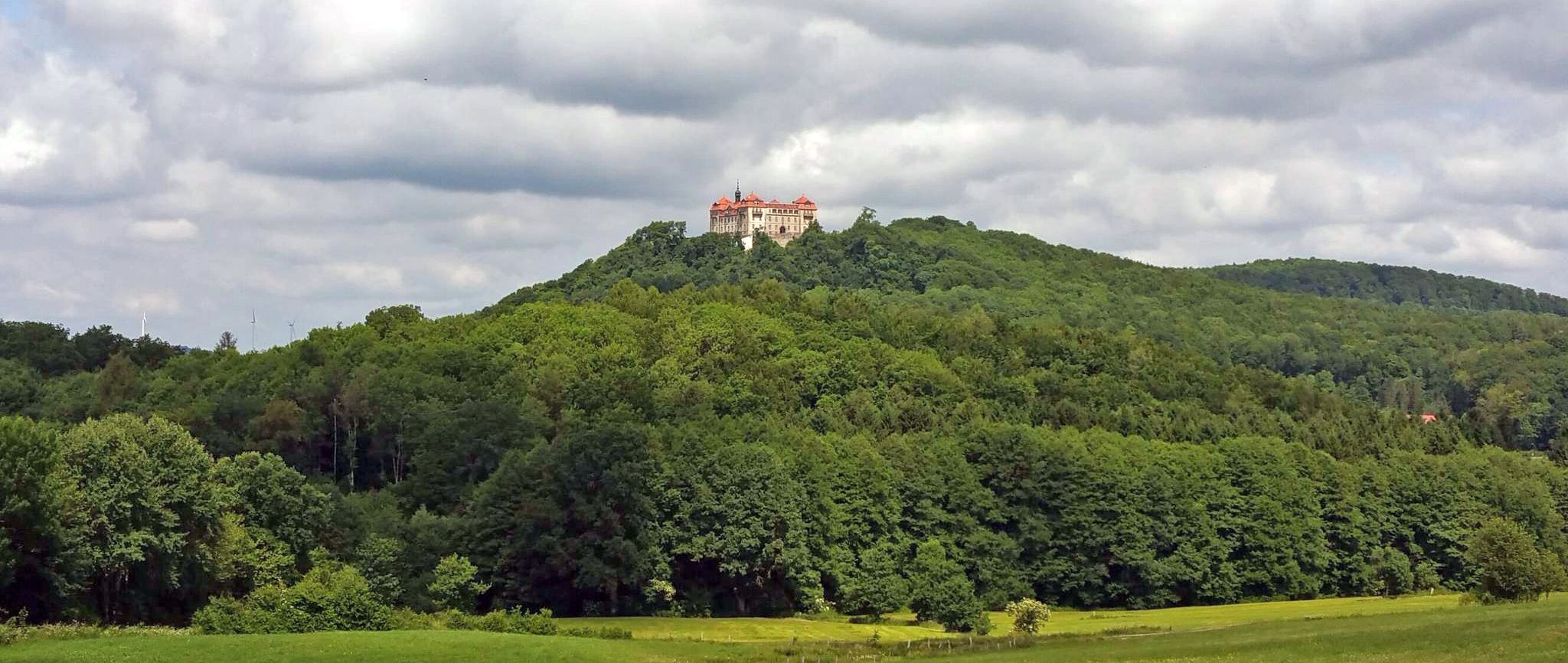
BahnRadweg Hessen — castles, palaces & beautiful nature
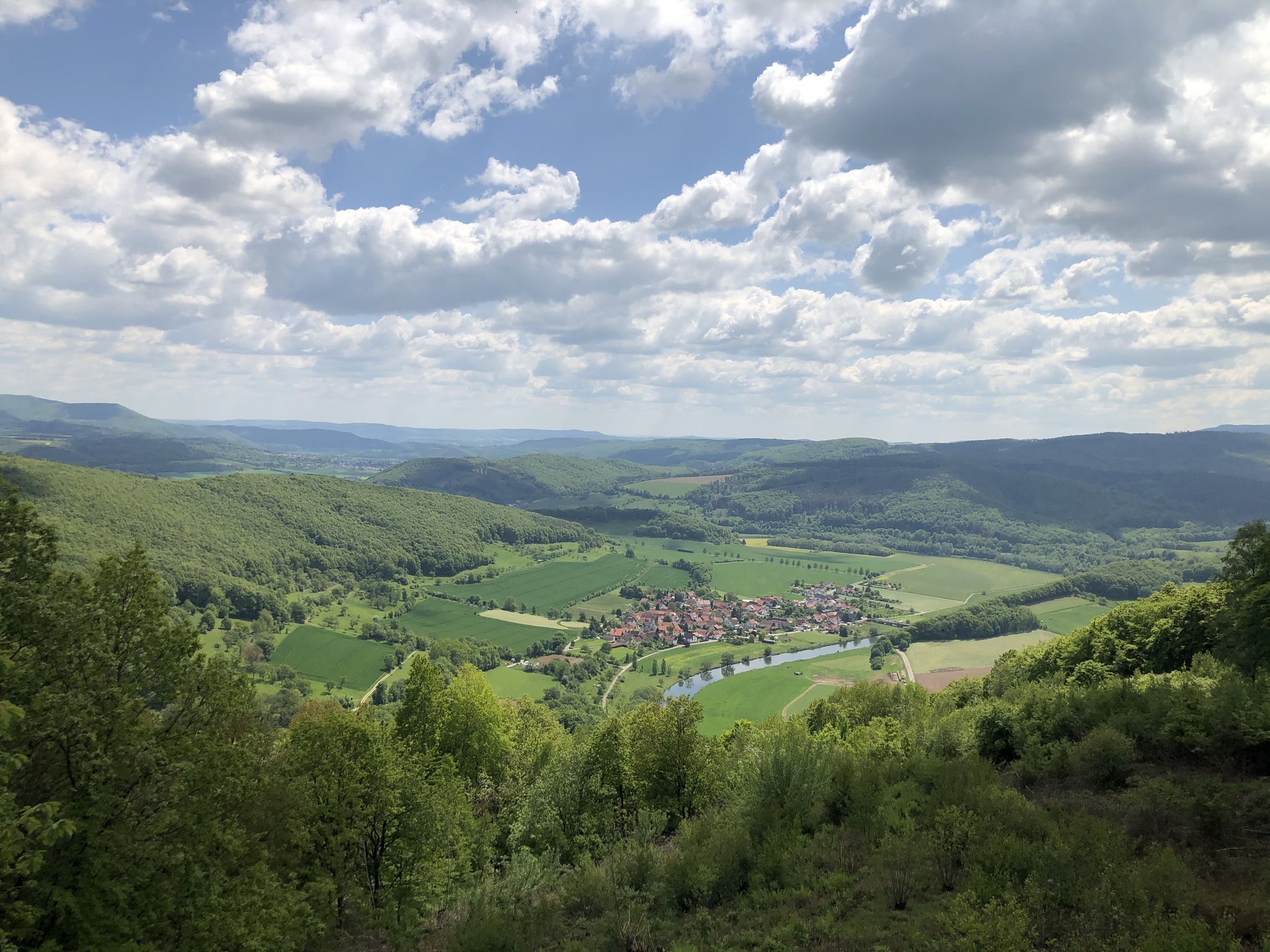
Wonderful Green Band
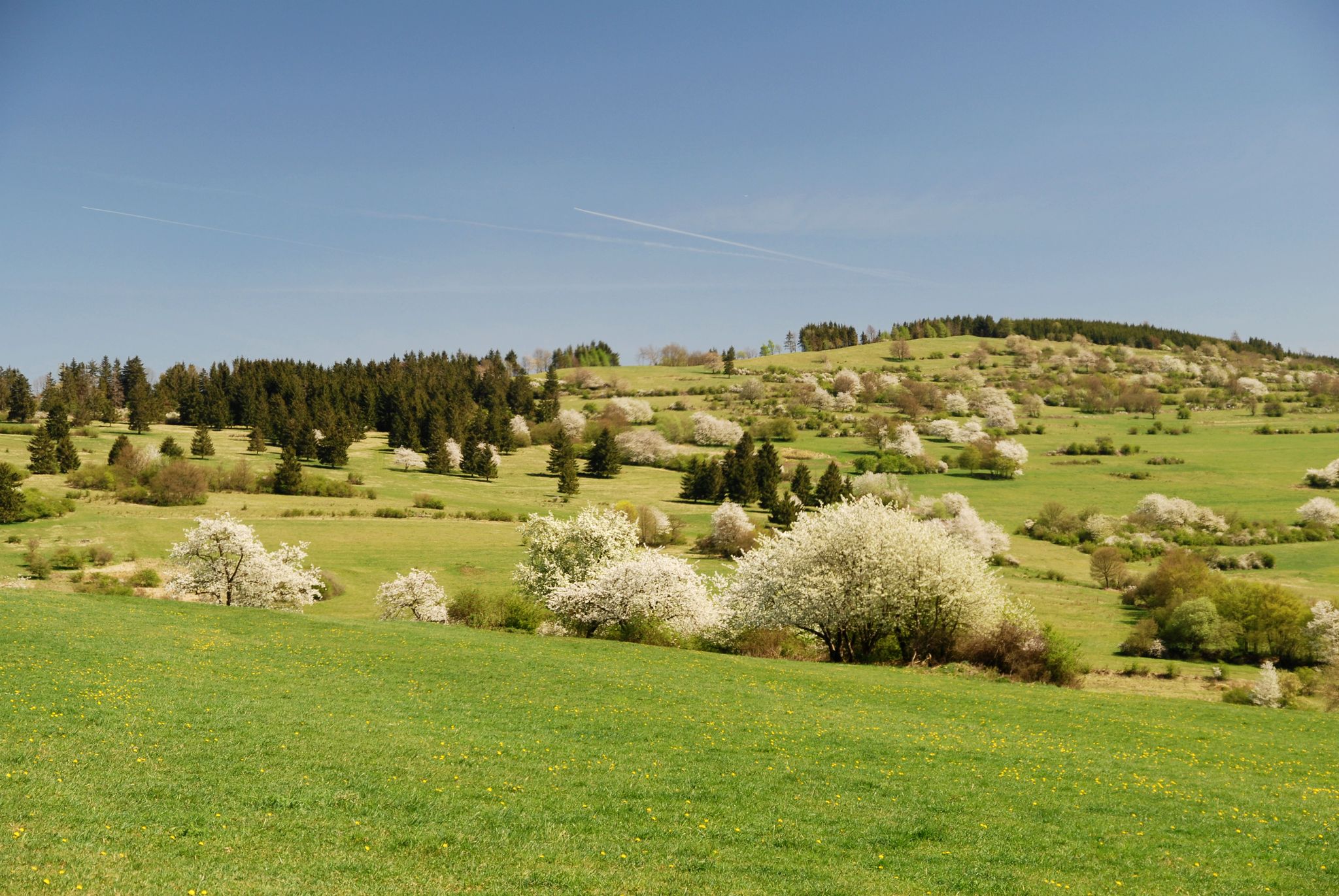
Extra tours North - excellent premium hiking trails of Rhön
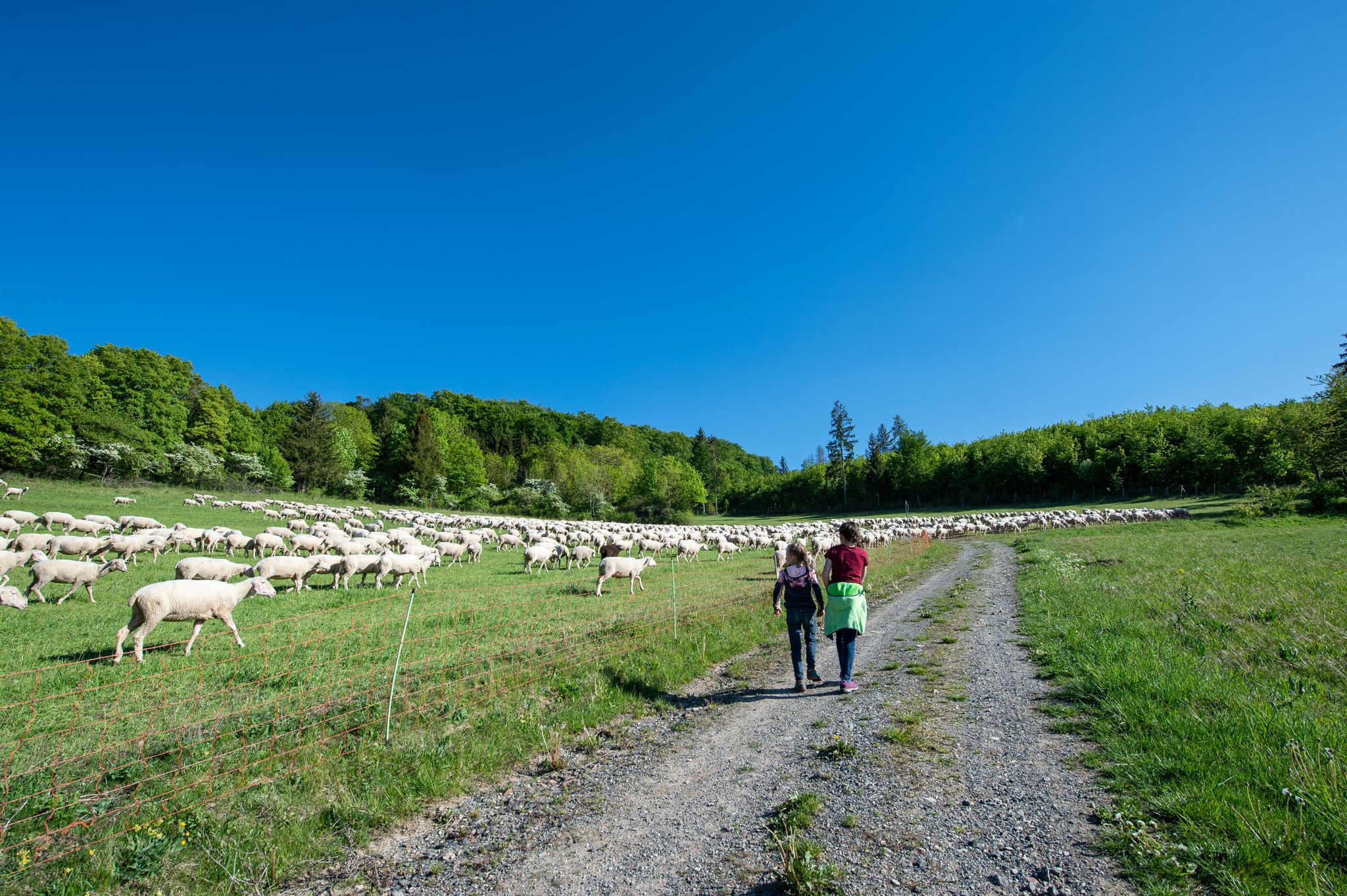
Family paths - on the way with kids in the Rhön
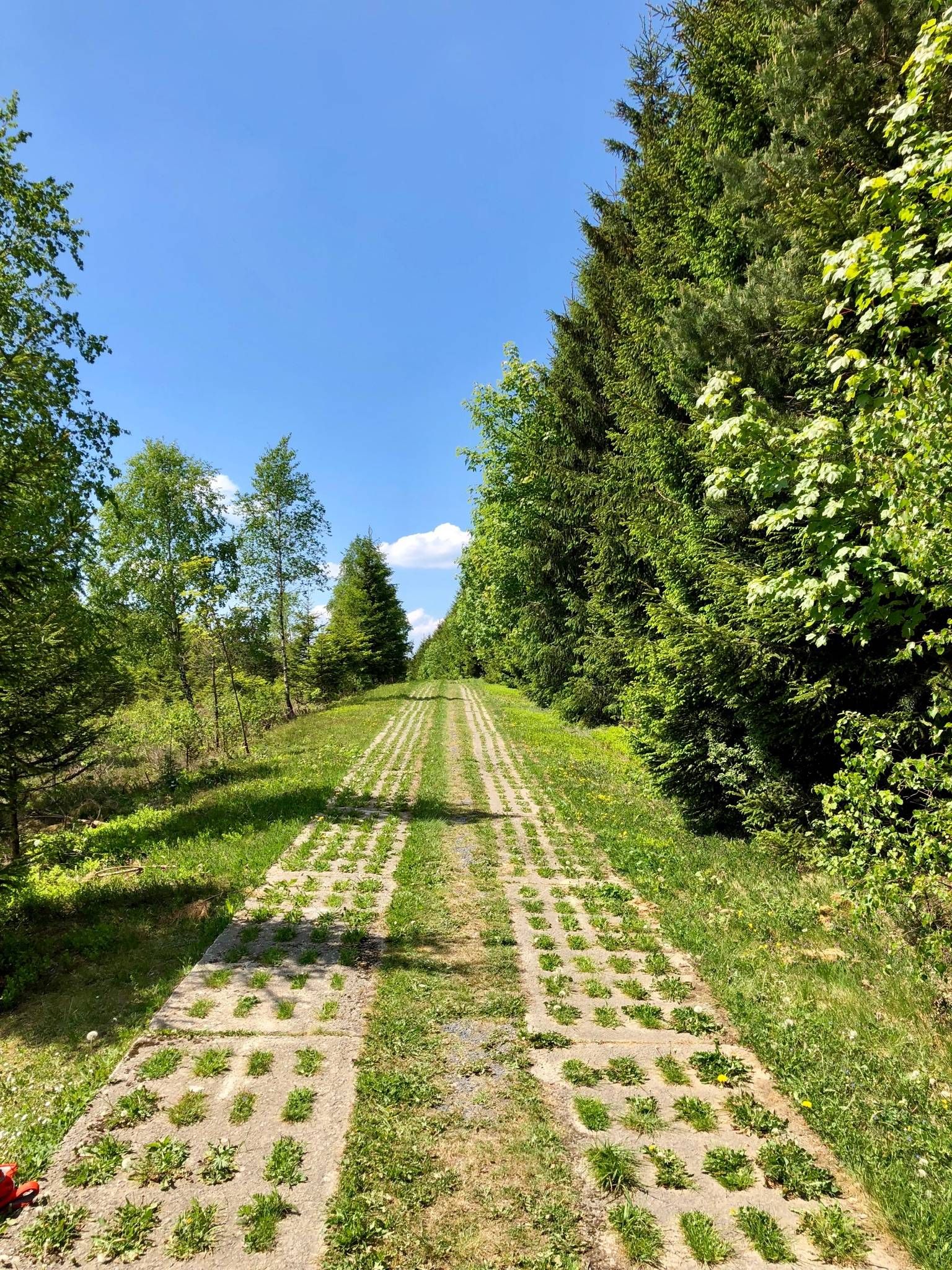
Experience history – day Tours at the Green Belt in Thuringia
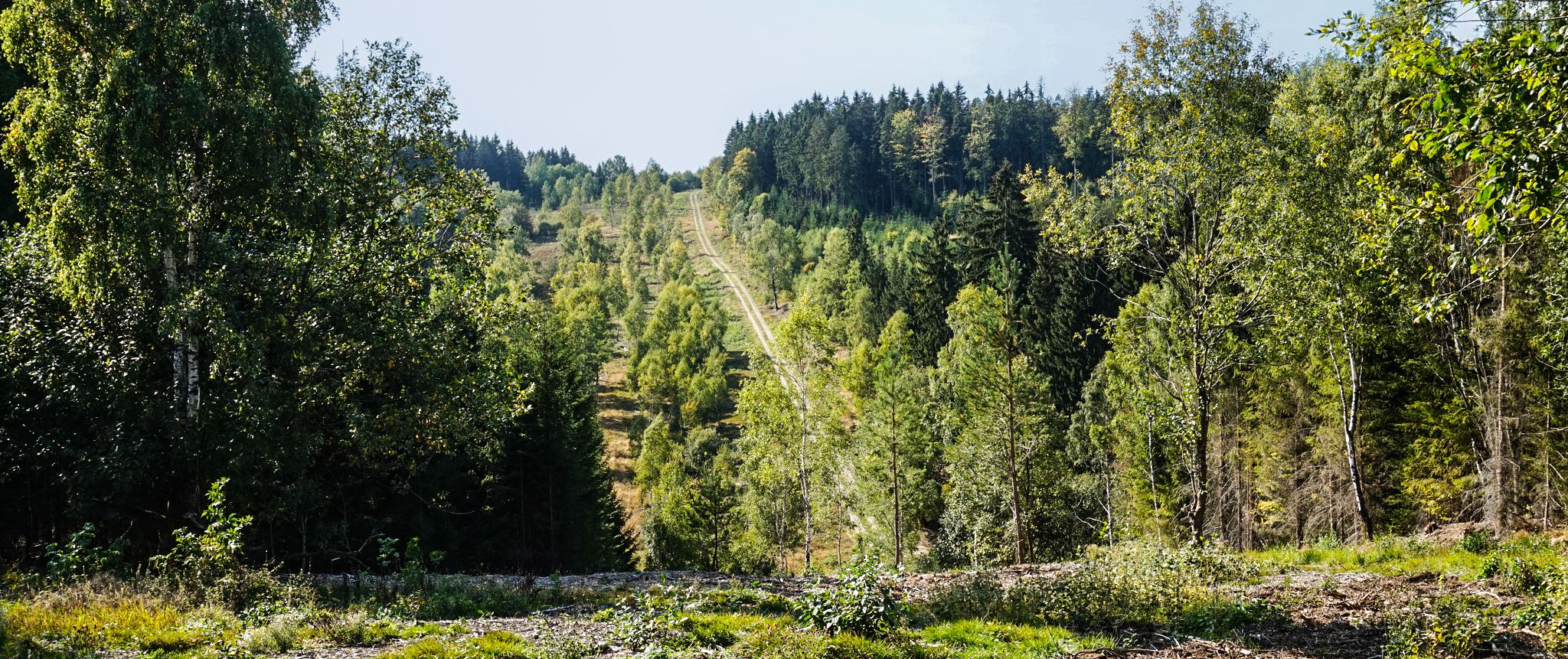
Discover the nature along the “Greenbelt” together with the BUND
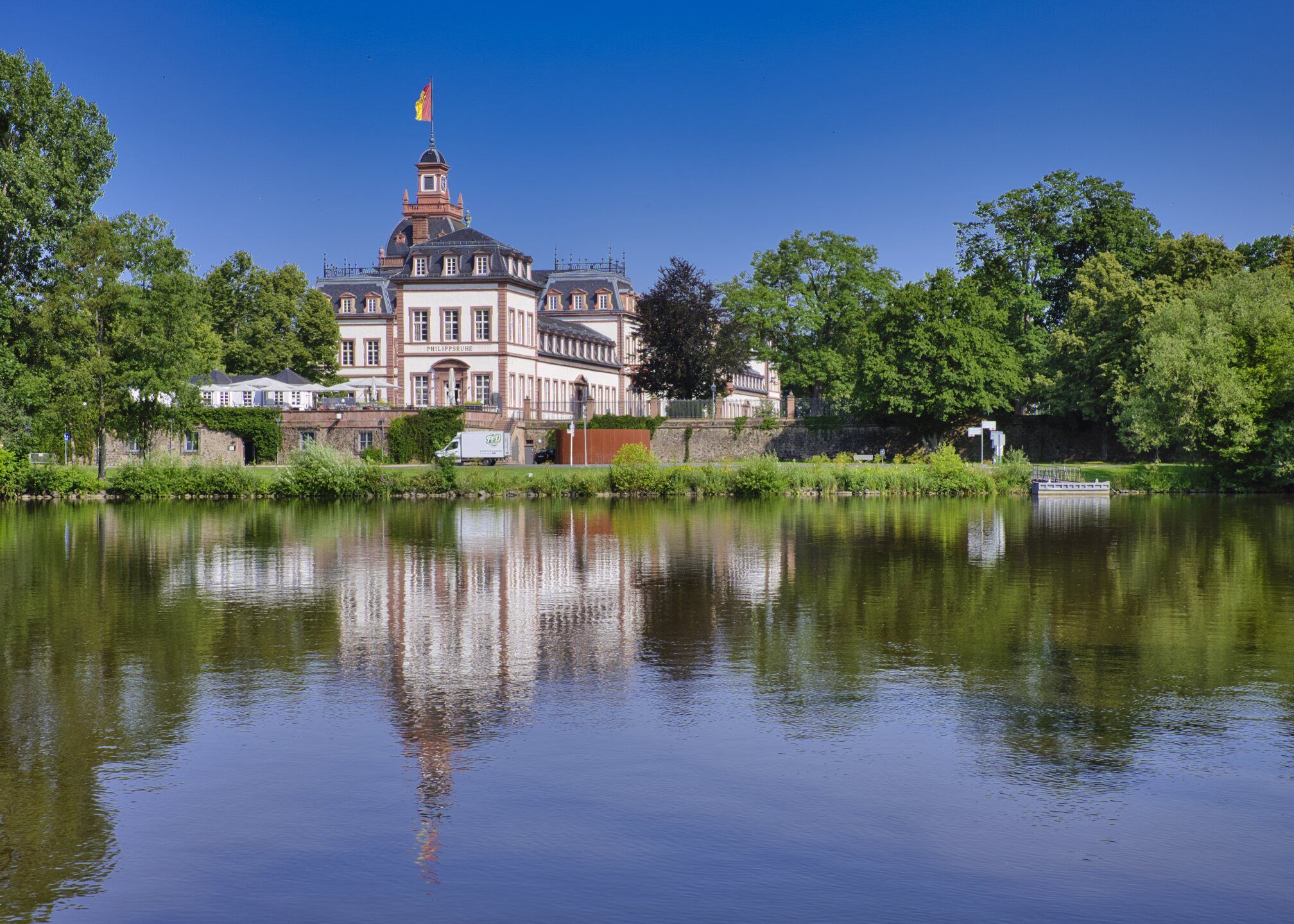
Rad-Kurzurlaube im RMV – Einfach mal raus!
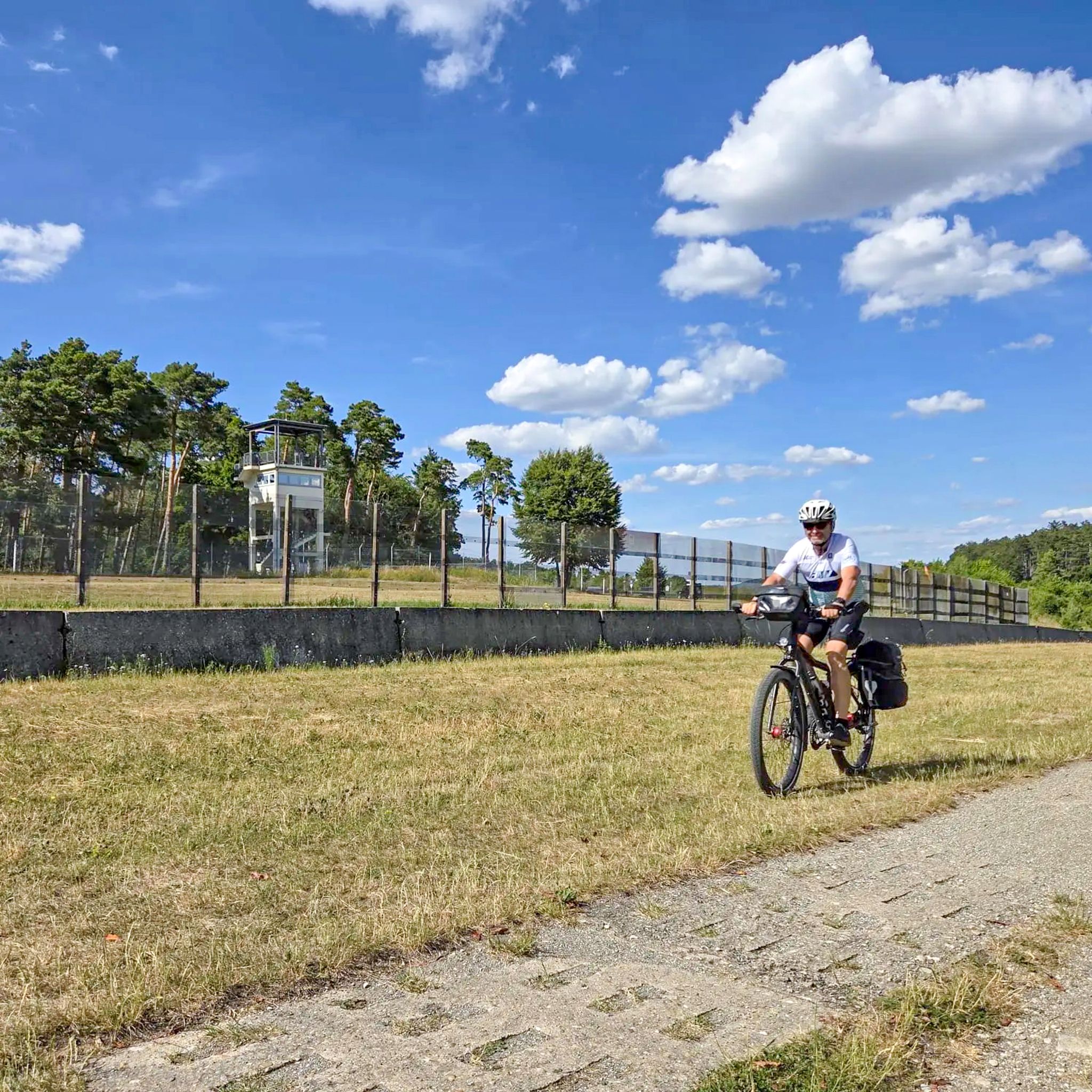
Radtouren zum Tag der Deutschen Einheit – Unterwegs im Fulda-Gap
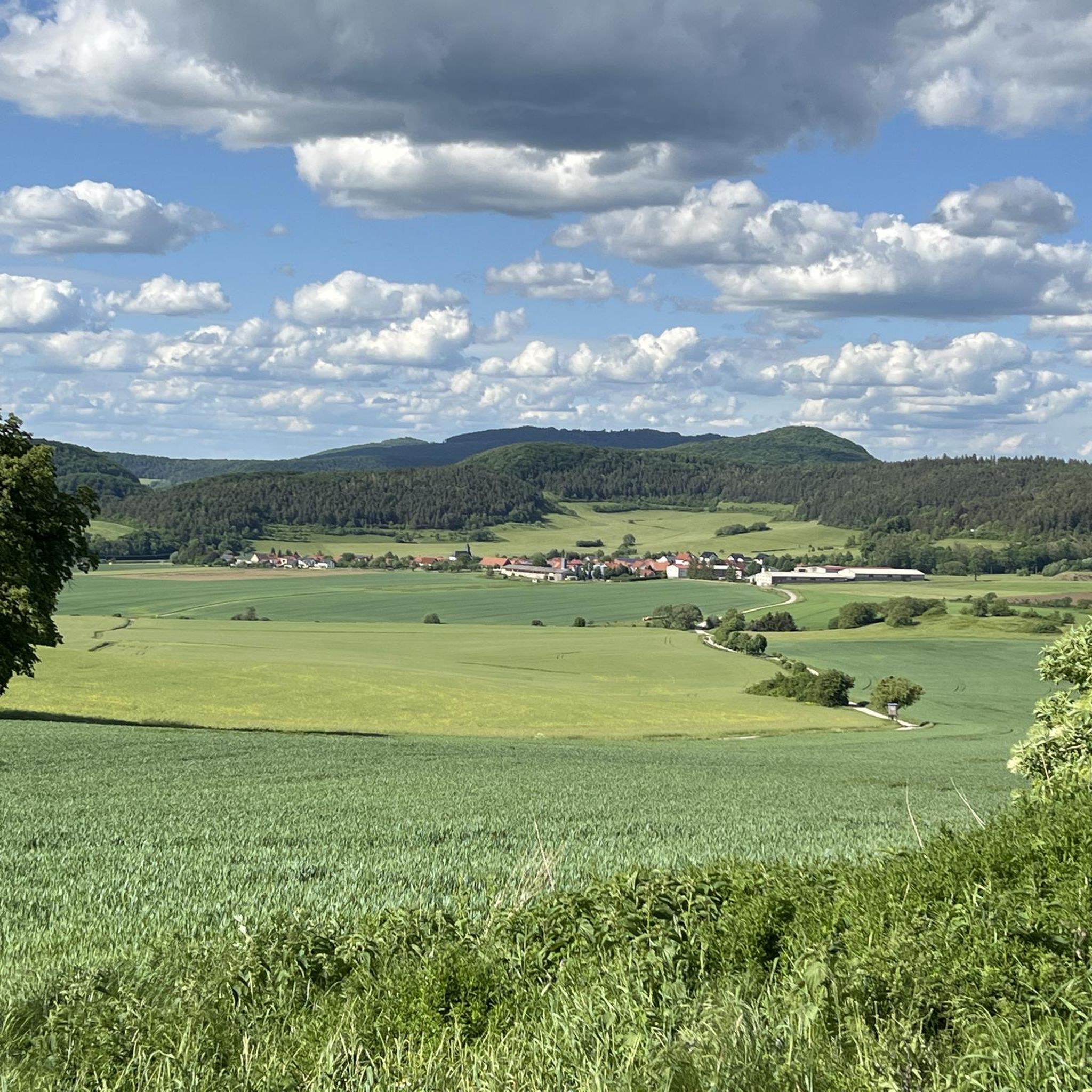
Hiking around Geisa
Other adventures around Geisa


Tips from the Community

Along the Green Belt directly on the Point-Alpha-Weg, an outdoor pavilion with three rotating sun loungers has been set up on a sun plateau. There, you can also learn interesting facts about the special history of the place from information boards - Wiesenfeld became known primarily for a mass exodus out of fear of forced evacuations. Quelle: https://www.rhoen.info/w/opendata/poi/sonnenplateau-wiesenfeld
1
0
The building of the former Marstall was made available by the Grand Duke in Weimar to the Evangelicals as a prayer room, later a church. The church and the community were intensely supported in their history by the Gustav-Adolf-Verein and -Werk. In the church, there is a Knauf organ.
1
0

The town hall of Geisa.
0
0

The dedication to "Our Lady of the Snows"—a not very common one in my experience—indicates that this church/chapel was dedicated to the Virgin Mary, but not, as is usually the case, to one of her classic feast days (such as the Holy Name of Mary, the Nativity, the Assumption, or as Queen of the Rosary). Rather, the search for the origin of "Our Lady of the Snows" takes us far back in church history to the fourth/fifth century, and geographically, across the Alps to the Italian capital. On August 5, 363, at the very spot where the magnificent Basilica of Santa Maria Maggiore now stands (where Pope Francis was buried a few months ago), the so-called "Miracle of the Snows" occurred. That is to say, on that day, in the middle of summer, snow lay there in the morning because the Virgin Mary wished to have a church dedicated to her built on that very spot. She conveyed this wish in a nighttime vision to a wealthy couple—who financed the construction—and to the Bishop of Rome, Pope Liberius. The Roman church holds the rank of a patriarchal basilica (papal basilica); it is the origin of all churches and chapels with this patronage. In the liturgical calendar of the Catholic Church, August 5th, the church's consecration day (in the year 432 by Pope Sixtus III), is an optional memorial.
1
0
Traveling in the Rhön region.
0
0

The rest area offers protection from sun and rain.
1
0
With the construction and expansion of the barriers along the inner-German border, observation towers or border towers became an important component of the border security system. These towers served primarily to prevent the escape of GDR citizens and were usually located directly behind the frontier border installations (border fence or border wall). The observation towers, originally constructed of wood, were replaced by concrete towers starting around 1969. (Source: Wikipedia)
2
0

Frequently Asked Questions
How many running routes are available around Geisa?
There are over 25 running routes around Geisa, offering a variety of distances and difficulty levels. This includes 4 easy routes, 21 moderate routes, and 3 more challenging trails, ensuring options for every runner.
Are there any easy or beginner-friendly jogging routes in Geisa?
Yes, Geisa offers several easy running routes suitable for beginners or those looking for a relaxed jog. One such option is the Running loop from Geisa, a 3.0-mile (4.8 km) trail that typically takes around 32 minutes to complete.
Can I find circular running routes in the Geisa area?
Many of the running routes around Geisa are designed as circular loops, allowing you to start and finish in the same location. For example, the Geisa Castle loop from Geisa is a moderate 4.7-mile (7.6 km) circular path offering views of the historic castle and countryside.
What kind of scenery can I expect on the jogging trails near Geisa?
The running trails around Geisa traverse the diverse landscapes of the Rhön region. You can expect a mix of rolling hills, open fields, and forested sections. Many routes also pass by historical sites and offer scenic viewpoints, such as the Point Alpha Memorial – Point Alpha Way of the Cross loop from Geisa.
Are there any viewpoints or interesting landmarks along the running routes?
Yes, several running routes offer access to scenic viewpoints and historical landmarks. For instance, the View of Habelberg loop from Geisa provides expansive vistas. You can also find highlights like the View to the north from Obergruben Saddle, which might be accessible from various trails.
Are the running trails around Geisa suitable for families?
Many of the easier and moderate routes around Geisa are suitable for families, especially those with older children who enjoy running. The varied terrain and relatively gentle ascents on trails like the Running loop from Geisa make them enjoyable for a family outing.
What do other runners say about the jogging experience in Geisa?
The running routes in Geisa are highly regarded by the komoot community, holding an average rating of 4.3 stars from over 10 reviews. Runners often praise the varied terrain, the mix of natural surroundings and historical sites, and the well-maintained paths.
Are there any longer or more challenging running routes for experienced runners?
For experienced runners seeking a greater challenge, Geisa offers several longer and more demanding routes. The View of Habelberg loop from Geisa is a difficult 9.7-mile (15.7 km) trail with more elevation gain, providing a good workout and extensive views.
Can I find running routes that pass by cafes or places to rest?
While specific cafes directly on every trail are not guaranteed, many routes are close to Geisa town center or pass through smaller villages where you can find local bakeries or cafes for a break. It's advisable to check the route map for proximity to amenities before you set out.
What is the best time of year to go jogging in Geisa?
The best time for jogging in Geisa is generally from spring through autumn (April to October), when the weather is mild and the landscapes are vibrant. The rolling hills and forested areas provide pleasant conditions. Winter running is also possible, but trails may be icy or muddy, so appropriate gear is recommended.
Are there any hidden gem running routes in the Geisa area?
For a less frequented but equally rewarding experience, consider the Start of Embergradweg – View of Buttlar loop from Geisa. This moderate 5.9-mile (9.5 km) route offers beautiful views and a chance to explore a different part of the local landscape away from the most popular trails.
What are the typical distances and durations for running routes in Geisa?
Running routes in Geisa vary significantly in length and duration. You can find shorter loops around 3 miles (4.8 km) that take about 30-40 minutes, up to longer trails of 9-10 miles (15-16 km) which can take over 2 hours, depending on your pace and the terrain.
Most popular routes around Geisa
Most popular attractions around Geisa

Get inspired with the komoot mobile app


Explore more
Browse the best Running Trails & Routes in other regions.
