Attractions and Places To See around Quézac - Top 12
Best attractions and places to see around Quézac, a village in the Lozère department of southern France, offers a mix of historical landmarks and natural beauty. Situated at the gateway to the Gorges du Tarn, the area is characterized by its river landscapes and protected natural spaces. Visitors can explore medieval architecture, historical sites, and scenic routes that highlight the region's heritage and environment.
Best attractions and places to see around Quézac
- The most popular attractions is Côte de l'Enseigne…
Last updated: October 11, 2026
Moulin d'Entraygues
Highlight • Monument
Translated by Google •
Tip by

Côte de l'Enseigne
Highlight • Other
Translated by Google •
Tip by

Sign up now to discover places like this
Get recommendations on the best single tracks, peaks, & plenty of other exciting outdoor places.
Saint-Santin and Saint-Santin-de-Maurs
Highlight • Other
Translated by Google •
Tip by
V74 after Saint-Santin-de-Maurs
Highlight (Segment) • Other
Translated by Google •
Tip by

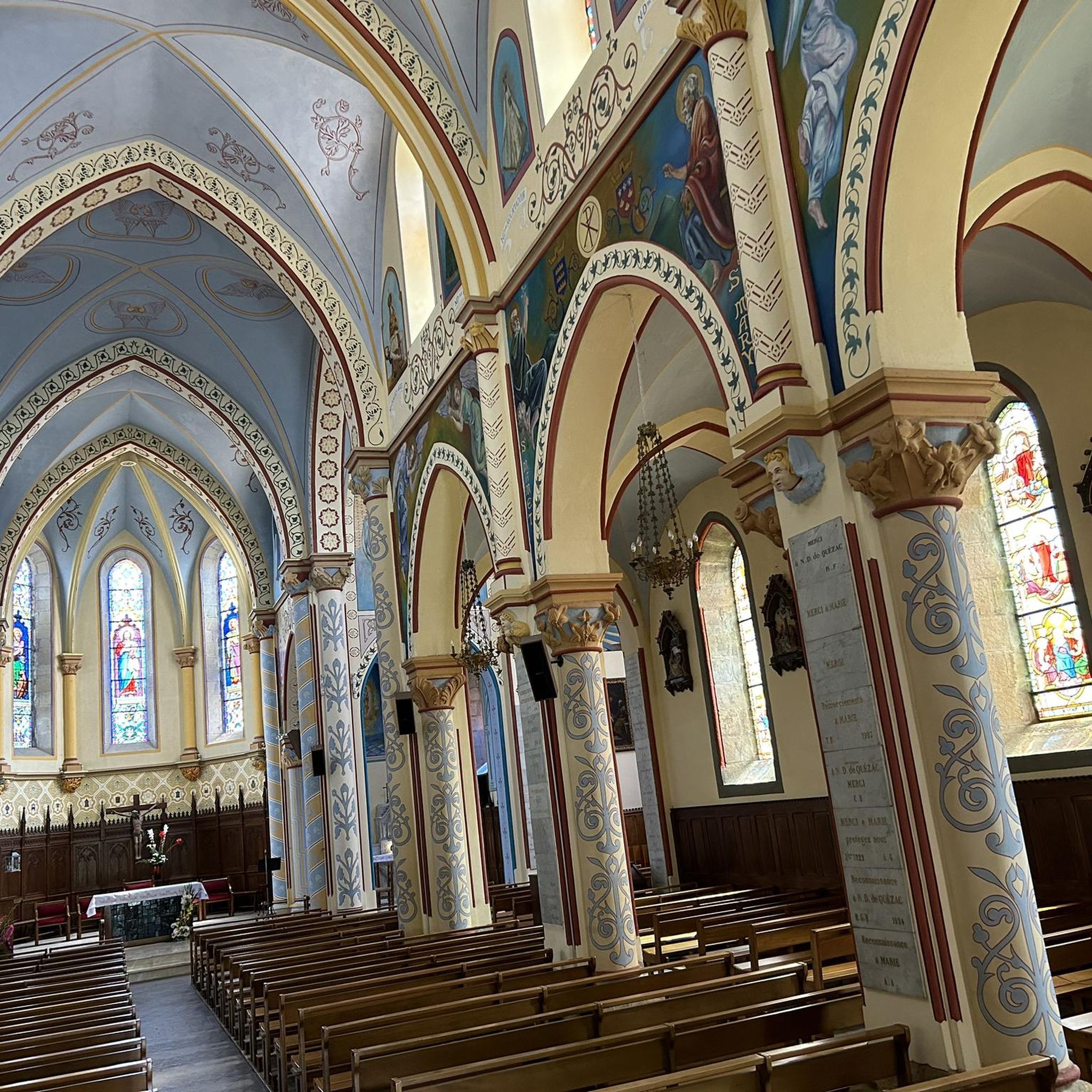
Saint-Césaire Abbey Church
Highlight • Other
Translated by Google •
Tip by
Sign up for free to discover even more attractions around Quézac.
Already have an account?
Start today with a free account
Your next adventure awaits.


Tips from the Community

Nice gentle climb on good asphalt. Kilometer-long markings always inform you about the upcoming climb
0
0

Superb road without traffic and very good surface with a gentle climb at low percentages. Splendid !
0
0

Many centuries ago, our ancestors discovered the possibility of harnessing the power of the elements - which on the one hand could be helpful and useful, but on the other hand could also be a threat as untamed forces of nature - for various purposes and thus be able to do without human or animal muscle power. Mills like these are a good example of the human engineering skills of earlier generations: the heavy millstones used to grind grain into corn or press oil, for example, could be powered by the wind or - as here - water.
0
0

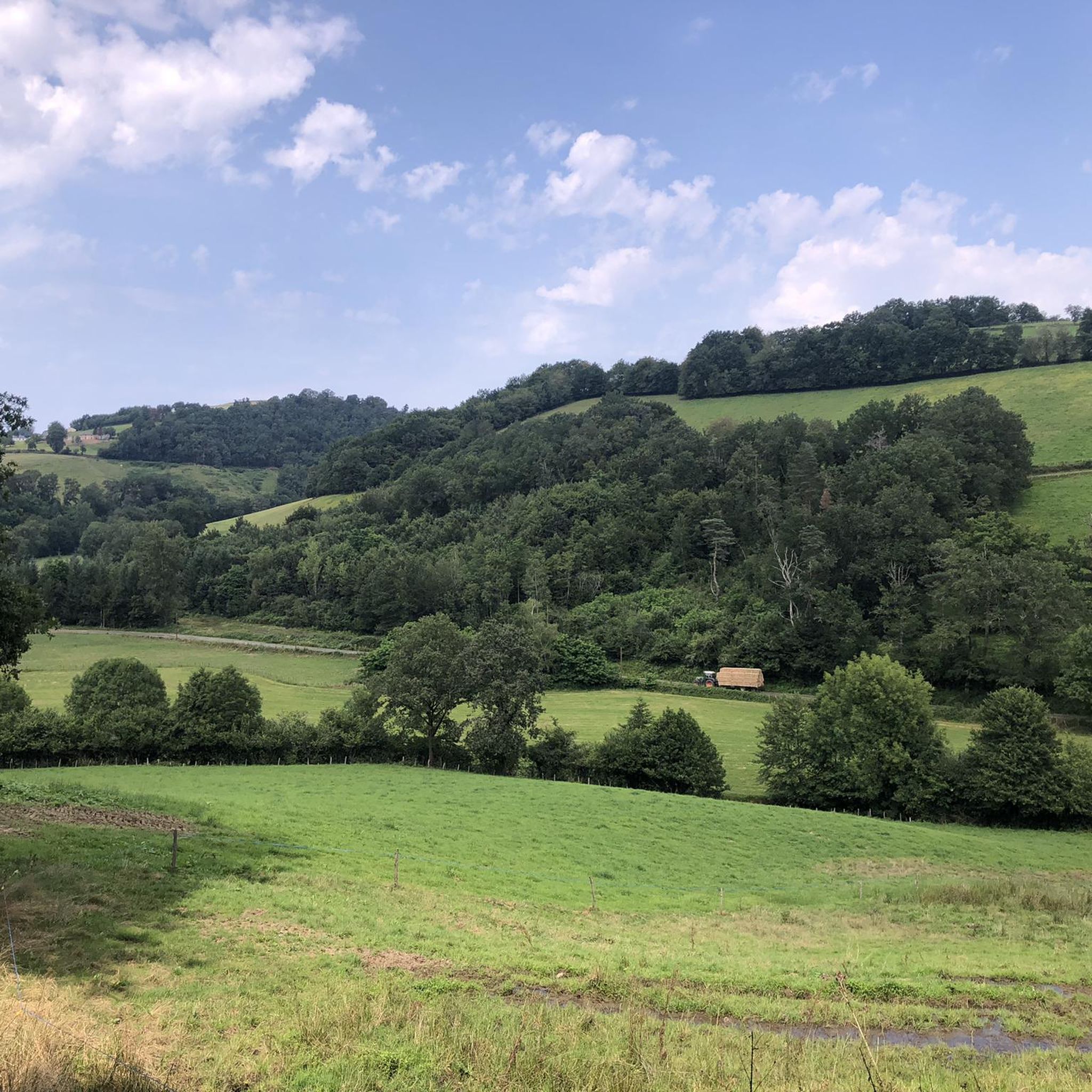
Beautiful asphalt road, in the Rance valley, between Saint-Étienne-de-Maurs and Roannes-Saint-Mary. Numerous signs, intended for cyclists, announcing the difference in altitude have been installed on the shoulders. In the fall, watch out for chestnuts on the road!
0
0

A nice village and good for a break with a delicious snack.
1
0

Pretty paved section (uphill) of the V74 cycle route along the Rance, shaded. V74: "Véloroute de la Châtaigneraie" or more officially or after its development "Great crossing of volcanoes by bike", a whole program...
0
0

The mill of Entraygues is a watermill dating from the end of the 16th century. Intended to produce walnut oil and flour, it played a key role for the local economy. In 1970, the mill stopped working, although you can organize a visit to discover all the secrets of this architectural nugget.
1
0
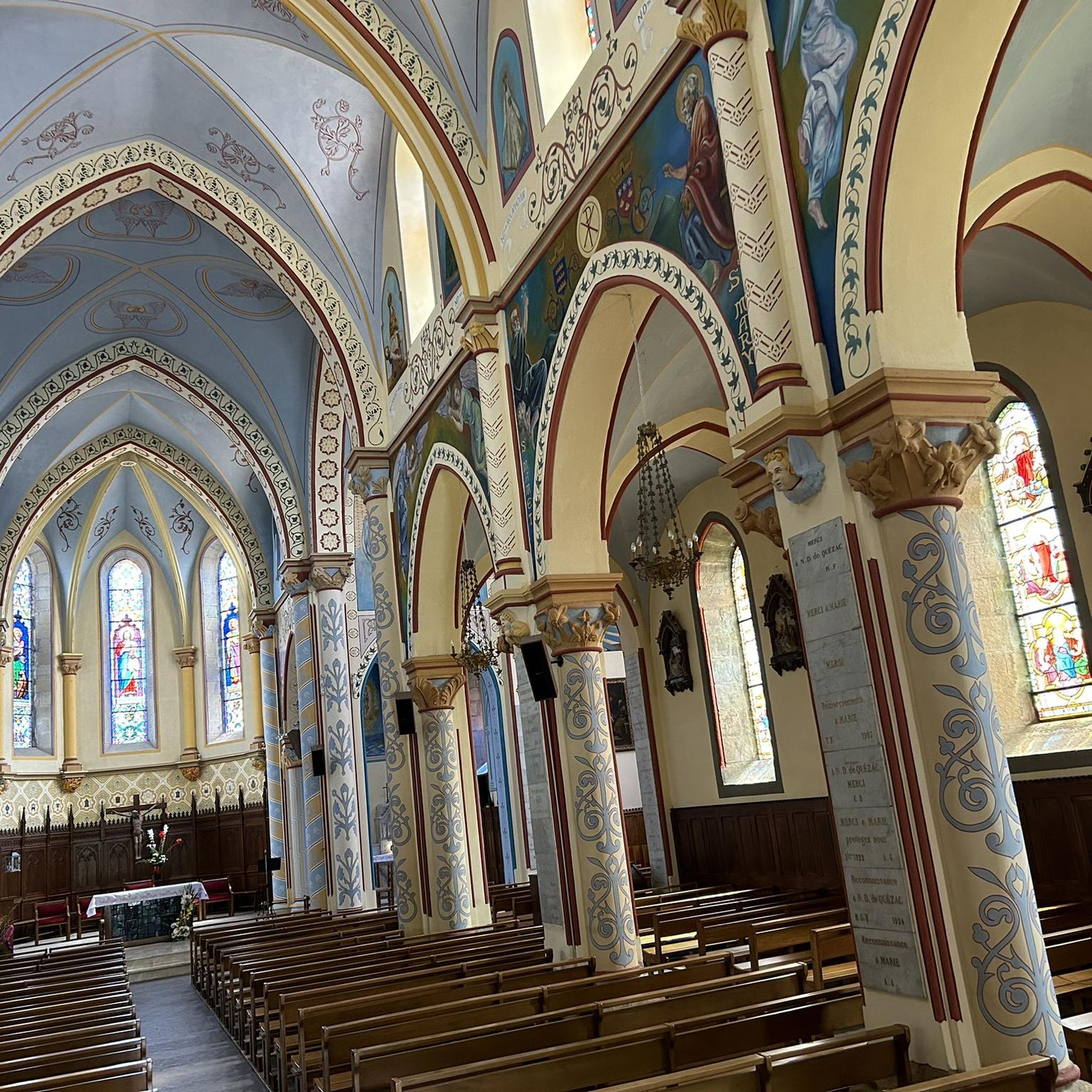
Saint-Césaire Abbey is located in the heart of Maurs, a commune in Cantal, France. Dating from the 10th century, this building was repeatedly destroyed and rebuilt. The oldest parts of the current building date from the 15th and 16th centuries. You can find there the reliquary bust of Saint Césaire, the patron saint of this church.
1
0
Frequently Asked Questions
What historical sites can I explore in Quézac and its immediate surroundings?
Quézac itself boasts significant historical landmarks. You can visit the Notre-Dame de Quézac Church, dating back to 1365, known for its medieval architecture and a 17th-century statue of the Virgin. Don't miss the impressive Medieval Bridge, constructed between 1350 and 1450, which is one of France's oldest and most remarkable bridges. Additionally, the village has a 17th-century 'Ice House'. Nearby, you can discover the unique Moulin d'Entraygues, a 16th-century watermill that produced walnut oil and flour, and the Saint-Césaire Abbey Church in Maurs, with parts dating from the 15th and 16th centuries.
Are there any unique cultural attractions or villages to visit near Quézac?
Yes, the area offers several unique cultural experiences. The villages of Saint-Santin and Saint-Santin-de-Maurs are particularly notable, as they straddle the border between Cantal and Aveyron, featuring two churches facing each other across a central square. You can also explore the renowned Quézac Mineral Water Source and Bottling Plant, where you can learn about the water's history dating back to Celtic times.
What natural features and landscapes can I experience around Quézac?
Quézac is ideally situated at the gateway to the stunning Gorges du Tarn, offering spectacular scenery. The Tarn River itself is a focal point for nature enthusiasts. Other significant natural attractions in the vicinity include the vast Cévennes National Park, the beautiful Mont Lozère, and the unique rock formations of Chaos de Nîmes-le-Vieux. For underground wonders, consider visiting Aven Armand or Abîme de Bramabiau.
What outdoor activities are available near Quézac, especially for cycling enthusiasts?
The region around Quézac is excellent for outdoor activities, particularly cycling. You can enjoy the Côte de l'Enseigne, a beautiful and quiet asphalt road in the Rance valley popular with cyclists, featuring signs indicating altitude changes. Another great option is the V74 cycle route, also known as the "Véloroute de la Châtaigneraie," which offers superb paved sections. For more cycling routes, explore the Cycling around Quézac guide.
Are there hiking opportunities or trails near Quézac?
Yes, Quézac is a great base for hiking. The surrounding area, including the Gorges du Tarn and Cévennes National Park, offers diverse landscapes for walkers. You can find trails ranging from easy to moderate, such as the "Vue loop from Concasty" or the "Moulin du Teil lake – Lac du Rouget loop." For a comprehensive list of routes, check out the Hiking around Quézac guide.
What are some family-friendly activities or attractions around Quézac?
Families can enjoy exploring the historical Moulin d'Entraygues, a watermill that offers insights into local history and economy. The natural beauty of the Gorges du Tarn provides opportunities for gentle walks, picnics, and river activities like kayaking or canoeing. Visiting the Quézac Mineral Water Source and Bottling Plant can also be an interesting educational experience for all ages.
What is the best time of year to visit Quézac for outdoor activities?
The best time to visit Quézac for outdoor activities is generally during the spring (April to June) and early autumn (September to October). During these periods, the weather is pleasant for hiking, cycling, and exploring the natural landscapes like the Gorges du Tarn, with fewer crowds than in peak summer. Summer months (July and August) are also popular, especially for water-based activities on the Tarn River, but can be hotter and busier.
Are there any picturesque villages worth visiting along the Gorges du Tarn near Quézac?
Absolutely. The Gorges du Tarn are dotted with charming villages. Sainte-Enimie is recognized as one of France's most beautiful villages, known for its medieval buildings and as a base for river activities. Saint-Chély-du-Tarn offers direct river access and a Romanesque church. Other picturesque options include Montbrun and Castelbouc, each with unique charm and riverside settings.
Where can I find impressive viewpoints or panoramic vistas near Quézac?
The region around Quézac, particularly within the Gorges du Tarn and areas like Mont Lozère and Mont Aigoual, offers numerous opportunities for panoramic views. The winding roads and trails often lead to stunning overlooks of the river canyons and surrounding plateaus. Specific viewpoints are often signposted along scenic routes.
What kind of mountain biking trails are available in the Quézac area?
For mountain biking enthusiasts, the Quézac area provides a variety of trails, including routes like the "Saint-Césaire Abbey Church – Three Bishops' Cross loop" or the "Côte de l'Enseigne loop from Boisset." These trails range from moderate to difficult, offering challenges and scenic rides through diverse terrain. You can find more detailed information and routes in the MTB Trails around Quézac guide.
What is the significance of the Dolmen at Col de la Pierre Plate?
The Dolmen at Col de la Pierre Plate is a significant historical and cultural site located on the Causse Méjean plateau, not far from Quézac. It is one of the best-preserved dolmens in the area and is steeped in local legends, including tales of its reputed healing powers. It offers a glimpse into the ancient history and folklore of the region.

Get inspired with the komoot mobile app


Explore more
Still not found the Highlight you’re looking for? See guides of the top attractions in other regions:
