The best road cycling routes around Soligny-La-Trappe
4.8
(19)
305
riders
70
rides
Road cycling around Soligny-La-Trappe offers diverse routes within the Perche Regional Nature Park, characterized by rolling hills and lush forests. The region features low-traffic roads and varying elevations, providing engaging challenges for cyclists. Key natural features include the Forêt Perche-Trappe and Bresolettes forest, alongside serene water bodies such as L'Etang Neuf. This landscape provides a tranquil environment for road cycling.
Best road cycling routes around Soligny-La-Trappe
- The most popular road cycling route is Relais du Roi Saint Louis – Porte…
Last updated: July 2, 2026
4
riders
77.1km
03:39
920m
920m
Hard road ride. Very good fitness required. Mostly well-paved surfaces and easy to ride.
5.0
(1)
6
riders
33.6km
01:27
300m
300m
Easy road ride. Great for any fitness level. Mostly well-paved surfaces and easy to ride.

Sign up for free
5
riders
Moderate road ride. Good fitness required. Mostly well-paved surfaces and easy to ride.
5.0
(2)
5
riders
52.4km
02:15
350m
350m
Moderate road ride. Good fitness required. Mostly well-paved surfaces and easy to ride.
3
riders
Moderate road ride. Good fitness required. Some segments of this route may be unpaved and difficult to ride.
Get access to more routes and recommendations from other explorers.
Sign up for free
Already have an account?
Our route recommendations are based on thousands of hikes, rides, and runs completed by other people on komoot.
Start today with a free account
Your next adventure awaits.
Login or Signup

Tips from the Community

In the center of Randonnai, the 16th-century Saint-Malo church, enlarged in 1836, houses several works classified as Historic Monuments, including a classical altarpiece with paintings of Saint Andrew and Saint Sebastian. Funeral slabs serve as threshold steps. Inside, a plaque commemorates the departure of Pierre Tremblay (whose birthplace is in La Filonnière) in 1647 for New France. He is the ancestor of the Tremblays of Quebec and North America.
0
0

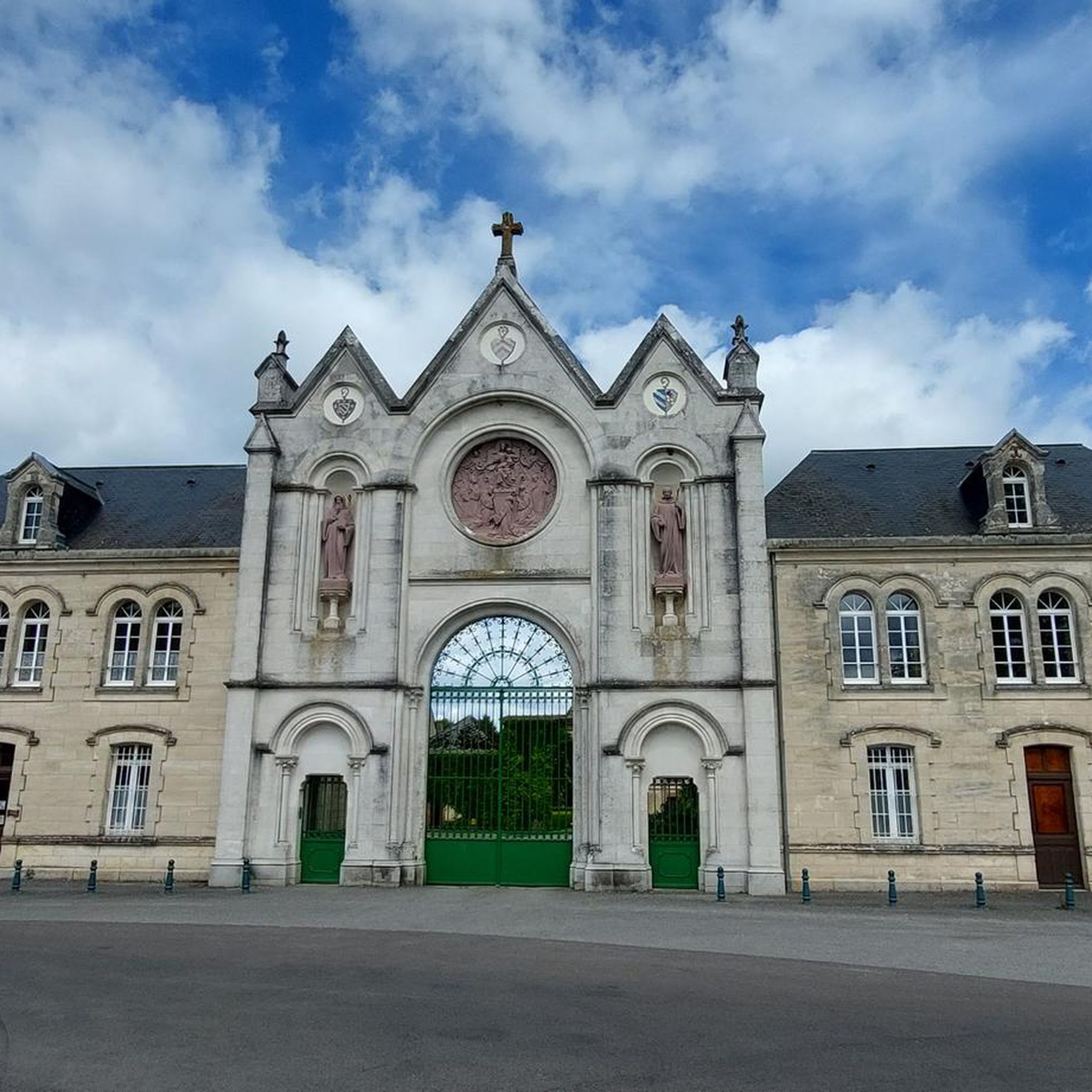
The priory was founded at the beginning of the 11th century and is dedicated to Saint Gauburge (or Walburge), abbess of a large Bavarian monastery in the 8th century. Originally owned by the lords of Bellême, it passed, from the 12th century, to the Royal Abbey of Saint-Denis-en-France. From the end of the 15th century, it was directly dependent on royal power until the Revolution. An important rural estate, its buildings bear witness to its special status and the magnitude of its revenues. Since 1972, it has housed the headquarters of the Perche Ecomuseum, which bears witness to the peasant life of the Perche and develops a diverse cultural program.
0
0
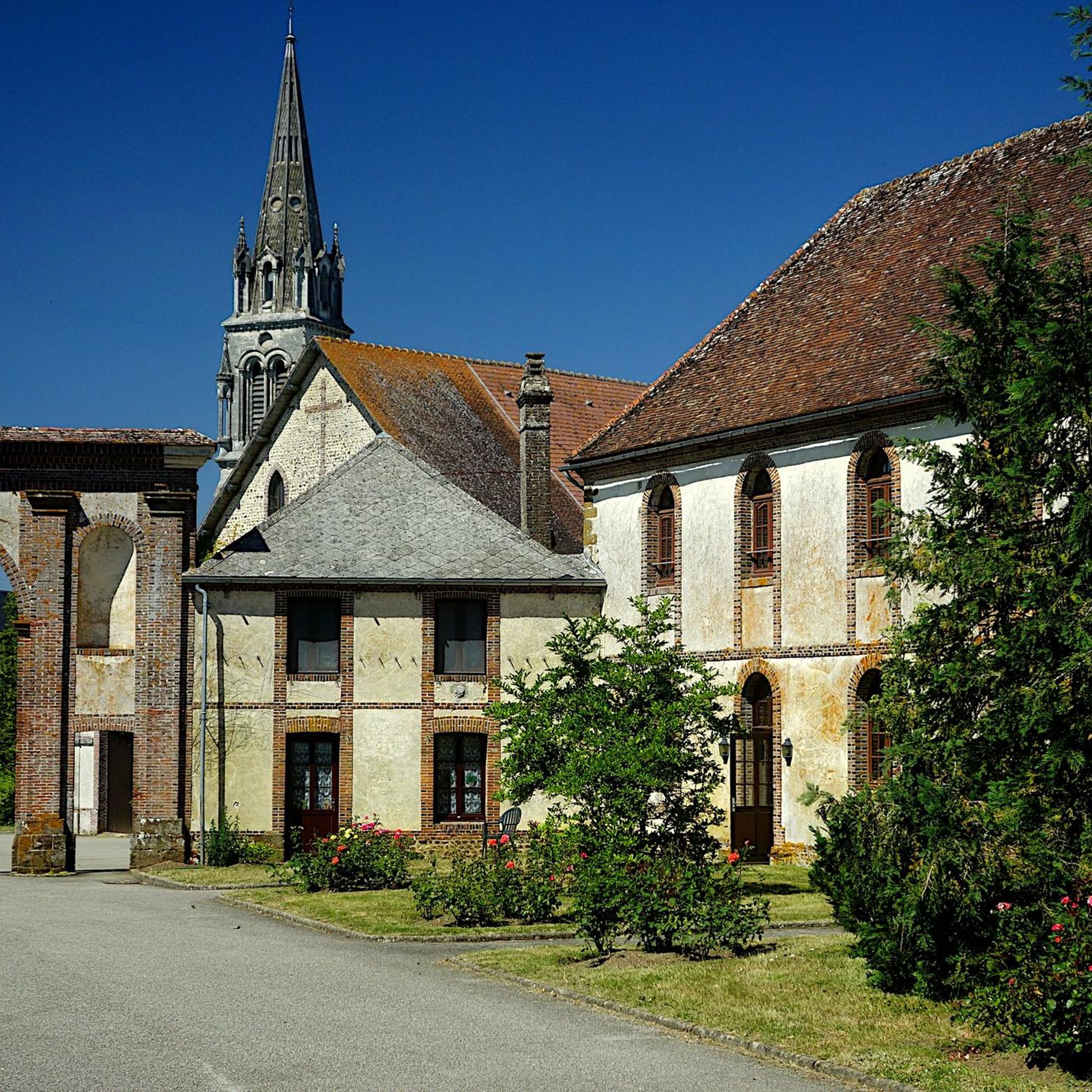
The small church of Dame Marie was part of a large priory founded in the 11th century under the control of Jumièges Abbey. The monks left the priory between 1701 and 1789, and it was sold as national property in 1792. In 1850, an imposing bell tower porch was built, which was demolished in 2006 and replaced by the current shingled bell tower, allowing the reconstruction of the old Romanesque porch.
0
0


Right next to the town hall, the ideal place for a break
0
0
The name of the parish is attested in the forms Sanctus Jovinus in 1147, Saint Jouin in 1429, Saint-Jouin-de-Blavon in 1801. Saint Jouin (in Latin Jovinus), brother of Saint Maximin, was a hermit in Poitou. The determinant refers to the forest of Blavou mentioned around 850 in the Acts of the bishops of Le Mans, it is no longer present today except by the toponyms: Saint Jouin de Blavou
0
1

In the heart of Perche, Bellême, a medieval village, is full of charm. Its location, on a hill, and its proximity to the forest that bears its name, make it a village integrated into the landscape. This of course reinforces its fine reputation.
0
0

Listed as a historic monument since 1975, the Saint-Pierre church dates from the 13th century. It is located in the pretty little town of Mauves-sur-Huisne.
2
0
Frequently Asked Questions
How many road cycling routes are available around Soligny-La-Trappe?
There are over 70 road cycling routes around Soligny-La-Trappe, offering a wide variety of options for cyclists. These routes traverse the picturesque Perche Regional Nature Park, known for its tranquil, low-traffic roads and scenic beauty.
What is the typical terrain like for road cycling in this region?
The terrain around Soligny-La-Trappe is characterized by rolling hills and lush forests, providing a mix of challenges and scenic beauty. Routes feature varying elevations, with some offering up to 1500 ft of elevation gain, making for engaging rides on smooth tarmac and sweeping curves.
When is the best time of year to go road cycling in Soligny-La-Trappe?
The region is generally pleasant for road cycling from spring through autumn, when the weather is mild and the natural landscapes are at their most vibrant. These seasons offer ideal conditions for exploring the Perche Regional Nature Park and its many attractions.
Are there options for different skill levels, from beginners to advanced cyclists?
Yes, Soligny-La-Trappe offers routes for all abilities. You'll find easy paths like the Soligny-la-Trappe Abbey – Abbaye de la Trappe loop from Lignerolles, moderate rides such as the Saint Germain de Loisé – Saint Jouin Church loop from Saint-Hilaire-le-Châtel, and more difficult routes like the Relais du Roi Saint Louis – Porte Saint Denis loop from Saint-Hilaire-le-Châtel, which features significant elevation gain.
What natural features or landmarks can I expect to see along the road cycling routes?
Cyclists can enjoy diverse natural features, including the extensive Forêt Perche-Trappe and Bresolettes forest. You'll also encounter serene water bodies like L'Etang Neuf, Étang de Chaumont, Étang Dais, and Étang Robin, which often provide picturesque views and resting spots. The source of the Sarthe River at Somsarthe is another unique geographical point of interest.
Are there any historical or cultural sites accessible by road bike?
Absolutely. A prominent historical site is the Abbaye Notre-Dame de la Trappe, a significant spiritual landmark often included in cycling itineraries. Routes also pass through charming villages with rich heritage, such as Mortagne-au-Perche, offering glimpses into local culture and architecture.
Are there any circular road cycling routes in the area?
Many of the road cycling routes around Soligny-La-Trappe are designed as loops, allowing you to start and end in the same location. Examples include the Conturbie Pond – Soligny-la-Trappe Abbey loop from Soligny-la-Trappe and the Soligny-la-Trappe Abbey – Conturbie Pond loop from Saint-Hilaire-le-Châtel, providing convenient options for exploration.
What do other road cyclists enjoy the most about road cycling in Soligny-La-Trappe?
The area is highly rated by the komoot community, with an average score of 4.9 stars. Reviewers often praise the tranquil, low-traffic roads, the beautiful rolling hills, and the immersive experience of cycling through the lush forests and past serene water bodies of the Perche Regional Nature Park.
Are there places to stop for refreshments or accommodation along the routes?
While specific cafes or pubs on every route vary, the region's charming villages and towns, such as Mortagne-au-Perche, offer opportunities for refreshments and accommodation. Additionally, the Base de Loisirs de l'Etang Neuf, located near the abbey, provides amenities like shaded picnic areas, which can be a great stop after a ride.
Is public transport or parking available for accessing the road cycling routes?
Access to the routes typically involves driving to a starting point. While specific public transport options directly to trailheads may be limited, many routes begin from towns or villages where parking is available. It's advisable to check local parking facilities at your chosen starting point.
Are there any longer distance road cycling routes for experienced riders?
Yes, for those seeking a longer challenge, routes like the Relais du Roi Saint Louis – Porte Saint Denis loop from Saint-Hilaire-le-Châtel cover nearly 80 km with significant elevation gain, providing an excellent option for experienced cyclists looking for an extended ride through the Perche countryside.
Can I find family-friendly road cycling routes in Soligny-La-Trappe?
While many routes involve some elevation, easier options are available that can be suitable for families. The Soligny-la-Trappe Abbey – Abbaye de la Trappe loop from Lignerolles is an easy 33.6 km path that offers a gentle ride through peaceful landscapes, ideal for a family outing.
Most popular attractions around Soligny-La-Trappe

Get inspired with the komoot mobile app


Explore more
Browse the best Road cycling routes in other regions.
