Attractions and Places To See around Cuisles - Top 20
Best attractions and places to see around Cuisles include its significant role in Champagne production and its tranquil viticultural heritage. This small village, nestled in the Marne Valley, is known for its unique green illite clay soil, which contributes to the distinct character of its Pinot Meunier grapes. Cuisles offers a picturesque natural setting along the Ru de Jonquery stream, serving as a base for exploring the wider Champagne region.
Best attractions and places to see around Cuisles
- The most…
Last updated: July 2, 2026
Statue of Pope Urban II and viewpoint
Highlight • Other
Translated by Google •
Tip by

Prieuré de Binson military cemetery
Highlight • Other
Translated by Google •
Tip by
Sign up now to discover places like this
Get recommendations on the best single tracks, peaks, & plenty of other exciting outdoor places.
Sign up for free
La Cave aux Coquillages
Highlight • Other
Translated by Google •
Tip by

Châtillon-sur-Marne
Highlight • Settlement
Translated by Google •
Tip by
The Lagery Market Hall
Highlight • Monument
Except for two metal parts, it is made entirely of wood, with wooden dowels (no nails or screws).
At the front, there is a washhouse and a well.
Translated by Google •
Tip by

Sign up for free to discover even more attractions around Cuisles.
Sign up for free
Already have an account?
Start today with a free account
Your next adventure awaits.
Login or Signup

Tips from the Community

In a brochure entitled "A Call for Peace, Because Peace Is Possible," Father Klaus Schäfer of the Pallottine Order (Societas Apostolatus Catholici), founded in the mid-19th century by Saint Vincent Pallotti, writes: "The large military cemeteries of the two World Wars, not only those located in France, clearly demonstrate that former enemies can become friends. After the two bloodbaths of these nations, there were no recriminations about who shot first, who was more guilty, who was more cruel... instead, there was a clean break and a genuine new beginning. For this reason, the large military cemeteries of the two World Wars are worthy of being declared World Heritage Sites. This is not to elevate war to the status of culture, but to show the world that even after such a bloody past, peace is possible. Europe has shown us: PEACE IS POSSIBLE. Former enemies can become friends, true friends." (Fr. Klaus Schäfer SAC)
0
0
The Holy Father known as Pope Urban II was born here around 1035. His name is known as Odon de Lagery, also Eudes de Châtillon, or Otton de Châtillon. He joined the Benedictine Order named after Benedict of Nursia (OSB for the Latin "Ordo Sancti Benedicti") and became prior of the highly important Cluny Abbey. In 1088, he was elected pope, taking the name Urban II. As the supreme shepherd of the Roman Catholic Church, he supported the Reconquista in Spain and the First Crusade in support of Byzantium. His theological reasoning was based on the second chapter of the Old Testament Book of Daniel, which describes a turning point in history. He died in 1099. His feast day in the calendar of saints is July 29, the recorded date of his death.
0
0

An impressive half-timbered building made of oak. Except for two metal parts, it is made entirely of wood, with wooden dowels (no nails or screws). At the front, there is a washhouse and a well. According to https://www.reims-tourisme.com/activite/halle-de-lagery/: Built in 1543 in the center of the village of Lagery, the hall was dedicated to trade. From the 16th to the 18th century, there was a market every Tuesday and two or three annual fairs: agricultural markets, grain, wine, livestock, firewood, timber, building materials, industrial goods, etc. This building was listed as a historic monument in 1922. The hall, which was in danger of collapsing and had to be reinforced in 1983, was restored between 2003 and 2007. Since 2010, the town hall and the Lagery Festival Association have organized an arts and crafts market there every spring Sunday.
2
0

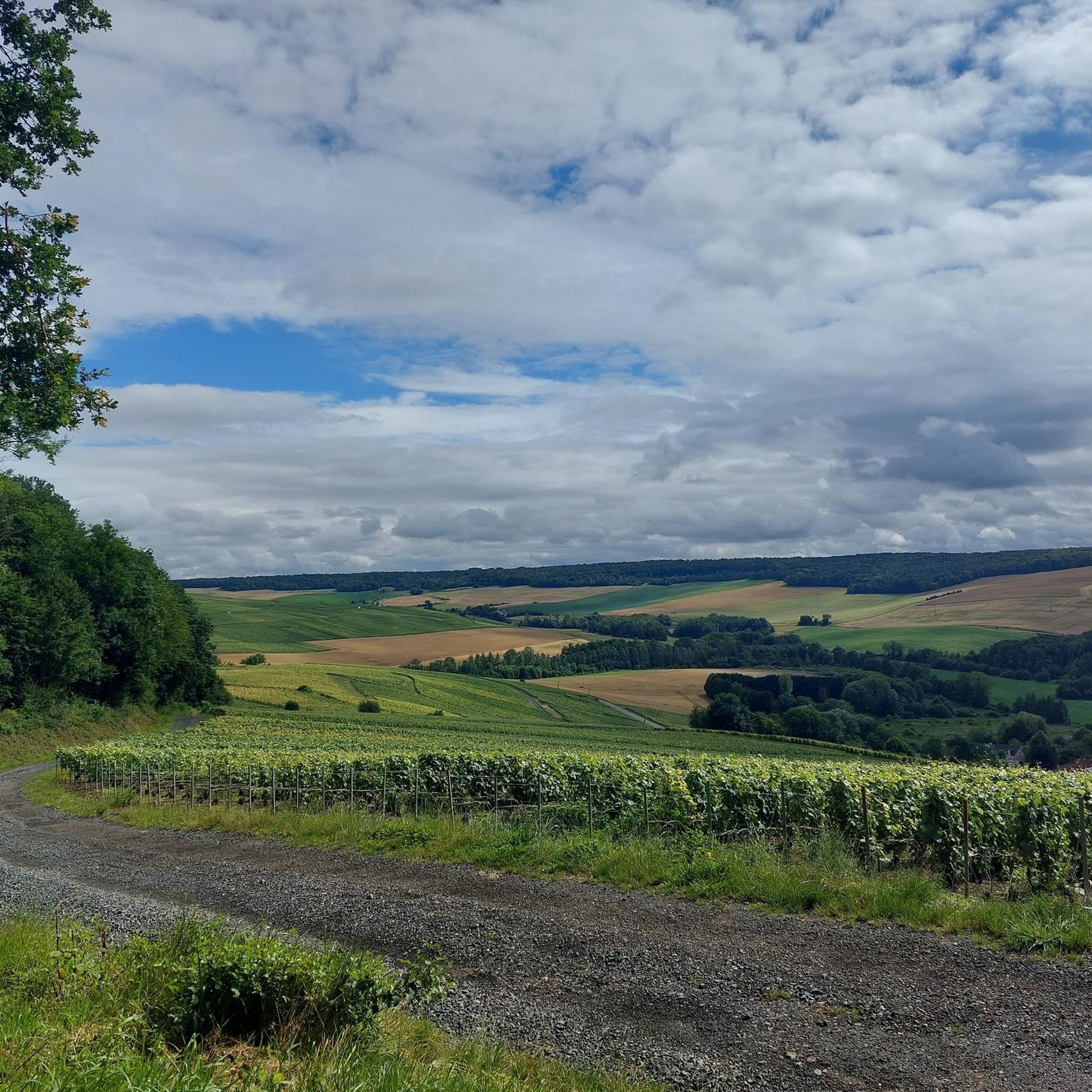
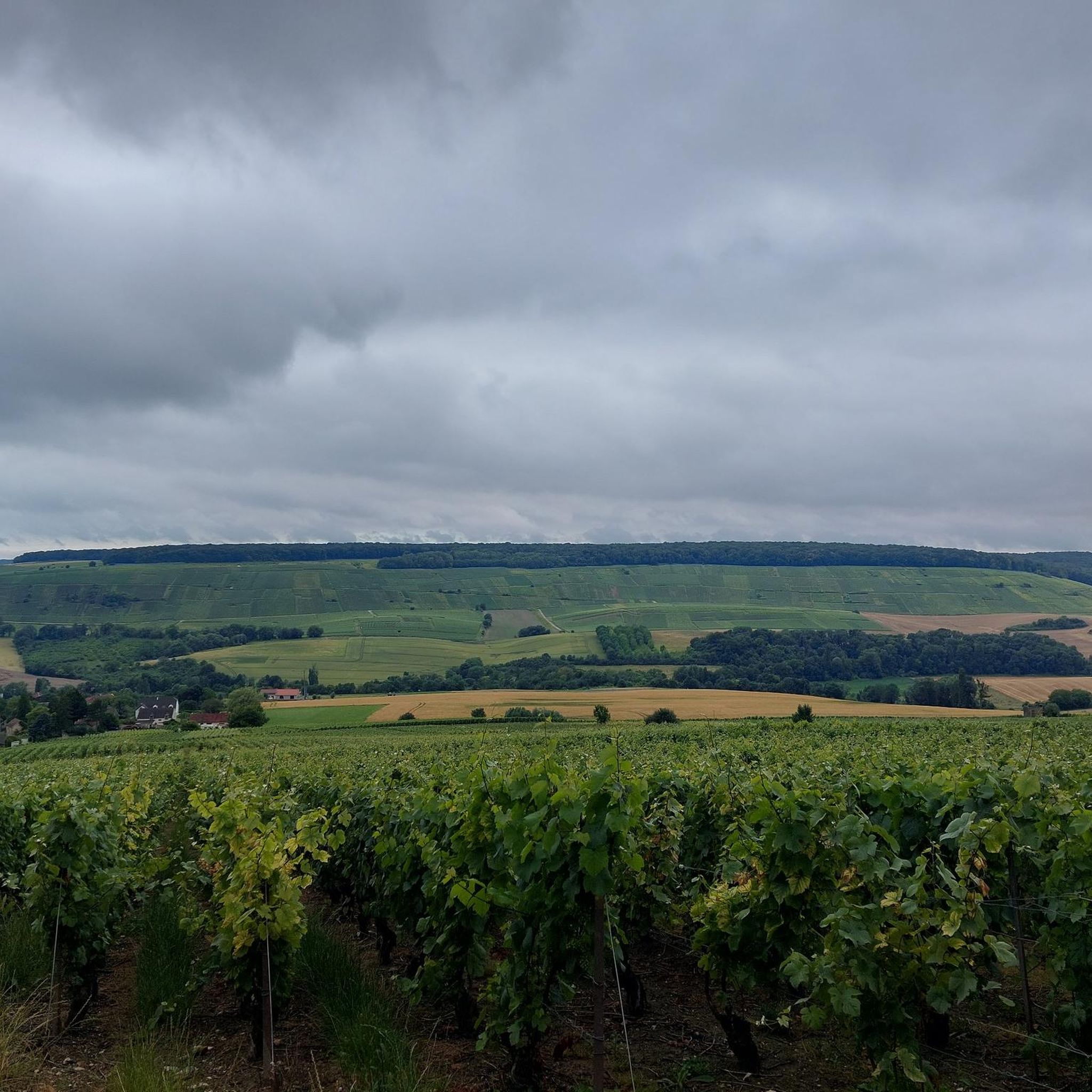
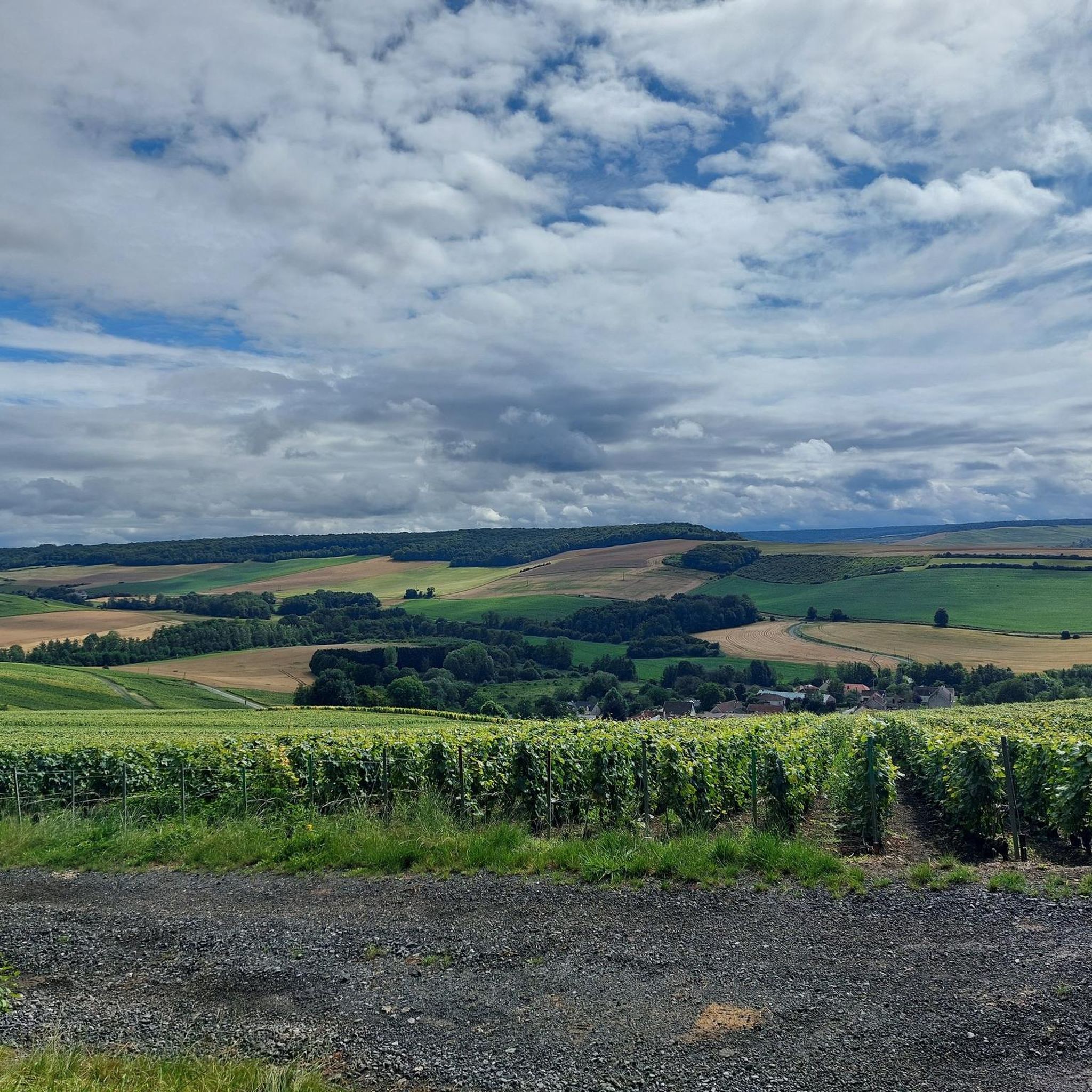
The view from the beautiful rest areas around the monument of Pabst Urban II over the Marne valley and the vineyards of Champagne is magnificent ☺️
2
0

very interesting to see absolutely!
0
0


Simply great 😊 please enjoy the view 😌
2
0
The pope known as Pope URBAN II was born here around the year 1035. The versions of his name that are circulating are Odon de Lagery, also: Eudes de Châtillon, Otton de Châtillon. He joined the Benedictine Order named after Benedict of Nursia (OSB for the Latin "Ordo Sancti Benedicti") and became prior of the very important Cluny Abbey. In the year of our Lord 1088 he was elected pope and took the name URBAN II. As the supreme shepherd of the Roman Catholic Church, he supported the Reconquista in Spain and the first crusade in support of Byzantium. His theological justification was based on the second chapter of the Old Testament book of Daniel, where a turning point is described. He died in 1099. His memorial day in the calendar of saints is July 29, the recorded date of his death.
2
1
Frequently Asked Questions
What makes Cuisles unique in the Champagne region?
Cuisles is particularly renowned for its significant role in Champagne production, especially its unique terroir. The village is distinguished by a special layer of green illite clay soil, which is believed to impart a richer mineral character to its Champagnes, with Pinot Meunier being the dominant grape variety.
Are there any historical landmarks or monuments to visit near Cuisles?
Yes, several historical sites are worth exploring. You can visit Châtillon-sur-Marne, a village featuring a colossal statue of Pope Urban II. Another significant site is The Lagery Market Hall, an impressive half-timbered building from 1543 that served as a trade center and is now a listed historic monument.
Where can I find panoramic views of the Marne Valley?
For breathtaking panoramic views of the Marne Valley, head to the Statue of Pope Urban II and viewpoint in Châtillon-sur-Marne. Visitors can even climb inside the statue's arm for an elevated perspective.
What unique cultural experiences related to Champagne production are available?
A truly unique experience is a visit to La Cave aux Coquillages. Here, you can taste Champagnes while exploring a 55-million-year-old ancient seabed, perfectly preserved with numerous species of shellfish, offering a fascinating insight into the region's geological history.
Are there opportunities for cycling around Cuisles?
Absolutely! The region around Cuisles offers various cycling routes. You can explore options like the 'Champagne Tourist Route' or 'On the banks of the Marne' for touring bicycles. For more detailed routes and their difficulties, check out the Cycling around Cuisles guide.
What kind of mountain biking trails are available near Cuisles?
Mountain biking enthusiasts will find several trails, such as 'The Cuchery bottle' or 'Avenue de Champagne, Épernay' loops. These routes offer moderate difficulty and a chance to experience the scenic landscapes. Discover more options in the MTB Trails around Cuisles guide.
Can I find road cycling routes in the Cuisles area?
Yes, there are several road cycling routes, including the 'Champagne Tourist Route – View of Hautvillers loop' and 'Small road along the Marne' which offer moderate to difficult challenges. For a comprehensive list, refer to the Road Cycling Routes around Cuisles guide.
Are there any sites commemorating historical events near Cuisles?
Yes, the Prieuré de Binson military cemetery is a significant site where over 2,500 soldiers who fell during the spring offensive of 1918 are buried, offering a solemn reflection on history.
What is the best time to visit Cuisles for outdoor activities and vineyard views?
The Champagne region, including Cuisles, is beautiful during spring and summer (April to September) when the vineyards are lush and green, and the weather is pleasant for outdoor activities like cycling and walking. Autumn (October) also offers stunning colors during harvest season.
Is Cuisles a good base for exploring the wider Champagne region?
Yes, Cuisles serves as an excellent tranquil base. Its central location in the Marne Valley provides easy access to broader regional attractions. Nearby towns like Épernay (approx. 10 km) and Reims (approx. 23.4 km) offer additional points of interest, including prestigious Champagne houses and historical cathedrals.
Are there any family-friendly activities or attractions in the Cuisles area?
While Cuisles itself is a quiet village focused on viticulture, the wider Marne Valley offers activities suitable for families. Exploring the picturesque vineyards, visiting the unique La Cave aux Coquillages, or enjoying easy cycling routes can be enjoyable for all ages. The panoramic views from the Statue of Pope Urban II and viewpoint can also be a fun outing.
What do visitors enjoy most about the attractions around Cuisles?
Visitors particularly appreciate the unique blend of history, culture, and natural beauty. The panoramic views from sites like the Statue of Pope Urban II and viewpoint are highly praised, as is the fascinating geological and oenological experience at La Cave aux Coquillages. The historical significance of places like The Lagery Market Hall also leaves a lasting impression.

Get inspired with the komoot mobile app


Explore more
Still not found the Highlight you’re looking for? See guides of the top attractions in other regions:
